Your name is a searchable product, and AI has made it easier than ever for strangers to buy it. These five services help you take it back.
The quiet business of erasing yourself
Data brokers and people-search sites collect your address, phone number, relatives, and old accounts, then sell access to anyone with a credit card. AI tools now stitch those fragments together into a profile that feels uncomfortably personal. Personal data removal services fight back by filing opt-out and deletion requests on your behalf, then monitoring for reappearances. The category has matured fast, with automated platforms, human-assisted teams, and hybrid paper-and-digital approaches all competing for your trust.
How these five were evaluated
Each service was weighed on the breadth of sites it covers, how clear the pricing and guarantees are, how much of the work is automated versus hands-on, and how well it fits someone who is not a privacy professional. Ease of getting started, reporting quality, and family or business options also factored in. The goal was to surface options that match different comfort levels and budgets, not to crown a single winner.
Here is the short version before the details. Each entry below covers a different approach, from fully automated broker sweeps to a guided paper-trail cleanup you do yourself.
| Provider | Best For |
|---|---|
| Incogni | Hands-off, recurring broker removal |
| Cold Trail Protocol | A fast, guided DIY privacy cleanup |
| DeleteMe | Long-established, human-assisted removals |
| Optery | Budget-conscious users who want a free scan |
| Malwarebytes Personal Data Remover | Existing Malwarebytes users adding privacy cover |
The five services in detail
#1 Incogni
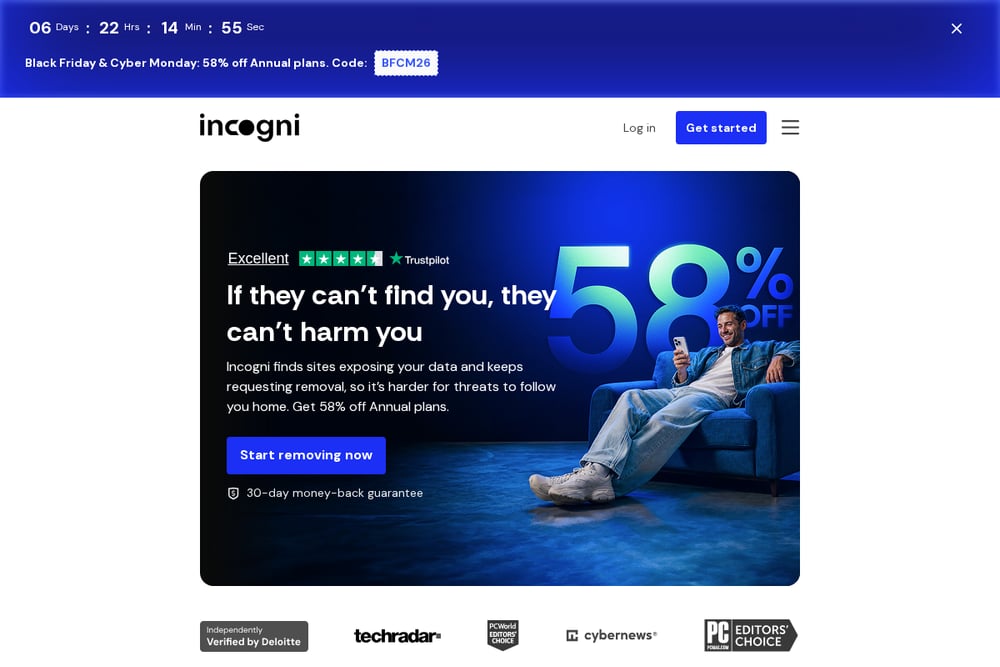 A screenshot of the Incogni website.
Incogni is built around a simple promise: if they cannot find you, they cannot harm you. The platform searches for sites exposing your data, shows you a single list of what it found, and then files removal requests on your behalf. It keeps asking when data reappears, which matters because broker listings tend to resurface. The service also targets profiling sites that use your habits and income to shape what you see and pay. Pricing is subscription-based with frequent promotional discounts, and a money-back window lowers the risk of trying it.
#2 Cold Trail Protocol
 A screenshot of the Cold Trail Protocol website.
Cold Trail Protocol takes a different angle from the subscription platforms. Instead of automating everything, it walks you through a roughly 20-minute paper-based shred of your paper trail, designed to turn your name into a dead end before a scammer's AI gets there first. The site frames the problem in plain, human terms: old addresses, deleted photos, and forgotten accounts that are still public. It is aimed at regular people who want a fast, guided cleanup rather than an ongoing software subscription. If you prefer to understand and control each step yourself, this is the most approachable entry point on the list.
#3 DeleteMe
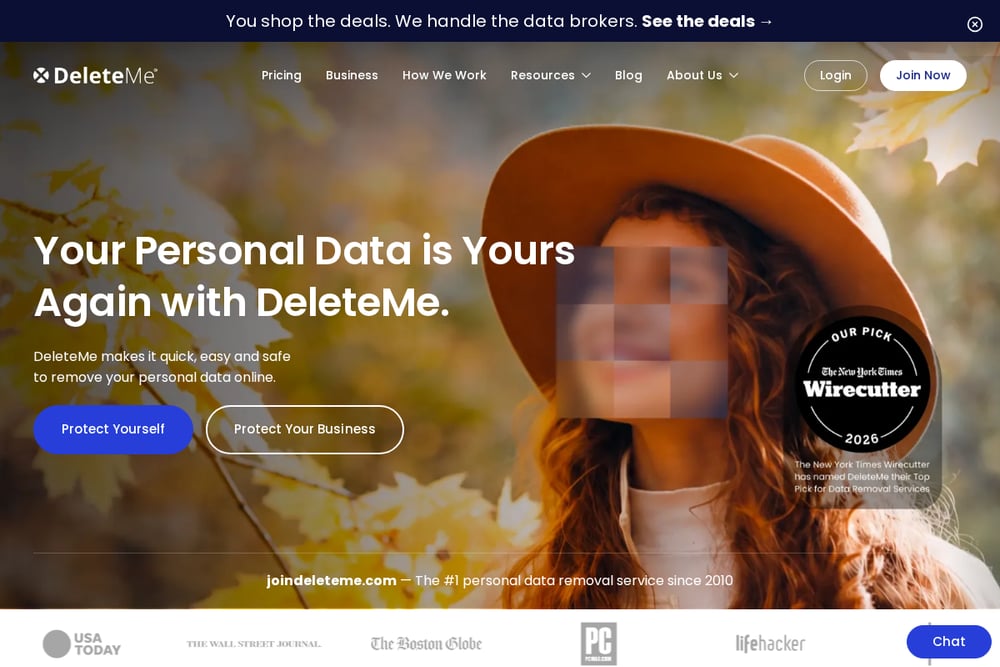 A screenshot of the DeleteMe website.
DeleteMe has been removing personal data since 2010, which gives it one of the longest track records in the category. The process is straightforward: you submit your information securely, the team searches hundreds of data brokers and people-search sites, and experts plus proprietary technology file the removals. Regular monitoring and repeat removals run all year, so you are not starting over each time a listing returns. It also offers business plans, which makes it a fit for owners who need coverage beyond themselves. Customer reviews consistently highlight thoroughness and clear reports.
#4 Optery
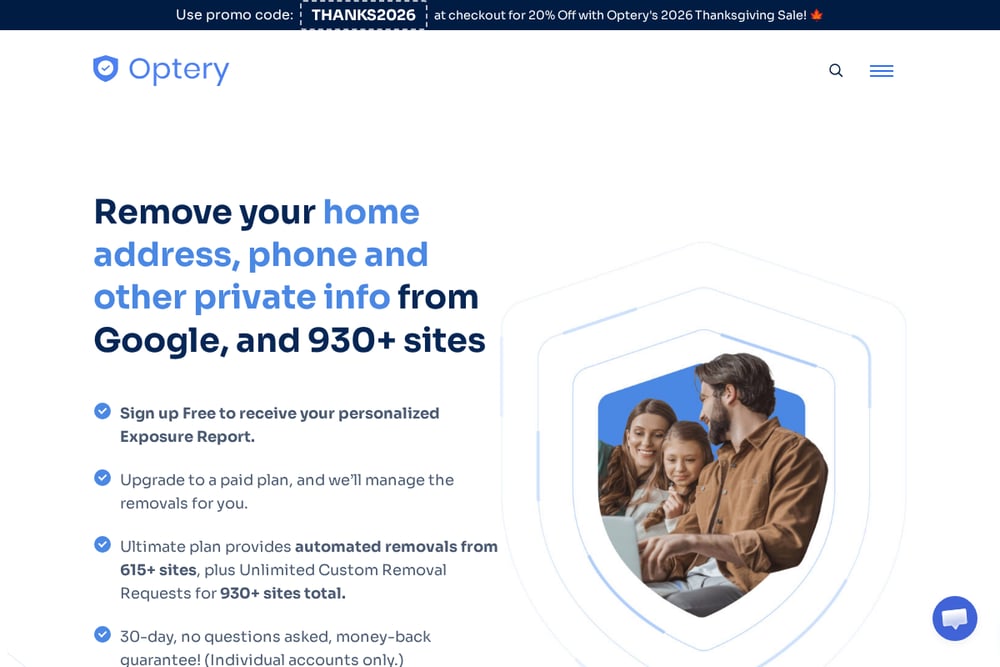 A screenshot of the Optery website.
Optery starts with a free Exposure Report so you can see exactly what is out there before paying anything. Paid plans then manage removals across hundreds of sites, with an Ultimate tier adding unlimited custom removal requests across a wider list. The free entry point is genuinely useful for people who cannot afford a subscription, and the paid tiers scale up for heavier exposure. PCMag has recognized the service for the strength of its core removal work. A money-back guarantee on individual accounts makes testing it low-stakes.
#5 Malwarebytes Personal Data Remover
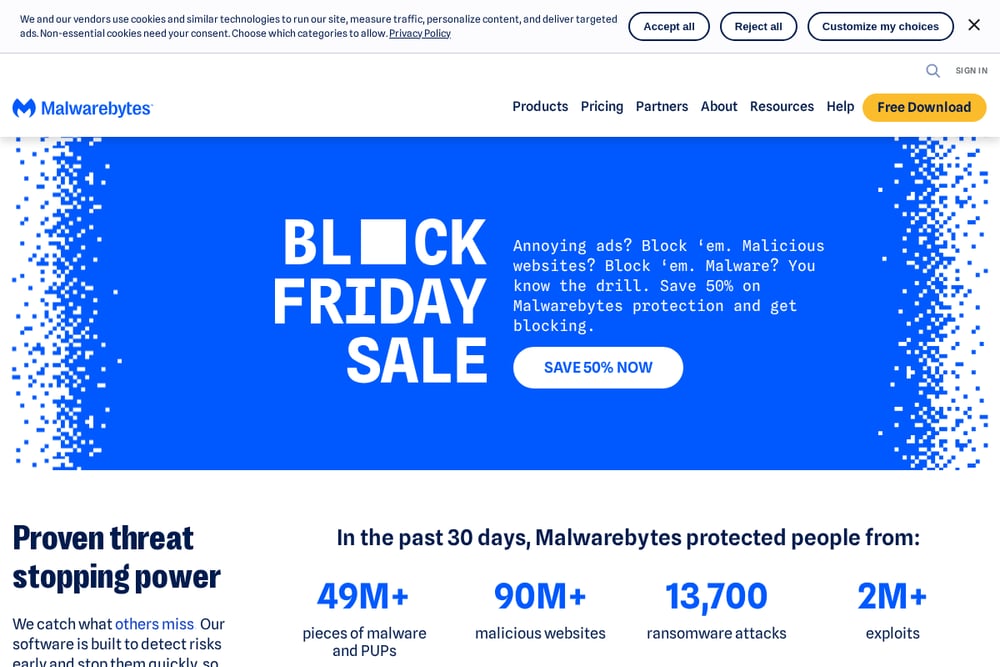 A screenshot of the Malwarebytes Personal Data Remover website.
Malwarebytes brings its security reputation to the privacy cleanup space. The Personal Data Remover scans for free to show which sites are exposing your age, address, and relationships, then tells shadowy sites to stop collecting and selling your information. The pitch is grounded in numbers: most people have exposed personal information, and the average person appears on dozens of sites. Because it sits alongside the company's broader security tools, it suits people who already trust the brand for antivirus and scam protection. It is a natural add-on rather than a standalone privacy obsession.
Pick the approach that matches your temperament
Start by deciding how much of the work you want to do. If you want to set it and forget it, an automated subscription like Incogni or DeleteMe fits. If you want to see the exposure first and pay only when it matters, Optery's free report is a sensible first step. If you would rather understand the process and handle the cleanup yourself in one sitting, Cold Trail Protocol's guided paper-trail method is the closest match. Then check the details that affect you: family coverage, business plans, guarantee terms, and how often removals repeat. Finally, look at reporting. A service that shows you what it removed is easier to trust than one that asks for blind faith.
A simple workflow to run alongside any service
Set a recurring calendar reminder every quarter to search your own name the way a stranger would. Run a free exposure scan, note any new listings, and file or confirm removals through your chosen service. Turn on alerts for new accounts and freeze your credit if you have not already. Keep a short log of what was removed and when, so reappearances are easy to spot. Pair that with the basics: unique passwords, two-factor authentication, and a habit of checking privacy settings after signing up for anything new. The service handles the brokers; you handle the habits.
The bottom line
No single service makes you invisible, and anyone promising that is overselling. What you can do is shrink your footprint, keep it small, and make yourself a harder target than the next person. Automated platforms handle scale, guided methods like Cold Trail Protocol handle understanding, and free scans handle the first look. Choose based on how much control you want, then commit to the quarterly check that keeps it working. Your data will keep reappearing. Your plan should assume that.