When tracking says delivered and your customer says it never came, you need evidence, not guesswork. These five services help you decide whether a refund is owed before you hand back the money.
The refund claim problem hiding in your P&L
Refund abuse is no longer a rounding error. Riskified's review of more than 1 million claims at three large retailers in 2024 found that nearly 1 in 4 refund dollars on "never arrived" and missing-item claims were abusive. Research from the Universities of Portsmouth, QUT, Bristol and Surrey in 2025 found that 13 to 30% of each refund goes to paid services that file fake claims for customers. For stores with average orders over $100, a handful of bad claims can erase the margin on dozens of good orders. The market has split into two camps. Carrier refund and parcel audit tools chase money back from UPS, FedEx and Canada Post. Claim review services focus on the customer side, checking delivery photos, scan locations and claim history before you refund. You need to know which problem you are actually solving.
How we evaluated these services
We looked at four factors. First, service scope: does the provider review customer refund claims, recover carrier money, or both? Second, evidence handling: how does it use delivery photos, scan locations, packed weights and past claim history? Third, pricing clarity: is there a free trial, a per-claim fee, or a contingency model? Fourth, fit for US e-commerce: does it work with the carriers and platforms you already use? ValidShip stood out for its free review of up to 50 past claims and its focus on the customer side of the claim. RefundPros stood out for its marketplace reimbursement and carrier refund coverage. LateShipment.com stood out for its post-purchase automation and lost and damaged claims. Refund Retriever stood out for small-business parcel auditing and carrier contract benchmarking. iDrive Logistics stood out for its transportation management system and shipping claim guidance.
Here is the short version. Each service below solves a different slice of the refund problem, so match the tool to the leak you actually have.
| Provider | Best For |
|---|---|
| RefundPros | Marketplace and carrier reimbursement recovery |
| ValidShip - Package Fraud Prevention | Stores with high-value orders and repeat "never arrived" claims |
| LateShipment.com | Automating post-purchase claims and carrier refunds |
| Refund Retriever | Small businesses auditing carrier invoices |
| iDrive Logistics | Brands and 3PLs managing shipping operations in-house |
The five services in detail
#1 RefundPros
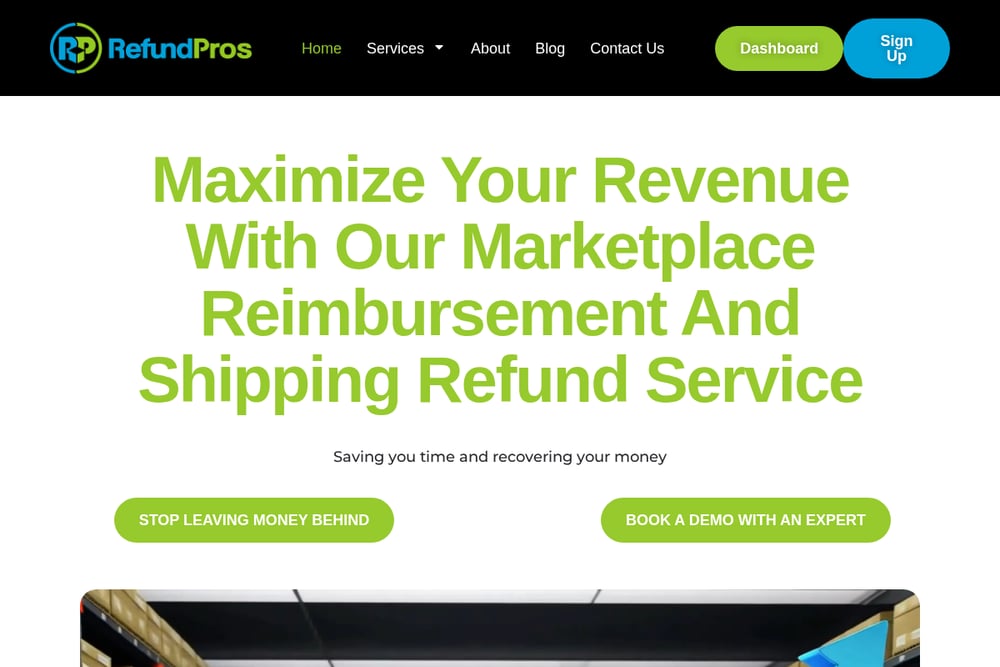 A screenshot of the RefundPros website.
RefundPros runs a hands-off auditing platform for Amazon, Walmart and carrier refunds. Its proprietary software scans marketplace reports and shipment data, and in-house claim experts file and chase the claims. That makes it a strong fit if your money is stuck in FBA reimbursements, WFS audits or late-shipment refunds from UPS, FedEx and Canada Post. The service is built around recovering money you are already owed, not reviewing whether a customer's refund claim is legitimate. If your leak is on the carrier and marketplace side, this is the workflow to look at. You can book a demo and see the dashboard before committing.
#2 ValidShip - Package Fraud Prevention
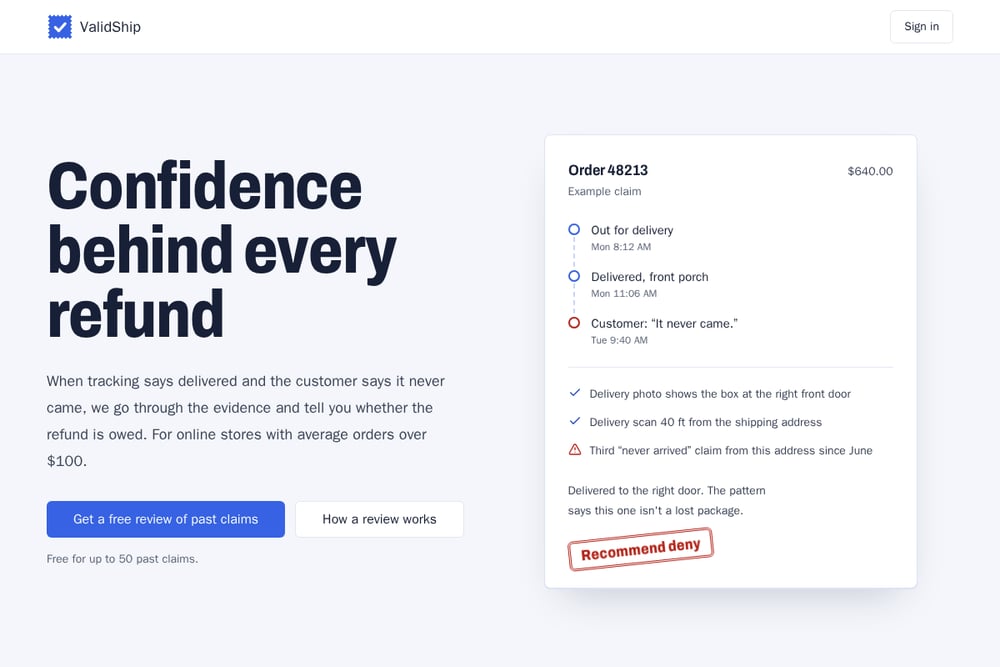 A screenshot of the ValidShip - Package Fraud Prevention website.
ValidShip reviews the customer side of the claim. When tracking says delivered and the buyer says it never came, ValidShip compares the carrier's delivery photo and scan location with the shipping address, checks the address and email against past claims, and only asks the buyer for their side when the evidence does not settle it. For empty-box and missing-item claims, it compares packed weights and packing photos from your warehouse with what the carrier recorded. The service targets online stores with average orders over $100 and offers a free review of up to 50 past claims. That free review is the fastest way to see how many of your past refunds should have been denied.
#3 LateShipment.com
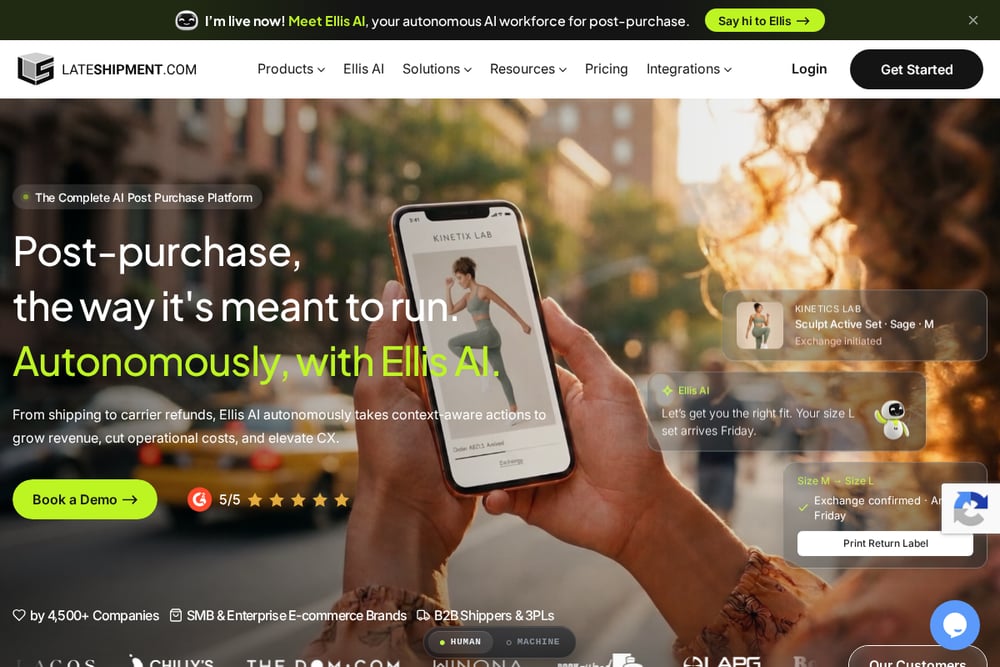 A screenshot of the LateShipment.com website.
LateShipment.com positions itself as an AI workforce for post-purchase, with context-aware agents handling tracking, returns and claims. Its lost and damaged claims module files refunds for parcels that go missing or arrive damaged, and its parcel audit recovers overcharges from carrier invoices. The platform connects to more than 1,600 carriers plus Shopify and Klaviyo, so it fits stores that want automation across the whole post-purchase flow. It is less about adjudicating a customer's refund claim and more about recovering carrier money and reducing support tickets. If your team is drowning in WISMO tickets and unclaimed carrier refunds, this is worth a look.
#4 Refund Retriever
 A screenshot of the Refund Retriever website.
Refund Retriever focuses on parcel auditing for small businesses. It monitors your carrier invoices and goes after late-delivery and overcharge refunds that most merchants never claim. The service also offers carrier contract benchmarking and notifications, plus partnerships for LTL freight and shipping insurance. That combination makes it a practical entry point for a small store that suspects it is overpaying on shipping but does not have time to file claims. It does not review customer refund claims, so pair it with a claim review service if "never arrived" abuse is your bigger problem. The low-cost positioning keeps it accessible for lean teams.
#5 iDrive Logistics
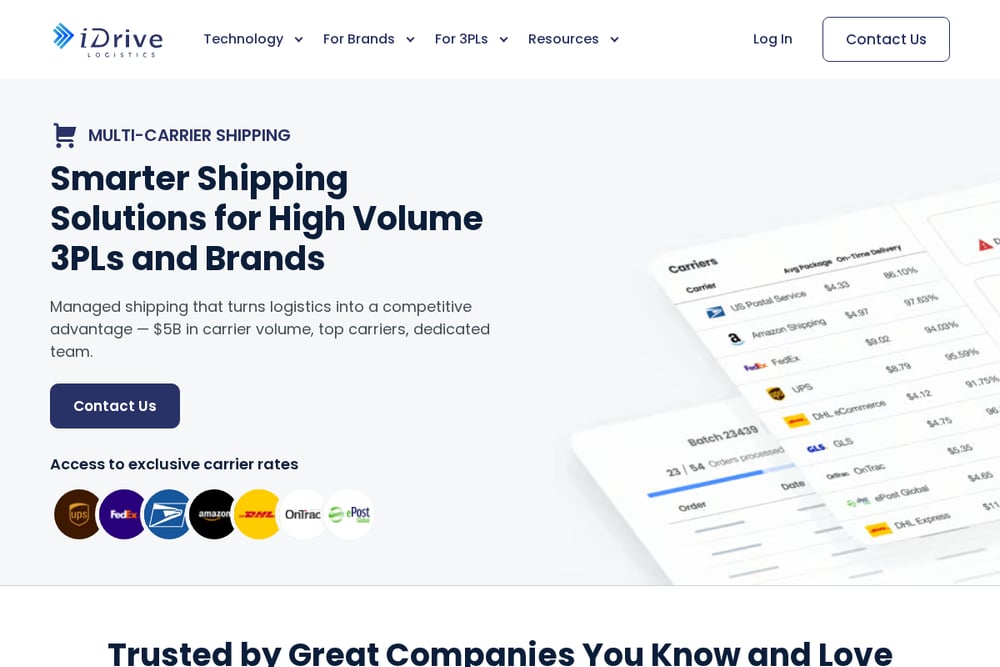 A screenshot of the iDrive Logistics website.
iDrive Logistics brings a transportation management system and shipping APIs to the table, with a blog and resources that walk you through managing shipping claims. Its content covers the five key claim types: damages, losses, shortages, delays and overcharges, and explains how carrier liability differs from shipping insurance. That makes it useful if you want to understand the claim process before you outsource it. The platform is built for brands, e-commerce fulfillment and 3PLs that want more control over shipping operations. It is a heavier operational tool than a pure claim review service, so weigh that against your team's capacity.
How to choose the right fit
Start by naming the leak. If abusive "never arrived" and missing-item claims are eating your margin, you need a claim review service that checks delivery evidence before you refund. If unclaimed carrier refunds and marketplace reimbursements are the problem, a parcel audit or reimbursement tool will recover more. Many stores need both, so do not force one vendor to do everything. Check pricing clarity next. A free review of past claims lets you test the value before you sign. Then confirm carrier and platform fit. Your provider should work with the carriers you ship with and the platform you sell on. Finally, ask how evidence is handled. Delivery photos, scan locations, packed weights and claim history are the difference between a defensible denial and a chargeback you lose.
Where automation fits into your refund workflow
Automation should handle the routine and escalate the ambiguous. Set up a rule that flags any "never arrived" claim on an order above your average order value. Pull the carrier delivery photo and scan location automatically. Check the address and email against your claim history. If the evidence checks out, refund right away and leave the good customer alone. If the evidence conflicts or the address has a pattern of claims, route it to a human review. For empty-box claims, compare packed weights and packing photos before responding. This workflow keeps honest customers happy and puts your attention where the risk actually is.
The bottom line
Refund abuse is a measurable cost, and the data says nearly 1 in 4 refund dollars on "never arrived" and missing-item claims are abusive. You cannot fix that with a blanket policy. You fix it with evidence. Use a claim review service like ValidShip to adjudicate customer claims, and a parcel audit or reimbursement tool to recover carrier and marketplace money. Test with a free review of past claims, measure how many refunds should have been denied, and build a workflow that protects good customers while stopping the repeat claimants. That is how you keep confidence behind every refund.