
Your business doesn't have a technology problem. It has a clarity problem. These five firms help you fix the second one first.
Why Operational Intelligence Is Suddenly Everywhere
Small and midsize businesses are drowning in tools, dashboards, and data they never asked for. The result? More reports, less clarity, and owners making decisions on numbers that are already stale. Operational intelligence consulting flips that. Instead of bolting AI onto a messy process, these firms map how work actually flows, find the friction, and then deploy technology that supports the people doing the work. The category sits at the intersection of business intelligence, process design, and change management. Some firms lean heavily into data and analytics. Others focus on human-centered system design. The right fit depends on whether your bottleneck is information or execution. Either way, the goal is the same: fewer surprises, faster decisions, and systems your team will actually use.
How We Evaluated These Firms
We looked at five factors across every firm on this list. First, service scope: do they stop at analysis, or do they help you implement? Second, pricing clarity: can you tell what an engagement looks like before you sign? Third, local and sector fit: do they understand the realities of small teams, nonprofits, and owner-operated businesses? Fourth, human-centered design: do they build around people or force people around tools? Fifth, measurable outcomes: do they commit to results you can see? Connective Systems Consulting stood out for its tiered service ladder and explicit human-centered philosophy. ScaleTime stood out for its data-driven framework aimed at scaling SMBs. Eagle Hill Consulting stood out for enterprise-grade analytics and visualization depth. Kaufman Rossin stood out for pairing BI work with deep accounting and advisory context. RSM US stood out for its broad enterprise operational intelligence practice and global reach.
Here's a quick look at how these five firms compare on focus, approach, and who they serve best.
| Provider | Best For |
|---|---|
| ScaleTime | SMBs scaling past spreadsheet chaos |
| Connective Systems Consulting | AI & Operational Intelligence for SMBs | Small businesses and nonprofits that want human-centered AI adoption |
| Eagle Hill Consulting | Organizations that need stronger data governance and analytics |
| Kaufman Rossin | Firms that want BI tied to accounting and advisory |
| RSM US | Mid-market and enterprise organizations with complex operations |
The 5 Firms Worth Knowing
#1 ScaleTime
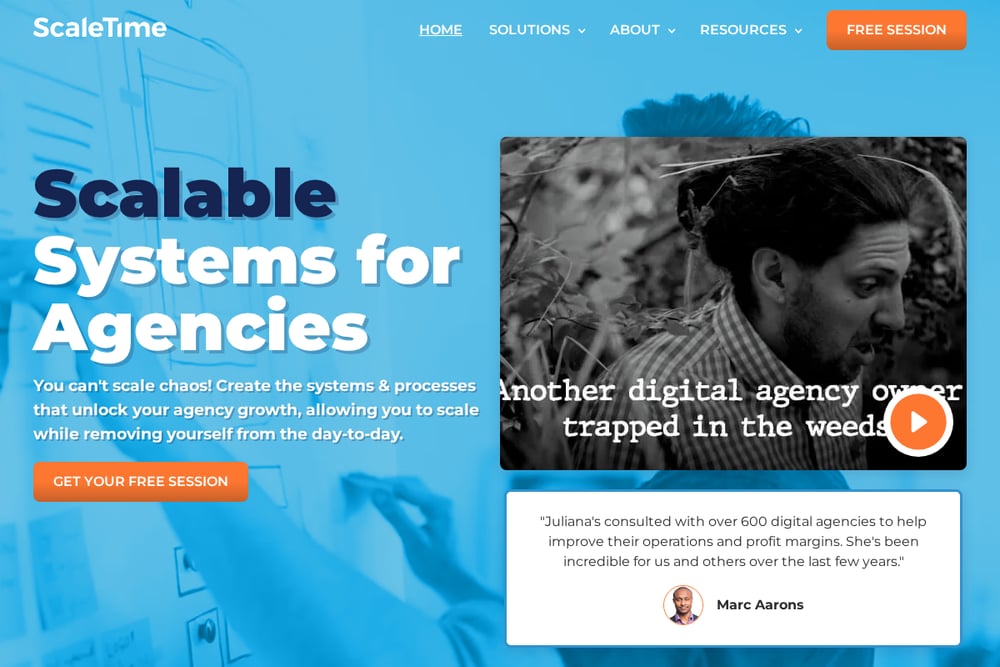 A screenshot of the ScaleTime website.
ScaleTime approaches operational intelligence as a data-driven system for SMBs that have outgrown their spreadsheets. Their framework covers data strategy, KPI design, owner dashboards, process instrumentation, and a management rhythm that keeps everything honest. The core argument is simple: a monthly report tells you what already went wrong, while operational intelligence catches the problem in week one. They also make a sharp point about AI, noting that if you feed it a mess, it will summarize that mess beautifully and still hand you garbage. For founders who want a structured, repeatable operating system, this is a strong starting point. You can read more about their approach in their operational intelligence consulting breakdown.
#2 Connective Systems Consulting | AI & Operational Intelligence for SMBs
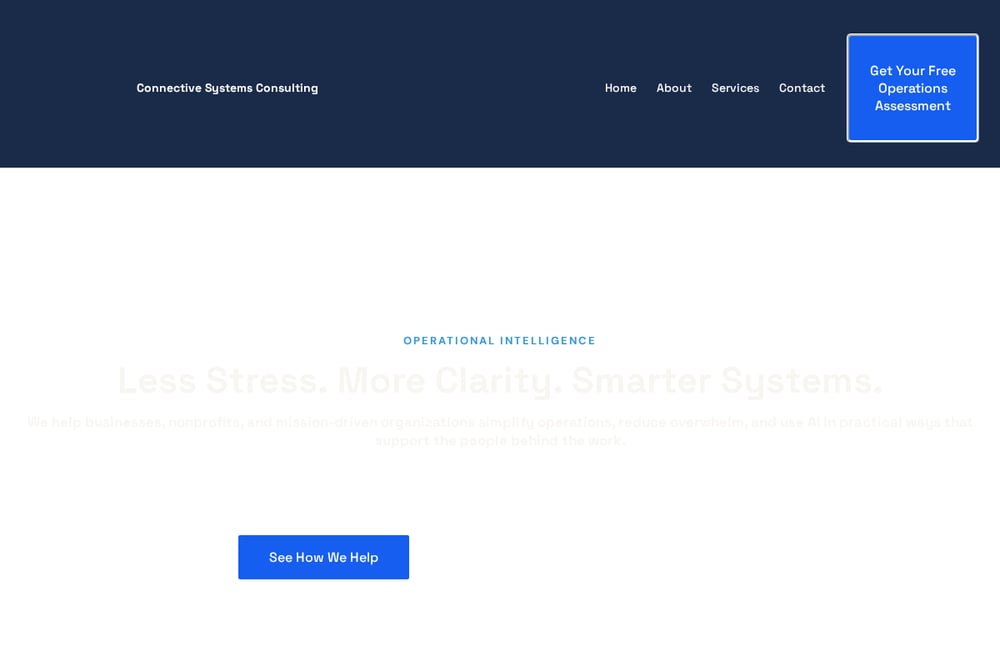 A screenshot of the Connective Systems Consulting website.
Connective Systems Consulting is a boutique operational intelligence firm built for small businesses, nonprofits, and mission-driven organizations. Led by Angela, the firm brings over 20 years of enterprise technology and operational experience to engagements that start with people, not tools. Their service ladder moves from a Mission Clarity and Friction Audit to Intelligent Engagement Activation and then to Impact and Growth Intelligence, so you can enter at the level that matches your current pain. The philosophy is explicit: structure before tools, minimum viable intelligence, and measurable outcomes every time. If you want AI made practical without sacrificing the human side of your work, this is the firm to call.
#3 Eagle Hill Consulting
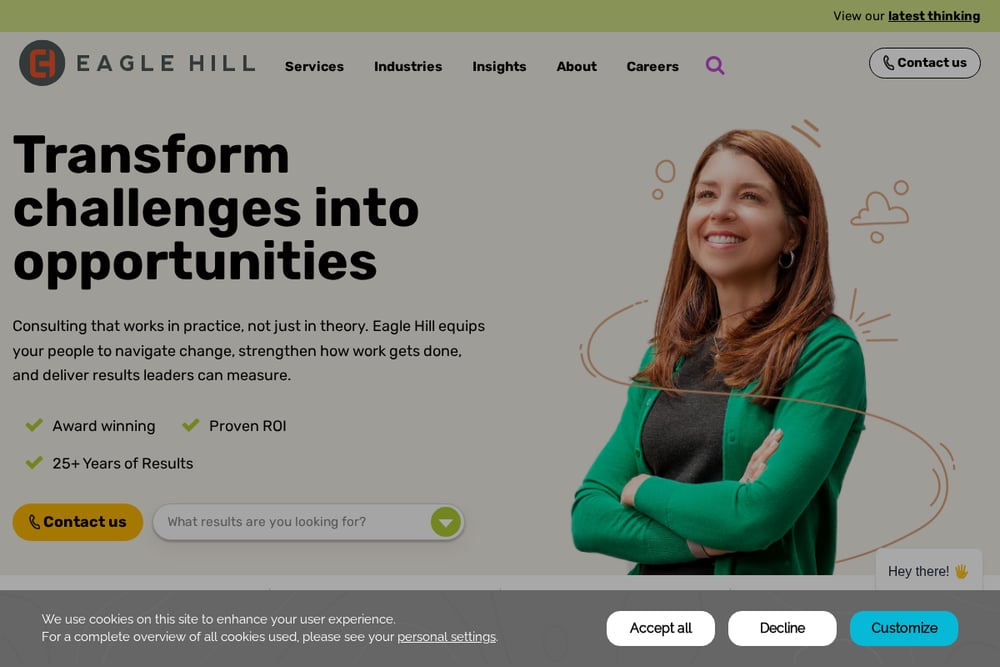 A screenshot of the Eagle Hill Consulting website.
Eagle Hill Consulting brings a business intelligence lens to operational problems, with a focus on turning data into action rather than just insight. Their services span data analytics and visualization, statistical modeling, and data management and strategy. They emphasize governance and structured processes so your team can find, trust, and use data in everyday workflows. The firm reports outcomes like a 100% increase in real-time data availability and 90% accuracy in forecasting future work demand. For organizations that need to professionalize how data moves through the business, Eagle Hill offers a mature, methodical path. Their business intelligence consulting page outlines the full scope.
#4 Kaufman Rossin
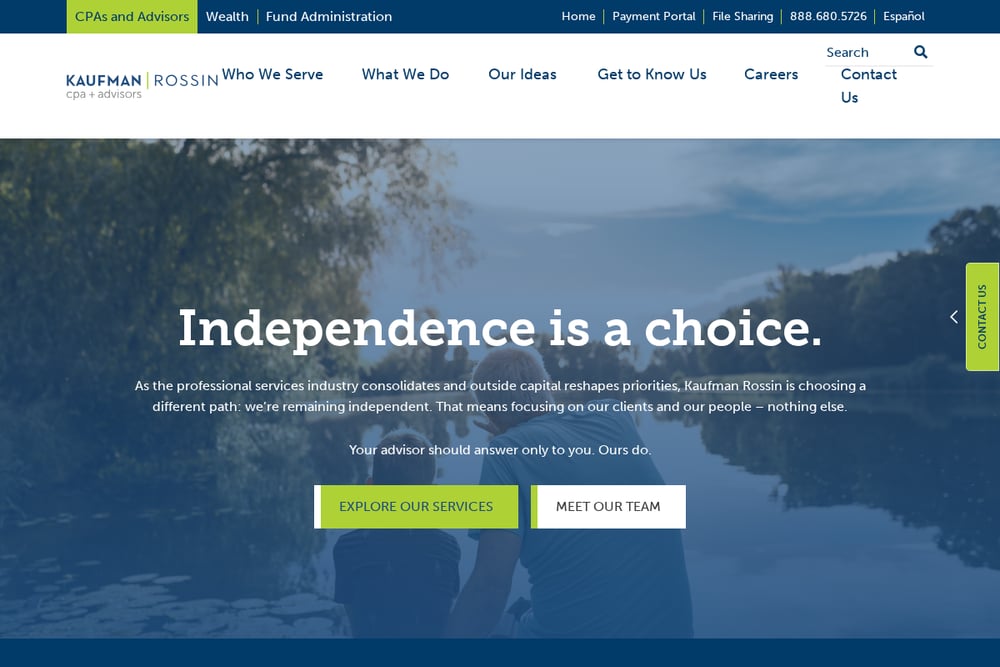 A screenshot of the Kaufman Rossin website.
Kaufman Rossin pairs business intelligence consulting with deep accounting, tax, and advisory expertise, which makes them unusual in this space. Their BI practice sits inside a broader digital transformation offering that includes digital and AI strategy, digital commerce, and business optimization. They serve industries ranging from real estate and healthcare to nonprofits and professional services. If your operational intelligence needs are tangled up with financial reporting, compliance, or valuation questions, having those capabilities under one roof can save you serious coordination time. They are a strong fit for firms that want analytics grounded in financial reality. Their business intelligence consulting services page details the full range.
#5 RSM US
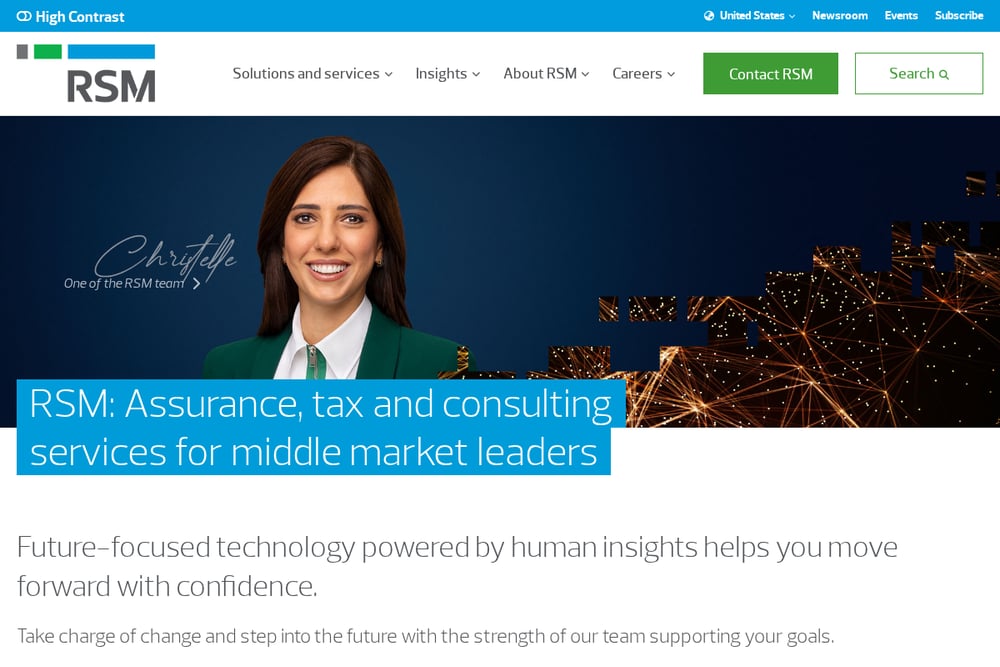 A screenshot of the RSM US website.
RSM US operates at the enterprise end of operational intelligence, with a practice that spans AI, analytics, cloud services, and management consulting. Their enterprise operational intelligence offering is designed for larger organizations that need to connect data across departments and systems. They bring global reach, industry specialization, and a broad services catalog that includes audit, assurance, and managed services. For a small business, RSM may be more firepower than you need. For a growing mid-market company with complex operations and multiple stakeholders, their depth can be exactly right. Their enterprise operational intelligence page is the place to start.
How to Choose the Right Fit
Start with your actual bottleneck. If your problem is messy data and inconsistent reporting, lean toward firms with strong analytics and governance depth. If your problem is that your team is overwhelmed and your processes are held together with duct tape, lean toward firms that start with process mapping and human-centered design. Ask every firm three questions: What does the first 30 days look like? How do you measure success? And who on your team will actually do the work? Boutique firms often give you senior attention from day one. Larger firms bring broader capabilities but may assign junior staff to your engagement. Match the firm to your stage, not to someone else's idea of prestige. And always ask for a sample deliverable before you commit.
Where AI Actually Fits
AI works best when it sits on top of a clean process. If your intake is chaotic, your CRM is a graveyard, and your team communicates across five channels, AI will just accelerate the confusion. The firms on this list generally agree on the sequence: map the workflow, remove the friction, define the metrics, then automate. Connective Systems Consulting frames this as structure before tools and minimum viable intelligence. ScaleTime frames it as doing the discipline work first, then letting AI multiply it. Eagle Hill frames it as governance before analytics. Wherever you start, pick one repetitive, high-friction task and automate that first. Measure the time saved. Then expand. That is how you build trust in AI without betting the business on it.
The Bottom Line
Operational intelligence is not about buying more software. It is about seeing your business clearly enough to know what to fix first. The five firms here approach that work differently, and that is a good thing. ScaleTime gives scaling SMBs a structured operating system. Connective Systems Consulting gives small businesses and nonprofits a human-centered path from audit to activation to intelligence. Eagle Hill brings analytics and governance maturity. Kaufman Rossin connects BI to financial reality. RSM US delivers enterprise-scale depth. Pick the one that matches your stage, your budget, and your tolerance for change. Then start with the smallest engagement that produces a measurable outcome. Clarity first. Tools second. That order matters more than any vendor you choose.