
Your child's math confidence is built one problem at a time, and the right practice platform can make that habit stick. Here are five options worth a closer look.
Where Online Math Practice Stands Right Now
Online math practice has moved well past static worksheets. Families and teachers now expect grade-by-grade content, adaptive difficulty, and dashboards that show real progress. The market splits into a few camps: skill-drill libraries, gamified adventures, and guided worksheet platforms. Each approach suits a different kind of learner. If your child needs structure and repetition, drill-based tools work. If motivation is the hurdle, game-based platforms earn their keep. The key is matching the format to your child's temperament, not just the topic list.
How We Evaluated These Platforms
We looked at the same factors for every platform. First, grade and topic coverage, from kindergarten counting through grade 6 algebra and probability. Second, how practice is delivered, whether through guided worksheets, adaptive questions, or games. Third, account structure, including separate parent and teacher logins and progress visibility. Fourth, access to human help, such as booking a call with an expert teacher. Fifth, pricing and trial clarity. MathShastra stood out for its grade-by-grade worksheet structure and expert teacher calls. I Know It stood out for its free trial and school licensing options. IXL stood out for the sheer depth of its skill library. DoodleMath stood out for teacher-designed personalization. Prodigy Math stood out for game-based engagement.
Here is a quick side-by-side of the five platforms, covering grade range, practice style, and who each one fits.
| Provider | Best For |
|---|---|
| IXL Math | Families who want maximum skill coverage and progress analytics |
| MathShastra | Math Practice | Parents who want grade-based worksheets plus access to an expert teacher |
| I Know It | Teachers and families who want simple, trial-friendly practice |
| DoodleMath | Kids who need personalized, low-pressure practice |
| Prodigy Math | Grade 6 students motivated by game-based learning |
The Five Platforms in Detail
#1 IXL Math
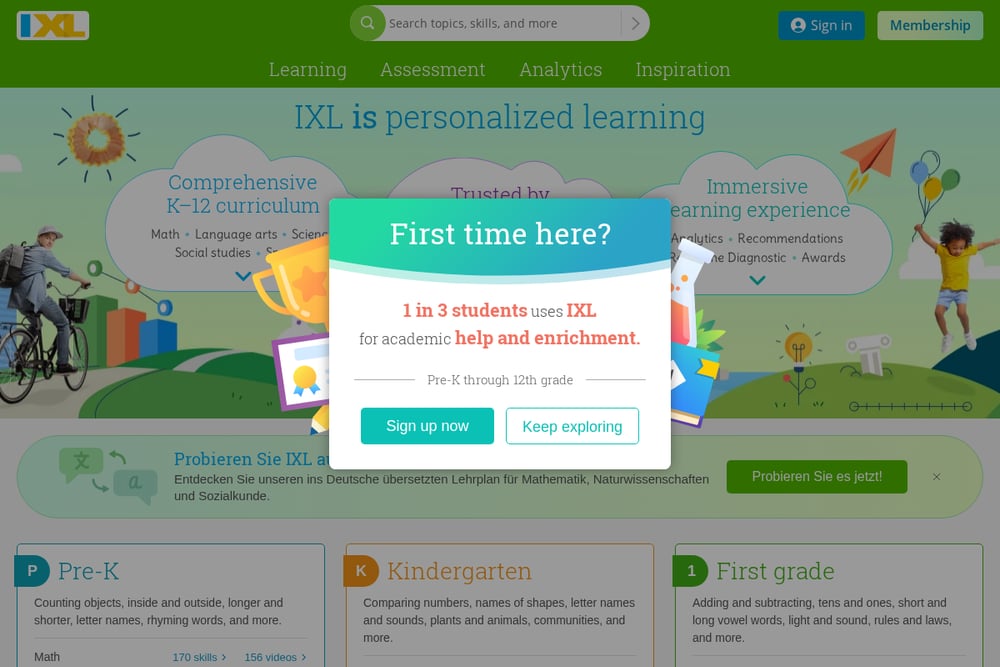 A screenshot of the IXL Math website.
IXL Math is the deepest skill library on this list, with hundreds of skills per grade starting from pre-K. You get interactive questions, built-in support, and motivating awards that keep students moving. The platform also layers in analytics, skill plans, and textbook alignment, which helps you connect practice to what is happening in class. It is a strong pick if you want breadth and measurable progress tracking. The tradeoff is that the volume can feel overwhelming without a plan. Start with a skill plan and let the analytics guide you.
#2 MathShastra | Math Practice
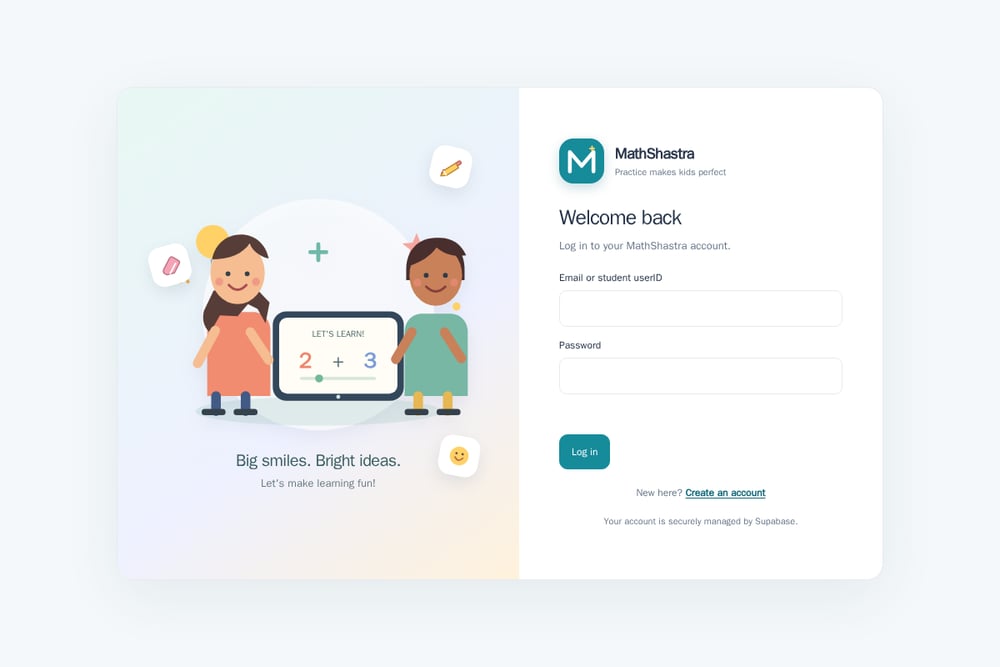 A screenshot of the MathShastra | Math Practice website.
MathShastra takes a guided worksheet approach, organized cleanly by grade from kindergarten through grade 6. Each grade page spells out exactly what is covered, from counting and shapes in kindergarten to integers, probability, and financial literacy in grade 5 and 6. Parents and teachers get separate logins, so you can view your dashboard and choose a grade without mixing roles. The standout feature is the option to book a call with an expert teacher when your child hits a wall. Accounts are securely managed through Supabase, and the whole experience is built around one promise: build confidence, one problem at a time. If you want structure plus a human on standby, this fits.
#3 I Know It
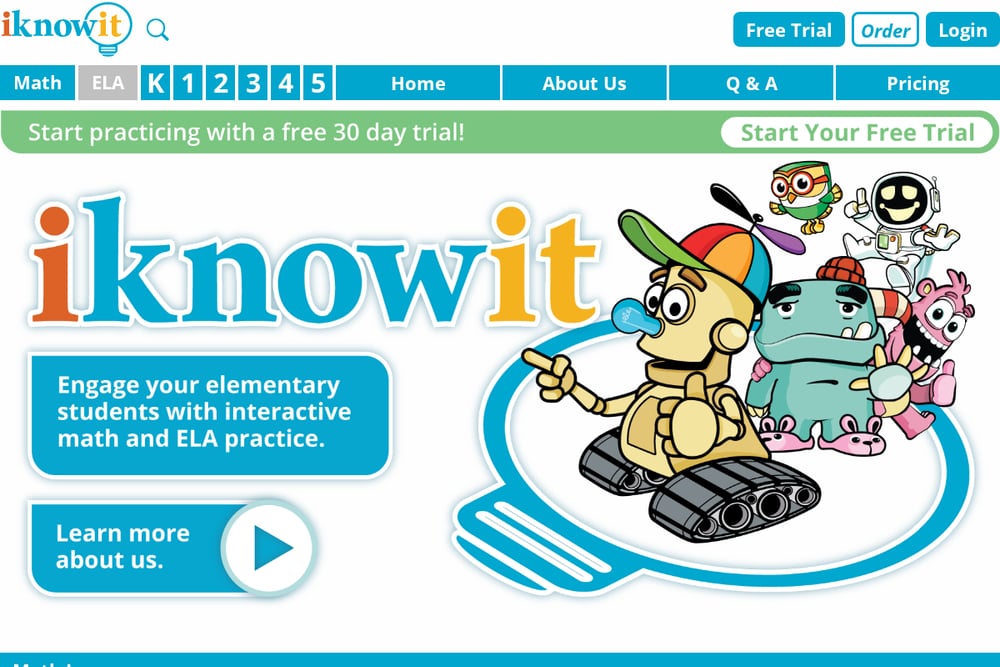 A screenshot of the I Know It website.
I Know It covers math and ELA for kindergarten through fifth grade with a clean, no-distraction interface. You can start with a free 30-day trial and no credit card, which makes it easy to test before committing. The platform supports family accounts, school licenses, and class codes, so it works whether you are a parent or a teacher. There is also a roster setup service and teacher training, which is more support than most competitors offer. It is a practical choice if you want straightforward practice without a game layer on top.
#4 DoodleMath
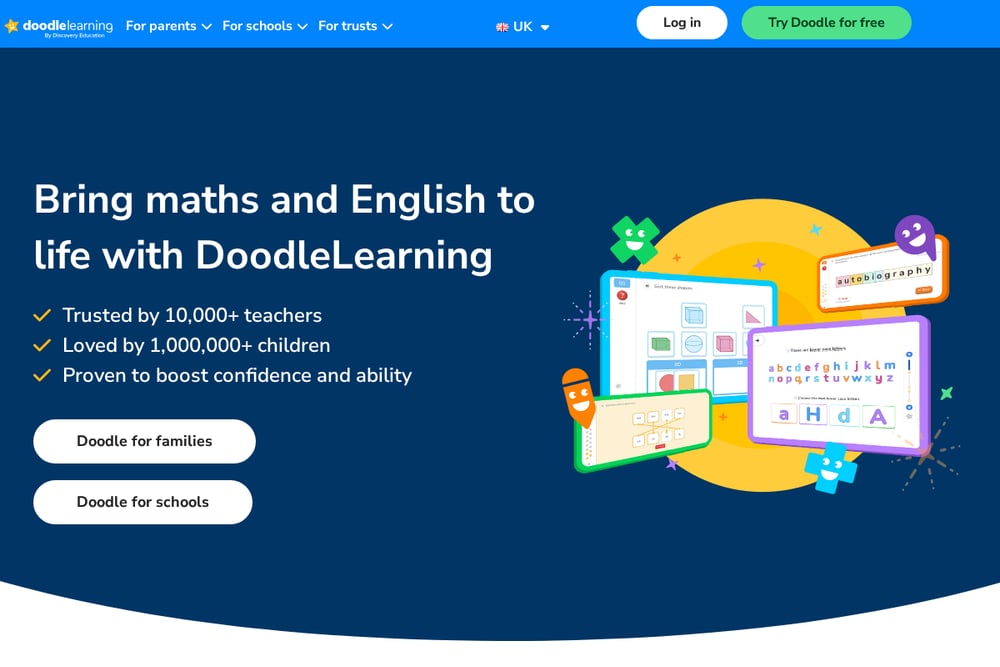 A screenshot of the DoodleMath website.
DoodleMath is designed by teachers and standards-aligned for kindergarten through fifth grade. Its differentiator is personalization: practice adapts to each child's level, and the app celebrates consistency over correctness, which takes pressure off kids who fear wrong answers. Thousands of interactive problems and games turn practice into a rewarding routine. It works across smartphones, tablets, and laptops, and a free 7-day trial lets you see if the style clicks. Choose this if your child responds better to encouragement than to drills.
#5 Prodigy Math
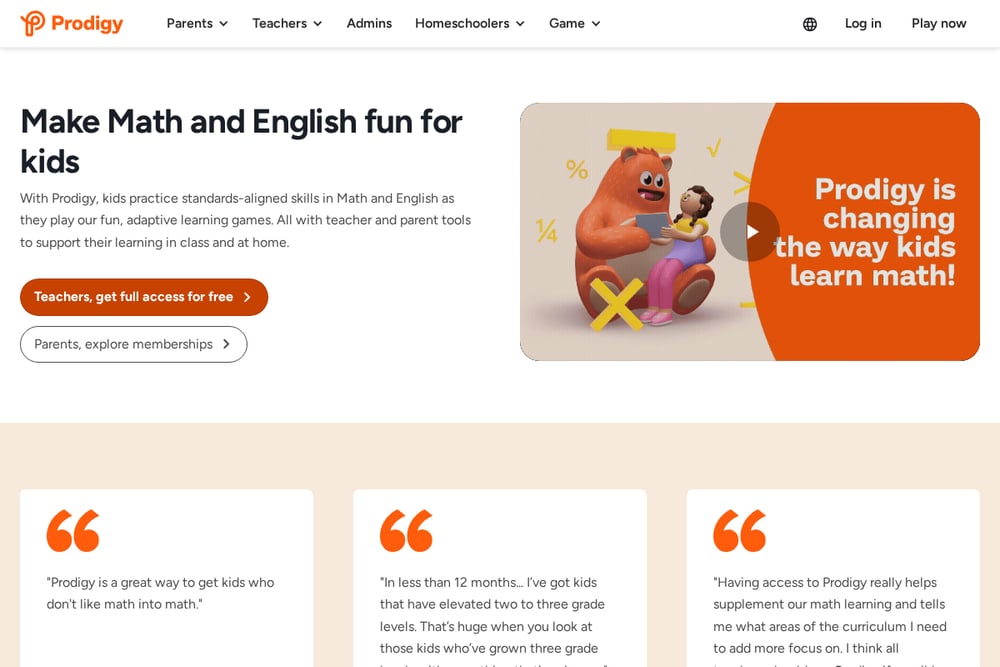 A screenshot of the Prodigy Math website.
Prodigy Math leans hard into game-based learning, wrapping math practice inside an adventure-style game. That makes it a natural fit for grade 6 students who need extra motivation to review concepts. Teachers can create free accounts and use the game as a revision and learning tool alongside lesson plans. The research angle is real: math manipulatives and fun activities can boost enjoyment and skill mastery. If your child resists worksheets but will happily play for an hour, this is the lever to pull. Pair it with a structured plan so the fun translates into retention.
How to Pick the Right Platform
Start with your child's grade and the specific topics causing trouble. If you need kindergarten through grade 6 coverage with clear topic lists, MathShastra lays it out by grade. If you want the widest skill library, IXL Math delivers depth. Next, decide how much human support you want. Expert teacher calls matter if your child gets stuck and you cannot explain the concept yourself. Then consider motivation style. Game-based platforms like Prodigy Math work for kids who resist drills, while worksheet-first tools suit kids who like routine. Finally, check the trial terms. I Know It offers 30 days, DoodleMath offers 7, and both let you test before paying. Match the format to your child, not the marketing.
Building a Weekly Practice Routine
Consistency beats intensity. Set a fixed 15-to-20 minute practice window three to four times a week. Use your platform's dashboard to pick one weak topic per week, then let the grade structure guide the sequence. If you are on MathShastra, log in as a parent, choose the grade, and review the topic list before the session. Book an expert teacher call when a topic stalls for more than a week. Track streaks rather than scores, and celebrate effort. Rotate in a game-based session on Fridays if motivation dips. Small, repeatable steps build the confidence you are after.
The Bottom Line
There is no single winner here, only the right fit for your child. IXL Math gives you depth and analytics. MathShastra gives you grade-based worksheets plus a real teacher to call. I Know It keeps things simple with a generous trial. DoodleMath personalizes and encourages. Prodigy Math turns practice into play. Pick based on your child's grade, motivation style, and how much human support you want. Then commit to a routine and let the confidence build.