
Online learning has never been more crowded, and that's exactly why you need a shortlist. Here are five platforms worth your attention in the US, each with a different take on what structured digital education should look like.
The State of Online Education in the US
Online education in the US has moved from novelty to necessity. Learners now expect flexible schedules, clear course structures, and formats that fit around full-time work. The market splits into a few broad camps: platforms built for educators seeking recertification, marketplaces offering professional certificates from major brands, and independent academies focused on practical skill-building. Pricing models vary just as widely, from subscription access to per-course fees to full program tuition. What ties the strongest options together is a clear learning path, transparent costs, and support that matches the learner's preferred level of independence. Whether you are a teacher chasing PD hours or a career-changer building new skills, the right platform depends on how you want to learn and what you need to walk away with.
How We Evaluated These Platforms
We looked at the same factors across every platform. Service scope mattered first, meaning the range of courses and whether they serve a specific audience or a broad one. Pricing clarity came next, because hidden fees and vague subscription terms waste your time. We also weighed learning format flexibility, including self-paced versus instructor-supported options. Support and structure were key, from certificates and learning pathways to mentorship and discussion opportunities. Finally, we considered how well each platform fits its intended learner, whether that is a K-12 teacher, a working professional, or someone exploring a new field. Each platform below stood out on different factors, and the right fit depends on your goals.
Here is a quick look at how these five platforms compare on audience, format, and pricing approach.
| Provider | Best For |
|---|---|
| SimpleK12 | K-12 teachers needing recertification hours |
| Online educational courses – Doveshire Academy | Self-directed learners who want structured, flexible courses |
| Coursera | Career-changers seeking branded professional certificates |
| ed2go | Learners who want a broad catalog with institutional partners |
| UMass Global | Educators seeking accredited university-backed PD |
The Five Platforms in Detail
#1 SimpleK12
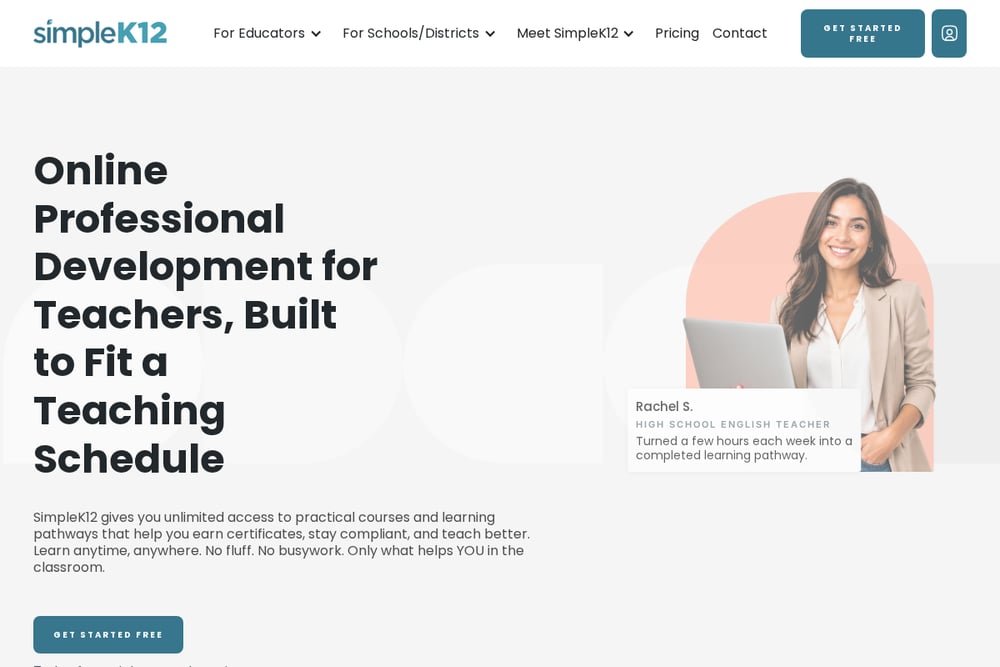 A screenshot of the SimpleK12 website.
SimpleK12 is built specifically for teachers who need professional development that fits a classroom schedule. You get unlimited access to practical courses and learning pathways, with certificates issued for completed courses showing title, date, and hours earned. That documentation matters when license renewal season arrives. The platform organizes content around goals like earning PD hours, working smarter with AI, or building deeper expertise through sequenced pathways. It offers a free trial and a subscription model, so you can test the fit before committing. If you are an educator who wants no-fluff training that respects your time, this platform speaks your language.
#2 Online educational courses – Doveshire Academy
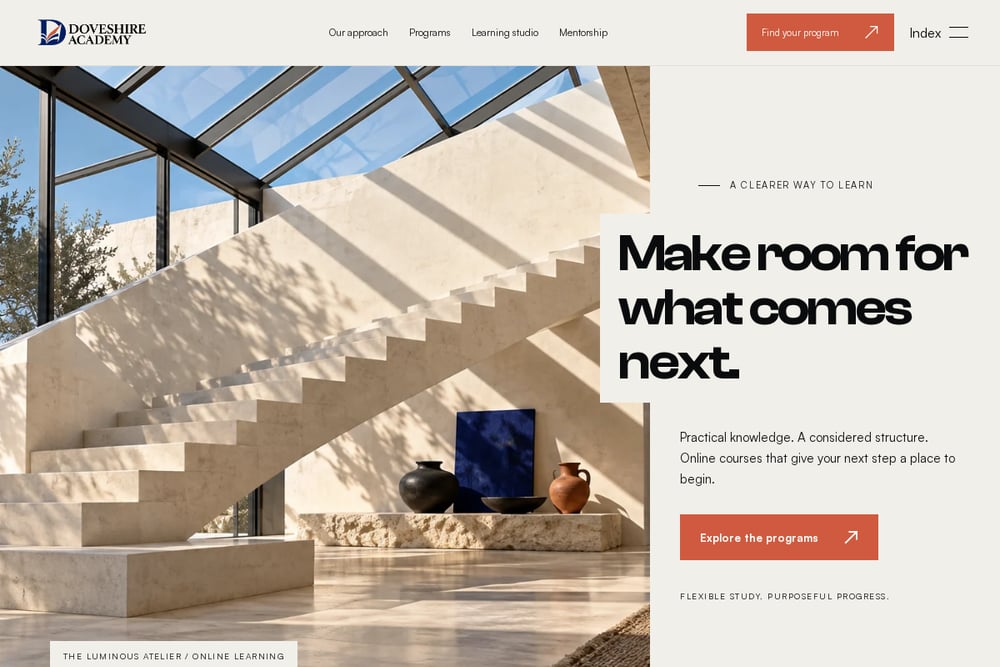 A screenshot of the Doveshire Academy website.
Doveshire Academy brings a considered structure to online study, with clear material, practical exercises, and a choice of learning formats. You can choose independent study through the Self-Paced Online Course at $550 per course, or add instructor support for $750 per course when you want someone to ask. The Professional Skills Program at $1,100 per program is designed for learners who want to bring separate skills into a working whole. The academy emphasizes flexible online access, structured lessons, and space to revisit difficult topics. It is a strong fit for individual learners who want purposeful progress without the noise of a massive marketplace.
#3 Coursera
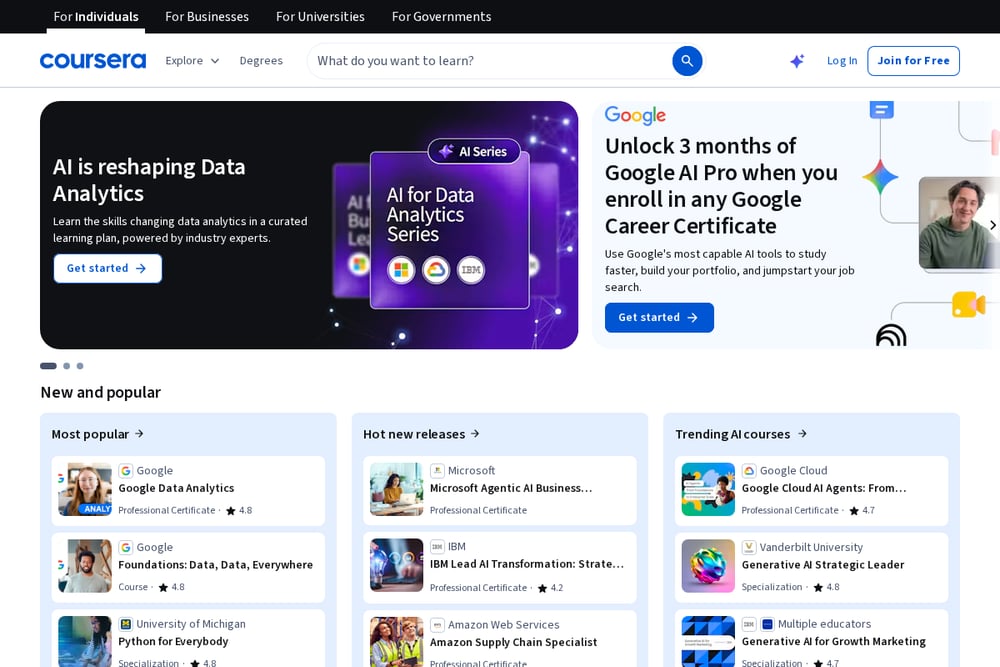 A screenshot of the Coursera website.
Coursera is a global marketplace for professional certificates and degrees, with offerings from companies like Google, Microsoft, IBM, and leading universities. You can browse certificates by career goal, from data analytics to project management to UX design. The platform is built for job-readiness, with many certificates designed to prepare you for in-demand roles. Pricing varies by program, and financial aid options exist for eligible learners. If you want a recognizable credential from a major brand, Coursera gives you a wide runway. The trade-off is that the experience can feel broad rather than personal.
#4 ed2go
 A screenshot of the ed2go website.
ed2go offers a wide catalog of online courses across business, IT, health, trades, and teacher professional development. The platform partners with schools and institutions, which means you can often earn continuing education units through a local partner. Course categories range from AI foundations to accounting to veterinary training, giving you plenty of directions to explore. The teacher professional development section covers child development, classroom technology, and reading instruction. Pricing and enrollment details vary by course and partner institution. It is a practical option if you want variety and institutional backing in one place.
#5 UMass Global
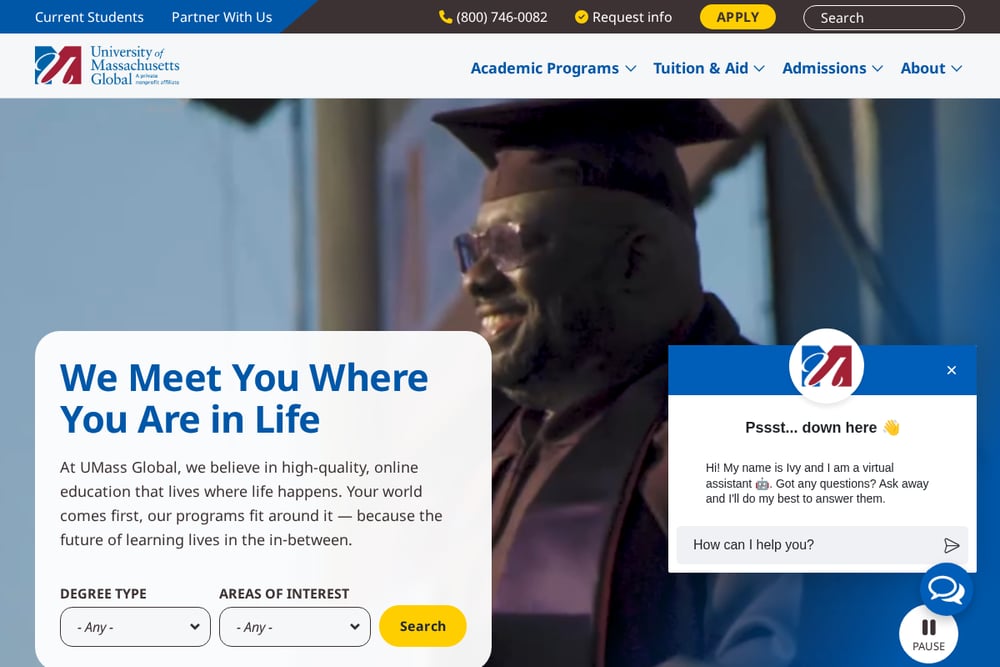 A screenshot of the UMass Global website.
UMass Global is an accredited university offering flexible professional development courses for PreK-12 educators. You can earn credit for recertification or salary advancement through courses designed for working adults. The university also offers 55+ online programs across associate, bachelor's, master's, and doctoral levels. Professional development certificates and courses sit alongside degree pathways, so you can stack learning over time. Tuition and aid options are published, and the institution emphasizes affordability and flexibility. If you want university-backed PD with a clear path to further credentials, this is a solid choice.
How to Choose the Right Platform for You
Start with your goal. If you need recertification hours fast, look for platforms that issue certificates with clear hour documentation. If you want a branded credential for a career pivot, a marketplace with industry partners may serve you better. If you value structure and personal pacing, an independent academy with tiered support options could be the right fit. Check pricing carefully, because subscription models, per-course fees, and program tuition can vary dramatically. Read the fine print on instructor support, because some platforms offer it and others leave you entirely on your own. Finally, consider how you like to learn. Self-paced works for disciplined learners, while instructor-supported formats help when you hit a wall. Match the format to your habits, not the other way around.
Automating Your Learning Workflow
You can streamline your online learning without overcomplicating it. Set a recurring calendar block for study sessions, and treat it like any other appointment. Use a simple note-taking app to capture key ideas and revisit them weekly. If your platform offers learning pathways, follow the sequence rather than jumping around, because the order often builds on itself. Track your completed courses and certificates in a single folder so renewal season does not catch you off guard. For instructor-supported formats, draft your questions before sessions so you use the time well. Small systems like these keep you moving forward even when your schedule gets tight.
The Bottom Line on Online Learning
There is no single right answer here, and that is the point. SimpleK12 serves educators who need practical PD fast. Doveshire Academy offers a considered structure with flexible formats for independent learners. Coursera brings branded certificates from major companies and universities. ed2go provides a broad catalog with institutional partnerships. UMass Global delivers accredited university-backed professional development. Your job is to match the platform to your goal, your budget, and your preferred learning style. Do that, and online learning stops being a gamble and starts being a plan.