You do not need a coach standing on the track to get coached well. You need someone who reads your training honestly and adjusts it before small problems become big ones.
The State of Remote Endurance Coaching
Remote running coaching has matured fast. Athletes now expect hand-written plans, weekly adjustments, and direct access to a real human rather than an app-generated schedule. The strongest services pair exercise science with race experience, and many throw in free pace calculators and strength guidance to earn your trust before you ever pay.
How We Evaluated These Services
We looked at four things: the depth of one-on-one support, how clearly pricing and plan tiers are presented, the coach's credentials and racing background, and how well the training adapts week to week. We also weighed extras like strength programming, gait analysis, and free tools that help you before you commit.
Here is the short version of how these five compare, followed by a closer look at each one.
| Provider | Best For |
|---|---|
| RunFitCoach | Athletes who want elite racing insight and fast replies |
| The Endurance Lab | Data-driven runners who want science and a weekly review |
| Dasher PR | Runners balancing work, family, and travel |
| Running Explained | Runners stuck at the same pace who need a better strategy |
| Run Coach (Lynsey Romano) | Athletes who value frequent communication and holistic support |
The Five Services in Detail
#1 RunFitCoach
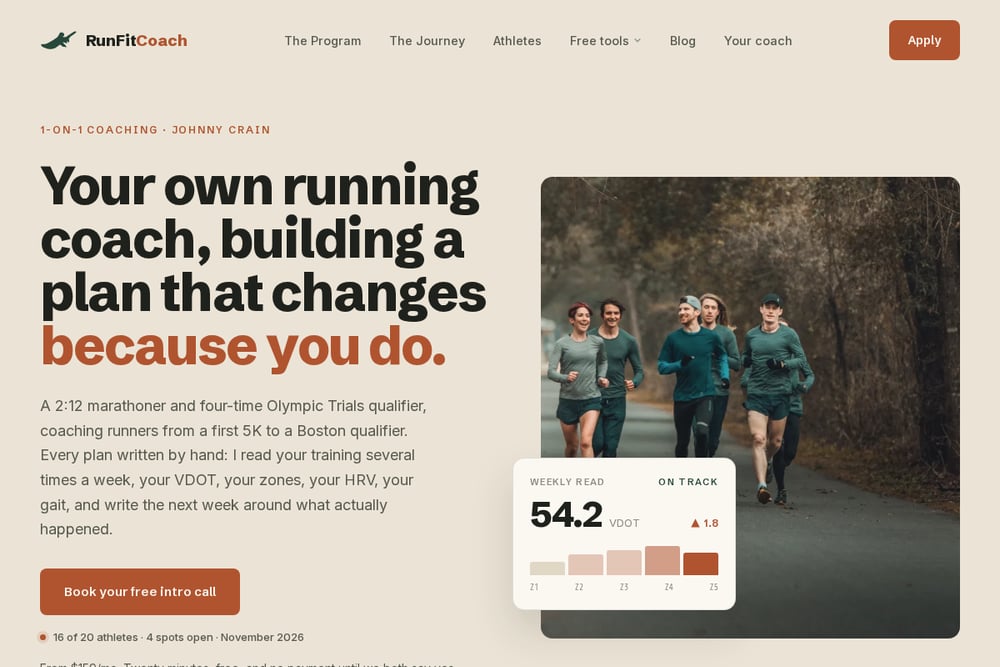 A screenshot of the RunFitCoach website.
Johnny Crain is a 2:12 marathoner and four-time US Olympic Trials qualifier, and he writes your plan by hand and tunes it every Sunday. You get direct text access with same-day replies, VDOT and heart-rate zones set properly, and video gait analysis on the premium tier. Pricing is refreshingly blunt: Core at $159 a month and Premium at $199, with the differences spelled out line by line. If you want a coach who answers a question at 11pm before a workout, this is the model.
#2 The Endurance Lab
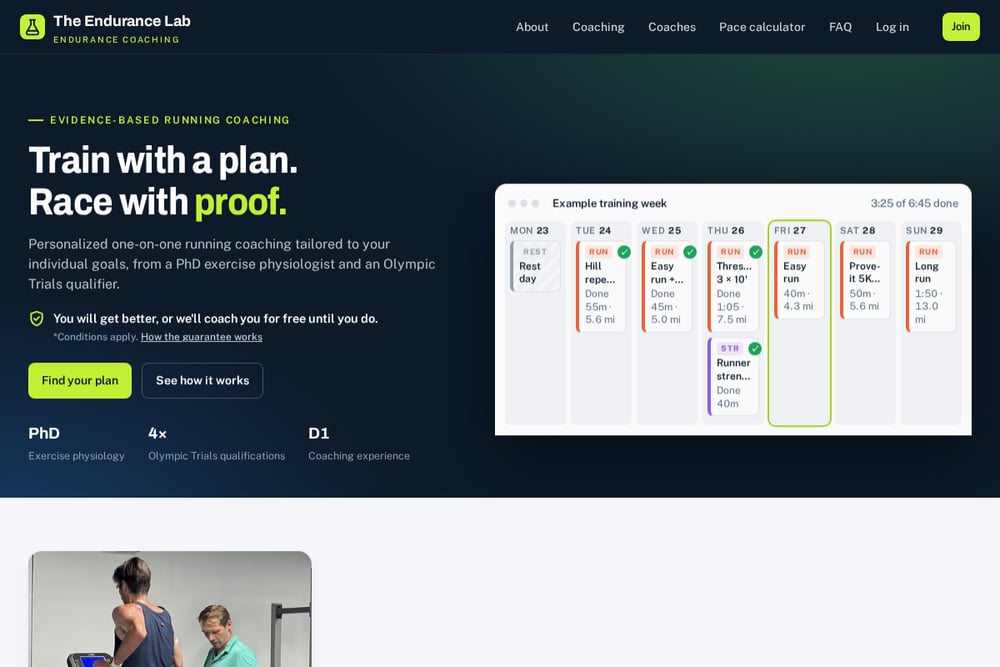 A screenshot of The Endurance Lab website.
Dr. Bill Evans brings a PhD in exercise physiology, Division I coaching experience, and four Olympic Trials qualifications to a service built on evidence. Every athlete gets a plan shaped around goals, schedule, and data, then reviewed and adjusted every week through a shared training calendar. The approach folds in thoughtful progressions, strength training, and injury prevention rather than just mileage. A free pace calculator offers both Daniels and Hansons methods, including equivalent race times and a VO2 estimate. It suits runners who want proof behind the plan, not just enthusiasm.
#3 Dasher PR
 A screenshot of the Dasher PR website.
Dasher PR positions its virtual coaching around long-term performance, consistency, and injury reduction. You work 1:1 with a coach who customizes training around your goals, weekly availability, running background, and recovery capacity. Plans come supported by strength workouts and injury prevention routines, and you can submit bi-weekly form check videos for feedback. Pricing runs $150 to $225 a month, and the process starts with a discovery call. It is a strong fit if you want clear weekly direction instead of guessing mileage and pacing.
#4 Running Explained
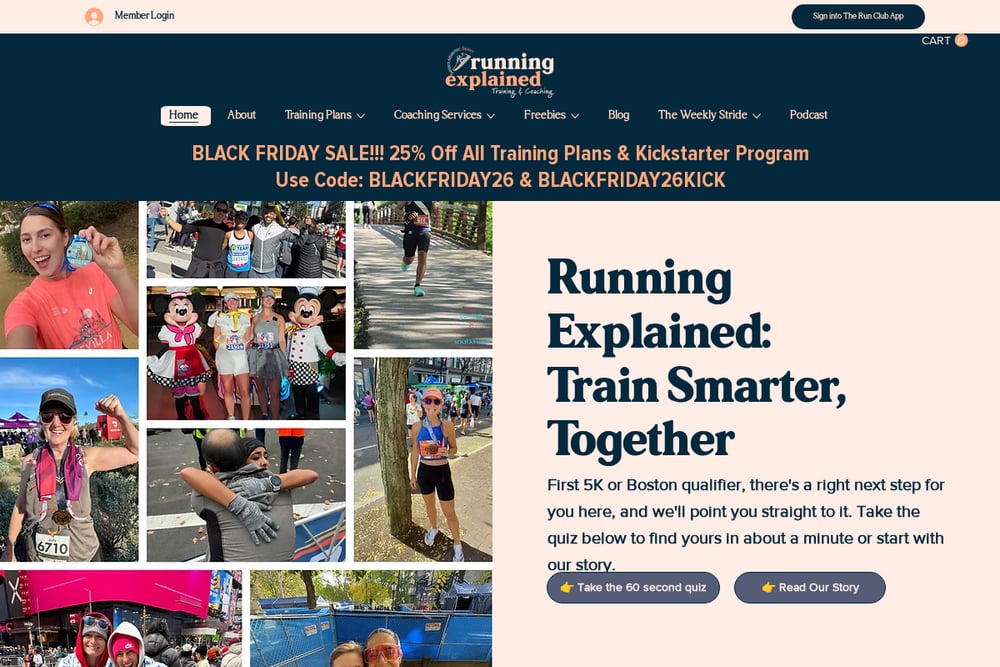 A screenshot of the Running Explained website.
Running Explained pairs you with a dedicated, certified coach who builds a fully personalized, science-based plan around your goals, schedule, and body. Plans are adjusted every week with direct access to your coach along the way. The service coaches runners at every level, from first-time 5K finishers to Boston qualifiers, and the tone is aimed at people who are training hard but not seeing the payoff. Free tools like a pace calculator and pace converter sit alongside the coaching. It is a good entry point if you have been DIY-ing your training and stalling.
#5 Run Coach (Lynsey Romano)
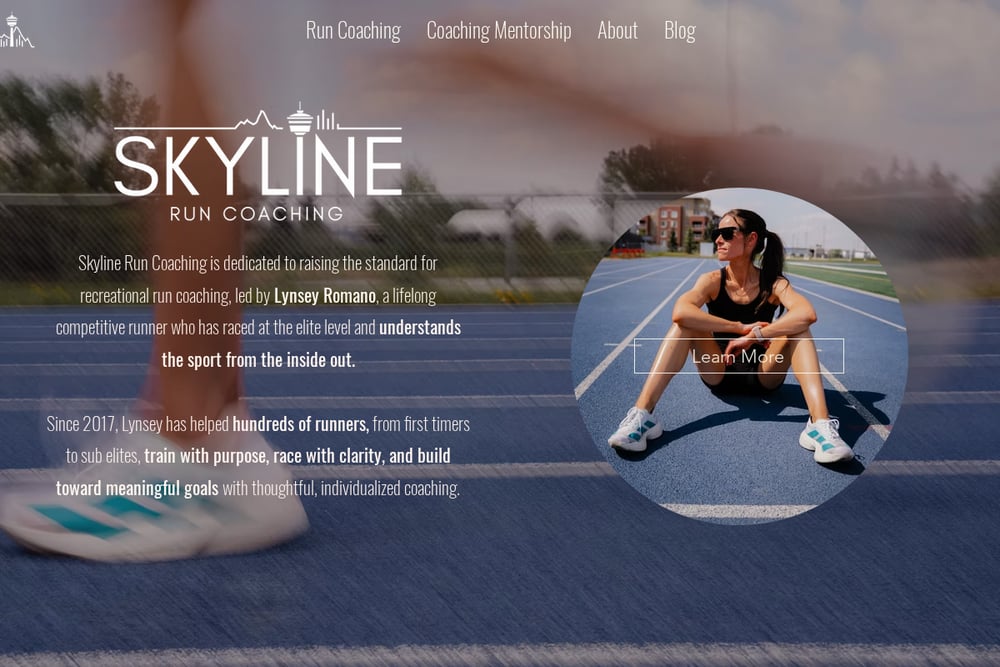 A screenshot of the Run Coach (Lynsey Romano) website.
Coach Lynsey Romano frames 1:1 coaching as a relationship built on communication and trust, not just a training plan. You connect weekly through email check-ins, get workout reviews and adjustments, and hop on a monthly call to talk progress and race strategy. Daily training updates land in the Training Peaks app with detailed workouts plus pre- and post-run routines. Strength work, fueling strategies, and pre-race calls round out the package. If you want a coach who knows you and is invested in the long game, this fits.
How to Pick the Right Coach
Start with your goal. If you are chasing a marathon PR, prioritize a coach with serious racing credentials and race-day pacing plans. If you keep getting injured, look for strength programming and form review baked in. Then check the communication model: weekly email check-ins, text access, or monthly calls all suit different personalities. Finally, confirm the pricing tiers are clear before you sign up, and make sure you can cancel before renewal.
Put Your Training Data to Work
Set up a simple weekly loop. Sync your runs from your watch to your training calendar, then review pace, heart rate, and recovery signals before your check-in. Use a pace calculator to confirm your zones are still accurate after a race. Flag any workout that felt harder than the numbers suggest, and send that note to your coach with your weekly update. Small, consistent feedback beats a heroic data dump every few months.
The Bottom Line
Every service here offers real one-on-one coaching, so the decision comes down to fit. RunFitCoach leads on racing pedigree and responsiveness, while The Endurance Lab stands out for its physiology background and shared training calendar. Dasher PR and Run Coach (Lynsey Romano) shine on communication and holistic support, and Running Explained is a smart first step for runners ready to stop guessing. Pick the coach whose process matches how you actually train.