
You have a story only you can tell. The right writing tool can help you give it a home without getting in your way.
The State of Novel Writing Software
Writers today have more software choices than ever. Some tools focus on drafting, others on plotting, and a few try to do it all. The best fit depends on where you are in your writing journey. If you are starting with a blank page, you need gentle structure. If you are deep in revisions, you need version control and scene tracking. If you are writing a series, you need a place to keep facts straight. The market has matured to serve all these needs. But not every tool is built for every writer. This roundup looks at five options that cover the spectrum from first idea to final chapter.
How We Evaluated These Tools
We looked at five factors. First, service scope: does the tool cover planning, drafting, and revising? Second, pricing clarity: is it easy to understand what you get and what it costs? Third, local fit: does it work well for US-based writers with common workflows? Fourth, ease of use: can you start writing without a steep learning curve? Fifth, unique strengths: what does each tool do that others do not? Book Buddy Workshop stood out for its all-in-one approach with a series bible and ChatGPT sign-in. Scrivener impressed with its long-standing reputation and deep feature set. Plottr shined for visual plotting and plot-hole detection. Dabble appealed with its clean interface and focus on fiction authors. Narrative delivered a distraction-free environment for deep work. Each tool has a distinct personality. Your job is to match it to your writing style.
Here is a quick look at the five tools in this roundup. Each one serves a different kind of writer. Use this table to see which might fit your workflow before you dive into the details.
| Provider | Best For |
|---|---|
| Scrivener | Writers who want a battle-tested, feature-rich drafting environment |
| Book Buddy Workshop · Write your book from first scene to final chapter | Authors who want an all-in-one writing home with a series bible |
| Plottr | Visual thinkers who want to outline and spot plot holes fast |
| Dabble | Fiction authors who want an intuitive, motivating writing tool |
| Narrative | Writers who need a clean, distraction-free environment |
A Closer Look at Each Tool
#1 Scrivener
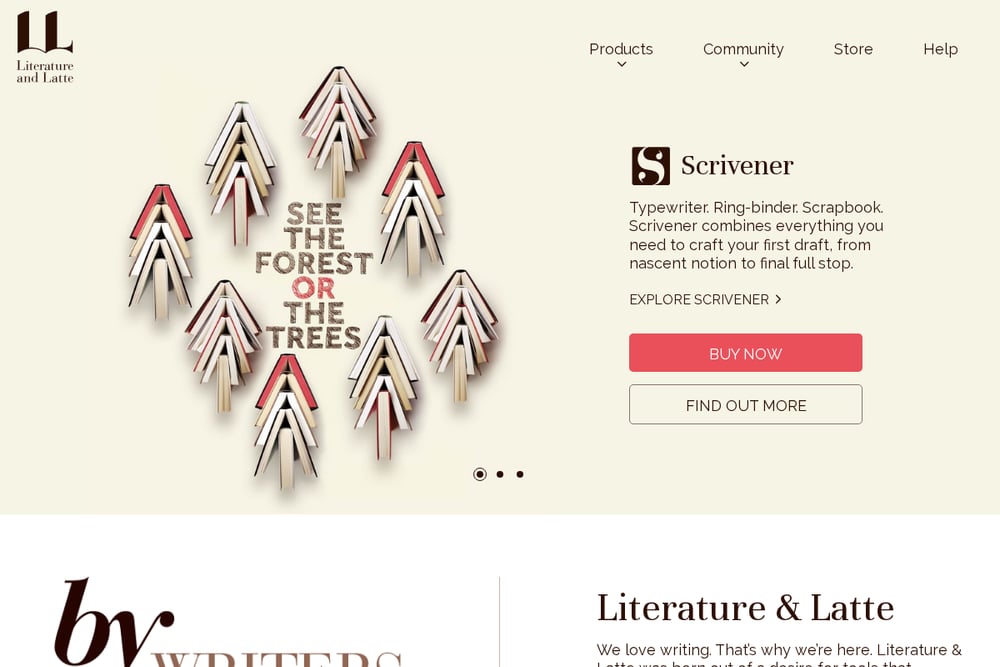 A screenshot of the Scrivener website.
Scrivener has been a go-to for novelists since 2007. It combines a typewriter, ring-binder, and scrapbook into one powerful app. You can compose your manuscript in any order, from small sections to full chapters. It handles research notes, character sketches, and formatting with ease. Many best-selling authors swear by it for long projects. If you want a proven tool with a massive community, Scrivener is a strong contender.
#2 Book Buddy Workshop · Write your book from first scene to final chapter
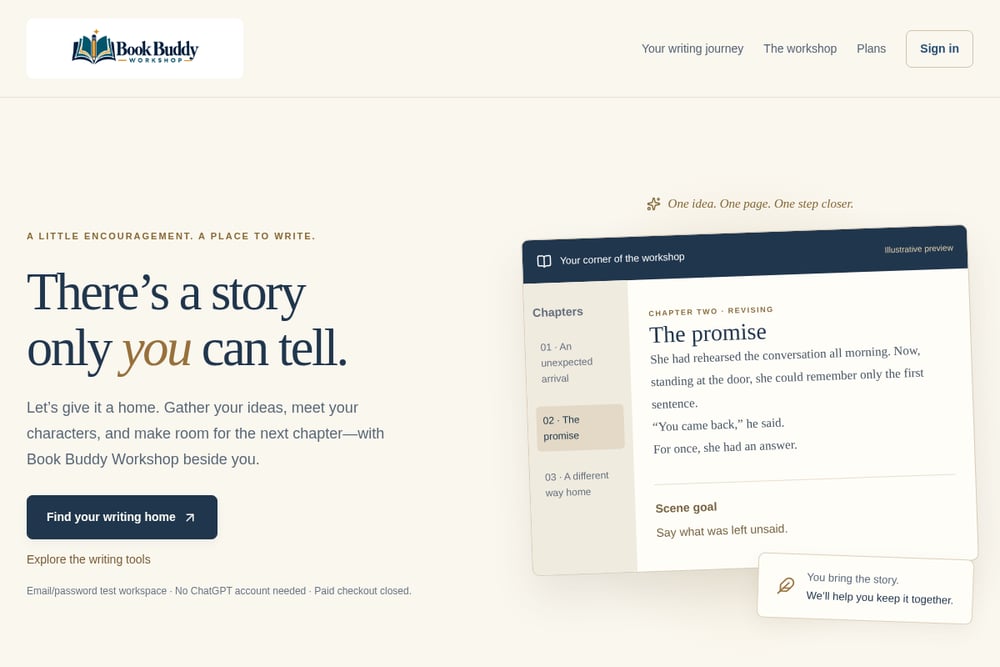 A screenshot of the Book Buddy Workshop website.
Book Buddy Workshop is a writing home for your next chapter. It helps you organize chapters, plan scenes, and keep story facts close. You can start with an idea, a work in progress, or a full manuscript. The platform offers autosave, chapter statuses, focus mode, and earlier draft versions. A shared series bible keeps characters, relationships, locations, and timelines in one place. It is currently in public testing with ChatGPT account sign-in. If you want a supportive space that grows with you, this is worth exploring.
#3 Plottr
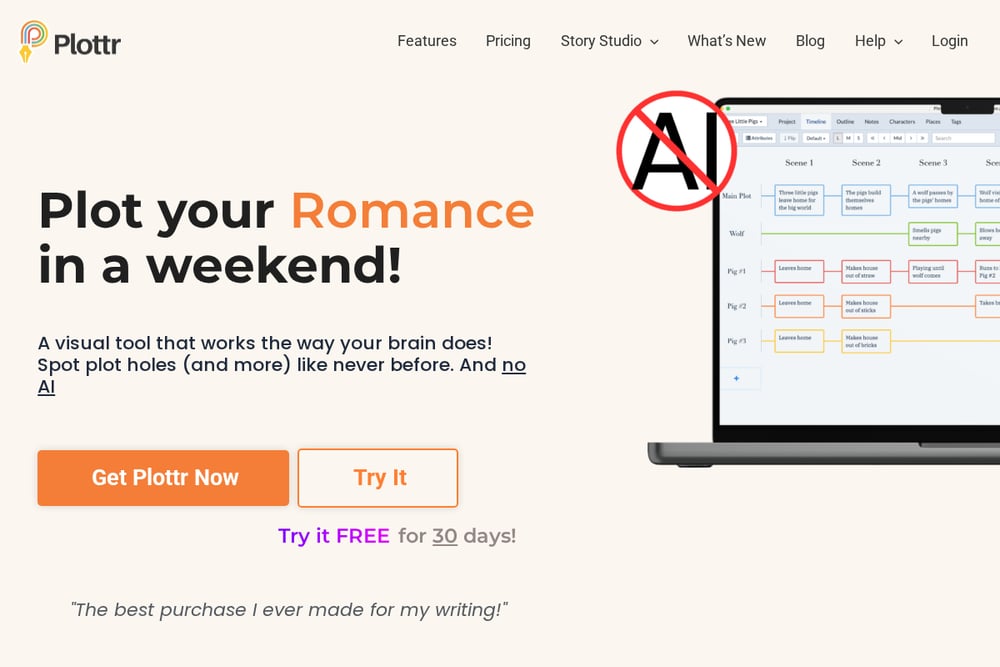 A screenshot of the Plottr website.
Plottr is a visual plotting tool that works the way your brain does. You can drag and drop scenes, chapters, and character arcs to see your story at a glance. It helps you spot plot holes and sagging middles before they become problems. The tool comes with templates for many genres, from romance to sci-fi. It is available for Windows, Mac, and web. If you are a visual planner, Plottr can help you outline your book in a weekend.
#4 Dabble
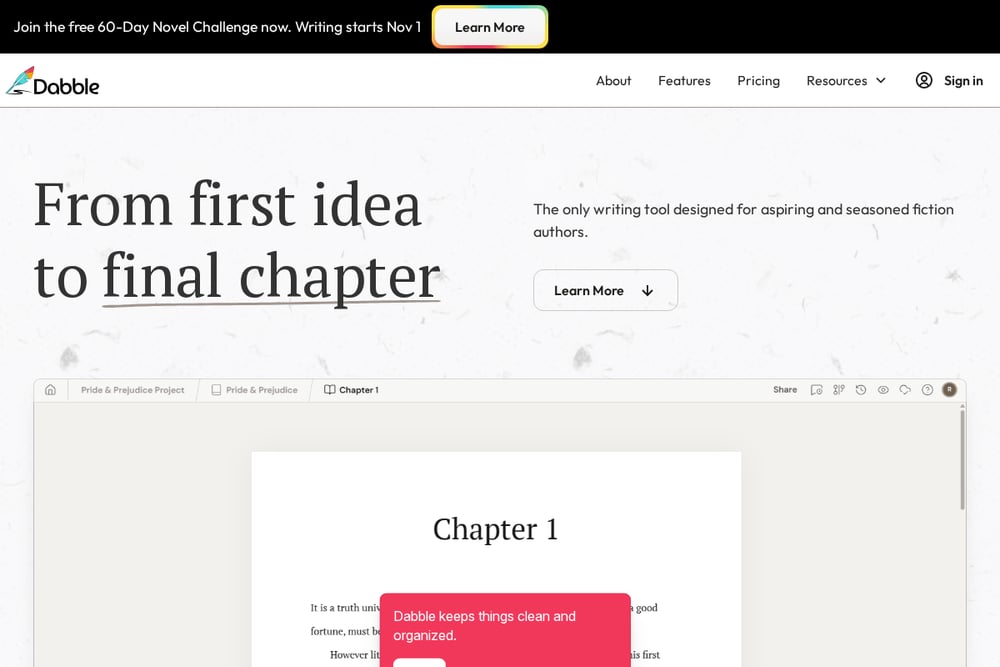 A screenshot of the Dabble website.
Dabble is novel writing software designed for fiction authors. It aims to be easy to use without sacrificing power. You get plot development, character tracking, and a clean writing interface. The tool focuses on helping you hit daily word counts and stay motivated. It also offers a free 60-day novel challenge and a community space. If you want a tool that feels like a creative sanctuary, Dabble is a solid choice.
#5 Narrative
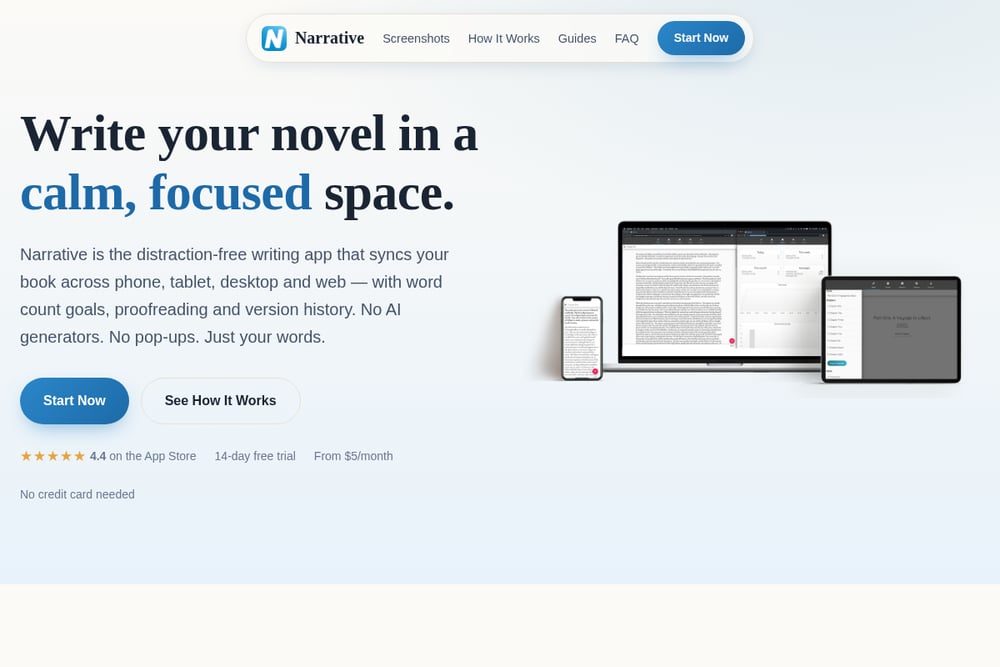 A screenshot of the Narrative website.
Narrative is a distraction-free writing app for novelists. It strips away clutter so you can focus on your words. The interface fades out while you work, leaving only your manuscript. There are no pop-ups, upsells, or engagement features to pull you away. It is built for deep focus and long writing sessions. If you struggle with distractions, Narrative can help you protect your writing time.
How to Choose the Right Tool for You
Start by identifying your biggest challenge. If you lose track of plot threads, a visual tool like Plottr can help. If you need a place to keep series facts straight, look for a series bible feature. If you get distracted easily, a minimalist app like Narrative might be your answer. If you want a proven all-rounder, Scrivener has you covered. If you want a supportive home that grows with you, consider Book Buddy Workshop. Think about your budget and whether you prefer a one-time purchase or a subscription. Also consider whether you write on multiple devices. Most tools offer free trials, so test a few before you commit. The right tool is the one that makes you want to write more.
Automating Your Writing Workflow
You can streamline your writing process with a few simple habits. Use your tool's autosave and version history to avoid losing work. Set up a daily word count goal and track it. Keep your scene cards linked to chapters so you always know what comes next. Use a series bible to record character details as you write, not after. If your tool supports focus mode, use it during drafting sessions. For revision, review suggestions one at a time and keep every change in your hands. These small automations add up to more time writing and less time managing.
The Bottom Line
There is no single perfect writing tool for everyone. Scrivener offers depth and a proven track record. Book Buddy Workshop provides a supportive all-in-one home with a series bible. Plottr excels at visual plotting. Dabble makes fiction writing feel approachable. Narrative keeps distractions at bay. Your best choice depends on your writing style and where you are in your journey. Try a few, see what clicks, and get back to the story only you can tell.