Finding a neurology clinic that treats memory loss with both clinical rigor and genuine compassion can feel overwhelming. You need clarity, not confusion—so here are five standout options to consider.
The Changing Landscape of Cognitive Neurology
Cognitive neurology is evolving fast. With an aging population and rising awareness of Alzheimer's and related dementias, demand for specialized care is surging. You're no longer limited to large hospital systems; private clinics and telehealth services are expanding access. The focus has shifted from reactive treatment to early diagnosis, individualized plans, and preserving independence. Patients and families now expect coordinated, compassionate care that addresses both medical and emotional needs. This roundup highlights five clinics making a difference in this space.
How We Evaluated These Clinics
We looked at service breadth, diagnostic capabilities, patient experience, and accessibility. Each clinic was assessed on its ability to deliver comprehensive cognitive and dementia care, including advanced neurodiagnostics and second opinions. We also considered how clearly they communicate their offerings and how easily patients can access care, whether in person or via telehealth. Pricing transparency and insurance navigation were factored in where information was available. Finally, we weighed the overall patient-centric approach—how well each clinic supports families through complex neurological conditions. The goal is to help you find a clinic that aligns with your specific needs, not to declare a single winner.
Here's a quick comparison of the five clinics, with key details to help you start your search.
| Provider | Best For |
|---|---|
| MIND Neurology - Alzheimer's & Memory Disorders Center | Patients seeking research-driven memory care |
| The Clinics at The Brain Analysis Company | Comprehensive, compassionate neurology with telehealth |
| Weill Cornell Medicine - Memory Disorders and Cognitive Neurology | Access to cutting-edge research and academic expertise |
| ColumbiaDoctors - Aging & Dementia Neurology | Multidisciplinary care in the New York area |
| UPMC - Dementia and Cognitive Disorders Neurology | Integrated care within a large health system |
A Closer Look at Each Clinic
#1 MIND Neurology - Alzheimer's & Memory Disorders Center
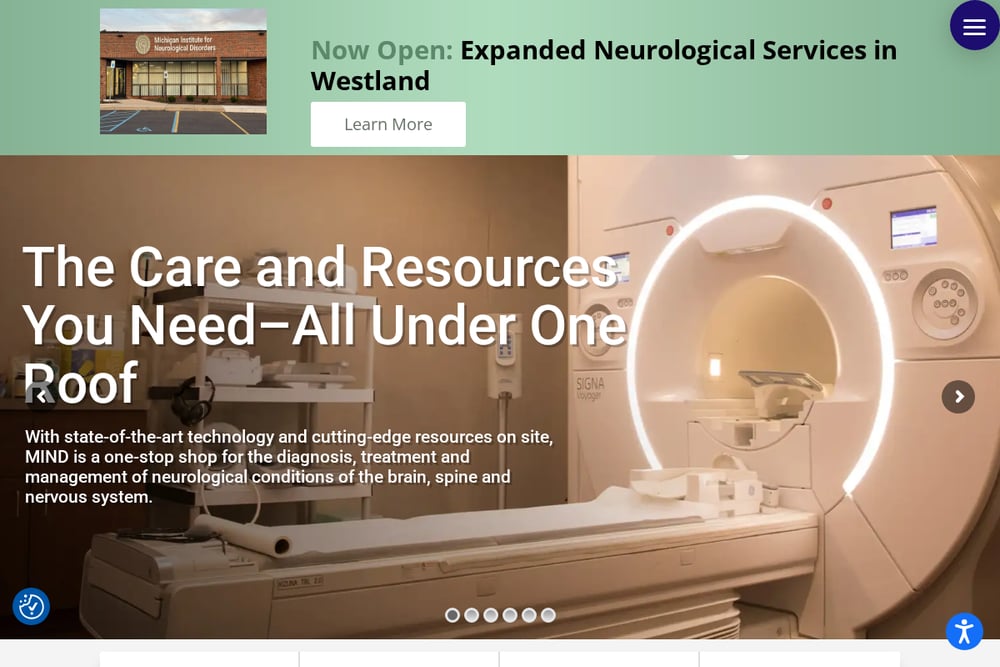 A screenshot of the MIND Neurology - Alzheimer's & Memory Disorders Center website.
MIND Neurology's Alzheimer's & Memory Disorders Center is led by Dr. Jonathan Fellows, DO, FACN, and focuses on helping patients and families manage the challenges of memory loss. They offer cutting-edge clinical research and a multidisciplinary approach to care. The center emphasizes early detection and distinguishing Alzheimer's from other neurological disorders. With a strong educational component, including podcasts and community outreach, they empower families with knowledge. Their website provides clear pathways for appointments and insurance navigation. You can learn more about their memory care services on their site.
#2 The Clinics at The Brain Analysis Company
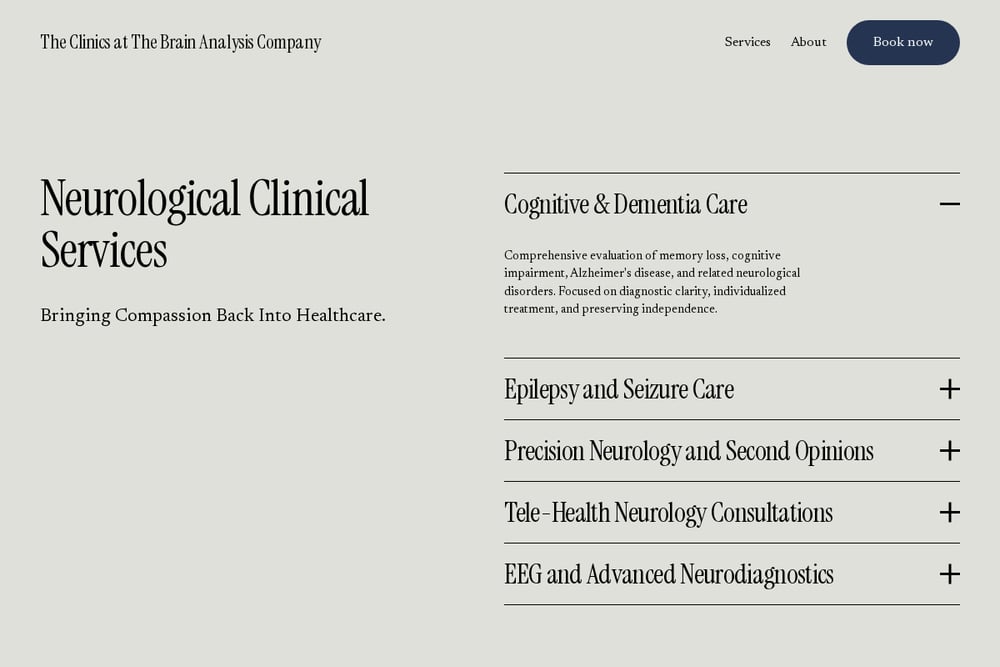 A screenshot of The Clinics at The Brain Analysis Company website.
The Clinics at The Brain Analysis Company brings compassion back into healthcare with a range of specialized neurological services. Their cognitive and dementia care program offers comprehensive evaluation of memory loss, cognitive impairment, and Alzheimer's disease, with a focus on diagnostic clarity and individualized treatment. They also provide epilepsy and seizure care, precision neurology second opinions, and telehealth consultations for convenient access. Advanced EEG and neurodiagnostics are integrated to ensure accurate diagnoses. The clinic's patient-centric approach emphasizes preserving independence and collaborative treatment planning. You can book a consultation directly through their website.
#3 Weill Cornell Medicine - Memory Disorders and Cognitive Neurology
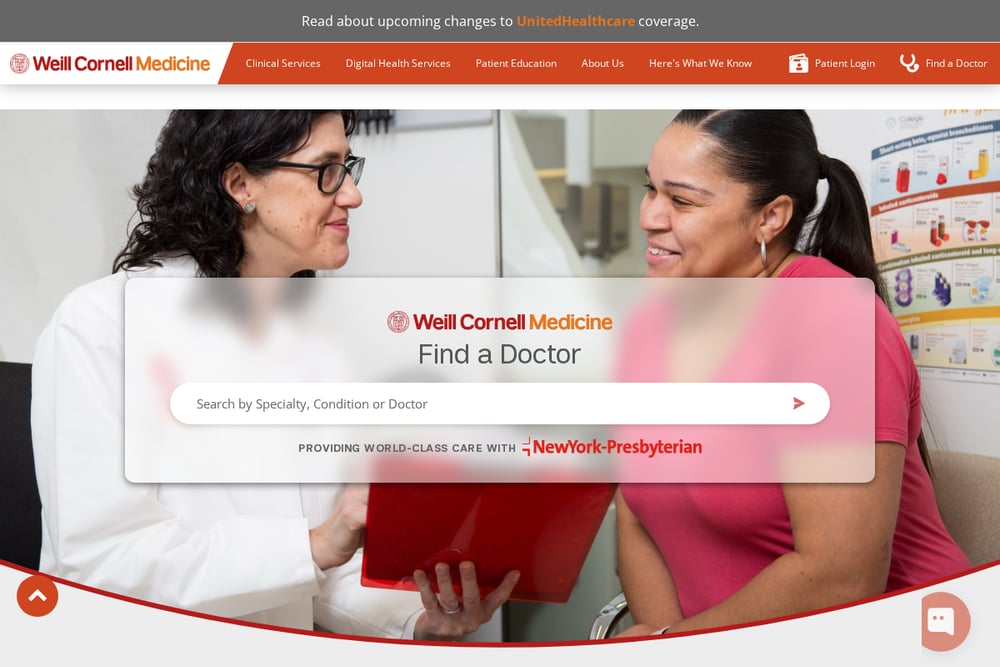 A screenshot of the Weill Cornell Medicine - Memory Disorders and Cognitive Neurology website.
Weill Cornell Medicine's Memory Disorders and Cognitive Neurology program is part of a world-renowned academic medical center. They offer a comprehensive Alzheimer's Prevention Program and a range of specialized services for cognitive disorders. Their team includes leading experts in neurology and psychiatry, providing access to clinical trials and advanced diagnostics. The program emphasizes personalized care plans and family support. As an academic institution, they are at the forefront of research and innovation in memory disorders. Their website offers detailed information on conditions treated and care team profiles.
#4 ColumbiaDoctors - Aging & Dementia Neurology
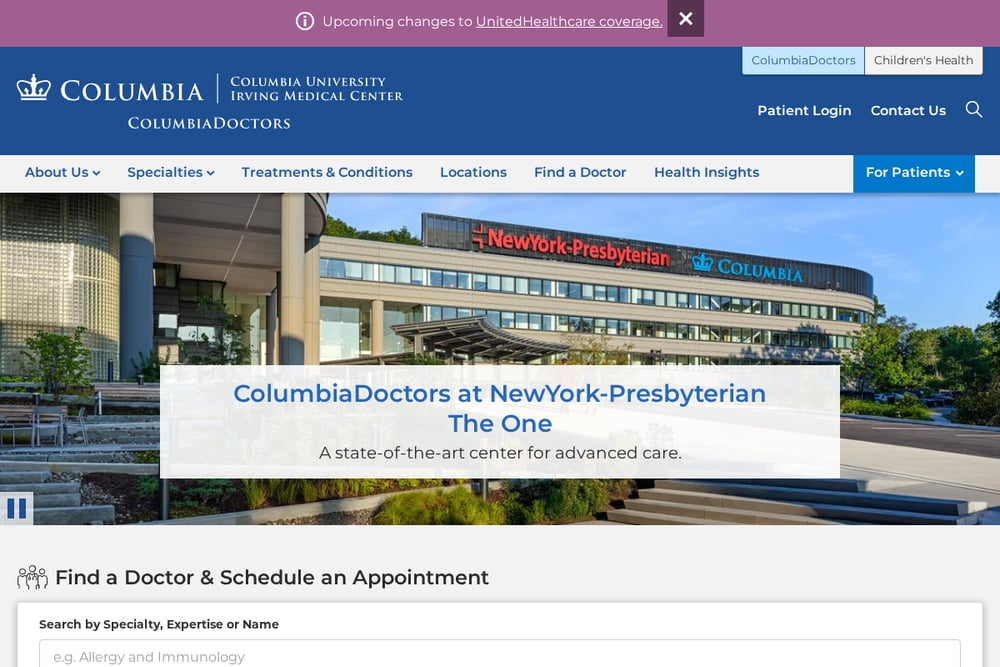 A screenshot of the ColumbiaDoctors - Aging & Dementia Neurology website.
ColumbiaDoctors' Aging & Dementia Neurology service is part of Columbia University Irving Medical Center, offering expert care in New York City and Westchester. They provide comprehensive evaluation and treatment for Alzheimer's disease, dementia, and related conditions. The program includes access to clinical trials and a multidisciplinary team of neurologists, neuropsychologists, and social workers. Their website features a robust health library and patient resources to help you understand your condition. With a focus on both clinical care and research, they deliver high-quality, evidence-based treatment.
#5 UPMC - Dementia and Cognitive Disorders Neurology
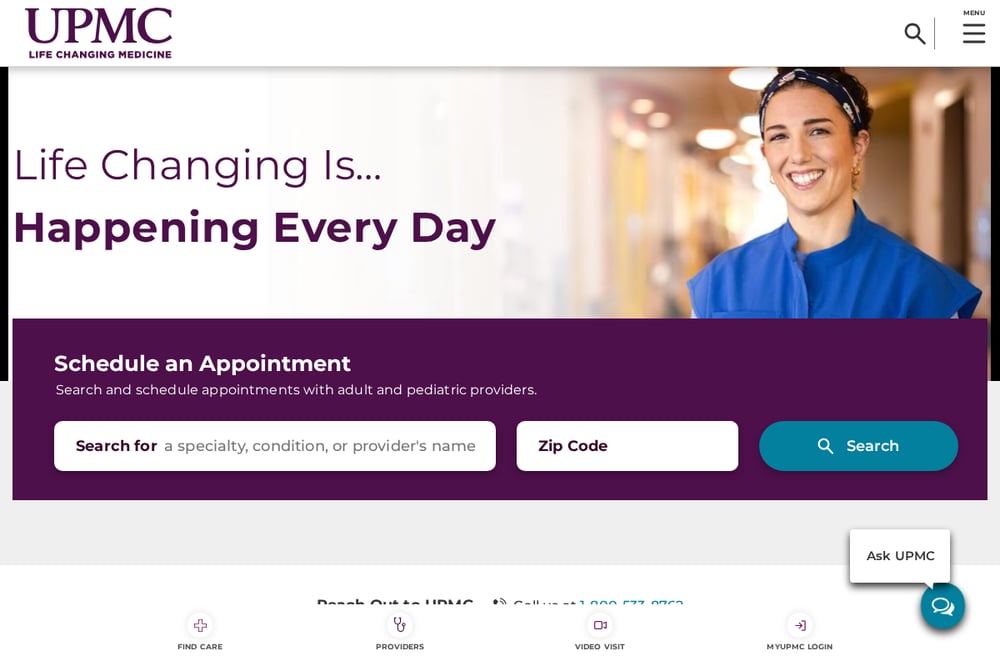 A screenshot of the UPMC - Dementia and Cognitive Disorders Neurology website.
UPMC's Dementia and Cognitive Disorders Neurology program is part of a large integrated health system serving Pennsylvania and beyond. They offer expert evaluation and management of dementia, including Alzheimer's disease and other cognitive disorders. Their services include advanced imaging, neuropsychological testing, and access to clinical trials. UPMC emphasizes coordinated care across specialties, making it easier for patients to navigate the healthcare system. With multiple locations and telemedicine options, they provide convenient access to top-tier neurological care. Their website includes detailed information on services and locations.
How to Choose the Right Neurology Clinic for You
Start by defining your needs. Are you seeking a diagnosis, a second opinion, or ongoing management? Consider the clinic's expertise in your specific condition—whether it's Alzheimer's, epilepsy, or another neurological disorder. Check if they offer telehealth if you have mobility or transportation challenges. Look at their diagnostic capabilities: do they have advanced EEG, imaging, and neuropsychological testing? Evaluate the patient experience: read reviews, ask about wait times, and see if they provide family support services. Finally, confirm insurance coverage and pricing transparency. Don't hesitate to call and ask questions—a good clinic will welcome your inquiries.
Streamlining Your Search with Automation
You can use simple automation to organize your clinic search. Create a spreadsheet to compare clinics across criteria like services, location, insurance accepted, and patient ratings. Set up Google Alerts for news about each clinic or new treatments. Use a calendar reminder to follow up on appointment availability. If you're managing care for a loved one, consider a shared document to track symptoms, medications, and questions for the doctor. These small steps reduce stress and help you stay informed.
Finding the Right Fit for Your Neurological Care
The five clinics highlighted here each bring unique strengths to cognitive and dementia care. MIND Neurology offers research-driven memory care, while The Clinics at The Brain Analysis Company stands out for its compassionate, comprehensive approach with telehealth convenience. Weill Cornell and ColumbiaDoctors provide academic excellence and access to clinical trials, and UPMC delivers integrated care within a large health system. Your choice should align with your specific needs, location, and preferences. Take the time to consult with each clinic, ask questions, and trust your instincts. The right partner can make a world of difference in navigating neurological health.