Natural building is booming as builders and homeowners chase durable, low-carbon homes. These five education providers give you the skills, specs, and confidence to build right.
Why Natural Building Education Matters Now
Natural building materials like straw, clay, lime, and timber are moving from niche to mainstream. Codes are catching up, and clients are asking for healthier, lower-carbon buildings. That shift creates demand for training that blends craft with code compliance. The providers below each tackle that gap differently, from hands-on workshops to independent specification consulting.
How We Evaluated These Providers
We looked at service scope, pricing clarity, local fit, and depth of expertise. Each provider was assessed on the same factors. Natural Building Consulting LLC stood out for its code-approved production focus and annual plasterers retreat. School of Natural Building impressed with its structured training programme and community business model. NaturalBuildingOrg showed strong workshop variety with clear pricing. Down to Earth Design combined design services with hands-on learning. Natural Building brought global project experience and a broad resource library.
Here is a quick comparison of the five providers, their locations, and what they offer.
| Provider | Best For |
|---|---|
| School of Natural Building | Structured UK-based training with a community mission |
| Natural Building Consulting LLC | Code-approved training and independent project specifications |
| NaturalBuildingOrg | Transparent workshop pricing and flexible booking |
| Down to Earth Design | Code-compliant natural home design plus hands-on workshops |
| Natural Building | Global project experience and resource-rich case studies |
The Five Providers in Detail
#1 School of Natural Building
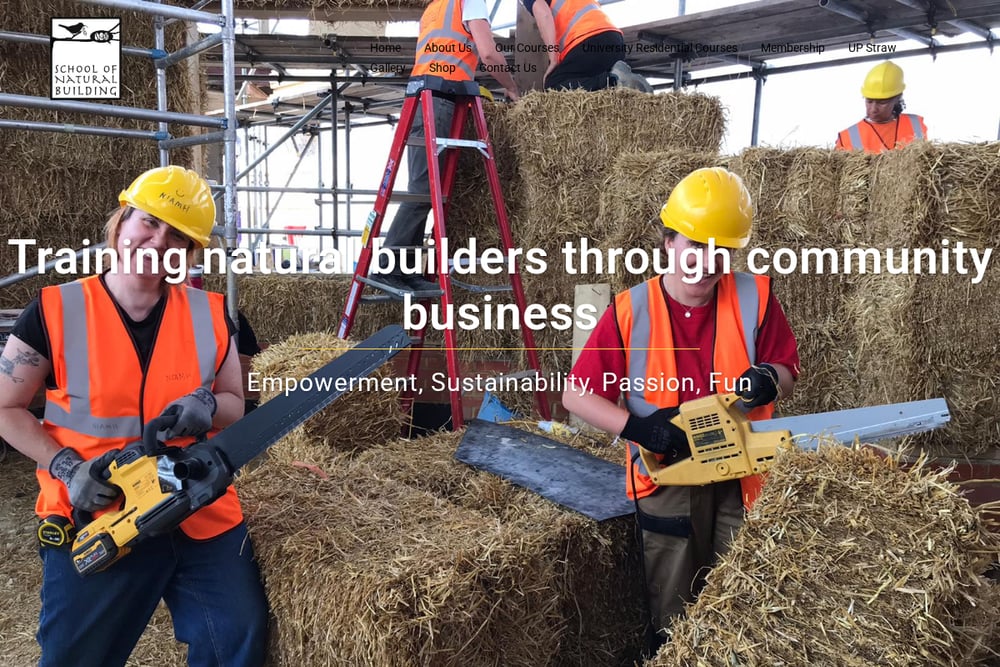 A screenshot of the School of Natural Building website.
The School of Natural Building runs a structured training programme covering theory, practical retrofit, green woodworking, timber framing, and cob building. Based in the UK, it operates as a community benefit society, which means profits feed back into training natural builders. You can host a course with them or join residential university courses. Their free low-impact online course is a low-risk way to start. They also maintain the UK and Ireland Straw Bale Buildings Register, a useful reference for code-conscious builders.
#2 Natural Building Consulting LLC
 A screenshot of the Natural Building Consulting LLC website.
Natural Building Consulting LLC offers professional training in production natural building techniques led by James Henderson, whose code-approved career spans 20 years. You can book workshops on the Olympic Peninsula or at your own location. The firm also provides independent consulting and project specifications for architects, builders, contractors, manufacturers, and property owners. Each February, it organizes the Natural Plasterers Guild Retreat in Port Angeles, a seven-day event drawing plaster artisans from the US and abroad. Their focus on mutually beneficial outcomes makes them a strong fit for teams specifying natural materials in modern construction.
#3 NaturalBuildingOrg
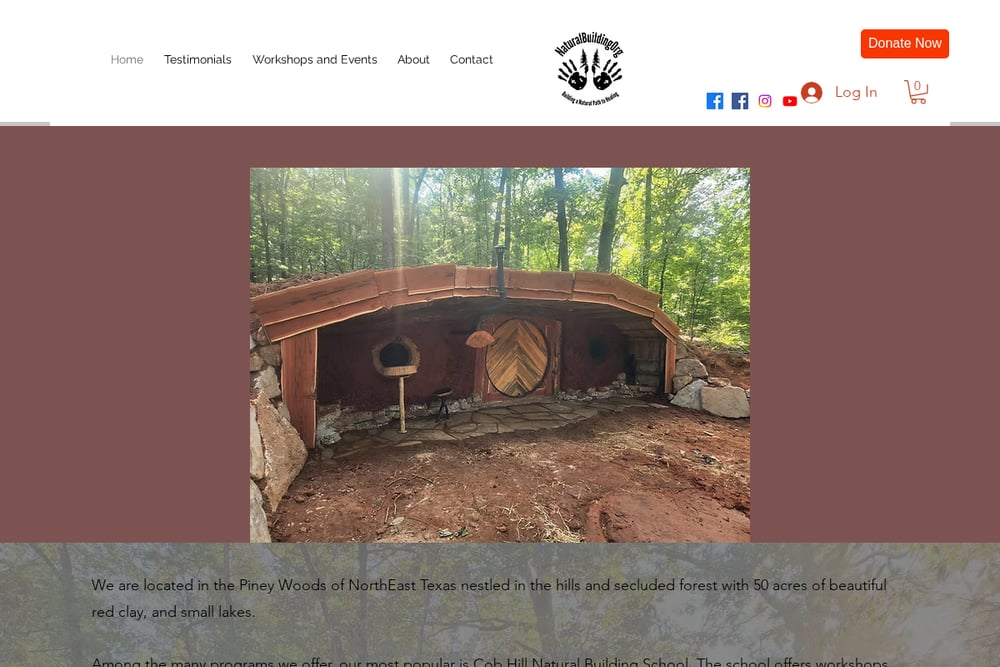 A screenshot of the NaturalBuildingOrg website.
NaturalBuildingOrg lists a clear menu of workshops and events with transparent pricing. You can book a one-hour consultancy with Cat for $50, a Let's Get Plastered session for $225, or an Earthen Floors Workshop for $400. Longer programs include a 21-day Natural Building Certification at Cob Hill for $1,975 and a Natural Building Techniques course for $1,165. Group tours are also available. The straightforward booking system makes it easy to plan your training budget.
#4 Down to Earth Design
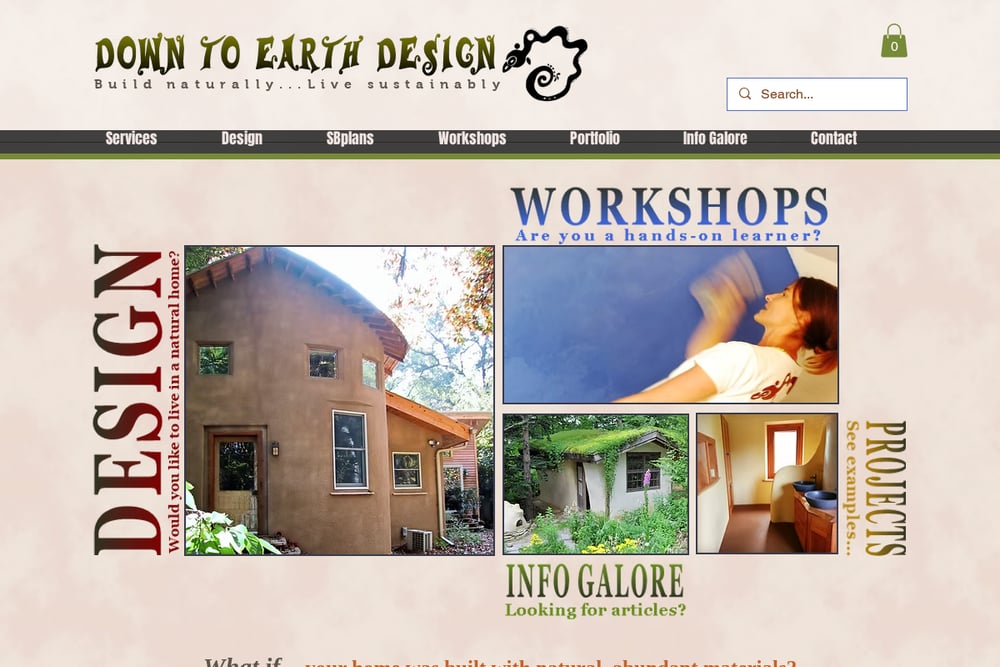 A screenshot of the Down to Earth Design website.
Down to Earth Design focuses exclusively on designing natural buildings that comply with US building codes and perform in wet or humid climates. Principal designer Sigi Koko founded the firm in 1998 and offers custom home design, strawbale house plans, and hands-on workshops. Their 2026 workshop schedule includes Sawdust Tadelakt in May and a Natural Building Bonanza. You get design services and practical learning under one roof. This is a strong option if you want your designer and your trainer to be the same trusted source.
#5 Natural Building
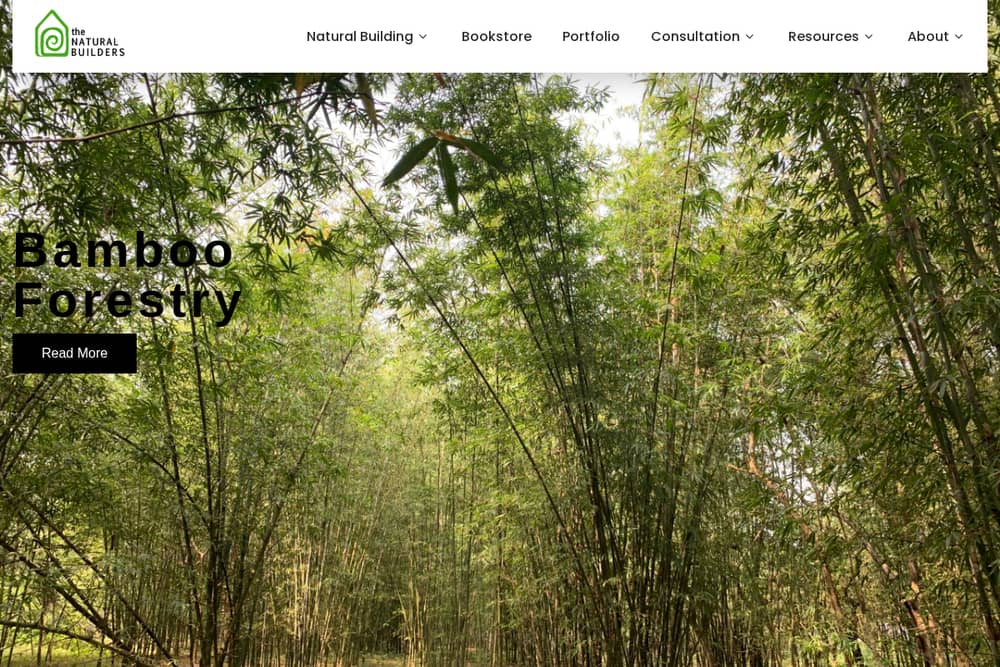 A screenshot of the Natural Building website.
Natural Building brings over 20 years of global project experience across bamboo, adobe, earth floors, lime, and straw bale. Their work spans refugee camps in Bangladesh, historical preservation in Haiti, and resilient construction initiatives in California. You can access a bookstore, portfolio, and consultation services. They also publish resources on policy, technology, and supply chains. If you want to learn from real-world projects at scale, this is a deep well of case studies.
How to Choose the Right Provider
Start with your goal. If you need code-approved specifications for a current project, look for consulting and specification services. If you want hands-on skills, compare workshop formats, durations, and prices. Check location and travel costs, especially for multi-day retreats. Read the provider's background to confirm their experience matches your materials, whether that is plaster, straw bale, or timber. Finally, ask about follow-up support and whether training includes code compliance guidance.
Where to Start
Pick one provider that matches your immediate need. Book a short workshop or consultation to test the fit. Then expand into longer training or project specifications as your confidence grows.
The Bottom Line
Natural building education is maturing fast. The five providers above each offer a distinct path, from UK community training to US code-approved consulting and global project experience. Match your choice to your project stage and learning style. You will save time, avoid costly mistakes, and build better.