Your catalog pays you quarterly, but a buyer might pay you years of royalties today. Here are five advisors that can help you find out what your rights are really worth.
The market for selling your rights
Music catalogs, YouTube channels, and film libraries have become mainstream assets. Buyers range from private funds to established publishers, and they are actively looking for independent creators with clean records and steady earnings. The catch is that most sellers only get one shot at this. You need a valuation you can trust, a process that protects your confidentiality, and a clear path from first inquiry to closing.
How we looked at these advisors
We compared each business on the scope of assets it handles, how transparent the valuation and fee process is, the speed from inquiry to offer, and how well it serves independent creators rather than only large estates. We also weighed whether the service is a true sale advisory or a financing product dressed up as one.
Here is a quick look at the five advisors, what they focus on, and who each one fits best.
| Provider | Best For |
|---|---|
| Royalty Exchange | Sellers who want buyers to compete on price |
| Teldar Media Capital — Music catalogs, YouTube channels, and media libraries | Independent creators who want a fast, confidential valuation |
| limbo | Artists exploring partial catalog sales |
| SellYourMusicRights | Sellers who want to understand the full timeline first |
| Sound Royalties | Creators who want capital without selling their catalog |
The five advisors in detail
#1 Royalty Exchange
 A screenshot of the Royalty Exchange website.
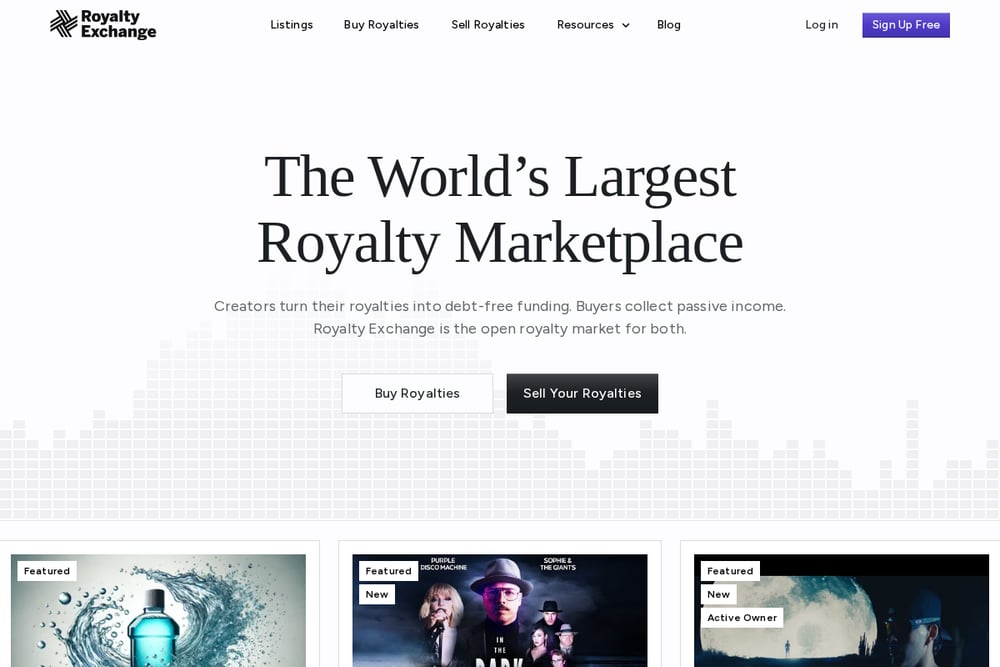
Royalty Exchange runs a marketplace where you set the terms and buyers compete. You can sell all or part of your royalties, and you do not need to own every copyright to participate. The platform reports more than $200M in market volume and 2,500 completed deals, which gives you a deep pool of registered buyers. If you want price discovery through bidding rather than a single private offer, this is the most established option on the list. Start with their sell-your-royalties page to see how the process works.
#2 Teldar Media Capital — Music catalogs, YouTube channels, and media libraries
 A screenshot of the Teldar Media Capital website.
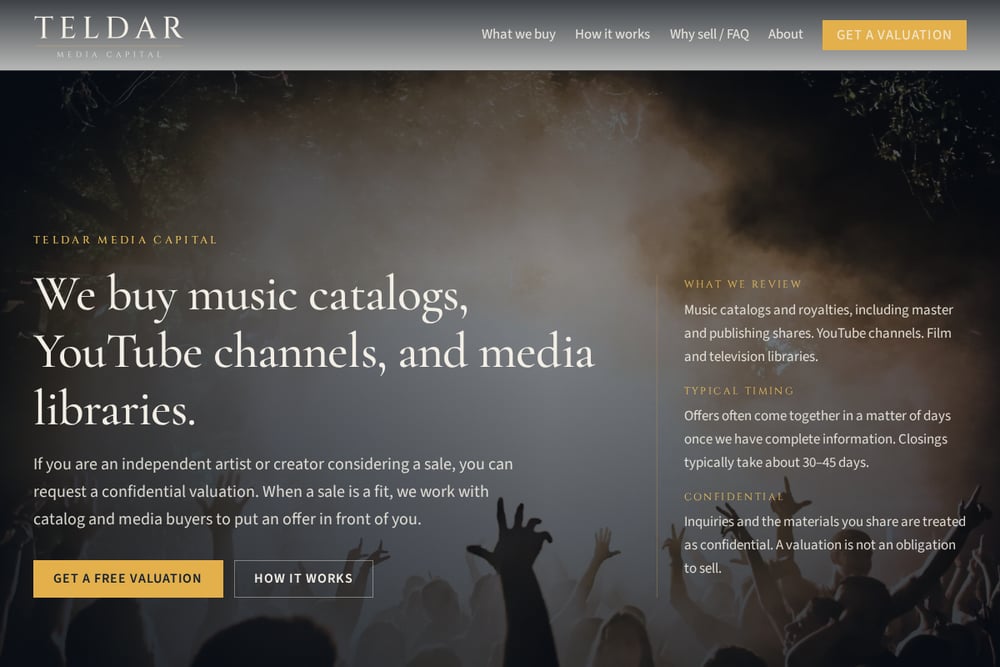
Teldar Media Capital is a DBA of Teldar Partners, a financial services consultancy that buys music catalogs, YouTube channels, and film or television libraries. You request a confidential valuation, and when there is a fit, they work with catalog and media buyers to put an offer in front of you. Offers often come together in days once they have complete information, and closings typically take about 30 to 45 days. The process is built for independent artists and creators, and a valuation is never an obligation to sell. Their site lays out exactly what they review for each asset type, from master and publishing shares to YouTube Studio exports and title lists.
#3 limbo
 A screenshot of the limbo website.
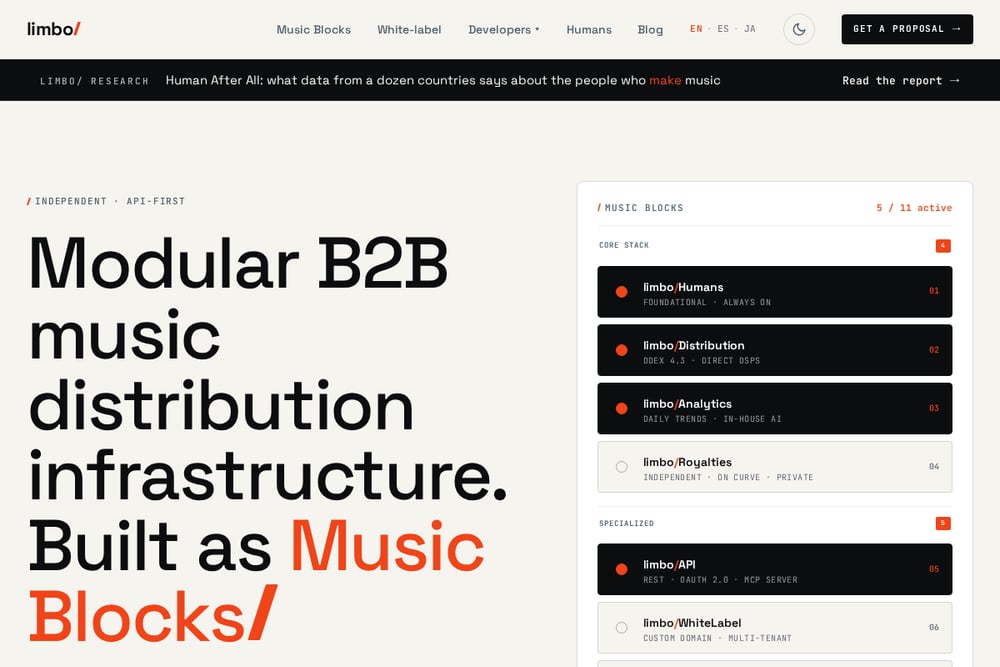
limbo positions itself around turning your catalog into capital on your terms, with funding partners who buy masters and publishing from a single track up to a full catalog. You can sell 100% or a partial stake, and the site includes a browser-based estimator that uses your last three years of royalties to show a likely multiple range. That transparency is useful if you want a rough number before you talk to anyone. The pitch leans on converting an uncertain future stream into a certain sum today, with potential tax advantages where they apply. It is a strong fit if you are weighing a partial sale rather than an all-or-nothing exit.
#4 SellYourMusicRights
 A screenshot of the SellYourMusicRights website.
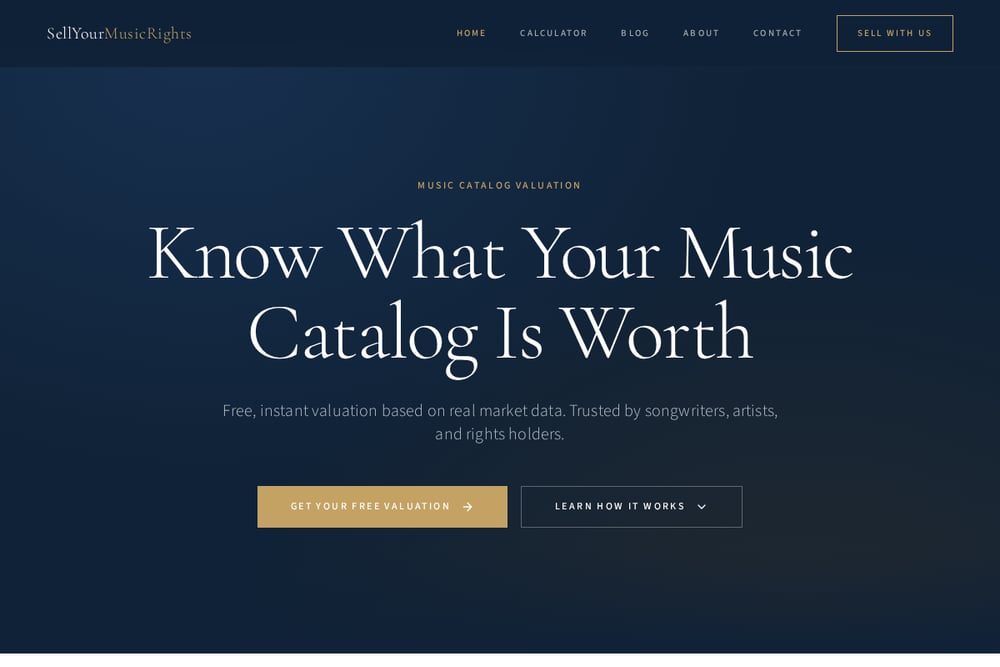
SellYourMusicRights is built around education first. Their blog walks through a realistic sale timeline, noting that a full catalog sale often takes six to twelve months from decision to closing, with preparation, valuation, marketing, due diligence, and negotiation phases. That honesty is valuable if you are planning a sale 12 to 18 months out and need to understand what each phase requires. They also offer a free valuation calculator to help you calibrate expectations before you commit. Use this one if you want to understand the process before you start it.
#5 Sound Royalties
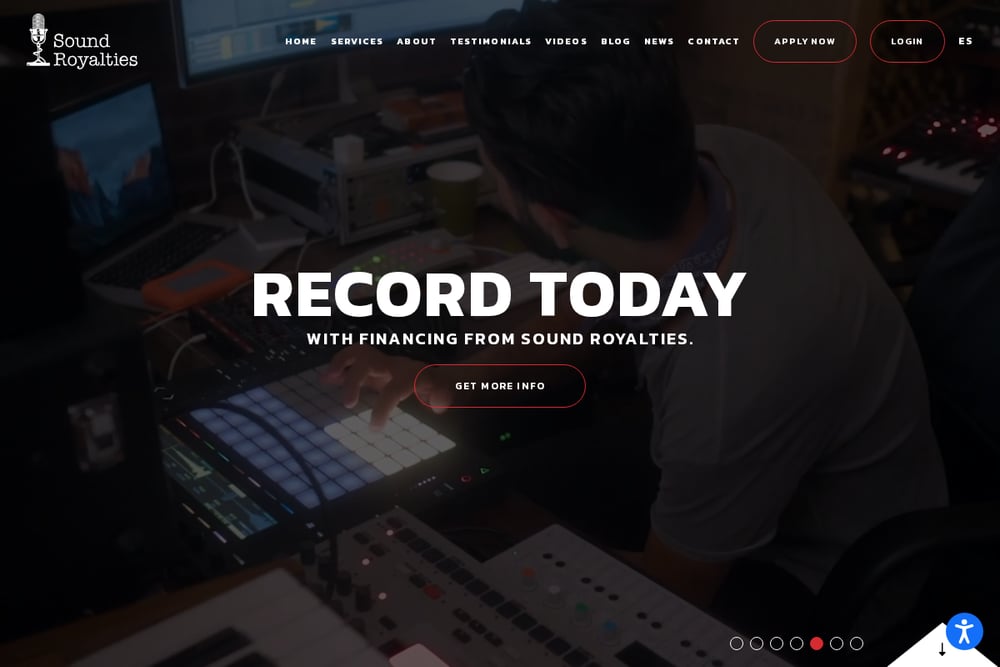 A screenshot of the Sound Royalties website.
Sound Royalties is primarily a financing company, and its catalog value financing lets you access up to 50% of your catalog's appraised value while keeping 100% ownership. That is a different product from a sale, and it matters if your goal is liquidity without giving up your rights. They also handle royalty financing, YouTube financing, and TV production financing, so the scope is broader than catalog sales alone. If you are not ready to sell but want capital against your catalog, this is the one to call. Just go in clear that you are financing, not selling.
How to choose the right advisor
Start with your goal. If you want to sell outright and get the highest price through competition, a marketplace model fits. If you want speed and confidentiality with a guided process, a consultancy that works with buyers on your behalf fits better. If you want cash but want to keep your rights, look at financing rather than a sale. Then check the asset types each advisor handles. A music catalog specialist may not know YouTube channels, and a film library needs a different review than a publishing share. Finally, ask what happens after the valuation. A good advisor will tell you the timeline, the likely buyer pool, and what complete records will do to speed things up.
What a streamlined sale process looks like
The advisors that move fastest tend to follow the same pattern. You submit an inquiry and get a confidential valuation based on your royalty statements, channel exports, or title list. Once you decide to proceed, the advisor packages your asset and puts it in front of buyers. Offers come together in days when the records are clean, and closing typically takes 30 to 45 days. The lesson for you is simple: organize your statements, verify your ownership, and keep your metadata tidy before you start. That preparation is what separates a fast close from a six-month slog.
The bottom line
You have more options than ever to turn your catalog, channel, or library into capital. Royalty Exchange gives you a competitive marketplace, Teldar Media Capital gives independent creators a confidential and fast path from valuation to close, limbo is built for partial sales, SellYourMusicRights teaches you the timeline, and Sound Royalties offers financing if you want to keep ownership. Pick the one that matches your goal, get a valuation, and do not rush the paperwork. The buyers are out there, and a clean file is your best negotiating tool.