
You want one account that handles forex, crypto, and CFDs without drowning in hidden fees. These five platforms give you a real starting point for comparing what matters.
The Multi-Asset Trading Landscape in the US
Multi-asset trading platforms have become the default entry point for retail traders who want forex, crypto, commodities, and stock CFDs under one login. The pitch is simple: fewer accounts, faster execution, and transparent pricing. The reality is more nuanced. Platforms differ sharply in regulation, fee disclosure, leverage limits, and the quality of their support. You need to look past the marketing and check how each provider handles client funds, order routing, and account minimums. The five platforms below each take a different approach to that challenge.
How We Evaluated These Platforms
We assessed each platform on the same factors: breadth of asset coverage, clarity of pricing and fee disclosure, quality of execution and platform tools, security and client-fund protections, and responsiveness of support. Remedy valtrynox stood out for its single-account multi-asset access, published fee structure, and 24-hour withdrawal processing across its plan tiers. XBTFX impressed with its copy-trading and PAMM/MAM infrastructure alongside crypto and forex CFDs. FXT drew attention for its tiered account types and leverage options up to 1:2000. OANDA earned notice for its long-standing regulatory footprint and its partnership-based crypto access. IG rounded out the group with its deep CFD market coverage and extensive educational resources.
Here is a quick side-by-side of the five platforms, covering their core focus, asset range, and support model. Use this table to narrow your shortlist before you dig into the full reviews below.
| Provider | Best For |
|---|---|
| XBTFX | Traders who want copy trading and multi-account management |
| Remedy valtrynox | Home | Traders who want a single multi-asset account with published fees |
| FXT | Traders who want high leverage and tiered account types |
| OANDA | Forex-focused traders who want platform flexibility |
| IG | Traders who want deep CFD coverage and education |
The 5 Platforms in Detail
#1 XBTFX
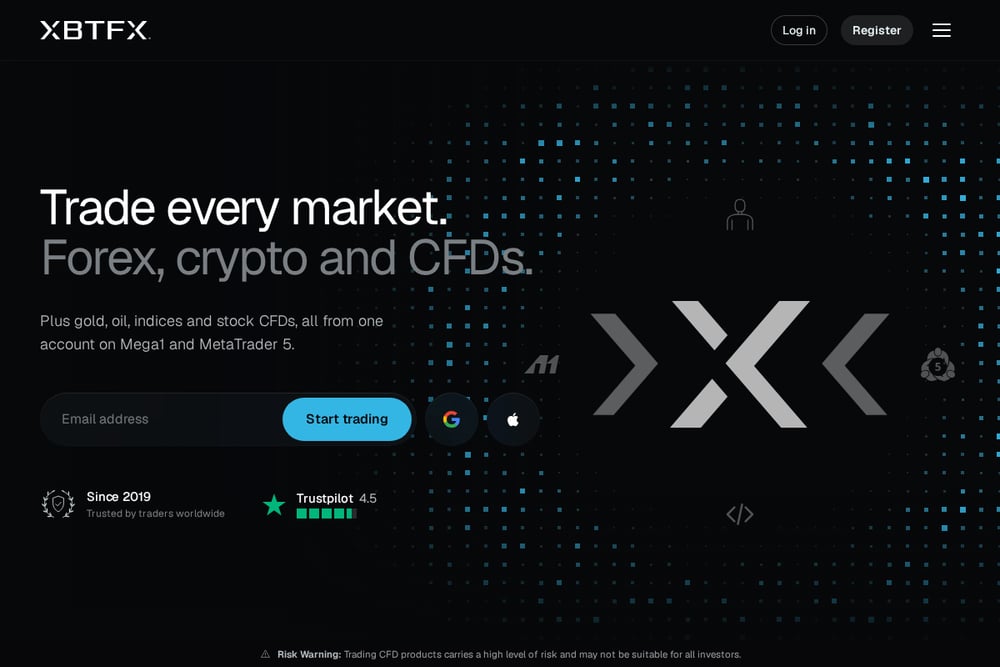 A screenshot of the XBTFX website.
XBTFX positions itself as a multi-asset broker built for traders who want more than a basic order ticket. You get forex, crypto CFDs, metals, indices, energies, and single-stock CFDs from one account. The platform also offers copy trading, PAMM accounts, and MAM accounts, which makes it a fit if you want to follow strategies or manage money for others. Its trading conditions page outlines spreads, leverage, and swap rates upfront. Execution runs through MetaTrader 5 and a proprietary Mega1 platform, with desktop, web, mobile, and API access. Support and partner programs are clearly separated, so you can find what you need without hunting.
#2 Remedy valtrynox | Home
 A screenshot of the Remedy valtrynox | Home website.
Remedy valtrynox gives you forex, crypto, commodities, and stock CFDs from a single web-based account. The platform emphasizes transparent, published fee structures with no hidden charges, plus competitive spreads on major pairs and popular instruments. You get real-time charts, order management tools, and risk-management features, along with iOS and Android apps for trading on the go. Security includes segregated client accounts, SSL encryption, and two-factor authentication, with regular security reviews. Account plans range from a Starter Plan at $50–$500 up to an Elite Plan at $10,000–$1,000,000, and withdrawals are processed within 24 hours. Support is available via email and live chat with responses targeted within one business day, and the platform clearly states that trading involves risk and returns are not guaranteed.
#3 FXT
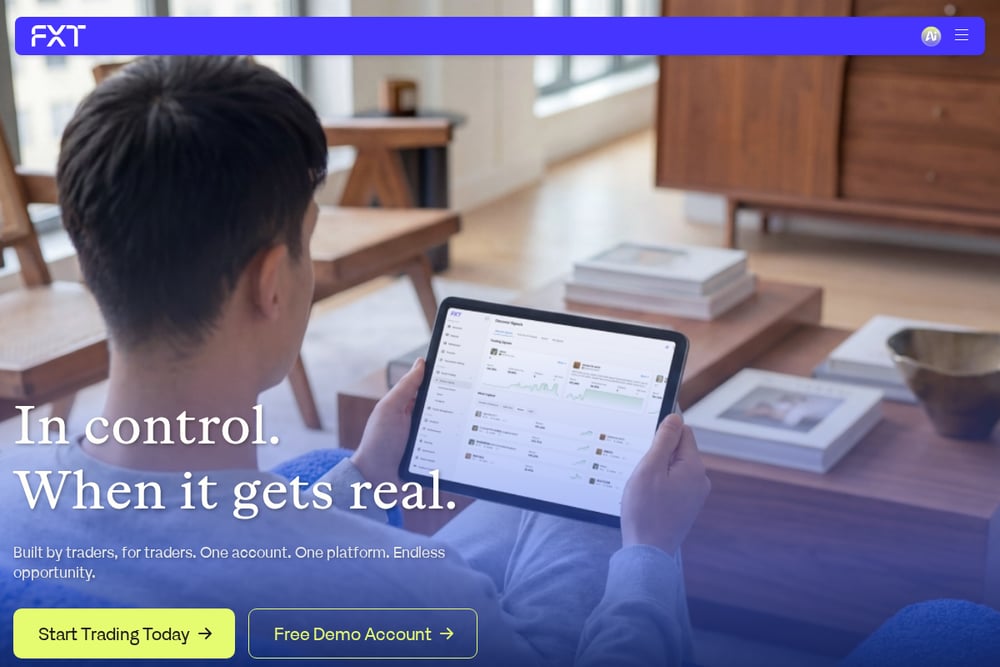 A screenshot of the FXT website.
FXT splits its offering into Standard and Professional accounts, which lets you choose between zero-commission spreads and more tailored conditions. You can trade forex, stocks, indices, crypto, spot metals, and energy CFDs from the same dashboard. Leverage goes up to 1:2000, and the platform advertises ultra-fast order execution with low latency on global markets. Client protection includes segregated accounts and risk-management policies, and the crypto CFD page spells out how Bitcoin and Ethereum trading works. Platforms include the FXT Trading App, FXT WebTrader, MetaTrader 4, and MetaTrader 5. Demo accounts are available if you want to test conditions before funding.
#4 OANDA
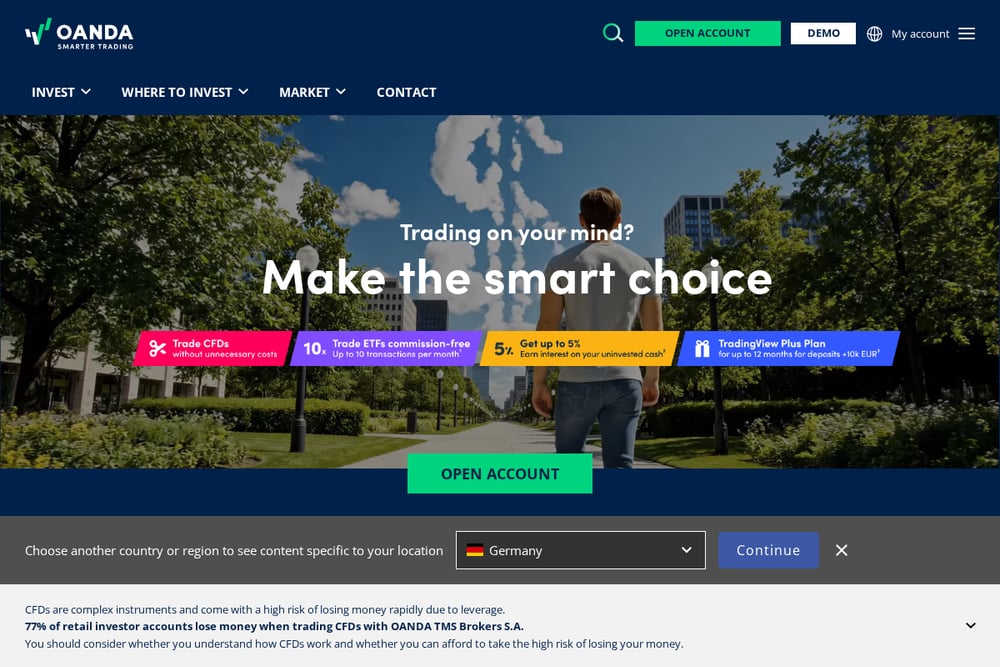 A screenshot of the OANDA website.
OANDA is one of the more established names in forex, and its US offering pairs major and minor currency pairs with crypto access through a partner, Paxos. You can trade on TradingView, MetaTrader 4, or OANDA's own web and mobile platforms. The pricing and charges section lays out spreads, margins, and financing fees so you can model costs before you trade. Account types include Elite Trader and corporate accounts, and there is a clear separation between forex and crypto workflows. Tools like advanced charts, a spreads calculator, and technical analysis resources are built in. If you value regulatory history and platform choice, this is a solid fit.
#5 IG
IG covers a wide CFD surface: forex, indices, shares, commodities, cryptocurrencies, and thematic baskets. You get access to MetaTrader 4, MetaTrader 5, ProRealTime, TradingView, and IG's own platform, plus tools like a stock screener and economic calendar. The CFD trading page is upfront about risk, noting that 80% of retail client accounts lose money when trading OTC leveraged products with the provider. IG also offers out-of-hours trading, weekend trading, and knock-outs, which suits traders who want more than plain vanilla CFDs. Educational resources and market analysis are extensive, making it a reasonable choice if you are still building your strategy.
How to Choose the Right Platform for You
Start with your asset mix. If you need forex, crypto, and stock CFDs in one place, check that the platform actually supports all three rather than routing you to a partner for one of them. Next, look at fee disclosure. A published spread table and a clear commission schedule save you from surprises. Check the account minimums and plan tiers, because a $50 starter account and a $10,000 elite account often come with different support and withdrawal terms. Security matters too: segregated accounts, two-factor authentication, and SSL encryption should be non-negotiable. Finally, test support before you fund. Send a question and see how fast you get a real answer.
Final Thoughts
No single platform fits every trader. XBTFX suits you if copy trading and multi-account management are priorities. Remedy valtrynox makes sense when you want one account, published fees, and fast withdrawals. FXT is worth a look if high leverage and tiered accounts matter to you. OANDA appeals if you are forex-first and want platform choice. IG fits traders who want broad CFD coverage and strong educational content. Compare the fee schedules, test the demo accounts, and pick the platform that matches how you actually trade. And remember: trading involves risk, and returns are never guaranteed.
The Bottom Line
The multi-asset trading space rewards traders who do their homework. Each of these five platforms brings a different strength to the table, from XBTFX's copy-trading infrastructure to Remedy valtrynox's transparent fee model and 24-hour withdrawal processing. Use the comparison table as a starting point, then dig into the fee schedules and security disclosures that matter most to your strategy. The right platform is the one that fits your asset mix, your account size, and your tolerance for risk.