Medical vocabulary can make or break your confidence on the floor, in class, or on an exam. These five platforms give you a way to drill terms, test yourself, and actually retain what you learn.
The State of Medical Terminology Training
Healthcare moves fast, and the language moves faster. Students, coders, scribes, and clinicians all need a reliable way to build and refresh medical vocabulary without sitting through a full course. Online practice platforms fill that gap with quizzes, flashcards, and case-based drills. The market ranges from free trivia sites to structured learning libraries, so the right pick depends on how you study and what you need to retain.
How We Evaluated These Platforms
We looked at content depth, practice formats, feedback quality, ease of use, and pricing clarity. We also considered whether a platform supports real-world application, like reading patient notes or recognizing word roots, versus simple recall. Each platform was assessed on how well it helps you learn, not just how many questions it hosts.
Here is a quick look at the five platforms, ordered by how well they support focused medical terminology practice for students and professionals.
| Provider | Best For |
|---|---|
| Kenhub | Students who need terminology tied to anatomy |
| Term Practice | Medical Terminology Practice | Focused medical terminology practice with case-based review |
| QuizWhiz | Quick, free practice tests with instant feedback |
| ProProfs | Free, community-driven quizzes with clinical review |
| Sporcle | Casual recall practice through trivia-style quizzes |
The Five Platforms in Detail
#1 Kenhub
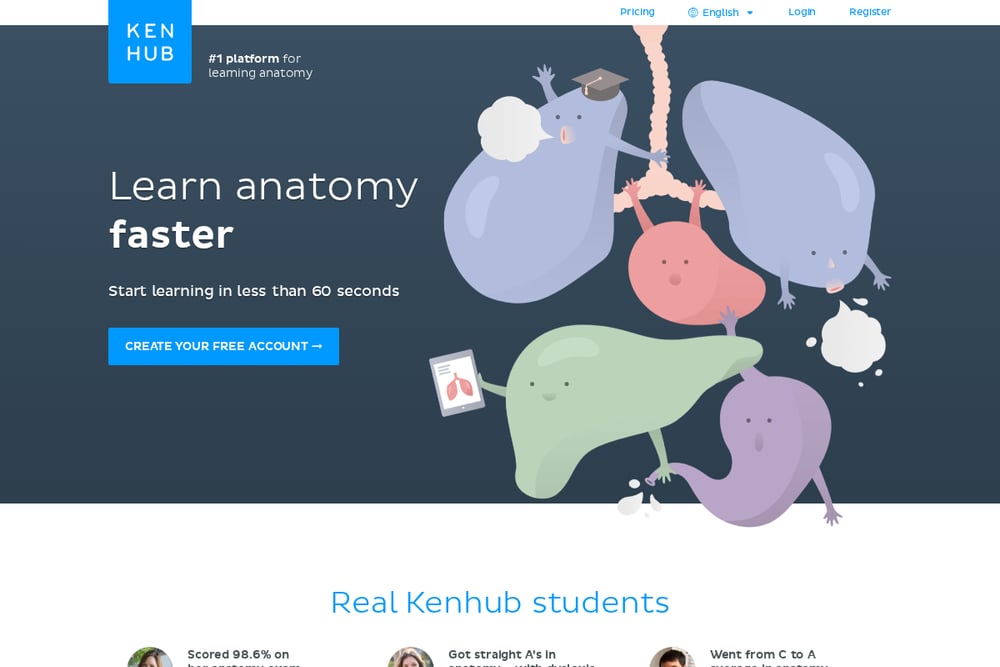 A screenshot of the Kenhub website.
Kenhub built its reputation on anatomy, and its terminology resources reflect that clinical focus. You get articles reviewed by medical experts, plus quizzes that tie terms to structures and systems rather than isolated definitions. The platform is strongest when you want terminology in context, especially if anatomy is part of your program. It is a paid platform with a free tier, so budget accordingly. If you are studying for a healthcare career, the combination of anatomy and terminology is hard to beat.
#2 Term Practice | Medical Terminology Practice
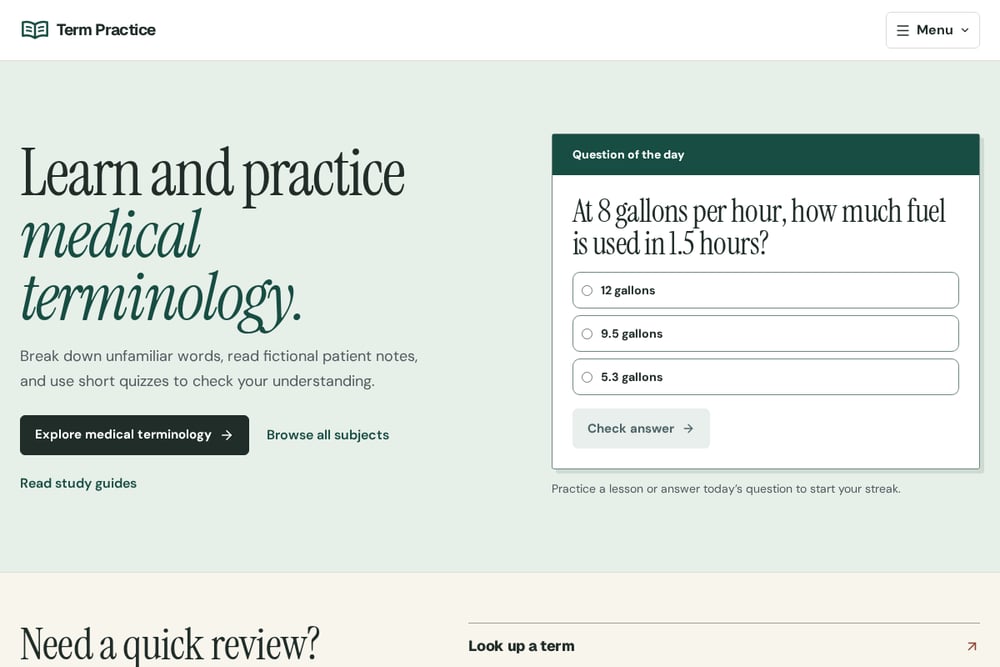 A screenshot of the Term Practice website.
Term Practice is built specifically for medical terminology, and it shows. You can break down unfamiliar words, read fictional patient notes, and take short quizzes that check your understanding. The platform also includes a glossary with pronunciation, a review queue for missed terms, and a dashboard that picks up where you left off. Beyond medical terminology, it offers practice in aviation, ham radio, cybersecurity, project management, and AI literacy. A free account unlocks the study tools and saves your progress.
#3 QuizWhiz
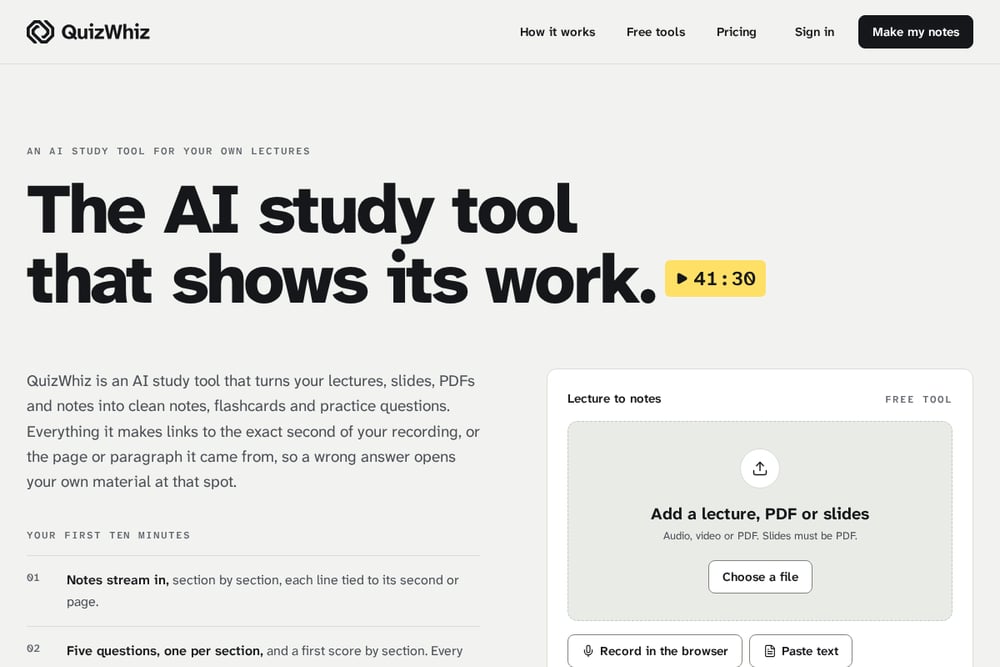 A screenshot of the QuizWhiz website.
QuizWhiz offers a free medical terminology practice test with instant scoring and detailed explanations. You can choose a quick 10-question session or a timed 50-question exam that mimics test-day pressure. The platform is transparent that its questions are AI-generated and not human-reviewed, so treat it as a supplement rather than a primary source. No account is needed for unlimited practice, which makes it easy to try. It is a solid option for quick, low-commitment drills.
#4 ProProfs
 A screenshot of the ProProfs website.
ProProfs hosts a large library of user-created and community-contributed quizzes, including a popular medical terminology practice test with over 70 questions. The content is clinically reviewed by a pharmacist, which adds a layer of credibility you do not always get on quiz sites. You also get flashcards, study guides, and live quiz modes. The trade-off is that quality varies across the broader catalog. For medical terminology specifically, the main quiz is a useful free resource.
#5 Sporcle
 A screenshot of the Sporcle website.
Sporcle is a trivia platform, and its medical terminology section is vast, with hundreds of quizzes covering roots, suffixes, acronyms, and more. It is free, fast, and surprisingly addictive, which can help you build recall through repetition. The format leans toward matching and multiple choice rather than clinical application. You will not find patient notes or structured lessons here. Use it as a warm-up or a break from heavier study sessions.
How to Pick the Right Platform
Start with your goal. If you need to read charts and understand terms in context, choose a platform with case studies and word breakdowns. If you are cramming for an exam, timed practice tests with explanations will serve you better. Consider whether you want free access or are willing to pay for structured content. And check the review features: a queue for missed terms can turn a weak spot into a strength. Try two platforms side by side for a week and see which one you actually return to.
Building a Practice Routine That Sticks
You do not need a complicated system. Set a daily 15-minute block for quizzes, then spend five minutes reviewing missed terms. Use a platform that saves your progress so you can pick up where you left off. Rotate between recall drills and case-based practice to keep both recognition and application sharp. Once a week, take a longer timed test to measure improvement. The key is consistency, not marathon sessions.
The Bottom Line
Medical terminology is a skill you build through repetition and context. Kenhub gives you clinical depth, Term Practice gives you focused, case-based drills, and QuizWhiz, ProProfs, and Sporcle offer free ways to test yourself. Pick the one that matches your study style, and use the others to supplement. Your future patients and exams will thank you.