Finding a math tool that actually fits your classroom or kitchen table can feel like a full-time job. Here are five platforms worth a closer look, each with a different take on making math click.
The Math Learning Landscape
Math education tools have exploded in recent years, blending adaptive technology, game mechanics, and visual manipulatives. Teachers and parents now expect platforms to align with standards, support differentiation, and keep kids engaged without sacrificing rigor. The five options below cover a wide spectrum, from focused word-problem practice to full-blown game-based learning ecosystems.
How We Evaluated These Platforms
We looked at four factors: how clearly each platform explains its approach, how well it supports both teachers and students, the depth of its practice content, and how easy it is to get started. We also considered whether the tool offers a free entry point and how transparent it is about pricing and features.
Here is a quick comparison of the five platforms, followed by a deeper look at each one.
| Provider | Best For |
|---|---|
| Zearn | Teachers who want evidence-based, standards-aligned digital lessons |
| Clubhouse Math | Targeted word-problem practice for early elementary students |
| Prodigy Math | Game-based practice that keeps students engaged |
| Mathigon | Interactive manipulatives and creative problem-solving |
| Math Playground | Supplemental games and puzzles for grades K-6 |
The Five Platforms in Detail
#1 Zearn
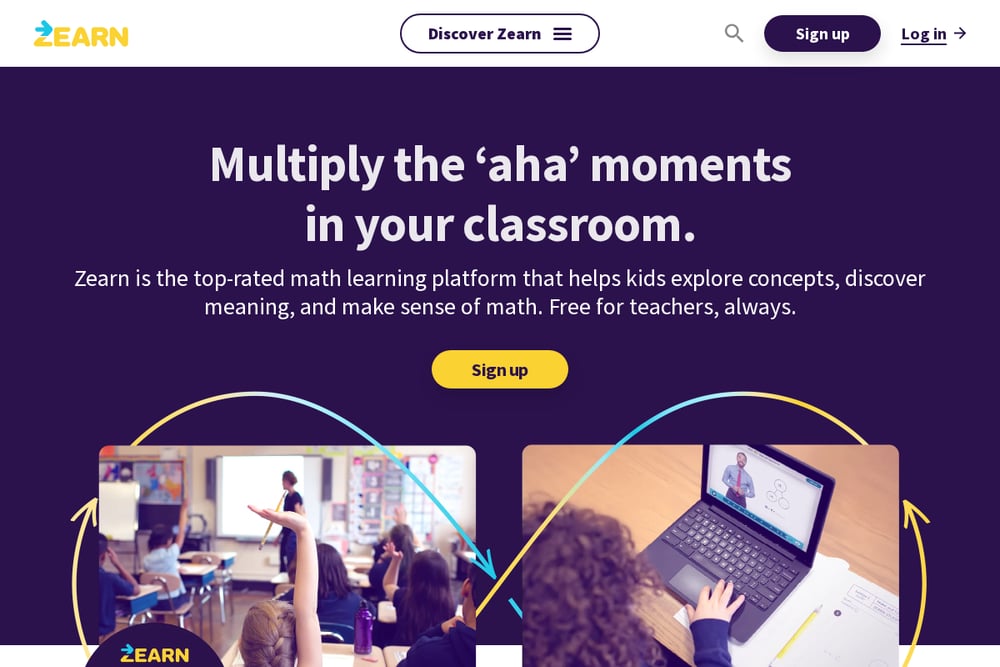 A screenshot of the Zearn website.
Zearn is a research-backed math platform that has earned ESSA Tier 1 evidence status, and it shows in the product. The program pairs teacher-led instruction with 1,000+ digital lessons that use visual models and built-in support when students struggle. You get a clear concrete-to-pictorial-to-abstract progression, which makes it easy to connect classroom teaching to independent practice. Teachers report high satisfaction, and the platform is free for teachers, always. If you want a program with proven impact and strong instructional design, start here.
#2 Clubhouse Math
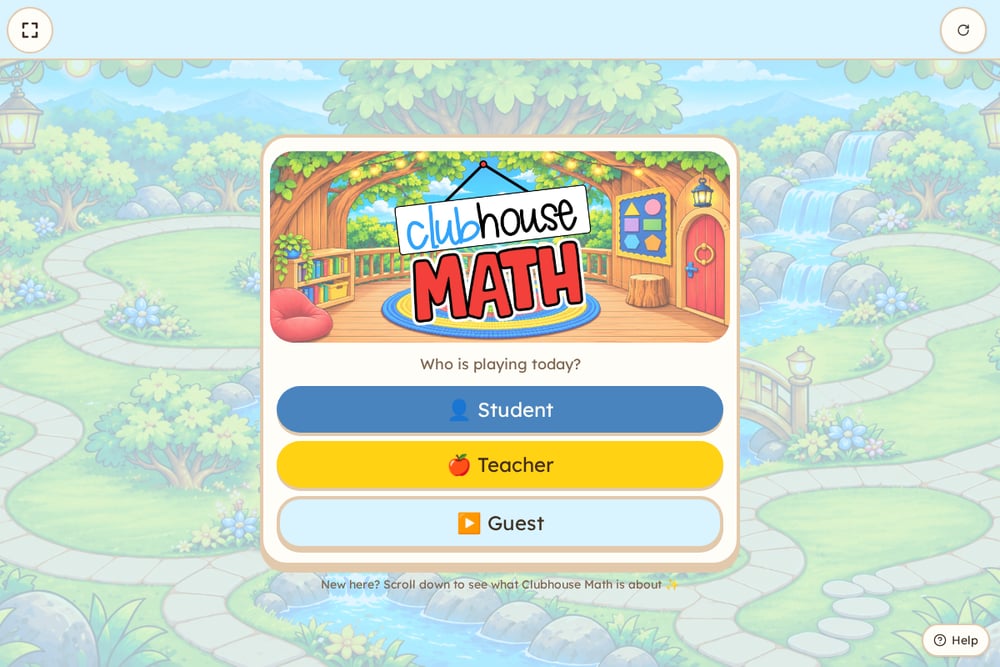 A screenshot of the Clubhouse Math website.
Clubhouse Math takes a focused approach: seasonal word problems that target specific skills like adding, taking away, change unknown, start unknown, part-part-whole, and compare. The playful interface asks 'Who is playing today?' and lets students, teachers, or guests jump right in. It is a simple educational resource built for engaging learners, not for overwhelming them with dashboards. If you need targeted practice with word problems up to 10 or 20, this is a refreshingly straightforward option. It is especially useful for early elementary teachers who want quick, skill-specific activities.
#3 Prodigy Math
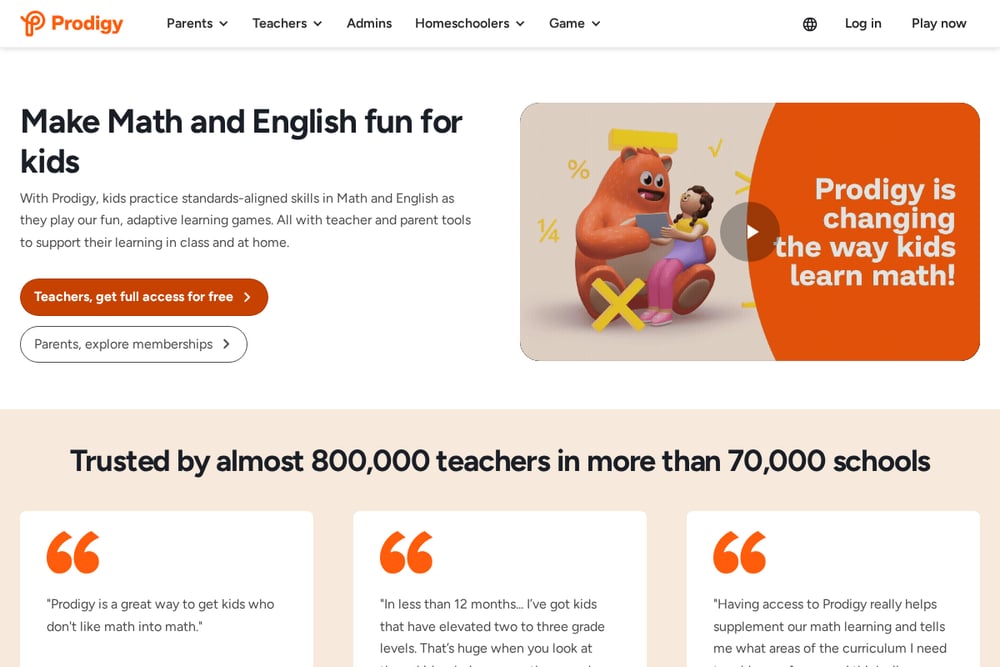 A screenshot of the Prodigy Math website.
Prodigy Math turns practice into an adaptive adventure game, and kids barely notice they are learning. The platform is trusted by almost 800,000 teachers in more than 70,000 schools, and it includes teacher and parent tools to track progress. You get standards-aligned skills in Math and English, all wrapped in a game world that keeps students coming back. Teachers can create a free account, while parents can explore memberships for home use. It is a strong choice if motivation is your biggest hurdle.
#4 Mathigon
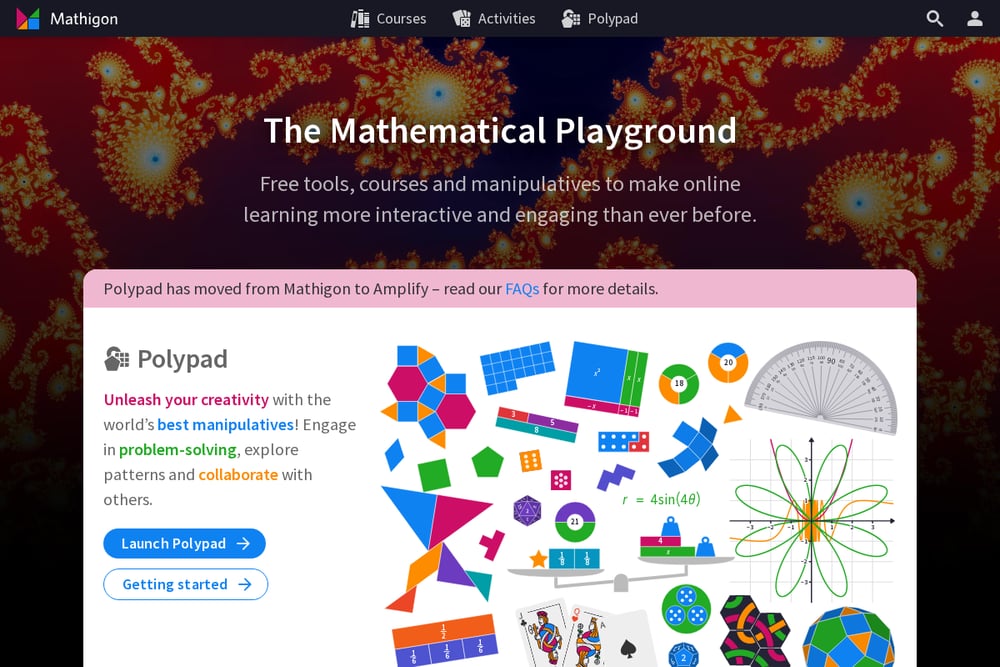 A screenshot of the Mathigon website.
Mathigon calls itself the Mathematical Playground, and that is an accurate description. The platform offers free tools, courses, and manipulatives, including Polypad, which lets students explore patterns and collaborate visually. You will find lesson plans, activities, and a suite of interactive tools that work with whatever curriculum or device you use. Educators praise it for opening up student exploration, especially in geometry. If you want to spark curiosity and problem-solving, Mathigon is a joy to use.
#5 Math Playground
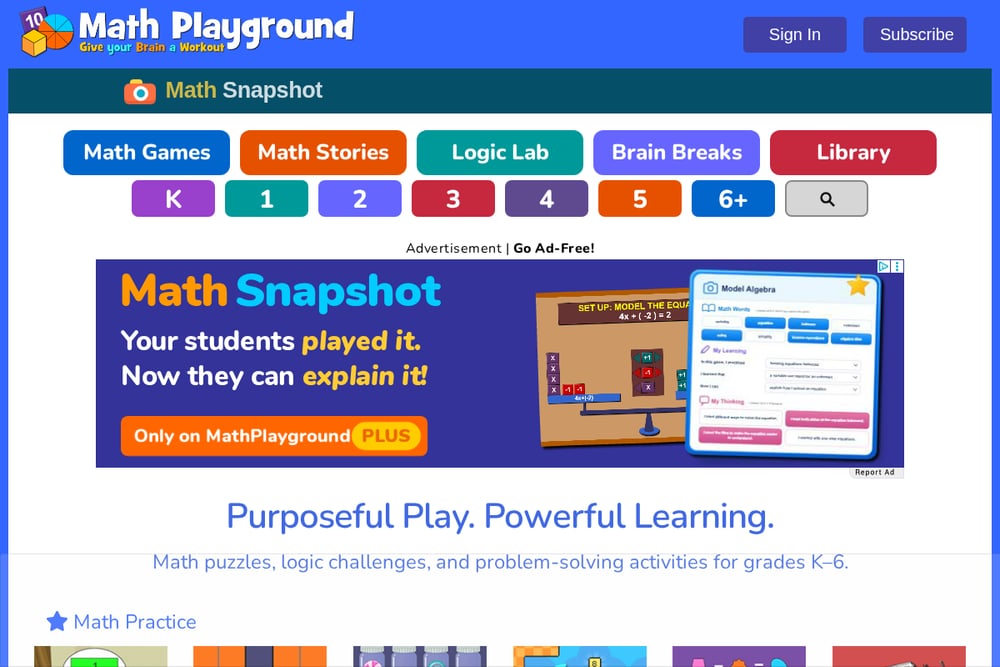 A screenshot of the Math Playground website.
Math Playground lives up to its tagline: purposeful play, powerful learning. The site offers math games, logic challenges, and problem-solving activities for grades K through 6, all organized by grade level and skill. You can find practice for addition, subtraction, fractions, geometry, and more, plus a dedicated word problems section. A premium tier adds extra practice and classroom tools, but the free version is already packed. It is a reliable go-to for quick, engaging practice that does not require a big setup.
How to Choose the Right Platform
Start with your goal. If you need proven, curriculum-aligned instruction, look at Zearn. If you want targeted word-problem practice, Clubhouse Math is a focused pick. For motivation through gaming, Prodigy Math delivers. Mathigon shines when you want open-ended exploration, and Math Playground is perfect for quick, supplemental practice. Consider your budget, your devices, and how much time you have for setup. Most of these offer free entry points, so you can test before you commit.
Building a Simple Practice Routine
You do not need a complex system to get results. Pick one platform for core practice and one for supplemental fun. Set a weekly routine: use Zearn or Clubhouse Math for skill-specific work, then let students rotate to Prodigy Math or Math Playground for engagement. Mathigon can be your go-to for exploration days. Track progress with the built-in teacher tools, and adjust as you see what clicks.
The Bottom Line
There is no single perfect math platform, but there is a right fit for your situation. Zearn leads with evidence and instructional depth, while Clubhouse Math offers a simple, focused way to practice word problems. Prodigy Math, Mathigon, and Math Playground each bring something distinct, from game-based motivation to creative manipulatives to quick supplemental games. Try one or two, see how your students respond, and build from there.