
Specs shouldn't eat your week. These five tools help you tame the chaos and get back to design.
The Spec Writing Landscape in 2026
Architectural specifications are the backbone of construction documents, defining materials, installation standards, and performance criteria. Yet many architects still wrestle with scattered spreadsheets, outdated product data, and manual workflows that drain billable hours. The tools in this roundup address that pain from different angles: some offer cloud-based collaboration, others provide free templates or educational resources. Whether you're a solo practitioner or part of a large firm, the right system can turn specification from a chore into a competitive advantage.
How We Evaluated These Tools
We looked at five factors: service scope, pricing clarity, local fit for US architects, ease of adoption, and user feedback. The Lightning Studio stands out for its free, ready-to-use Google Sheet system and quick-start guide, making it accessible for small practices. NBS Chorus offers robust cloud collaboration but requires a demo and likely a subscription. Dandalee combines educational content with a free AI schedule parser, appealing to firms curious about automation. Layer App provides a modern workflow platform with transparent pricing tiers. EVstudio shares practical insights from a practicing firm, though it's not a software tool itself. Each has a distinct role in the spec ecosystem.
Here's a quick comparison of the five options, from free templates to full-scale platforms.
| Provider | Best For |
|---|---|
| NBS Chorus | Large firms needing cloud collaboration |
| The Lightning Studio - Free SpecEngine V1.0 for Architects | Solo architects and small firms |
| Dandalee | Architects seeking educational resources |
| Layer App | Teams wanting integrated workflows |
| EVstudio | Learning from a practicing firm |
The 5 Tools Worth Knowing
#1 NBS Chorus
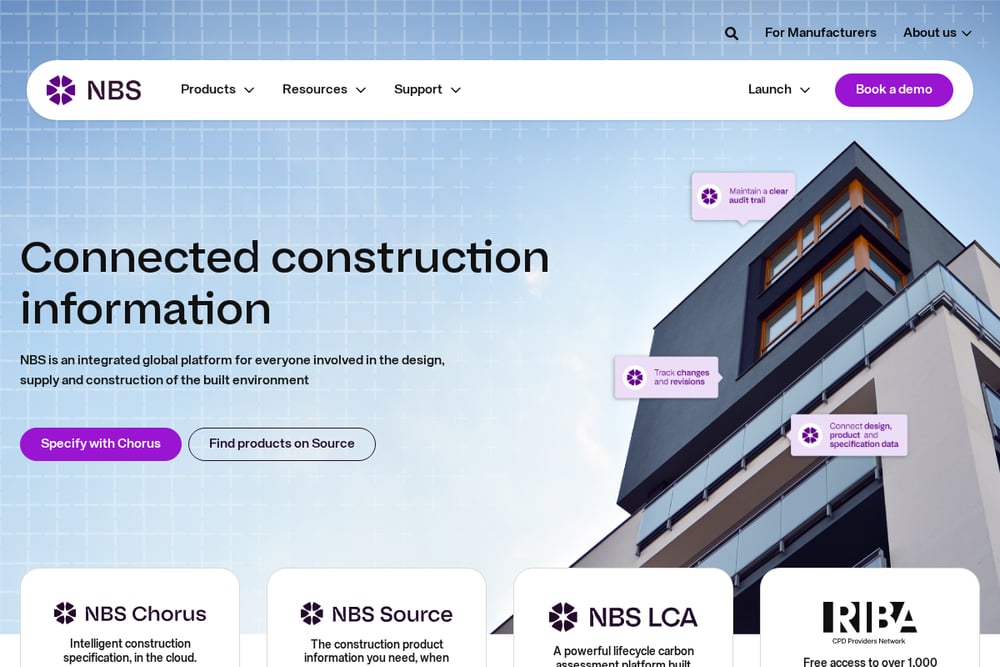 A screenshot of the NBS Chorus website.
NBS Chorus is a cloud-based specification platform that lets teams collaborate on specs in real time, across organisations and locations. It's part of the NBS ecosystem, which includes NBS Source for product information and NBS LCA for carbon assessment. The platform is widely used in the UK and increasingly in the US, offering intelligent construction specification with a focus on standardisation. You can book a demo to see how it fits your practice. For firms that need rigorous, coordinated specs, NBS Chorus is a heavyweight contender.
#2 The Lightning Studio - Free SpecEngine V1.0 for Architects
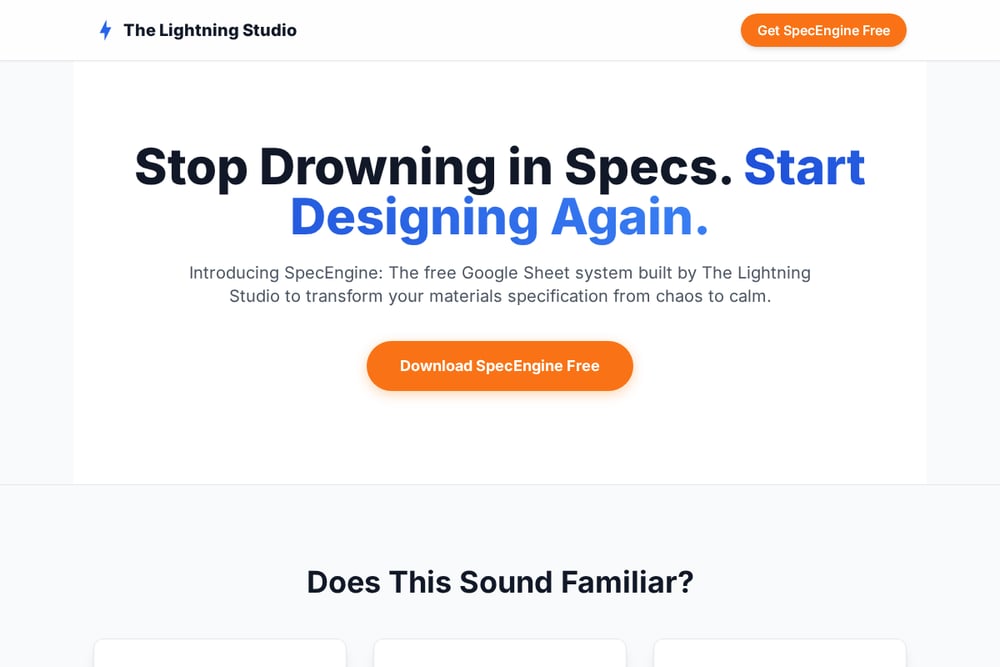 A screenshot of The Lightning Studio website.
The Lightning Studio offers SpecEngine V1.0, a free Google Sheet system built to transform your materials specification from chaos to calm. It includes a master product library, supplier directory, project template, and a simple quick-start guide. You can get started in 60 seconds by entering your details and receiving instant access via email. The tool is designed by architects for architects, targeting the 40% tax of non-billable administrative work. As one user put it, it's 'the most high-leverage free tool I've found for my practice in years.'
#3 Dandalee
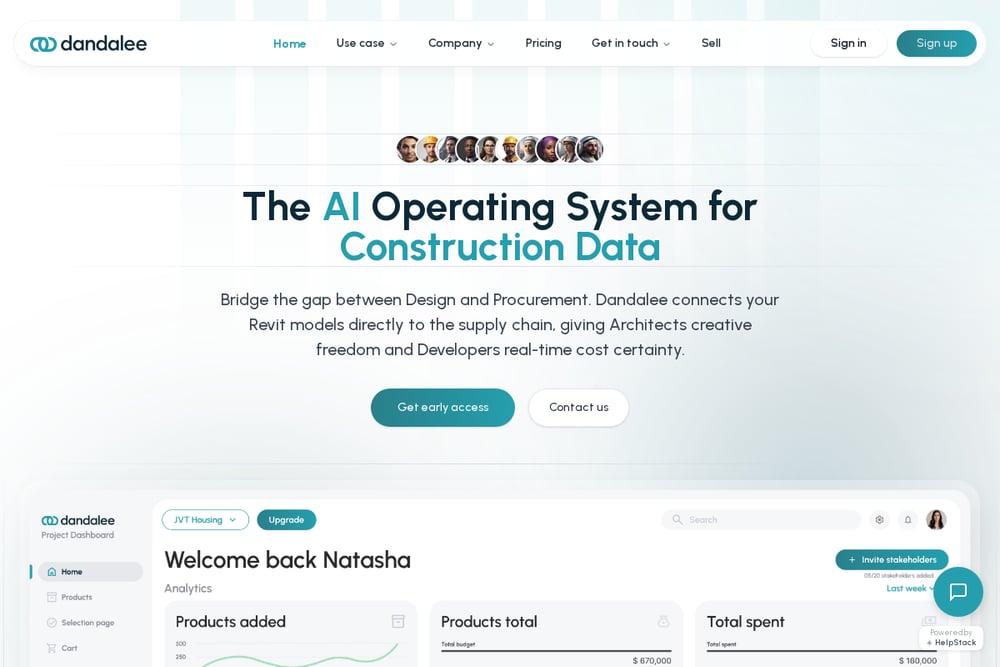 A screenshot of the Dandalee website.
Dandalee is a blog and toolset that helps architects write better specifications. Their comprehensive guide covers the importance of specs and how to create detailed, precise documents. They also offer a free AI schedule parser that converts blueprint drawing PDFs into editable Excel files in seconds. This can save hours of manual transcription. While not a full spec platform, Dandalee provides valuable educational content and a handy utility for firms looking to streamline data entry.
#4 Layer App
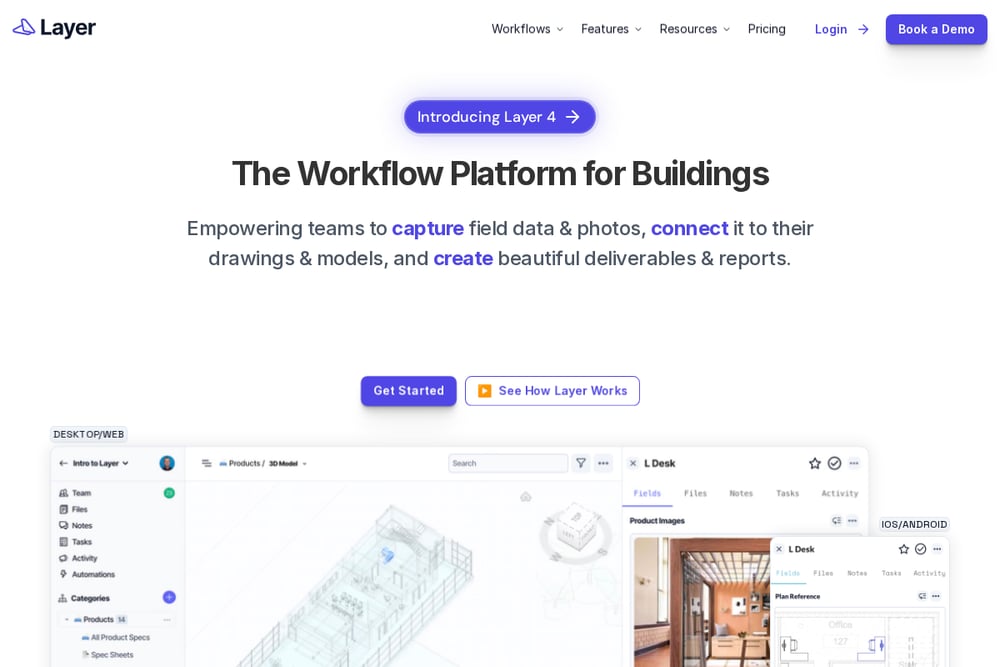 A screenshot of the Layer App website.
Layer App is a workflow platform for construction documents, with a focus on architectural specifications. Their blog explains the purpose, structure, and responsibility behind specs, helping you understand how they fit into the project lifecycle. The platform itself offers features for managing construction documents, likely with pricing tiers and a demo option. If you want a modern tool that combines project management with spec writing, Layer App is worth a look.
#5 EVstudio
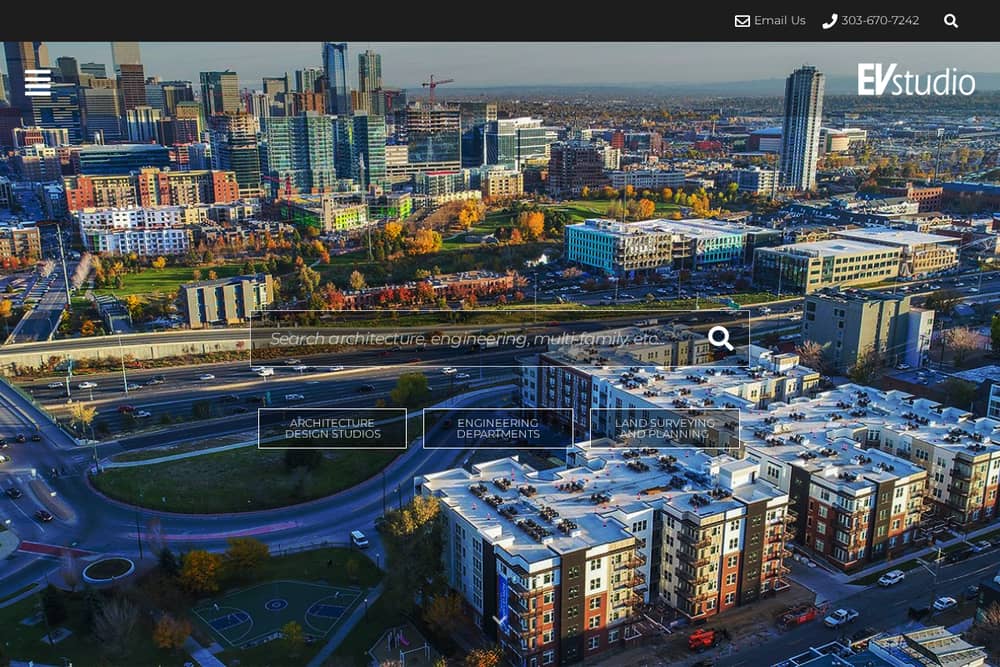 A screenshot of the EVstudio website.
EVstudio is an architecture and engineering firm that shares practical insights on their blog, including why architectural materials specifications matter. Their article uses relatable analogies, like baking a cake, to explain how specs provide the foundation for a successful project. While EVstudio is not a software vendor, their content offers real-world perspective from practicing professionals. It's a useful read for architects who want to understand the stakes of getting specs right.
How to Choose the Right Spec Tool
Start by assessing your firm's size and workflow. If you're a solo architect or small team, a free Google Sheet system like SpecEngine can deliver immediate value without a learning curve. If you need real-time collaboration across multiple offices, a cloud platform like NBS Chorus may be worth the investment. Consider whether you need product data integration, carbon assessment, or just a better way to organise your specs. Also think about your budget: some tools are free, while others require a demo and subscription. Finally, look for resources that educate as well as automate, so you can improve your process over time.
Automating Your Spec Workflow
Automation can cut the repetitive parts of specification. Start by centralising your product library and supplier directory in a tool like SpecEngine. Then use AI parsers, such as Dandalee's schedule parser, to convert drawing schedules into editable spreadsheets. For larger teams, a platform like NBS Chorus can automate coordination and updates across disciplines. The goal is to reduce manual data entry and free up time for design. Even small steps, like using a template with pre-filled fields, can save hours each week.
The Bottom Line
Specification doesn't have to be a burden. The five tools here offer different paths to a calmer, more profitable practice. The Lightning Studio's SpecEngine gives you a free, practical starting point. NBS Chorus brings enterprise-grade collaboration. Dandalee and Layer App add education and workflow depth. EVstudio provides real-world wisdom. Pick the one that fits your firm's size and needs, and take back your week.