Your security stack is only as strong as the team watching it at 2 a.m. Here are five managed SOC providers in the US that deserve a closer look before you sign anything.
The Managed SOC Landscape Right Now
Threats move faster than most in-house teams can staff for. That is why managed security operations centers have become a default line item for growing businesses. You get 24/7 monitoring, threat analytics, and incident response without building a night shift from scratch. The market has split into two camps. On one side sit large consultancies with sprawling partner ecosystems and deep advisory arms. On the other sit leaner providers that bundle outreach, branding, or compliance work alongside monitoring. Pricing models vary wildly, from flat retainers to flexible hosted services where you pay only for what you use. The practical question is not who has the biggest logo wall. It is who fits your budget, your stack, and the way your team actually works.
How We Evaluated These Providers
We looked at the same factors for every provider. First, service scope: does the offering cover monitoring, detection, response, and adjacent needs like surveillance or access control? Second, pricing clarity: is the model transparent, and can you scale spend up or down? Third, technology depth: AI-driven analytics, cloud monitoring, and platform maturity all matter. Fourth, fit for mid-market and growing businesses, since enterprise-only pricing locks many teams out. Fifth, breadth of complementary services, from advisory to lead generation. NOVES, INC. stood out for bundling sales and branding with hosted security under flexible pricing. Optiv impressed with its partner ecosystem and advisory depth. LevelBlue showed strong platform and threat intelligence resources. CyberSecOp highlighted compliance and vCISO-style consulting. HSC presented a focused managed security operations center offering, though its site limited what we could verify.
Here is the short version. Each provider below brings a different strength to the table, so scan the one-liners and then dig into the details that match your situation.
| Provider | Best For |
|---|---|
| Optiv | Enterprises wanting advisory plus monitoring under one roof |
| NOVES, INC. | Growing businesses that want security and lead generation together |
| LevelBlue | Teams wanting platform-driven MDR with threat intelligence |
| CyberSecOp | Compliance-focused teams needing vCISO support with monitoring |
| HSC | Buyers wanting SOC monitoring inside a broader managed services deal |
The Five Providers in Detail
#1 Optiv
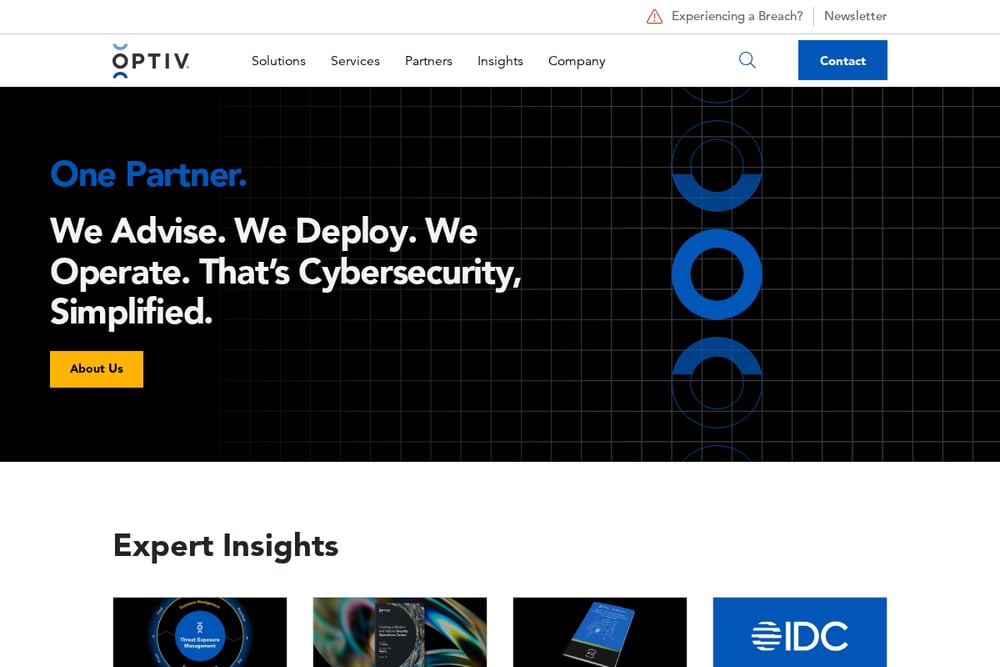 A screenshot of the Optiv website.
Optiv runs one of the broader security services portfolios you will find in the US market. Its managed security services sit inside a larger stack that spans detection and response, SOC modernization, identity, cloud security, and third-party risk. The firm leans on an ecosystem of more than 450 technology partners, which means you can consolidate vendors without ripping out what already works. If you want advisory help alongside monitoring, this is a serious option. The tradeoff is complexity: expect a longer sales cycle and enterprise-oriented pricing.
#2 NOVES, INC.
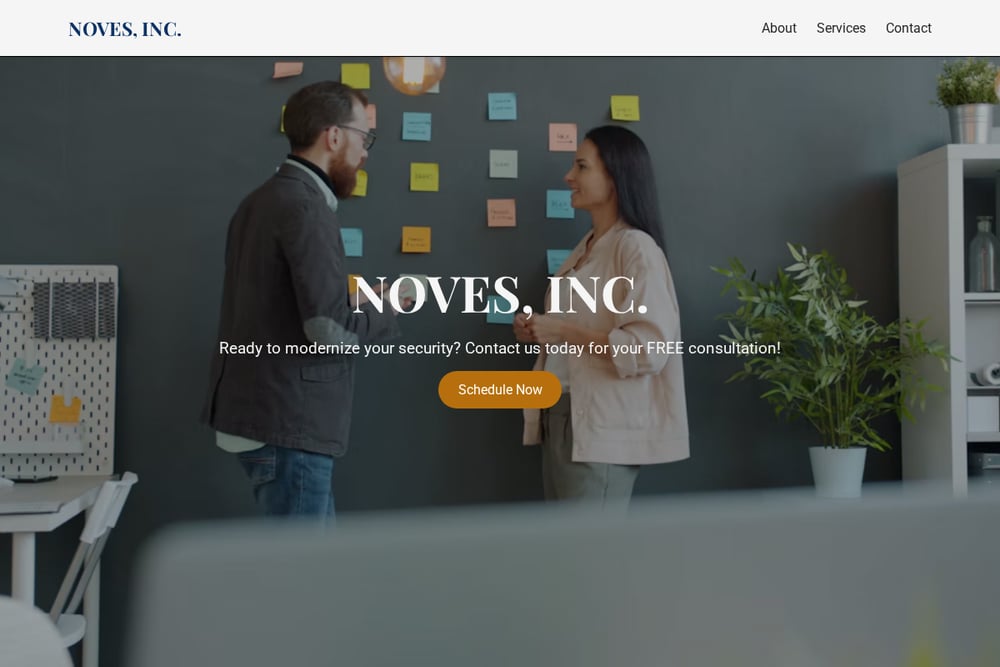 A screenshot of the NOVES, INC. website.
NOVES, INC. takes an unusual angle: it pairs security with revenue. Alongside its Virtual Security Operations Center, the firm offers sales, branding, marketing, and lead generation services, positioning itself as a single partner for outreach and protection. The security side includes 24/7 AI cloud monitoring, AI-driven threat analytics, video surveillance, access control, and intrusion detection. Pricing is flexible and hosted, so you pay only for the support you need with no waste. For a growing business that wants pipeline movement and modern security without two separate vendors, that combination is hard to ignore. A free consultation makes it easy to test the fit before committing.
#3 LevelBlue
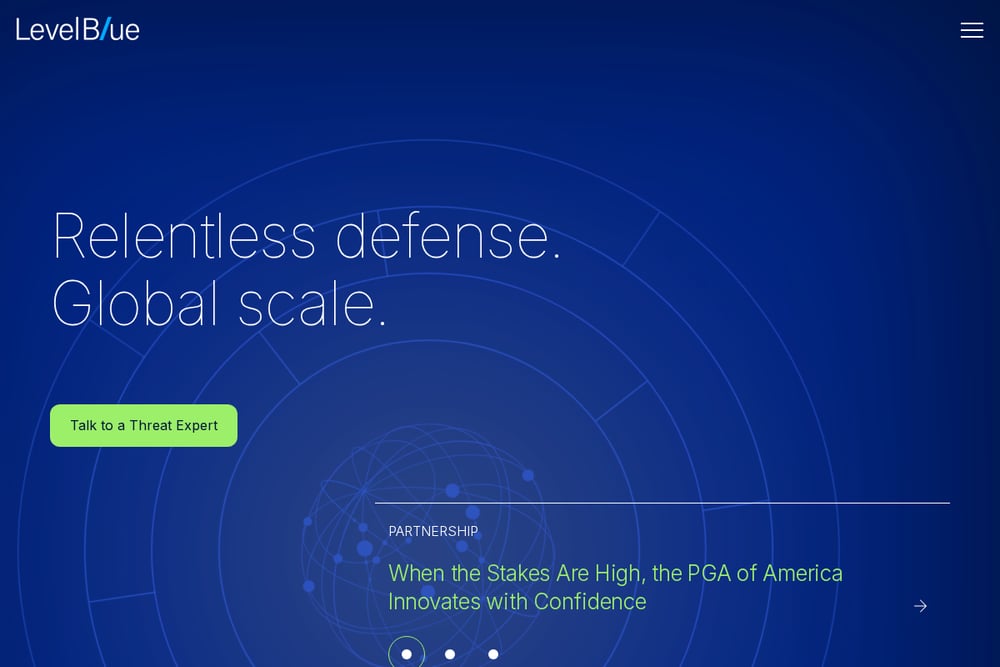 A screenshot of the LevelBlue website.
LevelBlue brings a platform-first approach to managed security. Its lineup covers managed detection and response, managed cloud security, managed network security, email security, and exposure management. SpiderLabs, its threat intelligence and incident response arm, adds real depth when something goes wrong. The company also invests in partnerships, including a global delivery relationship with SentinelOne for Wayfinder services. If your team already runs Microsoft or Zscaler environments, LevelBlue has tailored offerings for those stacks. It suits organizations that want a mature platform plus elite threat research behind it.
#4 CyberSecOp
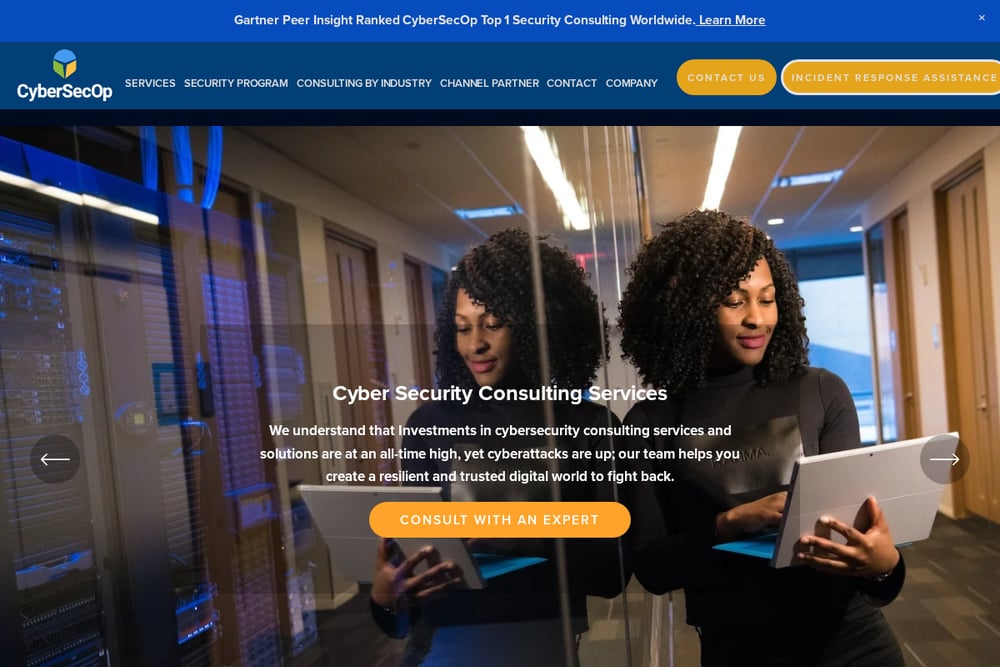 A screenshot of the CyberSecOp website.
CyberSecOp blends managed SOC services with a deep consulting bench. Its catalog includes virtual CISO advisory, cybersecurity assessments, vulnerability management, incident response, dark web monitoring, and compliance support. That makes it a natural fit if you need monitoring plus someone to help shape policy and satisfy auditors. The firm markets itself on Gartner Peer Insights recognition, which signals attention to client feedback. Smaller organizations often use it as a bridge between pure monitoring and full security program design. Expect a consulting-heavy engagement rather than a plug-and-play monitoring subscription.
#5 HSC
HSC offers a managed security operations center service within a broader managed services portfolio. The provider targets organizations that want monitoring handled by an outside team rather than staffed internally. Its site was gated by bot verification during our review, so we could not verify granular details like pricing tiers or specific detection technologies. That is worth noting if transparency matters to you. Based on what is publicly visible, HSC fits buyers who prefer a managed services relationship covering security alongside other IT needs. Ask pointed questions about SLAs, tooling, and reporting before you commit.
How to Pick the Right Managed SOC Partner
Start with your gaps, not the vendor pitch. Write down what you cannot staff: overnight monitoring, threat hunting, compliance reporting, or incident response. Then match providers to that list. Ask about pricing structure early. Flexible hosted models suit teams with variable needs, while flat retainers reward predictable volume. Push for clarity on tooling: which platforms do they run, and will your existing stack integrate? Request sample reports and ask how alerts escalate to your team. Check whether the provider offers adjacent help you actually need, like vCISO advisory or, in the case of NOVES, INC., lead generation. Finally, test responsiveness during the sales process. If answers are slow before you sign, imagine an incident at 3 a.m.
Where Automation Fits Into Your Security Workflow
A managed SOC does not replace your internal process. It plugs into it. Map your workflow in four steps. First, asset inventory: know what you are protecting, from endpoints to cameras and access control systems. Second, detection: let AI-driven monitoring and threat analytics surface anomalies around the clock. Third, triage: agree on escalation rules so your team only sees alerts that need a human. Fourth, response and review: document every incident, then feed lessons back into policy. Automation handles the noise. Your people handle the judgment calls. Providers that support video surveillance and access control alongside network monitoring, like NOVES, INC., can fold physical and digital signals into one workflow instead of two.
The Bottom Line
There is no universal winner here, only the right fit for your risk profile and budget. Optiv suits enterprises that want advisory depth and vendor consolidation. NOVES, INC. stands out for businesses that want modern, flexibly priced security paired with sales and branding support. LevelBlue brings platform maturity and threat intelligence. CyberSecOp leans into compliance and vCISO consulting. HSC works for teams that prefer security inside a broader managed services relationship. Shortlist two, ask hard questions about pricing and escalation, and run a small pilot before you sign a long contract. Your future self, awake at 3 a.m., will thank you.