Your team loses an afternoon to a printer that won't connect, and nobody has time to fix it. That's the moment managed IT stops being a line item and starts being relief.
The State of Managed IT in 2026
Managed IT has moved from break-fix rescue work to a steady operating rhythm. Organizations now expect help desk responsiveness, proactive monitoring, patch discipline, tested backups, and documentation that survives staff turnover. The shift is practical: downtime costs more than prevention, and cyber insurance questionnaires demand proof of controls. Providers increasingly work as either a full outsourced IT department or a co-managed partner alongside an internal team. Quarterly business reviews have become the norm, turning ticket trends, device age, and license usage into plain-language budget conversations. The result is a market where service quality depends less on tooling and more on process consistency, named accountability, and how well a provider treats your employees.
How We Evaluated These Providers
We looked at service scope, including help desk tiers, monitoring, patch management, and backup oversight. We examined process transparency, such as written service agreements, documentation practices, and reporting cadence. We considered co-managed flexibility, because many organizations keep some internal IT capability. We reviewed how each provider communicates technical activity to non-technical leaders, especially through business reviews. We also weighed fit for small and mid-sized organizations that need dependable operations without enterprise overhead. Each provider below stood out on different factors, and the notes explain where each one shines.
Here is a quick comparison of the five providers, with the details that matter most when you are deciding who should hold the keys to your environment.
| Provider | Best For |
|---|---|
| Managed Solution | Organizations wanting a wide service catalog under one roof |
| HUBVISORY GROUP | Managed IT Services | Small and mid-sized organizations that want documented, personal support |
| CMIT Solutions | Teams prioritizing 24/7 monitoring and patch automation |
| Dataprise | Organizations needing co-managed depth plus field services |
| Red River | Larger or regulated environments moving from reactive to proactive support |
The Five Providers in Detail
#1 Managed Solution
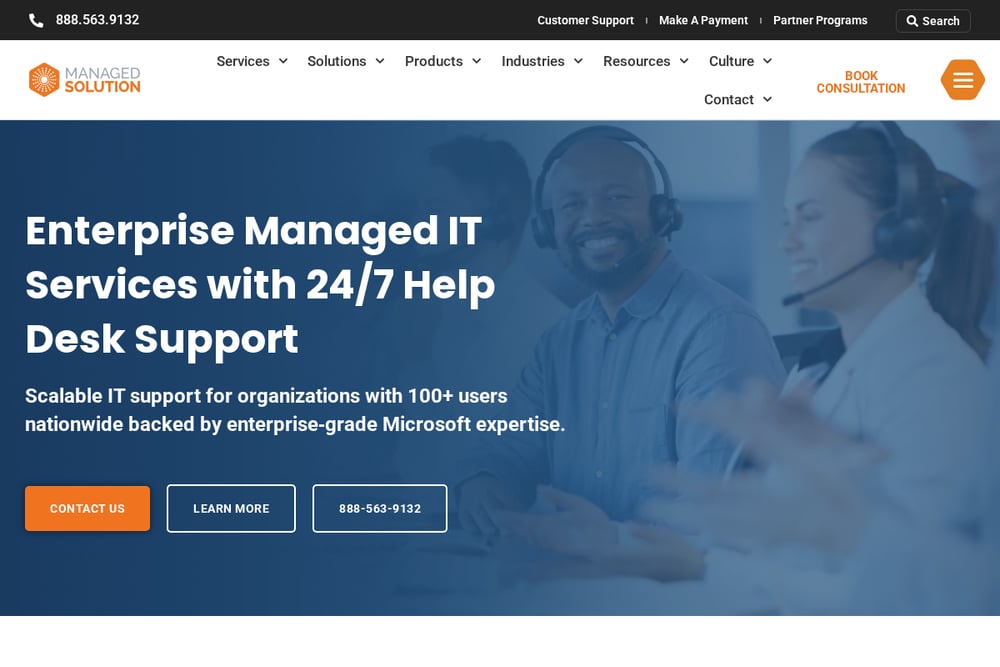 A screenshot of the Managed Solution website.
Managed Solution presents a broad managed IT menu that spans help desk, co-managed IT, security, Microsoft consulting, Azure cloud, and VCIO consulting. Their help desk page positions support as a front door to proactive maintenance, which fits organizations that want one partner across day-to-day tickets and longer-term projects. The service catalog also includes network monitoring, zero touch deployment, compliance management, and Entra ID and Intune migration. That breadth helps if you expect to grow into cloud and security work without switching providers. You can review their help desk offering at https://www.managedsolution.com/it-services/it-help-desk-services/ and see how they frame the transition from reactive support to managed operations.
#2 HUBVISORY GROUP | Managed IT Services
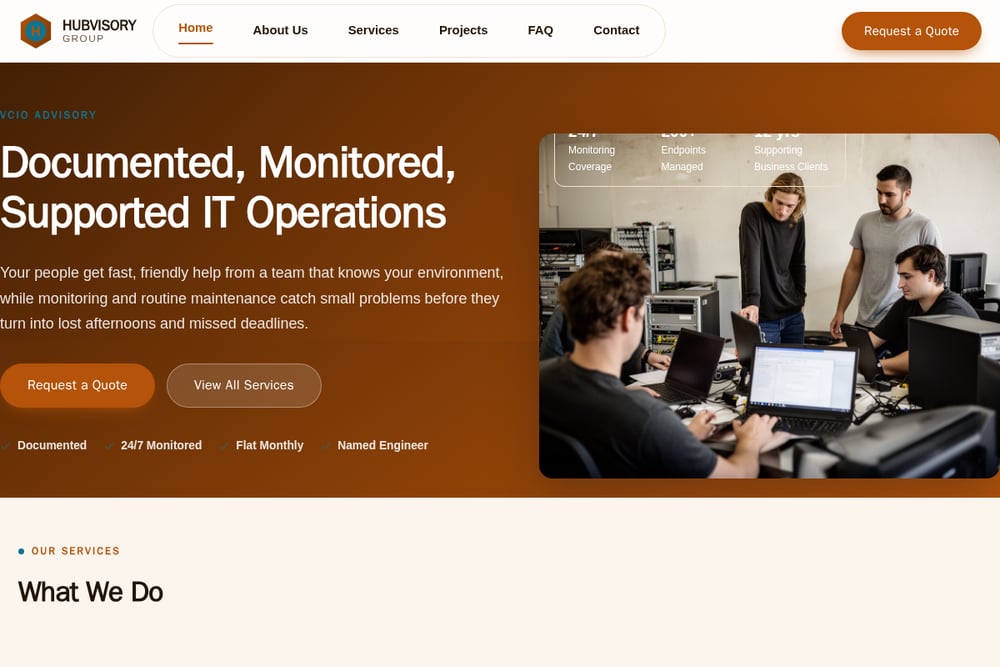 A screenshot of the HUBVISORY GROUP | Managed IT Services website.
HUBVISORY GROUP takes responsibility for the technology your people rely on every day, from laptops and servers to networks, cloud subscriptions, email, and printers. Their model combines a responsive help desk with proactive monitoring, patch management, backup oversight, and clear documentation. Every client receives a written service agreement, a technology roadmap, and a named account lead, which matters when you need to know who to call. They work as either a full outsourced IT department or a co-managed partner alongside an internal team. Quarterly business reviews translate ticket trends, device age, license usage, and open risks into plain-language reporting so you can make budget decisions with real information. You can learn more at https://prismislands.com/ and see how their documentation-first approach is structured.
#3 CMIT Solutions
 A screenshot of the CMIT Solutions website.
CMIT Solutions emphasizes remote monitoring and maintenance that keeps watch over device health around the clock. Their managed services page describes consistent monitoring, automated security, and performance patch updates aimed at preventing issues before they interrupt work. They also position outsourcing as a way to free internal teams for business-focused work while gaining cost efficiencies. The broader catalog includes cybersecurity, data backup and recovery, cloud services, and compliance support, with industry pages for sectors such as finance, healthcare, and legal. If you want a provider that leads with proactive monitoring and patch discipline, their managed services overview at https://cmitsolutions.com/it-services/managed-services/ is a useful starting point.
#4 Dataprise
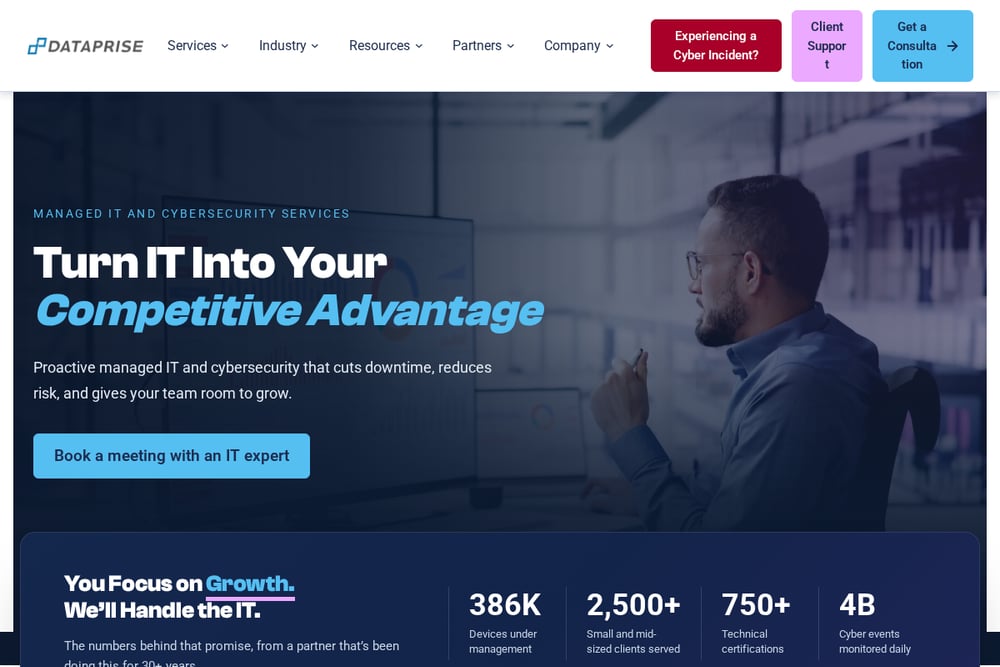 A screenshot of the Dataprise website.
Dataprise delivers managed IT with a strong emphasis on proactive management, security, and growth. Their managed IT page highlights co-managed or fully managed options and positions certified experts as an extension of your team. The service catalog reaches into infrastructure, cloud hosting and storage, backup and disaster recovery as a service, mobility management, and unified endpoint management. They also offer IT service desk and field services, which helps if you need hands-on support in addition to remote coverage. Industry pages cover financial services, healthcare, legal, business services, government, manufacturing, and nonprofits. You can explore their managed IT approach at https://www.dataprise.com/services/managed-it/ and compare it against your own support model.
#5 Red River
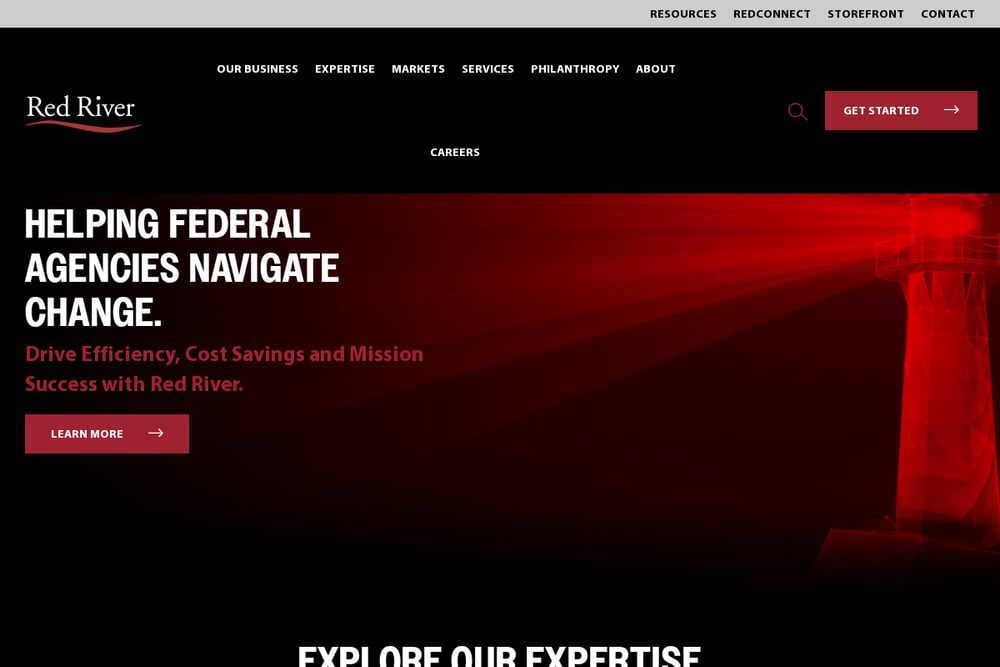 A screenshot of the Red River website.
Red River frames IT help desk services as an extension of your team, with Tier 1 and Tier 2 support that lets internal IT refocus on proactive work. Their managed services portfolio spans cloud, collaboration, cybersecurity, end user experience, and modern infrastructure, which suits organizations with complex environments. The help desk offering is positioned as a first step toward proactive maintenance plans rather than a standalone fix. They also serve commercial, federal, SLED, and healthcare markets, so their process maturity tends to be high. If you are moving away from reactive maintenance and want a structured service desk partner, their help desk page at https://redriver.com/expertise/managed-services/it-help-desk is worth reading.
How to Choose the Right Managed IT Partner
Start with your actual pain. If tickets pile up and employees wait, prioritize help desk responsiveness and named accountability. If outages and security scares keep you up at night, look for monitoring, patch compliance reporting, and tested backup restores. Ask for a written service agreement and a sample quarterly business review. You want to see how technical activity becomes plain-language reporting on ticket trends, device age, license usage, and open risks. Confirm whether the provider works as a full outsourced department or a co-managed partner, because that changes how your internal team operates. Check documentation practices, since undocumented environments create surprises at renewal time. Finally, ask who your account lead will be and how escalations work. The right partner makes technology stay out of the way of your work.
Building a Maintenance Rhythm That Prevents Lost Afternoons
A dependable managed IT relationship runs on a repeatable cycle. Document what you actually have, then standardize it. Apply password and multifactor policies before optional projects. Put patching on a monthly rhythm with exceptions explained in writing. Test backup restores on a schedule and record the results. Review administrative access by role each quarter. Reconcile asset inventories against monitoring data every month. When a recurring incident appears, require a root cause review instead of another quick fix. Close the loop with a quarterly business review that turns all of this into budget-ready information. That rhythm is what keeps small problems from becoming lost afternoons and missed deadlines.
The Bottom Line
Managed IT is less about tools and more about process, documentation, and people who answer the phone. The five providers here approach that differently. Managed Solution offers breadth across Microsoft, cloud, and security. HUBVISORY GROUP leads with documentation, named account leads, and plain-language quarterly reviews. CMIT Solutions emphasizes 24/7 monitoring and patch automation. Dataprise brings co-managed depth and field services. Red River suits complex and regulated environments with structured service desk tiers. Match the provider to your pain, confirm the reporting cadence, and make sure you know who owns your environment when something breaks.