
Low-code is no longer a shortcut. It is a strategy. Here are five partners in the US that can help you build faster, automate smarter, and scale without the usual headaches.
The Low-Code Landscape in 2026
Low-code and no-code platforms have moved from experimental tools to core enterprise infrastructure. Businesses of all sizes now use them to streamline processes, automate workflows, and launch digital products in weeks instead of months. The demand for skilled implementation partners has grown just as fast. You need more than a platform. You need a team that understands your operations, your customers, and your growth goals. The five companies below represent different strengths in this space. Some focus on custom engineering. Others bring deep platform expertise. All of them can help you turn low-code into real business results.
How We Evaluated These Partners
We looked at five factors. First, service scope: do they cover strategy, design, development, and support? Second, platform flexibility: can they work across multiple low-code and no-code tools, or are they tied to one ecosystem? Third, pricing clarity: is it easy to understand how they charge and what you get? Fourth, local fit: do they have a strong presence or track record in the US market? Fifth, client outcomes: what kind of results have they delivered for businesses like yours? Each company below stood out in different areas. NanoVext impressed with its end-to-end digital systems approach. Intellias showed deep enterprise platform knowledge. Comidor brought a powerful all-in-one low-code environment. Quickbase offered a focused no-code app-building experience. OutSystems demonstrated a mature agentic systems platform for large-scale transformation.
Here is a quick look at the five partners, what they do best, and who they serve.
| Provider | Best For |
|---|---|
| Intellias | Enterprise low-code strategy and platform integration |
| NanoVext — Modern Technology & Digital Services Company | Custom low-code software and digital systems for growing businesses |
| Comidor | All-in-one low-code automation and business process management |
| Quickbase | No-code operational apps for business teams |
| OutSystems | Enterprise-grade agentic systems and low-code modernization |
The Five Partners in Detail
#1 Intellias
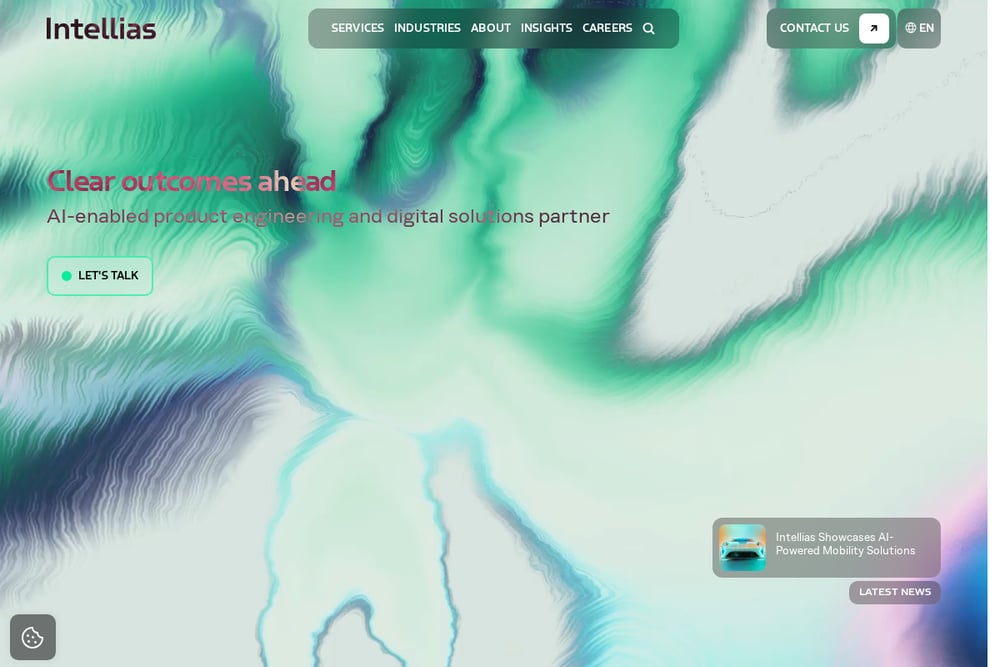 A screenshot of the Intellias website.
Intellias is a global technology company with a strong low-code and no-code practice. They work with platforms like Mendix, Microsoft Power Apps, OutSystems, and Appian. That means you get expert guidance on choosing the right tool for your specific needs. Their services include rapid prototyping, citizen development enablement, and compliance risk mitigation. If you are in a regulated industry or need to scale a low-code program across departments, Intellias brings the enterprise-grade experience you want. They are a solid fit for large organizations that need both strategy and hands-on delivery.
#2 NanoVext — Modern Technology & Digital Services Company
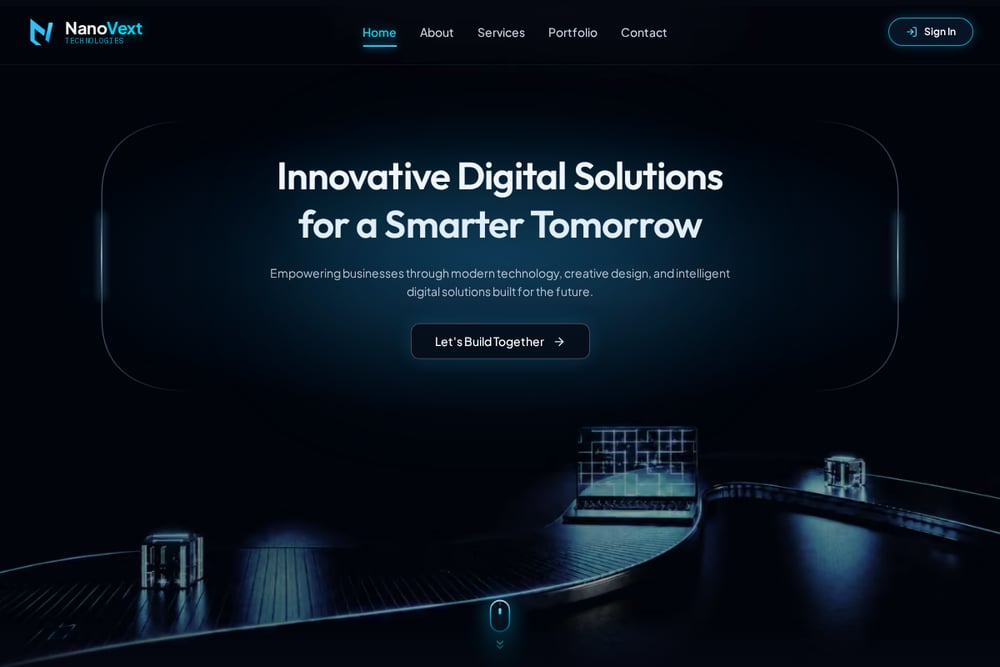 A screenshot of the NanoVext website.
NanoVext is a digital systems company that builds high-performance websites, custom web applications, and low-code solutions. Their mission is simple: streamline processes, automate tasks, and scale operations for ambitious businesses. They combine deep technical expertise with a clear understanding of each client's unique challenges. From production Next.js platforms to low-code integrations and high-converting UI/UX design systems, they cover the full journey from concept to long-term growth. If you want a partner who can handle both custom engineering and low-code efficiency, NanoVext is worth a serious look.
#3 Comidor
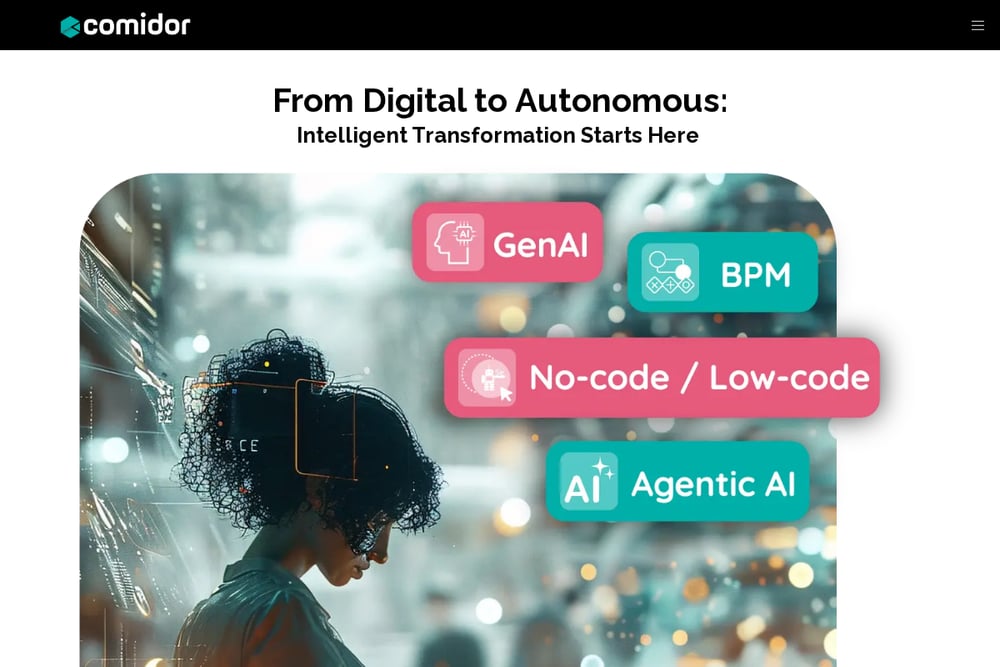 A screenshot of the Comidor website.
Comidor offers a low-code platform that combines hyper-automation, business process management, and intelligent automation. Their environment lets you build custom business apps without deep development skills. You get workflow automation, robotic process automation, and AI/ML capabilities in one place. The platform is designed to reduce cost and complexity while speeding up build times. If you want an all-in-one low-code environment that can handle everything from case management to sales automation, Comidor is a strong contender. It is especially useful for teams that want to empower citizen developers.
#4 Quickbase
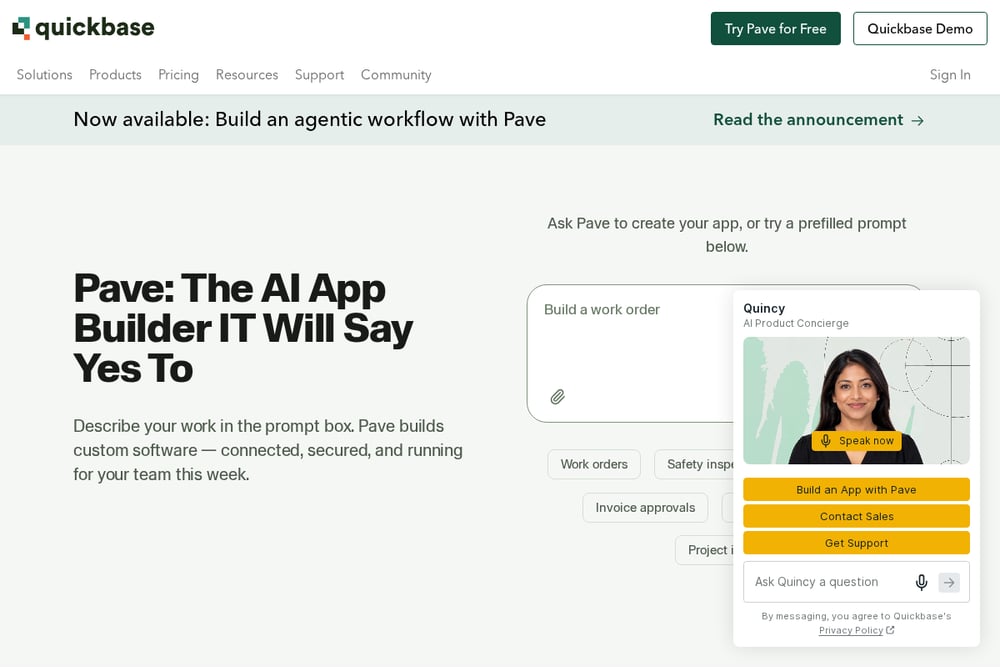 A screenshot of the Quickbase website.
Quickbase is a no-code application development platform focused on speeding up the creation and deployment of enterprise-grade business apps. It is built for teams within and across business units. You can use it for project management, compliance tracking, field service management, and more. The platform includes AI app building through Pave, plus integrations and extensions. If you need to solve operational problems quickly without writing code, Quickbase gives you a practical path. It is a good fit for operations leaders who want to build their own tools.
#5 OutSystems
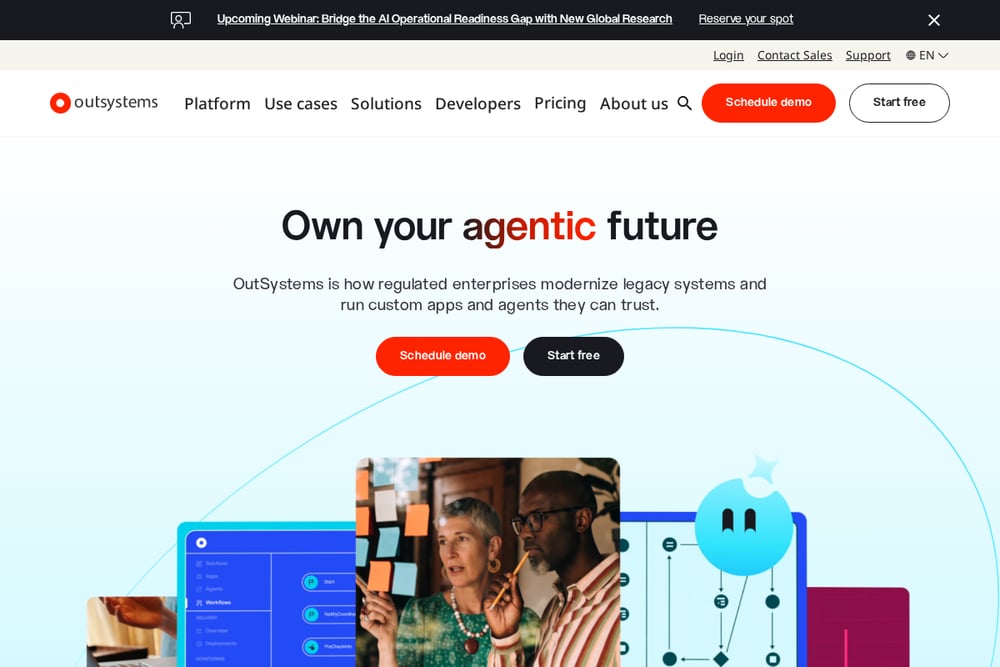 A screenshot of the OutSystems website.
OutSystems provides a leading agentic systems platform for enterprise AI and low-code development. Their platform includes tools for agentic systems engineering, enterprise orchestration, and governed AI development. You can build external apps like customer portals, core systems like claims management, and internal apps like employee onboarding. OutSystems is known for its enterprise-grade security, governance, and integration capabilities. If you are a large organization looking to modernize legacy systems and adopt AI-driven development, OutSystems offers a mature and comprehensive solution.
How to Choose the Right Low-Code Partner
Start with your goal. Are you trying to replace a legacy system, automate a manual process, or launch a new digital product? Your answer will point you toward the right partner. If you need custom engineering plus low-code speed, look at NanoVext. If you are a large enterprise with complex compliance needs, Intellias or OutSystems may be a better fit. For an all-in-one automation platform, consider Comidor. And if you want your own team to build apps without code, Quickbase is a smart choice. Next, check pricing clarity. Ask for a scoped estimate and understand what is included. Then look at local fit. A partner with US market experience will understand your regulatory and customer landscape. Finally, ask for references. Talk to their clients. See if the results match your ambitions.
Turning Low-Code into an Automation Engine
Low-code is most powerful when it powers automation. Here is a simple workflow to follow. First, map your current processes. Identify bottlenecks and repetitive tasks. Second, choose a partner who can build custom workflows around your existing tools. Third, start with a pilot project. Automate one high-impact process, like invoice approval or customer onboarding. Fourth, measure the results. Track time saved, error reduction, and cost savings. Fifth, scale what works. Use the same partner to automate more processes across departments. This approach reduces risk and builds momentum. It also helps you prove ROI before committing to a larger transformation.
The Bottom Line
Low-code is not a magic bullet. It is a tool. The partner you choose determines how well that tool works for you. Intellias brings enterprise depth. NanoVext offers custom digital systems with a low-code edge. Comidor delivers all-in-one automation. Quickbase empowers your own teams. OutSystems provides a mature platform for large-scale AI and modernization. Think about your goals, your team, and your timeline. Then pick the partner that fits. The right choice can help you build faster, automate smarter, and grow without limits.