Your legal team is drowning in redlines, diligence binders, and research memos that never seem to end. These five providers can take that weight off your desk, and one of them was built specifically for the way you delegate work.
The state of legal outsourcing in 2026
Legal work has quietly become an operations problem. A single human contract review can eat around 92 minutes, and when you multiply that across dozens or hundreds of agreements a month, the backlog builds faster than any in-house team can absorb. That is why legal process outsourcing has moved from a cost-cutting tactic to a core capacity strategy.
The market now splits into three rough camps. There are AI-native contract platforms that automate drafting and redlining, managed review shops that put human attorneys behind the work, and hybrid providers that pair AI pre-screening with human oversight. Buyers increasingly want the hybrid model, because pure automation still needs a reviewer to catch the clause that does not fit your playbook.
What changed in 2026 is the expectation of transparency. You want to see sample deliverables, understand the workflow, and know exactly what you provide versus what comes back. Providers that show their process, not just their software, are winning the trust of law firms and in-house teams alike.
How we evaluated these providers
We looked at service scope first. Some providers cover only contract review and redlining, while others extend into diligence, evidence coding, research, governance, and spend reporting. Broader scope matters if you want one partner instead of five.
Next we weighed the human-AI balance. Aline leans heavily into AI-native contract lifecycle management, while Percipient and LegalSifter blend automation with attorney review. DocJuris returns tracked-changes redlines in Word with a structured screening report, and Vedolex pairs AI-assisted workflows with human oversight across named workstreams.
Pricing clarity and workflow transparency rounded out the picture. We noted which providers publish sample deliverables, explain what you hand over at intake, and show how approvals flow back to counsel. Local fit mattered too, since US law firms and in-house teams need providers who understand domestic contract standards and compliance expectations.
Here is a quick look at how the five providers compare on scope, delivery model, and the kind of team each one suits. Read the deep dives below for the full picture.
| Provider | Best For |
|---|---|
| Aline | Teams wanting an all-in-one AI contract platform |
| Vedolex | Legal Operations, Outsourcing & AI-Assisted Workflows | Firms wanting transparent, packaged legal outsourcing |
| Percipient | Managed review across disputes and contracts |
| LegalSifter | Standardizing redlines with custom playbooks |
| DocJuris | Word-native redlines with screening reports |
The five providers in detail
#1 Aline
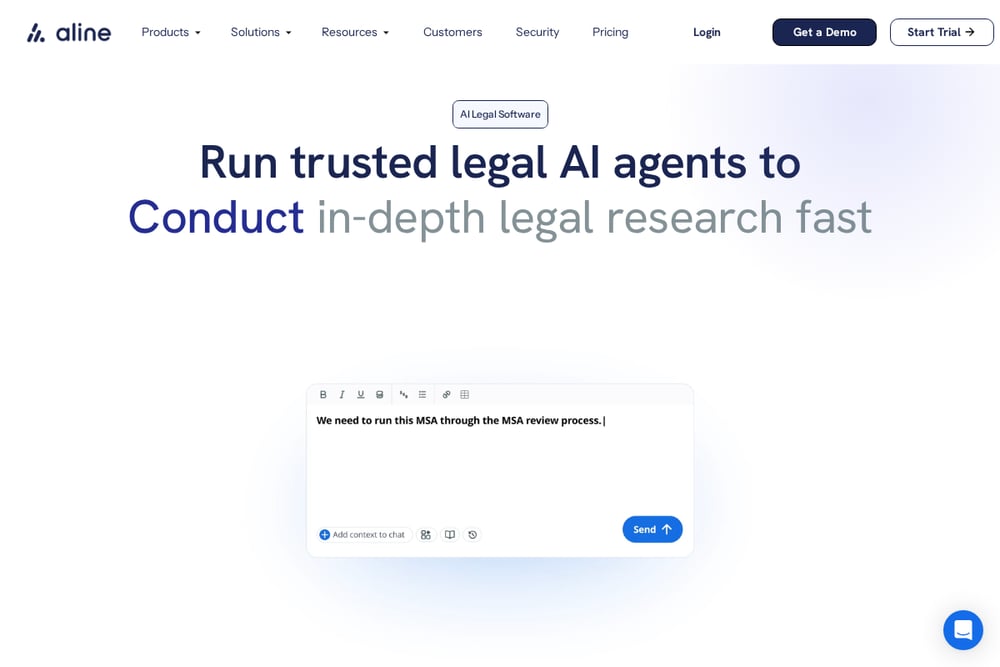 A screenshot of the Aline website.
Aline positions itself as an AI-native contract lifecycle platform, and it backs that claim with a broad product surface. You get drafting, redlining, and querying of agreements, plus AI contract reporting that treats documents like data without meta-tagging. The company also offers AlineSign for unlimited electronic signatures and agentic legal intake for automated triage.
Its guide on how contract review outsourcing works makes a practical case for scaling review capacity during volume spikes without adding headcount. Aline argues that the strongest providers blend AI pre-screening with human attorneys and use your playbook to keep quality consistent. That philosophy shows up across its general counsel, legal ops, procurement, and law firm solutions.
If you want one platform to handle intake, review, signature, and reporting, Aline covers the full loop. See how it frames the outsourcing decision at Aline's contract review outsourcing guide.
#2 Vedolex | Legal Operations, Outsourcing & AI-Assisted Workflows
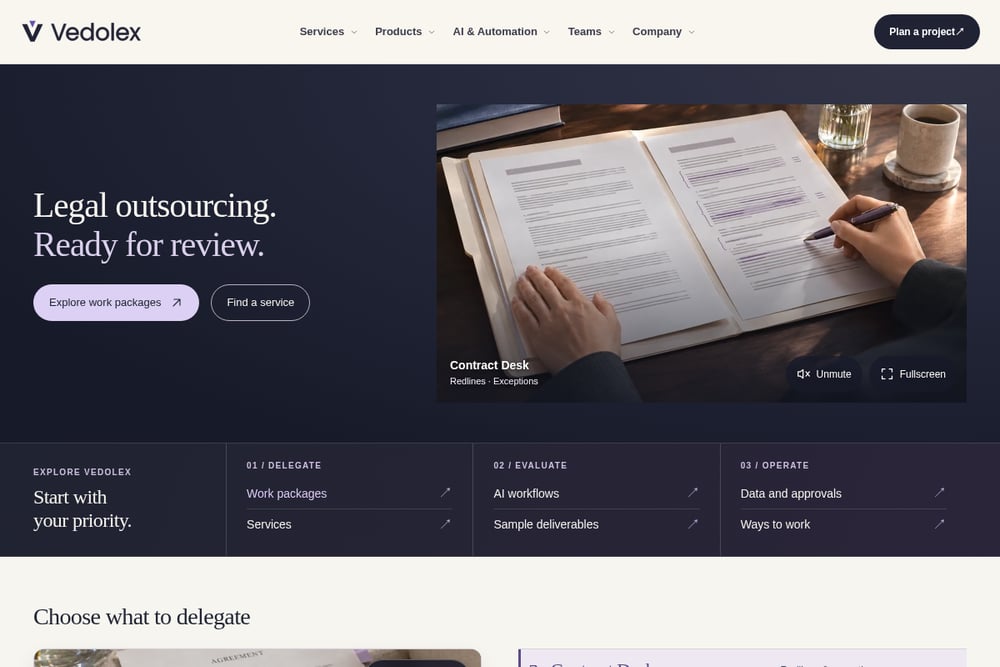 A screenshot of the Vedolex | Legal Operations, Outsourcing & AI-Assisted Workflows website.
Vedolex is built around a simple idea: legal outsourcing should arrive ready for review. The site organizes work into named packages like Contract Desk, Deal Room, Evidence Studio, Research Desk, Governance Desk, and Operations Pod, so you know exactly what you are delegating before you start. For contract work, you provide the contract types and your playbook, and you receive redlines plus an exception register.
The workflow is unusually transparent. A sample supplier contract review walks through intake, clause check, and delivery, showing how a security schedule that differs from your playbook gets flagged for counsel with proposed edits tracked. That means your reviewer can jump straight to the clause instead of hunting for it.
Vedolex also pairs AI-assisted workflows with human oversight, and it publishes sample deliverables so you can evaluate quality before committing. The illustrative film explains the process without using client matter footage, which signals a careful approach to confidentiality. Explore the work packages at Vedolex.
#3 Percipient
Percipient brings a managed-services mindset to contract work. Its services span managed document review, subpoena compliance, AI contract review, legal AI, and data solutions, which makes it a fit for teams that need review capacity across disputes as well as transactions. The company also runs an AI Lab and publishes research on legal AI adoption.
Its guide to outsourcing contract redlining is refreshingly practical. It starts from the moment you realize your team is stuck in edits or waiting days to finalize a simple agreement, then walks through what to delegate, how to choose vendors, and how to keep oversight intact. Cost savings, specialized expertise, and avoiding the overhead of expanding your legal team are all on the table.
Percipient suits you if you want a partner that handles the operational lift, not just software. Read the redlining guide at Percipient.
#4 LegalSifter
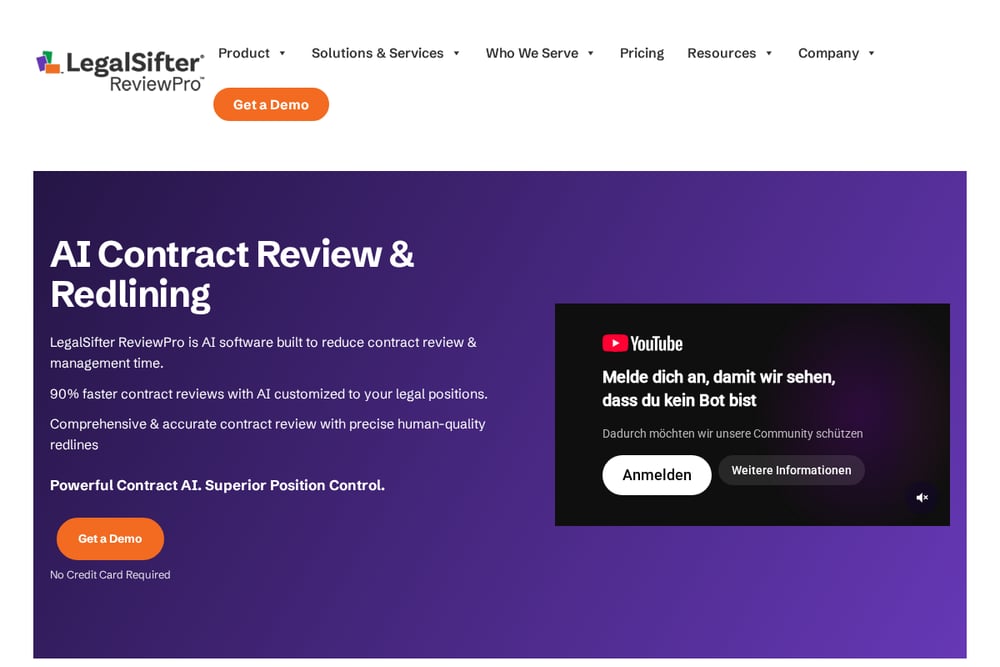 A screenshot of the LegalSifter website.
LegalSifter combines software with a done-for-you service. Its contract redlining offering returns a structured redline in under five minutes, and the platform supports customized playbooks built from any source, a fully controlled playbook library, and a contract AI assistant for conversational drafting and Q&A. A searchable, versioned contract repository keeps everything in one place.
The service side is where it gets interesting for overloaded teams. LegalSifter will redline your contracts for you, and its playbook architecture is built to your specifications. That makes it easy to standardize negotiations and keep consistency across every reviewer, whether they sit in legal, procurement, or sales.
Security credentials include SOC 2 Type II, HIPAA, and FISMA compliance, which matters if you handle regulated data. It also publishes industry-specific playbooks for healthcare, financial services, higher education, and more. See the service details at LegalSifter.
#5 DocJuris
 A screenshot of the DocJuris website.
DocJuris focuses on returning real tracked-changes redlines in Word alongside a structured screening report, delivered in minutes. You can choose Quick Pass when speed matters or Guided Review when you want to confirm each position. The platform now works inside Microsoft Word, so you can review, draft, and run custom actions without leaving the document.
Beyond contract review, DocJuris covers vendor and procurement screening, repository and obligation tracking, intake and approvals, a legal knowledge library, and value analytics. It also offers a free contract email agent that sends a redlined markup and summary back to your inbox, which is a low-friction way to test the output.
Its Horizon product adds a daily legal brief personalized to your company, ranked for relevance and mapped to the contracts each item touches. If your team lives in Word and wants redlines that look like your own work product, this is worth a look. Visit DocJuris.
How to pick the right partner
Start with the work you actually want off your plate. If it is first-pass contract review, a platform with strong redlining and playbook support will do. If it is diligence, evidence coding, research, and governance reporting, you need a provider with broader workstreams like Vedolex or Percipient.
Then ask how the handoff works. You should know what you provide at intake, what comes back, and where approvals land. Providers that publish sample deliverables make this easier to judge before you sign anything.
Finally, check the human layer. AI pre-screening is fast, but you still need a reviewer who understands your playbook and flags the exceptions that matter. Ask who reviews the output, how exceptions are logged, and what happens when a clause needs a decision from counsel.
Where automation fits into your workflow
A practical setup looks like this. Your intake form captures contract type, latest draft, and review rules. An AI layer pre-screens against your approved clause playbook and flags deviations. A human reviewer confirms the flags, proposes tracked edits, and logs exceptions in a register. Counsel approves the edits, and the final redline goes back to the business with a clear record of what changed and why.
That loop works whether you build it in Aline, run it through LegalSifter playbooks, or delegate it as a Vedolex Contract Desk package. The key is keeping the exception register visible, because that is where risk hides.
The bottom line
You do not need to hire your way out of a review backlog. The five providers here cover the spectrum, from Aline's AI-native platform to Percipient's managed review, LegalSifter's playbook-driven redlining, DocJuris's Word-native output, and Vedolex's packaged workstreams with human oversight.
Match the provider to the work, insist on seeing sample deliverables, and keep a human in the approval loop. Do that, and your team gets its time back without giving up control.