
Your leaders can have the best strategy in the world, but if they can't communicate it, it doesn't matter. These five providers help you turn messaging into trust, clarity, and action.
The State of Leadership Communication Training
Leadership communication training has moved from soft skill to core business driver. Organizations now recognize that trust, retention, and execution all hinge on how well leaders tell stories, frame decisions, and listen. The market reflects that shift. You'll find keynote speakers, workshop facilitators, executive coaches, and full-service training firms all competing for the same budget line. But they don't all solve the same problem. Some focus on stage presence. Others build narrative strategy. The strongest programs connect personal storytelling to workplace outcomes like team alignment and change management. Buyers should look for practical frameworks, measurable behavior change, and facilitators who understand organizational context, not just performance technique.
How We Evaluated These Providers
We looked at five factors across every provider. First, service scope: do they offer keynotes, workshops, coaching, or a blend? Second, practical application: can you use what you learn in a Monday morning team meeting? Third, audience fit: are they built for executives, emerging leaders, or entire organizations? Fourth, delivery format: virtual, in-person, or both. Fifth, thought leadership: do they publish frameworks, podcasts, or tools that extend the learning? Revel Story stood out for its workplace-first storytelling approach and accessible entry points. Business of Story impressed with a structured narrative system and deep keynote experience. Speaking Your Brand showed strength in speaker development and live workshop delivery. The Speaking Strategist brought high-touch coaching and stagecraft. Storytellers for Change offered a socially conscious, community-centered model. Each has a distinct sweet spot.
Here's a quick look at how these five providers compare on focus, format, and ideal audience.
| Provider | Best For |
|---|---|
| Business of Story | Leaders who want a repeatable storytelling framework |
| Revel Story | Leadership communication training | Practical leadership communication that builds trust |
| Speaking Your Brand | Executives preparing signature talks and presentations |
| The Speaking Strategist | High-touch coaching for stage-ready leaders |
| Storytellers for Change | Mission-driven teams focused on belonging and impact |
The 5 Providers in Focus
#1 Business of Story
 A screenshot of the Business of Story website.
Park Howell built Business of Story around a proven 10-step Story Cycle System that turns messy ideas into clear, persuasive narratives. The company delivers keynotes, workshops, and mastermind sessions for brands and institutions across the US and Europe. You get a repeatable method, not just inspiration. That matters if you need your leadership team to tell consistent stories across sales, marketing, and internal comms. The focus is heavily on business storytelling as a strategic tool, with a strong emphasis on clarity and impact. If you want a structured system and a seasoned keynote speaker, this is a strong fit.
#2 Revel Story | Leadership communication training
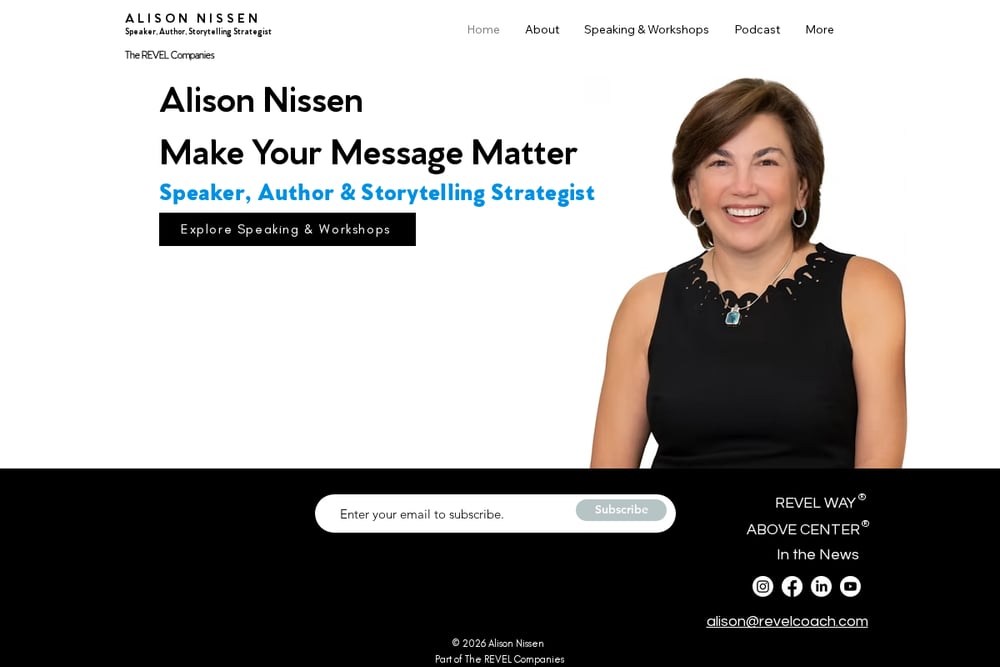 A screenshot of the Revel Story | Leadership communication training website.
Alison Nissen runs Revel Story with a clear mission: make your message matter. She combines speaking engagements, workshops, and storytelling programs specifically designed for leadership communication. The emphasis is on practical, workplace-ready strategies that build trust and strengthen teams. You won't just learn how to tell a story on stage; you'll learn how to use story in meetings, one-on-ones, and change announcements. Alison also hosts a podcast and leads The REVEL Companies, which gives her programs a broader thought-leadership backbone. For leaders who want clarity and confidence without theatricality, this is a grounded choice.
#3 Speaking Your Brand
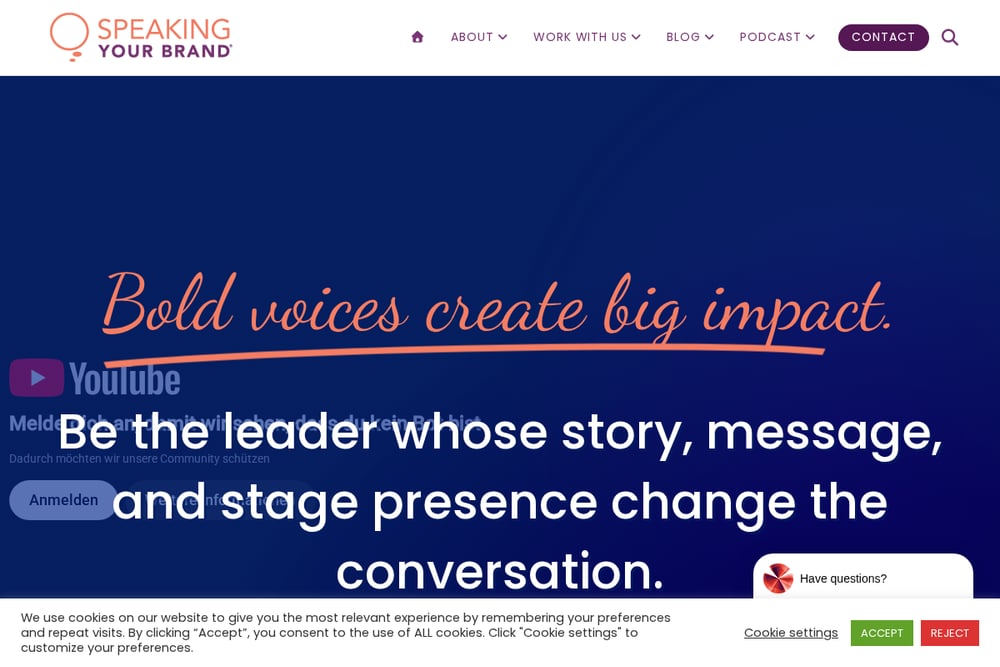 A screenshot of the Speaking Your Brand website.
Carol Cox and her team at Speaking Your Brand focus on helping speakers and thought leaders craft signature talks and presentations. Their storytelling workshop is delivered live on Zoom and teaches you how to make stories purposeful, not just personal. You learn proven techniques to connect with your audience and avoid the dreaded 'why is this person telling this story?' moment. The company also offers coaching packages, corporate trainings, and a thought leader academy. If your leaders need to present with authority and authenticity, this is a targeted resource. It's especially useful for executives preparing for keynotes, all-hands, or industry stages.
#4 The Speaking Strategist
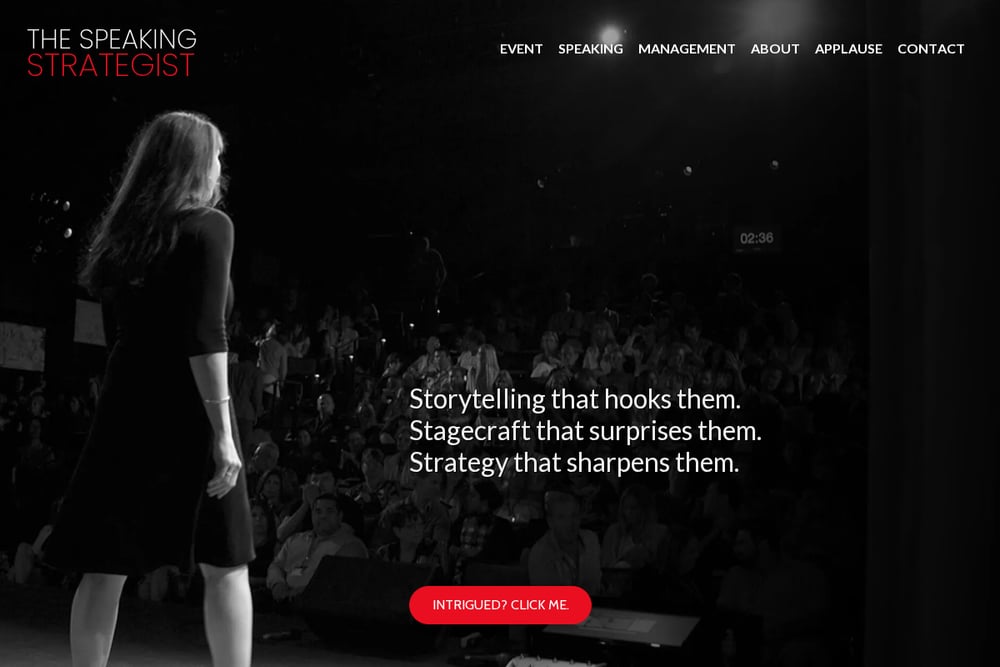 A screenshot of The Speaking Strategist website.
Kymberlee Weil brings a performance-driven approach to leadership communication. Her keynotes and workshops are designed to make your audience part of the story, pulling people in and shifting perspectives. The focus is on stagecraft, delivery, and the art of landing a talk strong. Testimonials from TED speakers, executive coaches, and even a former Green Beret highlight her ability to push clients toward measurable speaking growth. If you want high-touch coaching that refines structure, polish, and presence, this is a strong option. It's best for leaders who already have content and need to elevate delivery.
#5 Storytellers for Change
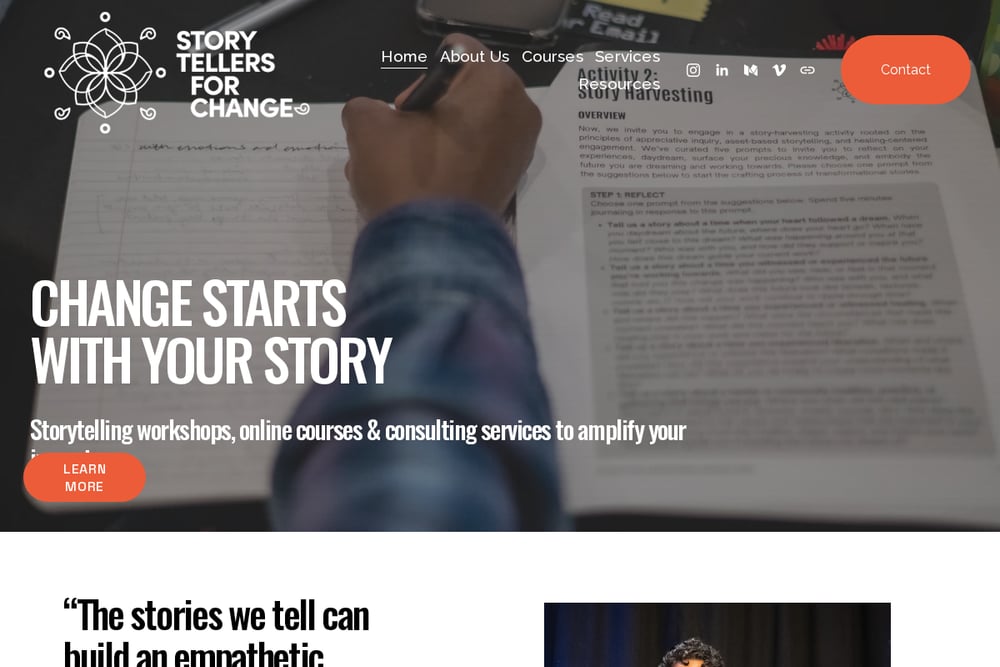 A screenshot of the Storytellers for Change website.
Storytellers for Change takes a storyteller-centered approach to workshops and facilitation. Since 2010, they've worked with youth, educators, and organizations to amplify stories that inspire action and build belonging. Their model puts people first, then practices storytelling as a skill. You get engaged learning, reflective space, and a strong emphasis on empathy and courage. This is not a corporate keynote factory; it's a facilitation practice for mission-driven groups. If your leadership communication goals include equity, community, and social impact, this provider aligns well.
How to Choose the Right Provider
Start with the outcome you need. If you want a repeatable narrative system across your organization, look for a structured framework like the one Business of Story teaches. If you need leaders to communicate with clarity and trust in daily workplace moments, prioritize practical programs like Revel Story. If your goal is to prepare executives for high-stakes stages, consider Speaking Your Brand or The Speaking Strategist. And if your work is community-centered, Storytellers for Change may be the best cultural fit. Next, check format. Do you need virtual workshops, in-person keynotes, or ongoing coaching? Then look at audience. Some providers are built for executives; others for emerging leaders or entire teams. Finally, ask for a sample framework or past client outcomes. You want proof that the training changes behavior, not just a great stage presence.
Where Automation Fits In
You can't automate trust. But you can automate the follow-through that makes communication training stick. After a workshop, use a simple workflow to send recap emails with key frameworks, schedule 15-minute practice check-ins, and collect anonymous feedback on whether leaders are applying the techniques. A shared document with story templates and meeting prompts keeps the language alive. If you run a podcast or internal newsletter, repurpose training clips into short reminders. The goal is to reduce the gap between learning and doing. Automation handles the reminders; your leaders handle the human moments.
The Bottom Line
Leadership communication is not a one-time event. It's a practice. The five providers here each offer a different path: a structured narrative system, a workplace-first storytelling approach, speaker development, high-touch stage coaching, and community-centered facilitation. Your job is to match the provider to your culture and your outcome. If you want practical trust-building across your leadership team, Revel Story is a smart place to start. If you need a scalable storytelling framework, Business of Story delivers. Whichever you choose, commit to repetition. That's where communication becomes a competitive advantage.