You keep circling the same patterns, and talk alone isn't cutting it. These five depth-oriented practices give you somewhere real to take that curiosity.
Where Depth Psychology Meets Modern Wellness
Jungian-informed coaching sits in an interesting gap. It isn't therapy, and it isn't the goal-setting hustle you'll find in most life coaching. Instead, it works with dreams, symbols, recurring patterns, projections, and the shadow, the parts of yourself you may not fully recognize. Practitioners in this space tend to be slow, reflective, and comfortable with questions that don't resolve in a single session. Alongside the one-on-one work, a growing number of facilitators are folding in experiential methods like conscious connected breathing, small-group breathwork, and imaginal or art-based inquiry. That blend matters for you as a buyer. Some people want a conversation partner who can hold depth over months. Others want a felt, body-level experience that opens a door conversation can't. The strongest practices are clear about which one they offer, who they serve, and how they hold the container. This roundup looks at five US-based practices doing that work with care.
How We Looked at These Practices
We weighed each practice on the same factors so you can compare apples to apples. First, service scope: does the practitioner offer one-on-one depth work, group experiences, or both, and how clearly is each described? Second, approach transparency: can you tell from the site what a session actually looks like, what frameworks are used, and what the practitioner believes about change? Third, accessibility and pricing clarity: are there visible ways to start, book, or ask questions, and is the cost structure easy to find? Fourth, fit and specialization: does the practice name who it serves, whether that's people in midlife transitions, the emotionally intense, or those drawn to creative and imaginal work? Fifth, container and safety: how is the group or individual space described, and does the practitioner signal care around emotional intensity? Breathwork with Maureen stood out for pairing Jungian-informed coaching with small-group conscious connected breathing in one coherent offering. Elizabeth Lorayne stood out for an imaginal, image-and-story approach with a clear invitation to sense fit first. Small Circles Ceremonies stood out for accessible educational writing that demystifies the work. Eggshell Therapy and Coaching stood out for a deep, specialized body of writing for emotionally sensitive and intellectually intense clients. Columbus Art Therapy stood out for blending Jungian analysis and shadow work with art therapy and dream groups.
Here's a quick side-by-side before the deeper look. Each entry below covers what the practice does, who it suits, and what you'll see on the site.
| Provider | Best For |
|---|---|
| Elizabeth Lorayne — Animae Depth Coaching | Seekers of meaning who respond to image, story, and imagination |
| Breathwork with Maureen | People in life transitions who want both talk-based and experiential inner work |
| Small Circles Ceremonies — Jungian Depth Coaching | Curious newcomers who want to understand Jungian coaching before starting |
| Eggshell Therapy and Coaching — Shadow Work and Jungian Coaching | Emotionally sensitive and intellectually intense clients seeking a specialist |
| Columbus Art Therapy — Jungian Analysis and Shadow Work | People drawn to art, dreams, and a clinical depth approach |
The Five Practices, Up Close
#1 Elizabeth Lorayne — Animae Depth Coaching
Elizabeth Lorayne frames her work as depth-oriented coaching grounded in Jungian psychology and imaginal process. If you've been wrestling with patterns, decisions, or long-standing questions without resolution, the invitation is to slow down and let image, story, and reflective inquiry guide direction. The site is unusually clear about the shape of the work: insight isn't the endpoint, it's the beginning of embodied movement. She also offers an initial exchange to sense fit and intention before committing, which is a thoughtful on-ramp for depth work. You can read more about her approach on the Animae Coaching page.
#2 Breathwork with Maureen
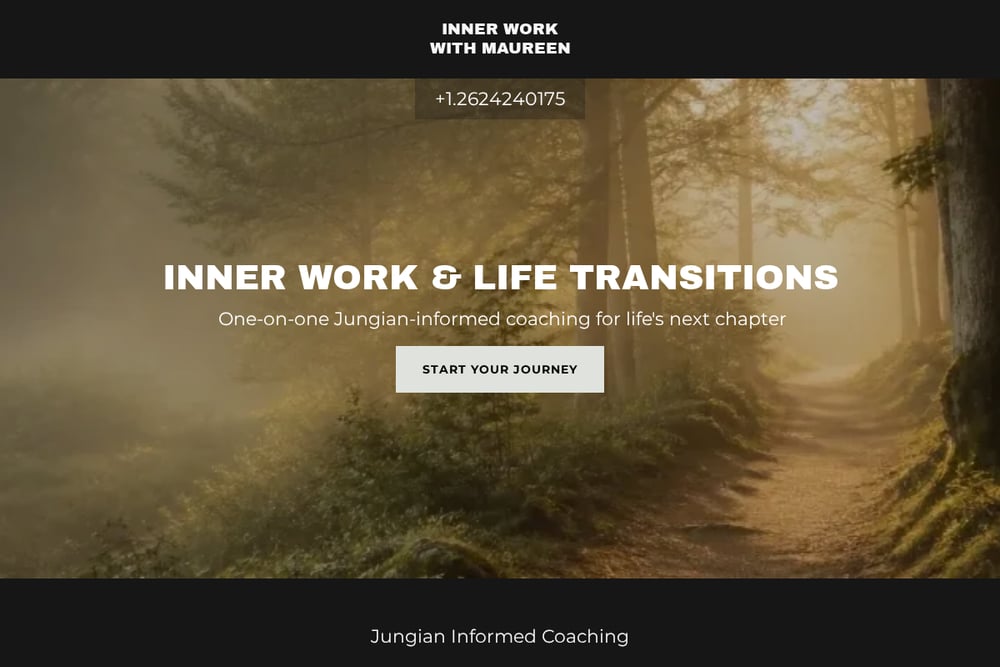 A screenshot of the Breathwork with Maureen website.
Maureen LeGros offers one-on-one Jungian-informed coaching alongside small-group breathwork experiences, which makes her practice one of the few here that pairs conversation with a felt, experiential method. Her coaching work explores recurring patterns, projections, dreams, and the shadow, with an emphasis on approaching yourself with curiosity rather than judgment. The breathwork side uses conscious connected breathing in a carefully facilitated small-group setting, inviting you to slow down and turn inward. She frames the whole offering around inner work and life transitions, which gives you a clear sense of who it's for. If you want depth work that moves between talking and breathing, this is the one to look at first.
#3 Small Circles Ceremonies — Jungian Depth Coaching
Small Circles Ceremonies runs Jungian depth coaching alongside ceremony and ritual work, including a one-on-one offering and a group program. What stands out is the educational writing: the site's guide to the foundations of Jungian coaching explains what the work is, how it differs from therapy, and why the inner life deserves attention. That kind of plain-language framing is genuinely useful if you're new to depth work and trying to figure out whether it's for you. The practice also names the specific entry points it works with, like recurring relationship patterns, lingering dreams, and transitions that unsettle an old identity. It's a good starting point if you want to understand the territory before you book.
#4 Eggshell Therapy and Coaching — Shadow Work and Jungian Coaching
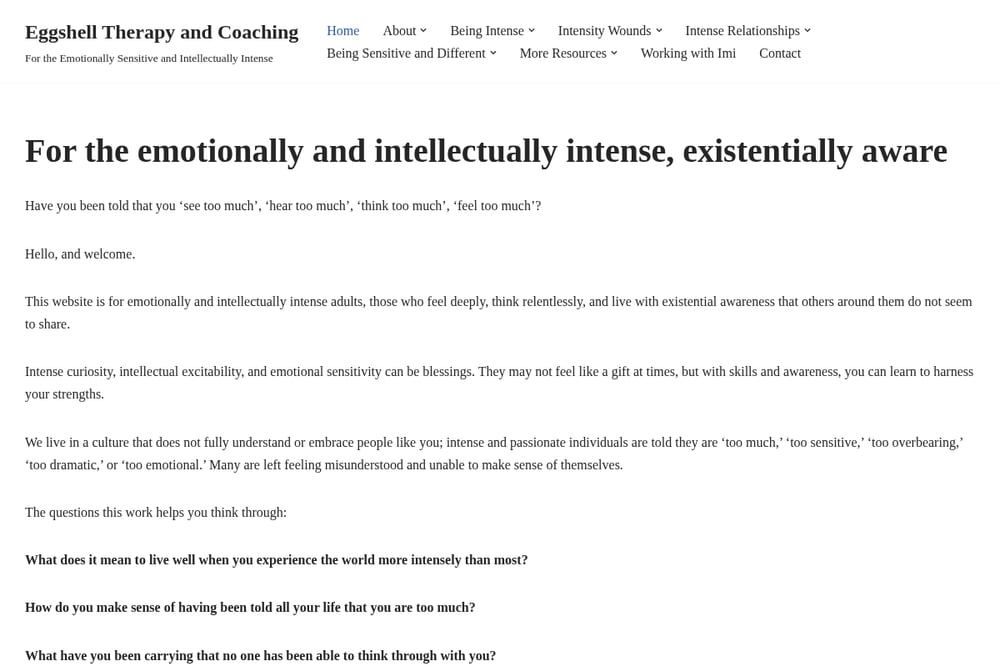 A screenshot of the Eggshell Therapy and Coaching — Shadow Work and Jungian Coaching website.
Eggshell Therapy and Coaching focuses on shadow work and Jungian coaching for people who describe themselves as emotionally sensitive and intellectually intense. The site carries an extensive library of writing on intensity, giftedness, existential questions, and complex family dynamics, which signals a practitioner who has thought carefully about a specific population. If you've ever felt like too much or not quite understood, the language here will likely resonate. The depth of the resource library also gives you a way to sample the practitioner's thinking before you ever reach out. It's a strong fit for readers who want a specialist rather than a generalist.
#5 Columbus Art Therapy — Jungian Analysis and Shadow Work
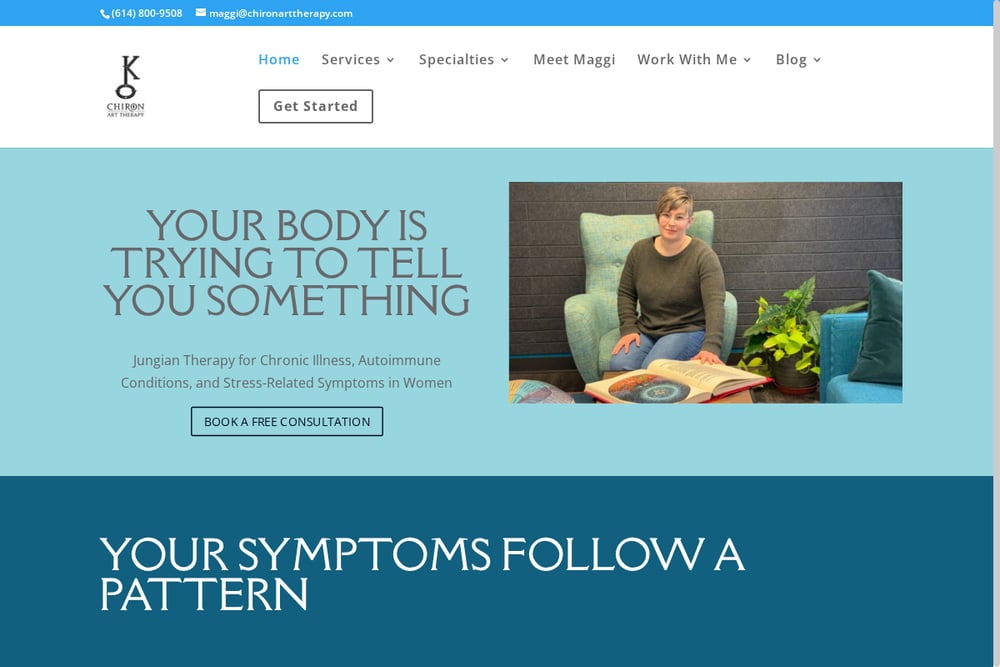 A screenshot of the Columbus Art Therapy — Jungian Analysis and Shadow Work website.
Columbus Art Therapy offers Jungian analysis and shadow work with a creative and clinical bent, including dream analysis, dream groups, and art therapy. The practice's writing on shadow work is refreshingly grounded: it separates Jung's original concept from the viral pop-psychology version and explains what shadow actually means. That clarity is valuable if you've encountered the term online and want the real thing. The practice also names specific specialties, including childhood trauma, women in midlife, and caretaking and people-pleasing patterns. If you want depth work with a creative, image-based entry point, this is worth a look.
How to Choose the Right Depth Practitioner
Start with the format you actually want. If you want to talk through patterns and dreams, look for one-on-one coaching. If you want a felt experience that bypasses the thinking mind, look for breathwork or art-based sessions. If you're unsure, a practice that offers both, like Breathwork with Maureen, lets you try the experiential side without leaving the depth frame. Next, check who the practitioner says they serve. A specialist in emotionally intense clients will read differently from a generalist, and that specificity usually means better fit. Then look for a low-stakes way in. An initial conversation, a fit check, or a free resource library tells you a lot about how the practitioner works before you spend money. Finally, read the writing. Depth work is slow, and the practitioner's voice on the page is a decent preview of the voice in the room. If the writing makes you feel seen rather than sold to, that's a good sign.
A Simple Workflow for Finding Your Fit
You don't need a complicated system to narrow this down. Set aside twenty minutes and open all five sites in separate tabs. First pass: read each practitioner's description of a session and note which one you could picture yourself in. Second pass: check for a clear way to start, whether that's a booking link, a fit conversation, or a contact form, and note which ones make it easy. Third pass: read one piece of writing from each practice and jot down which voice you'd trust with a hard question. Keep a short list of two, then reach out to both with a simple note about what you're working through and what you're hoping for. The replies will tell you plenty. Choose the one whose response feels like a real conversation rather than a sales pitch, and give it at least a few sessions before you judge the fit.
The Bottom Line on Depth Work
Depth-oriented coaching rewards patience. None of these five practices promise a quick fix, and that's the point. What separates them is format and fit: Elizabeth Lorayne leans into imagination and story, Breathwork with Maureen pairs Jungian coaching with small-group conscious connected breathing, Small Circles Ceremonies makes the work accessible through clear education, Eggshell Therapy and Coaching specializes in the emotionally intense, and Columbus Art Therapy brings art and dreams into the room. Read the writing, check the format, and pick the practitioner whose voice makes you feel willing to look within. That willingness is where the real work starts.