You want a designer who can carry a project from the first floor plan to the last light fixture. These five studios show you what that looks like in practice.
The State of Interior Design for Homes and Hospitality
Interior design has split into two demanding lanes. On the residential side, clients want full renovations with new floor plans, elevations, and material palettes that hold together room to room. On the hospitality side, boutique hotels and restaurants need spaces that tell a story guests remember. The studios that thrive do both. They blend artistry with logistics, pairing creative direction with FF&E specifications, sourcing, and site supervision. You will also notice a new tool in the kit: AI-enhanced lighting studies that test how natural and fixture light will read in a finished room before construction begins. That saves money and prevents expensive surprises. The firms below each approach this work differently, and that is exactly why they are worth your attention.
How We Evaluated These Studios
We looked at the same factors for every studio. First, service scope: does the firm handle space planning, material palettes, lighting, and site oversight, or only part of the job? Second, sector fit: how well does the portfolio balance residential renovations with hospitality interiors? Third, process transparency: does the site explain how the work unfolds, from discovery call to delivery? Fourth, local and regional context: does the studio design for its climate, market, and client base? Fifth, clarity of presentation: can you understand the firm's point of view from its portfolio and case studies? Elisabeth Richmond stands out for documented case studies that walk through scope, palette, and lighting studies. ROAM Interior Design stands out for a global hospitality focus and a storytelling approach. House of Form stands out for a rule-driven service philosophy and a broad sector mix. SOIA Design stands out for pairing residential, commercial, and architectural services with author's supervision. Thiel & Team stands out for decades of hospitality work backed by in-house architecture and procurement.
Here is a quick look at how the five studios compare on focus, service range, and the type of client each one serves well.
| Provider | Best For |
|---|---|
| ROAM Interior Design | Hospitality owners and developers who want story-driven design with operational depth |
| Elisabeth Richmond — Interior Designer | Homeowners planning a full renovation and boutique hoteliers who want one designer from plan to fixture |
| House of Form | Restaurant, bar, hotel, and multifamily projects that need a cohesive brand-forward look |
| SOIA Design | Coastal luxury homeowners and hospitality operators who want design plus architectural support |
| Thiel & Team | Club, hotel, and multifamily developers who need architecture, interiors, and procurement together |
The Five Studios in Detail
#1 ROAM Interior Design
 A screenshot of the ROAM Interior Design website.
ROAM positions itself as a global hospitality interior design studio built around curiosity and storytelling. The firm describes a design approach that unfolds in layers of sensory experience, which suits hotels, restaurants, and destinations that need a memorable identity. What sets ROAM apart is the pairing of artistry with operational knowledge. The team includes designers, visual artists, architects, project managers, and strategists who handle interior master planning, FF&E, and project strategy alongside creative direction. If you are an owner or developer who needs a partner fluent in hospitality logistics, this is a strong fit. Explore the studio's story and services at ROAM Interior Design.
#2 Elisabeth Richmond — Interior Designer
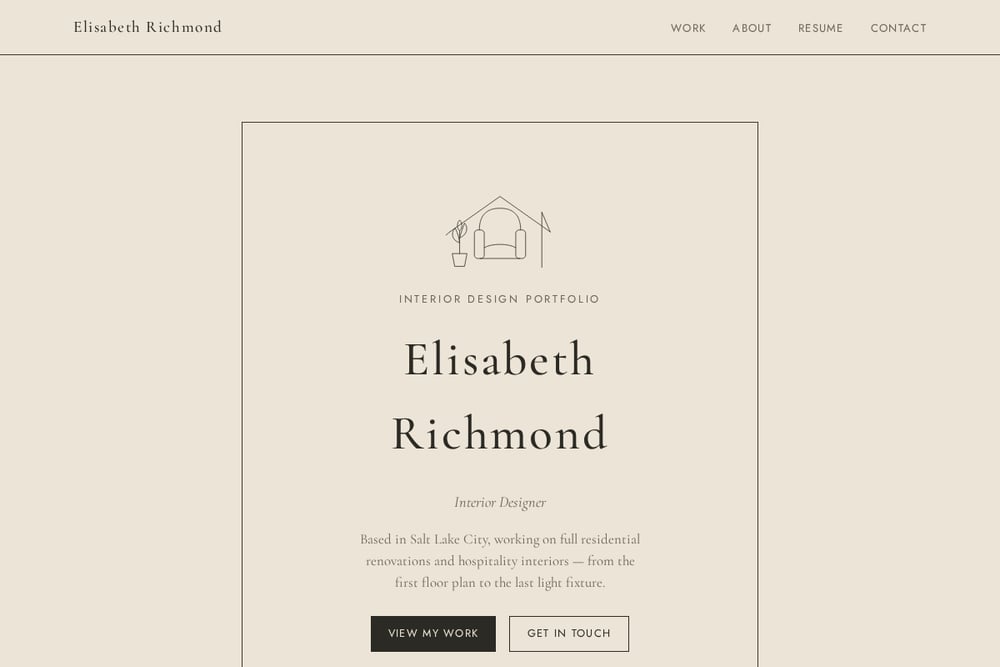 A screenshot of the Elisabeth Richmond — Interior Designer website.
Elisabeth Richmond is a Salt Lake City interior designer focused on full residential renovations and hospitality interiors. Her portfolio walks you through real case studies, including a whole-home Mediterranean renovation for a family of five with new floor plans for the main level and basement, full elevations, and a warm palette of plaster, wood, and stone. She also documents AI-enhanced lighting studies used during design development to test how natural and fixture light would read before construction. A boutique hotel project spanning three floors, from lobby to game room to suite, shows her hospitality range. The site keeps it simple: selected projects, an about page, a resume, and a contact form. See the work at Elisabeth Richmond — Interior Designer.
#3 House of Form
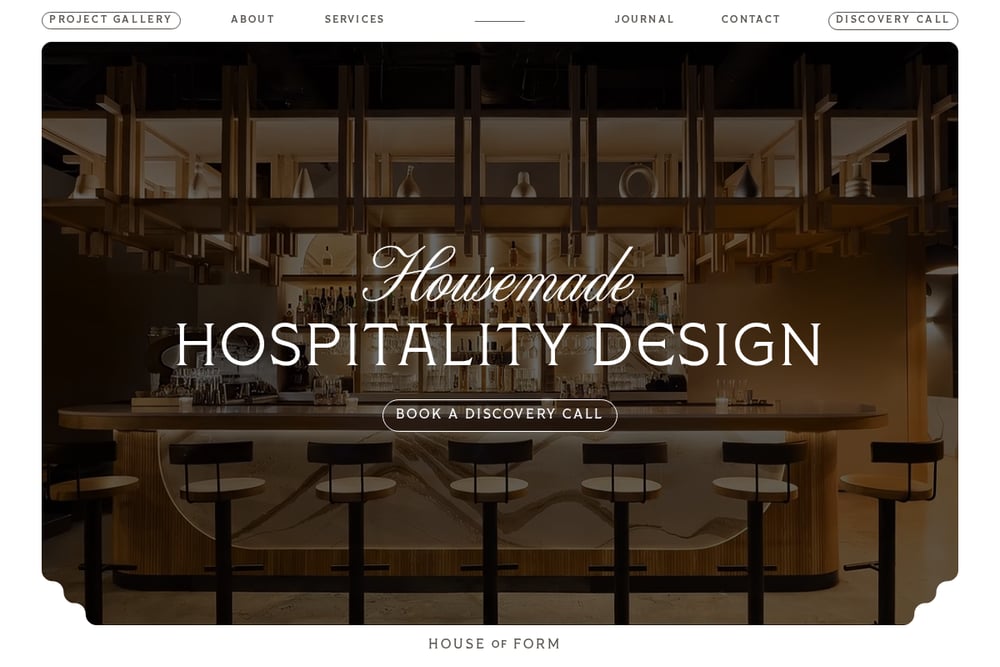 A screenshot of the House of Form website.
House of Form is a Phoenix-based studio that frames its work around accessible luxury and an elusive, ethereal vibe. The firm organizes its services by sector, covering restaurants, multifamily, bars, hotels, retail, and brand environments. That breadth means you can bring the studio into a culinary project, a boutique stay, or a multifamily build and get a consistent design language. House of Form also publishes its operating rules up front, emphasizing excellence, efficiency, and innovation, which gives you a clear sense of how the team works before you ever book a call. The site includes a project gallery, a journal, and a discovery call booking flow. Start with the project gallery at House of Form.
#4 SOIA Design
 A screenshot of the SOIA Design website.
SOIA Design is an Orange County studio serving luxury residential and hospitality clients across coastal Southern California. The firm bundles residential interior design, commercial interior design, and architectural design under one roof, which helps when a project needs floor plans, 3D visualizations, elevations, and specifications from a single team. SOIA also offers author's supervision and site visits, so the design intent carries through construction. Its portfolio leans toward oceanfront estates, hillside villas, and custom homes that blend California modernism with timeless materials. Hospitality work covers boutique retail, wellness, and restaurant interiors with an emphasis on atmosphere and guest experience. Review the services and featured projects at SOIA Design.
#5 Thiel & Team
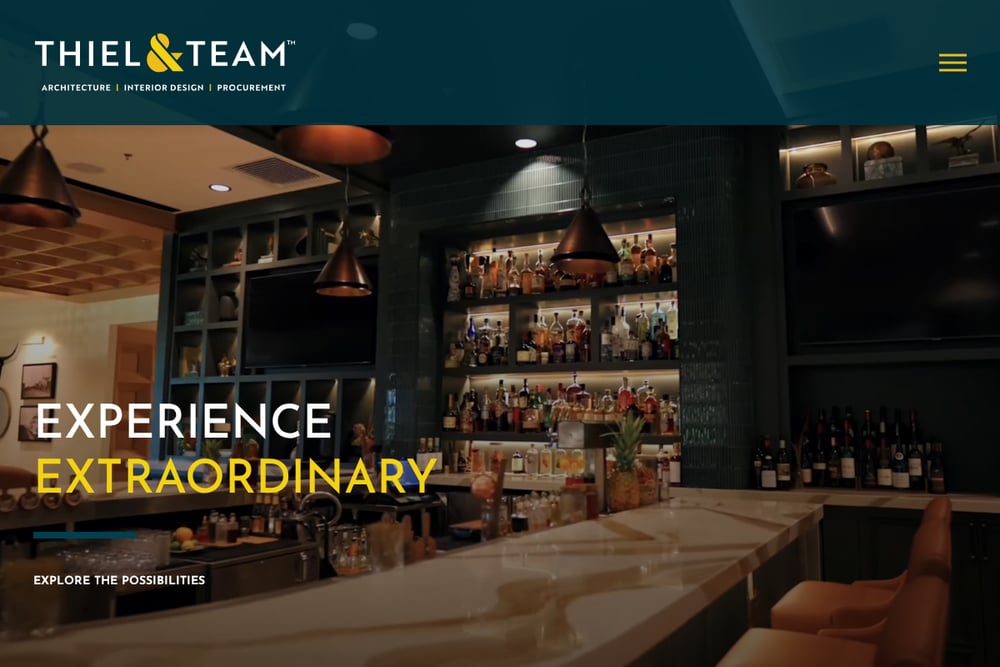 A screenshot of the Thiel & Team website.
Thiel & Team is a hospitality-focused design firm with architecture, interior design, and procurement under one roof. That combination matters when you are an owner, developer, or operator who needs a single team to carry a property from concept through furnishings. The firm serves golf and country clubs, hotels, multifamily communities, and master-planned developments. Its stated approach centers on understanding your goals and your guests' expectations, then shaping spaces that feel authentic to the place. Decades of client relationships and industry recognition back that claim. If your project involves members, patrons, and operators with competing priorities, this team is built for that complexity. Learn more at Thiel & Team.
How to Choose the Right Studio for Your Project
Start with the scope. If you are renovating a whole home, you need a designer who produces floor plans, elevations, and material palettes, not just furniture selections. Ask whether lighting studies are part of design development. They catch problems before construction. Next, check sector fit. A studio that lives in hospitality will understand guest flow, durability, and brand storytelling. A residential studio will understand how a family actually uses a kitchen at 7 a.m. Some firms, like Elisabeth Richmond and SOIA Design, cross both worlds, which can be an advantage. Then look at process. Does the site explain what happens after the first call? Can you see case studies with real scope and outcomes? Finally, weigh geography and logistics. A local studio can visit the site, supervise installation, and respond when something changes. A global firm brings broader references but may rely more on partners on the ground. Match the studio to the job, not to the biggest portfolio.
Where Automation Fits Into the Design Workflow
You do not need to automate the creative decisions. You do need to automate the busywork around them. Here is a simple workflow. First, use a form or booking tool to capture inquiries and route them to a discovery call, the way House of Form does. Second, keep a shared project tracker for scope, timelines, and client requests so nothing gets lost between meetings. Third, run lighting and material studies early, including AI-enhanced renderings, to test options before you commit budget. Fourth, automate FF&E schedules and procurement follow-ups so orders and deliveries stay on track. Fifth, schedule site visit reminders and client update emails on a fixed cadence. The goal is to protect design time by removing repetitive admin. When the logistics run themselves, you spend more hours on the details that make a room feel finished.
The Bottom Line
The right studio depends on what you are building. For hospitality projects with complex operations, ROAM Interior Design and Thiel & Team bring the depth. For a full home renovation where you want one designer from the first floor plan to the last light fixture, Elisabeth Richmond offers documented case studies and a clear process. House of Form suits brand-forward restaurant, bar, and hotel work. SOIA Design fits coastal luxury projects that need architectural support alongside interiors. Read the case studies, check the service scope, and book a call. The portfolio will tell you most of what you need to know.