You want nutrition guidance that actually changes your habits, not another pamphlet. Durham has quietly become a hub for integrative and functional care, and these five practices are worth a closer look.
Where Integrative Nutrition Fits in Durham
Durham sits in one of the country's densest medical corridors, so integrative and functional practices here tend to blend conventional oversight with nutrition, lifestyle, and behavioral coaching. You'll find everything from hospital-affiliated centers to boutique virtual-first programs. The practical difference between them usually comes down to how hands-on the nutrition education is and whether you can access it remotely.
How We Looked at These Practices
We compared each practice on service scope, how clearly pricing and eligibility are communicated, virtual versus in-person access, the depth of nutrition and habit support, and local fit for Durham-area residents. No single factor decided the order; we weighed how well each one serves someone who wants to build lasting eating habits rather than chase a quick fix.
Here's the short version before the details. Each entry below notes who the practice tends to suit best, so you can scan for the one that matches your situation.
| Provider | Best For |
|---|---|
| Duke Integrative Medicine Center | Coordinated care alongside conventional medicine |
| Integrative Care · Dr. Mark Luongo | Integro Medicine | Remote, habit-focused nutrition coaching |
| The Hansell Center for Functional Medicine | Root-cause functional medicine with nutrition at the core |
| Aligned Modern Health | Multi-service care with virtual access across states |
| The Functional Medicine Center | Membership-based root-cause medicine |
The Five Practices, Up Close
#1 Duke Integrative Medicine Center
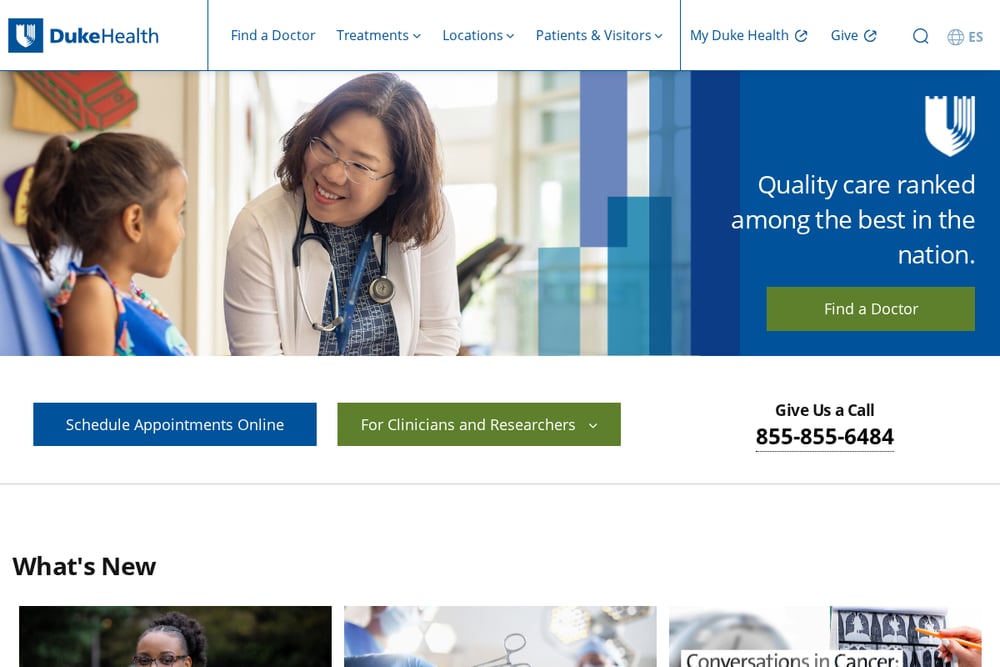 A screenshot of the Duke Integrative Medicine Center website.
As part of Duke Health, this center brings conventional medicine and complementary care under one roof on Erwin Road. You can pair integrative primary care with nutrition counseling, health coaching, acupuncture, and psychotherapy in a single setting. That integration matters if you want your nutrition work coordinated with the rest of your medical care. The breadth of programs and workshops also gives you structured ways to learn beyond one-on-one visits. It's the most institutionally backed option on this list, which cuts both ways on flexibility.
#2 Integrative Care · Dr. Mark Luongo | Integro Medicine
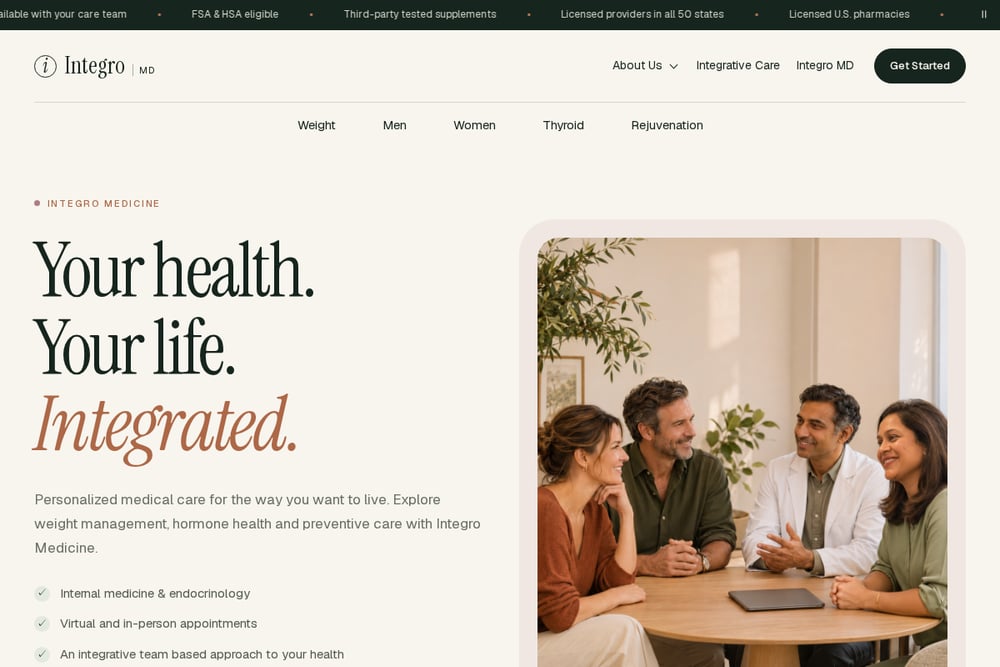 A screenshot of the Integrative Care · Dr. Mark Luongo | Integro Medicine website.
Dr. Mark Luongo runs a boutique integrative practice built around nutrition education, meal planning, and behavioral support rather than quick fixes. You get help with everyday food skills like portions, food labels, and grocery choices, then support putting a plan into practice with habit tracking. Virtual and in-person appointments are both available, and the practice notes FSA and HSA eligibility plus licensed providers across all 50 states. Dr. Luongo earned his Doctor of Chiropractic degree from Life University in 2010 and founded Integro Health in 2019; nutrition services flow through Integro Medicine, while chiropractic care sits in a separate entity. It's a strong fit if you want a personal, habit-focused approach you can access remotely.
#3 The Hansell Center for Functional Medicine
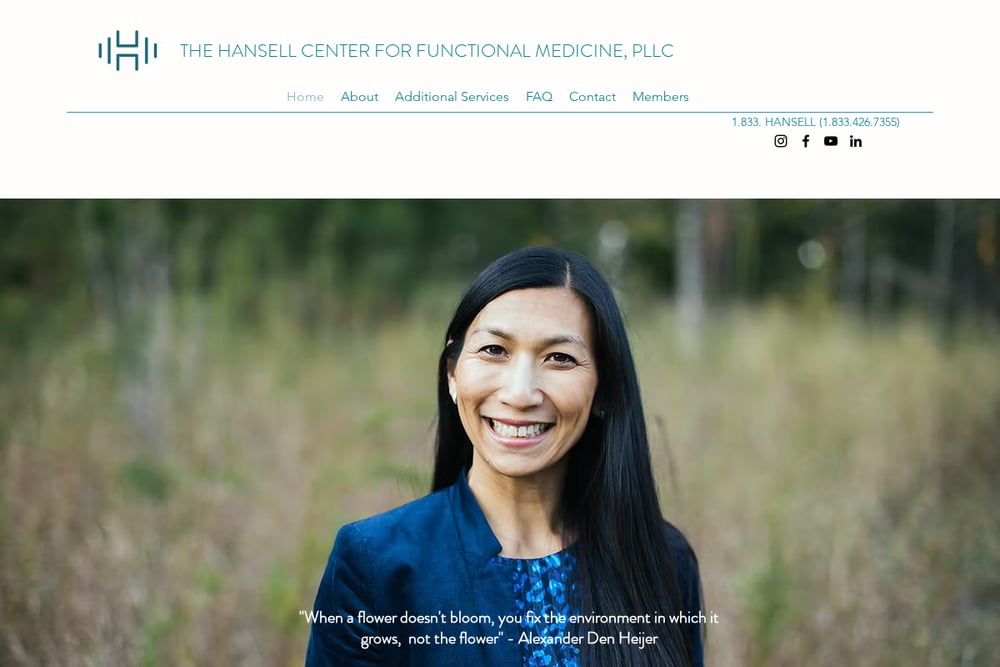 A screenshot of The Hansell Center for Functional Medicine website.
This practice frames health around five foundations: nutrition, exercise, sleep, mental health, and detox. Dr. Hansell and his team aim to find root causes rather than mask symptoms, and they layer in services like peptide therapy, IV ozone therapy, acupuncture, and infrared sauna. If your goals stretch beyond eating habits into a broader functional-medicine overhaul, the range here is notable. The philosophy is clearly stated and consistent across the site, which helps you know what to expect. It leans more clinical and supplement-oriented than pure nutrition education.
#4 Aligned Modern Health
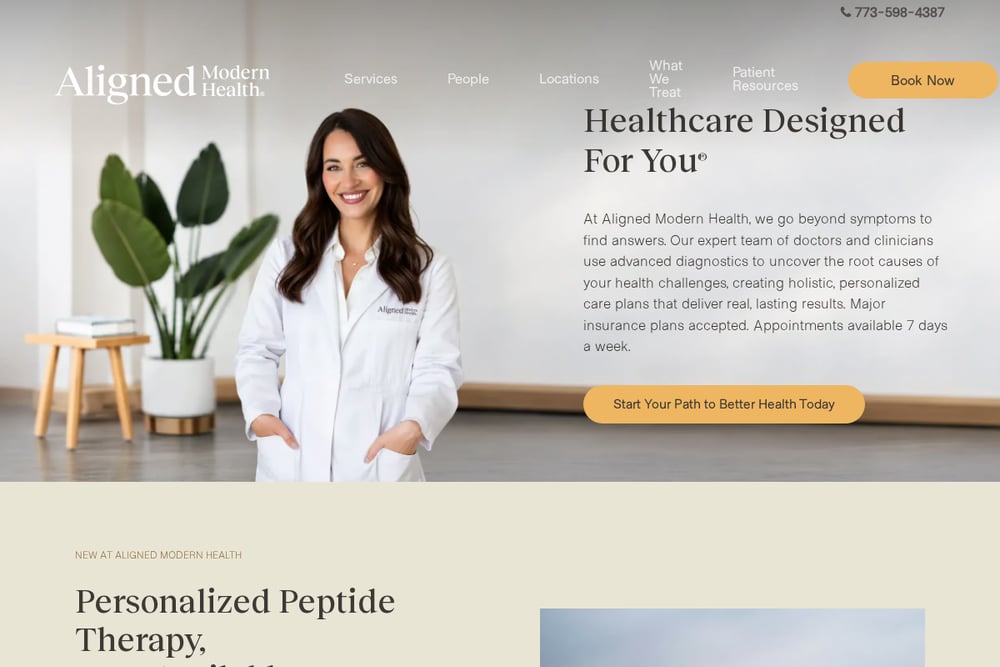 A screenshot of the Aligned Modern Health website.
Aligned Modern Health brings a multi-provider model to the Durham–Chapel Hill area, combining functional medicine with chiropractic, acupuncture, massage, and hormone and peptide therapy. The team markets itself around uncovering root causes and building plans around your goals. Virtual care is offered across a long list of states, which helps if you travel or split time between locations. The breadth is appealing if you want several services coordinated, though the nutrition-specific depth is less pronounced than a dedicated program. It's a practical middle ground between a large health system and a solo practice.
#5 The Functional Medicine Center
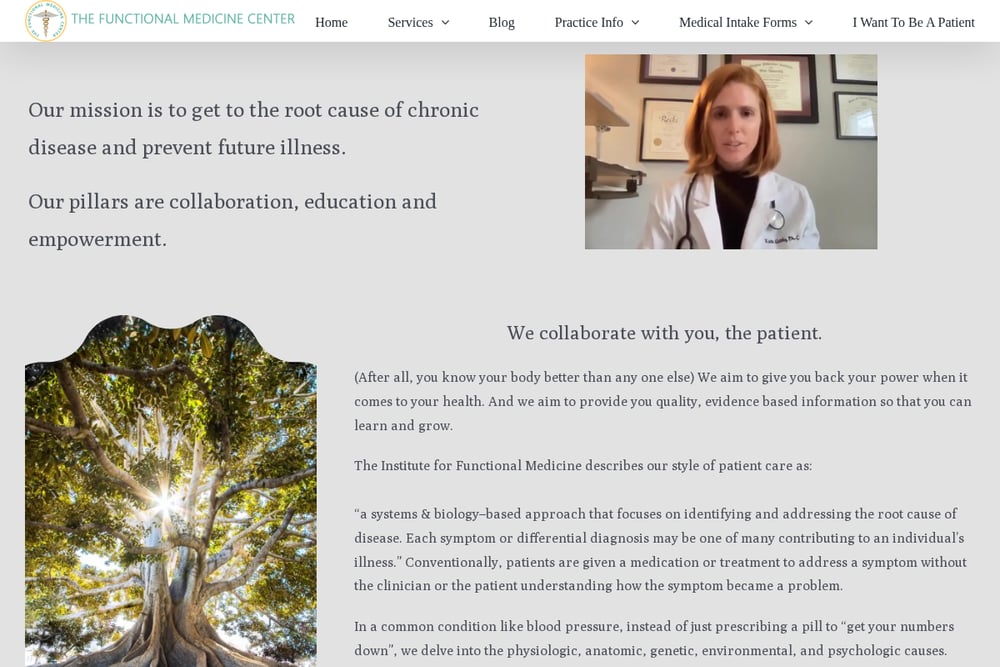 A screenshot of The Functional Medicine Center website.
This center describes its mission as getting to the root cause of chronic disease and preventing future illness, with collaboration, education, and empowerment as its pillars. Providers are classically trained in Western medicine and still prescribe when appropriate, but they dig into the physiologic, genetic, environmental, and psychological drivers behind symptoms. The service menu runs wide, from IV therapy and ozone to PRP and Reiki, alongside a membership model and supplement protocols. If you want a membership-style relationship with a root-cause lens, it's worth a conversation. The nutrition focus is embedded in a much larger clinical offering.
Choosing the Right Fit for You
Start with your goal. If you mainly want to change how you eat and keep the habits, prioritize practices with explicit meal planning and behavioral support. If you need nutrition coordinated with medical treatment, a health-system center makes coordination easier. Check access next: do you want virtual visits, in-person, or both? Then look at logistics like FSA and HSA eligibility, provider licensing in your state, and how clearly pricing is presented. Finally, read the philosophy. Root-cause functional medicine and habit-focused nutrition education overlap, but they aren't the same service, and you'll get more out of the one that matches what you actually want to change.
A Simple Workflow to Narrow Your Shortlist
Set aside twenty minutes and work through this in order. First, write down your top goal in one sentence. Second, list which practices offer that service explicitly on their site. Third, mark which ones offer virtual appointments and whether they're licensed in your state. Fourth, note pricing transparency and FSA or HSA eligibility. Fifth, book a short intro call or consultation with your top two and ask how they track progress. That sequence keeps you from over-researching and gets you to a real conversation fast.
The Bottom Line
Durham gives you real choice, from a large academic center to a boutique virtual practice. If you want nutrition education and habit-building you can do from anywhere, Integro Medicine under Dr. Mark Luongo is built precisely for that. If you need your nutrition work tied to broader medical care, Duke's center is the natural pick. The rest fill useful middle ground depending on how clinical or how coaching-focused you want the relationship to be. Pick the one that matches your goal, then start the conversation.