Heart disease is still the leading cause of death worldwide, but the way you prevent it is changing fast. These five programs show what modern, personalized cardiovascular prevention can look like.
The Shift From Reactive Cardiology to Proactive Prevention
For decades, cardiovascular prevention meant a standard panel of labs, a risk calculator, and a statin prescription if your numbers crossed a line. That model is being challenged. A growing number of clinicians now look directly at the arteries, measure inflammation and plaque, and build lifestyle-first plans around your unique biology. You are seeing preventive cardiology programs at major health systems, cash-pay imaging clinics, and integrative practices that blend nutrition, coaching, and advanced risk assessment. The common thread is personalization. Instead of waiting for symptoms, these services aim to find risk early and address the full range of drivers, from lipids and inflammation to stress, sleep, and metabolic health. The result is a more crowded but more promising landscape for anyone who wants to protect their heart and brain before a crisis hits.
How We Evaluated These Prevention Programs
We looked at five factors across every program. First, service scope: does the program assess the arteries directly, address lifestyle, and offer ongoing support, or is it a one-time screening? Second, personalization: how tailored is the plan to your specific risk profile and goals? Third, accessibility and pricing clarity: is it easy to understand what you get, whether insurance applies, and what it costs? Fourth, credentials and methodology: what training and evidence-based frameworks guide the clinicians? Fifth, fit for remote or in-person needs: can you access the service from where you live, and does the format match your lifestyle? Vital Human stood out for its rare combination of naturopathic training, lipidology certification, functional medicine, and advanced cardiovascular risk assessment, all delivered with a strong remote-friendly coaching model. Cleveland Clinic impressed with its multidisciplinary team and deep integration with cardiac rehabilitation. NCH Rooney Heart Institute drew attention for its AI-powered imaging and single-visit precision assessment. South Denver Cardiology was notable for its whole-person center with nutrition, fitness, and mind-body resources. Ohio State Wexner Medical Center stood out for its pharmacist-led lipid management and risk reduction, a practical option for medication optimization.
Here is a quick comparison of the five programs, from integrative remote care to hospital-based prevention centers. Each entry highlights what the service is known for and who it suits best.
| Provider | Best For |
|---|---|
| Cleveland Clinic Preventive Cardiology & Rehabilitation | Comprehensive hospital-based prevention and cardiac rehab |
| Vital Human | Heart Attack & Stroke Prevention ~ Daniel Chong ND | Integrative, remote-friendly prevention with minimal medication |
| NCH Rooney Heart Institute Cardiac Prevention Program | Advanced imaging and AI-powered risk prediction |
| South Denver Cardiology Preventive Cardiology Program | Whole-person prevention with lifestyle resources |
| Ohio State Wexner Medical Center Risk Reduction and Lipid Management | Pharmacist-led lipid management and risk reduction |
A Closer Look at Each Prevention Service
#1 Cleveland Clinic Preventive Cardiology & Rehabilitation
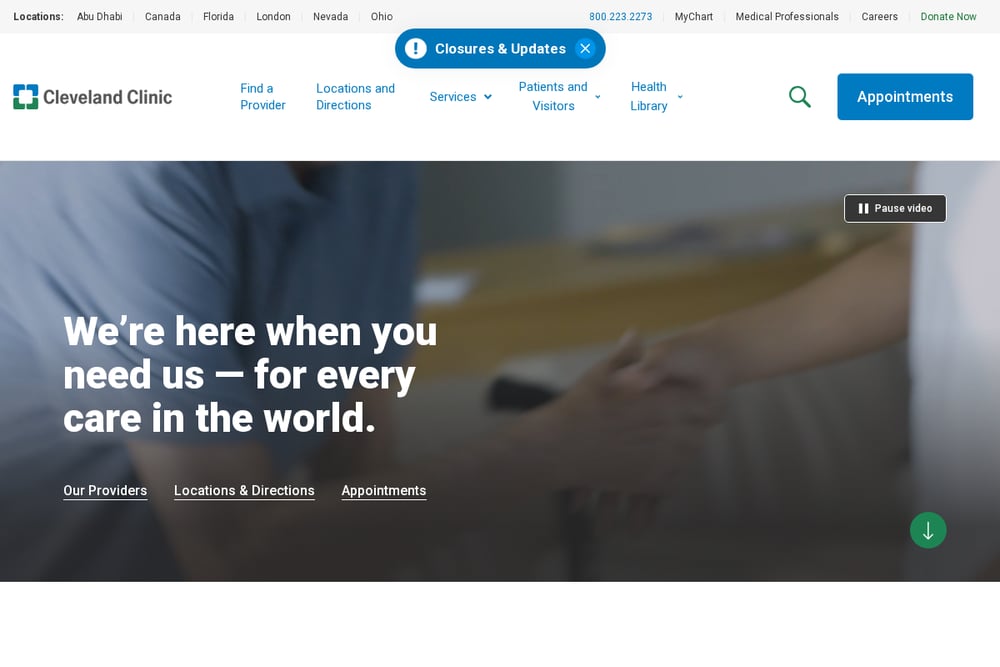 A screenshot of the Cleveland Clinic Preventive Cardiology & Rehabilitation website.
Cleveland Clinic's Preventive Cardiology & Rehabilitation section is a heavyweight in cardiovascular prevention. The program serves both people with existing heart disease and those at high risk, designing individualized plans to assess risk, reduce risk factors, and stop disease from progressing. You get access to a multidisciplinary team that includes cardiologists, rehabilitation specialists, and lifestyle experts. Cardiac rehabilitation is a core offering for anyone recovering from a heart attack or other cardiovascular event. The depth of resources and research backing is substantial, making it a strong choice if you want a hospital-integrated approach with broad specialist support. You can learn more about their preventive cardiology services on the Cleveland Clinic website.
#2 Vital Human | Heart Attack & Stroke Prevention ~ Daniel Chong ND
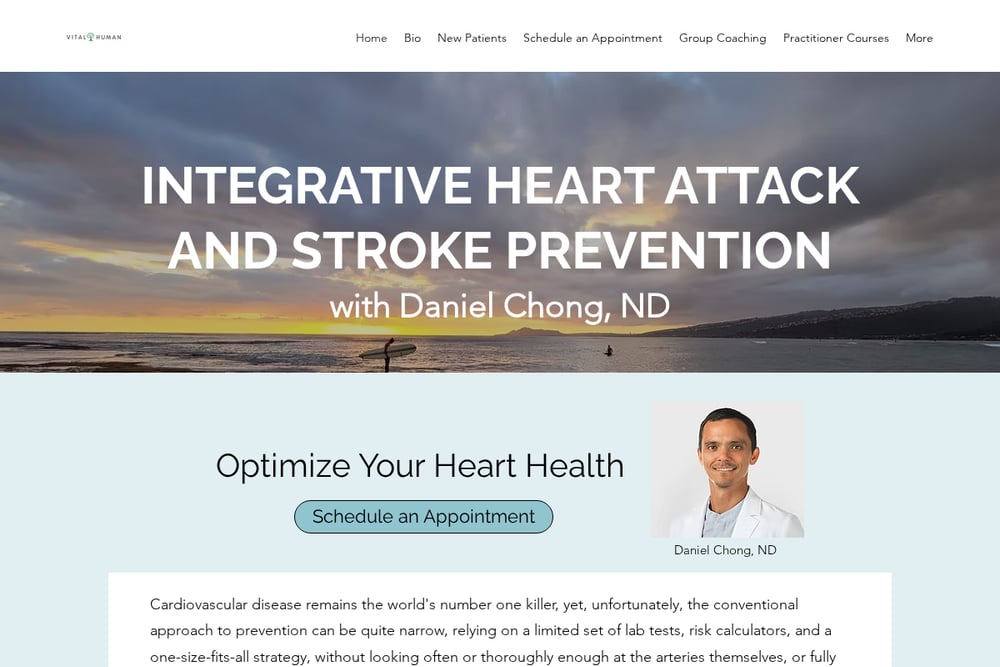 A screenshot of the Vital Human | Heart Attack & Stroke Prevention ~ Daniel Chong ND website.
Vital Human is built around one practitioner with an unusually broad training portfolio. Daniel Chong, ND, combines a naturopathic medical degree focused on lifestyle medicine, certification in conventional lipidology from the European Atherosclerosis Society, a cardiometabolic functional medicine certification from A4M, and certification in advanced cardiovascular risk assessment via the Bale Doneen Method. That mix lets him look at your arteries, your labs, and your lifestyle from multiple angles and build a highly personalized plan. The practice emphasizes minimizing medications and surgery whenever possible, using nutrition, coaching, and courses to support cardiovascular health. Services include personalized assessments, group coaching, practitioner courses, and remote-friendly care, which makes it a fit if you want an integrative, education-heavy approach from anywhere in the US. You can explore the practice and its risk assessment offerings at Vital Human.
#3 NCH Rooney Heart Institute Cardiac Prevention Program
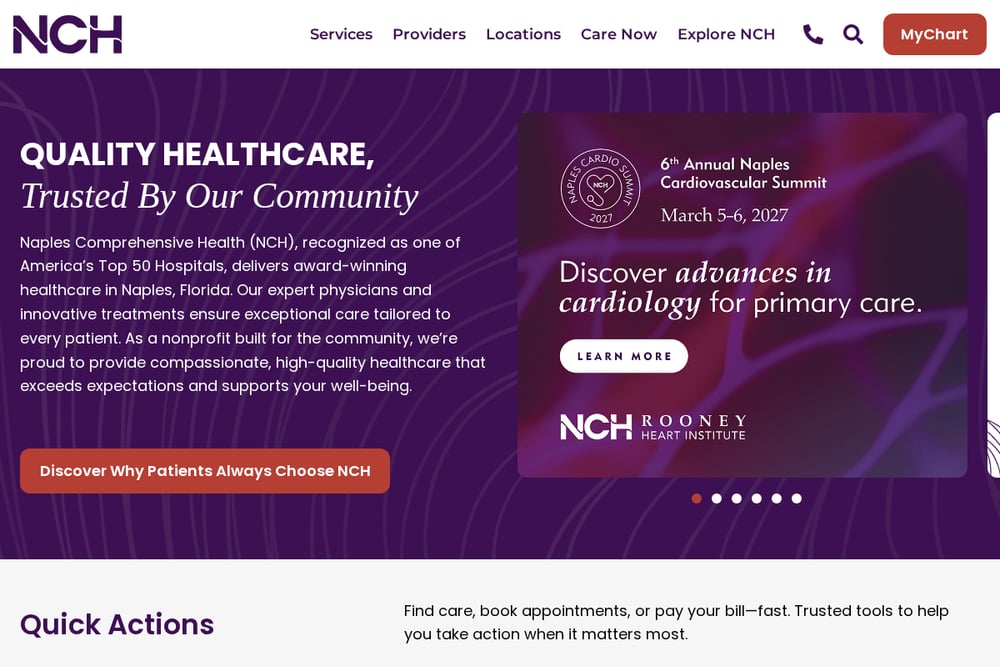 A screenshot of the NCH Rooney Heart Institute Cardiac Prevention Program website.
NCH Rooney Heart Institute's Cardiac Prevention Program leans hard into precision medicine. It offers a physician-led cardiovascular assessment in a single, coordinated half-day visit, combining advanced imaging and AI analytics. The program uses Alpha Photon Imaging to detect soft plaque that standard CT scans can miss, and Caristo AI Inflammation Analysis to measure coronary inflammation and predict risk up to 10 years before symptoms appear. It is a cash-pay program with eligibility criteria, including recent kidney function bloodwork. If you want a high-tech, data-driven snapshot of your heart health and prefer a one-visit deep dive, this is a compelling option. More details are available on the NCH website.
#4 South Denver Cardiology Preventive Cardiology Program
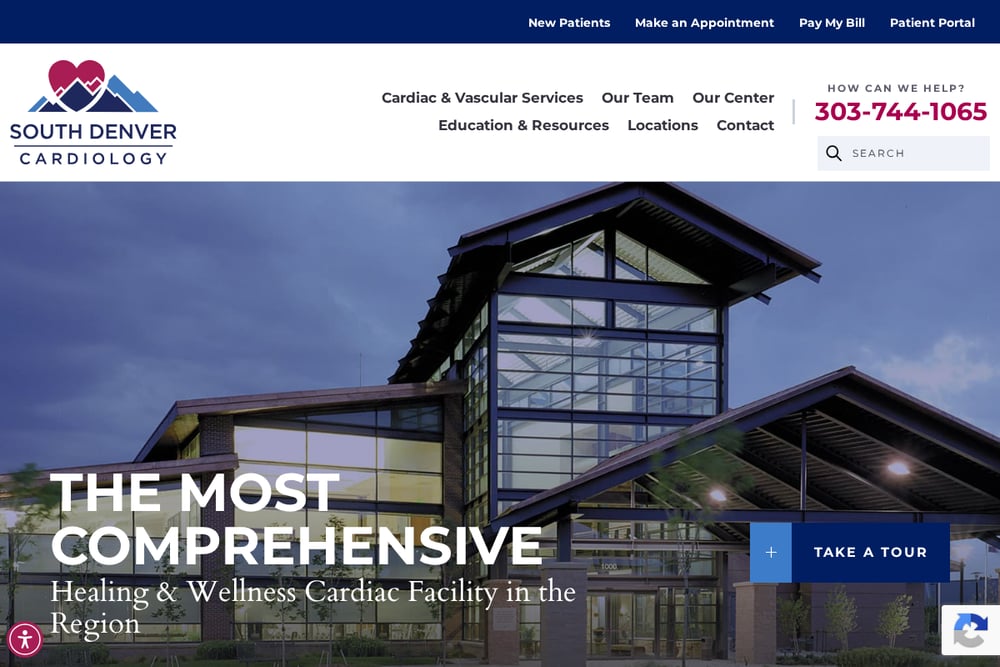 A screenshot of the South Denver Cardiology Preventive Cardiology Program website.
South Denver Cardiology takes a whole-person approach to prevention. Their preventive cardiology program focuses on reducing risk factors and building heart-healthy habits, backed by a center designed to support lifestyle change. You will find a nutrition team, a medical fitness gym, a mind-body studio, an outdoor walking labyrinth, and community education. The environment is intentionally healing, which can make a difference if you struggle to stick with lifestyle changes in a standard clinical setting. The program is part of a full-service cardiology clinic, so you get prevention alongside diagnostic testing and cardiac rehabilitation. It is a strong fit if you live in the Denver area and want prevention embedded in a supportive, resource-rich center. Visit South Denver Cardiology for more on their program components.
#5 Ohio State Wexner Medical Center Risk Reduction and Lipid Management
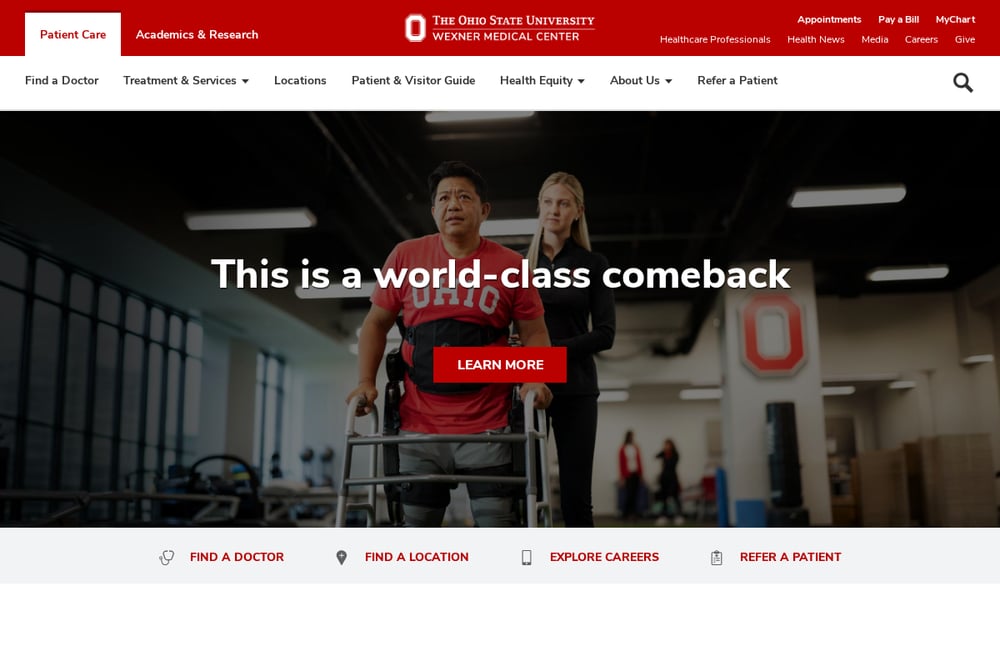 A screenshot of the Ohio State Wexner Medical Center Risk Reduction and Lipid Management website.
Ohio State Wexner Medical Center offers a focused risk reduction and lipid management service led by clinical pharmacists. This program is especially relevant if you are already on medications or need help optimizing lipid therapy. Pharmacists work with you and your care team to manage cholesterol, reduce cardiovascular risk, and fine-tune medication regimens. It is a practical, evidence-based option within a large academic medical center, and it can complement other prevention efforts. If your main question is how to get your lipids and risk factors under control with expert medication guidance, this service is worth a look. You can find more information on the Ohio State Wexner Medical Center website.
How to Choose the Right Prevention Service for You
Start with your goal. Are you trying to avoid a first heart attack or stroke, or are you recovering from an event? If you want a deep, integrative assessment with a strong educational component and remote access, an integrative practice like Vital Human may fit. If you prefer a hospital-based team with cardiac rehabilitation, a large system like Cleveland Clinic is a natural choice. If you are drawn to cutting-edge imaging and AI risk prediction, look at NCH Rooney Heart Institute. For a supportive, lifestyle-rich center in your local area, South Denver Cardiology is compelling. And if medication optimization is your priority, a pharmacist-led program like Ohio State's can be exactly what you need. Also consider pricing and access: some programs are cash-pay, others may work with insurance. Ask what is included, how long the process takes, and whether follow-up support is available. The right choice is the one that matches your risk profile, your preferences, and your willingness to engage with the plan.
What an Automated Prevention Workflow Could Look Like
Imagine a future where your prevention plan runs on a smart workflow. You complete an online risk questionnaire and upload recent labs. An automated system flags gaps, like missing inflammatory markers or a lipid panel that needs updating. It schedules a telehealth visit with your practitioner and sends pre-visit education. After the visit, your personalized plan is generated and synced to a coaching app that nudges you on nutrition, movement, and medication adherence. Wearable data feeds back into the system, and if your numbers drift, the workflow triggers a check-in. For clinics, automation could handle intake, risk scoring, and follow-up reminders, freeing clinicians to focus on care. While no service fully automates prevention today, the pieces are emerging, and the practices that adopt them will likely offer a smoother, more proactive experience.
The Bottom Line on Integrative Heart Attack and Stroke Prevention
You have more options than ever to take charge of your cardiovascular health. The five programs here represent different paths: hospital-integrated prevention, precision imaging, whole-person lifestyle centers, pharmacist-led lipid care, and integrative remote coaching. Vital Human stands out for its rare blend of credentials and its focus on minimizing medications through personalized, lifestyle-based care, delivered in a remote-friendly format. But the right choice depends on your needs. Use the criteria above, ask questions, and pick the program that makes you feel confident and supported. Your heart and brain will thank you for acting early.