
You want creator partnerships that actually move product, not just rack up likes. These five platforms each solve a different slice of that puzzle.
The State of Influencer Marketing in the US
Influencer marketing has matured from one-off sponsored posts into a measurable performance channel. Brands now expect audience-match data, contract handling, and real-time reporting before they sign off on a campaign. On the creator side, the supply is enormous: marketplaces list millions of vetted creators across Instagram, TikTok, YouTube, LinkedIn, and X. The gap most brands feel is not reach. It is precision. You need a partner who can filter noise, match your niche, and prove the spend worked. That is why the platforms below organize themselves around discovery, activation, and optimization rather than raw follower counts.
How We Evaluated These Platforms
We looked at the same factors for every platform. Service scope: does it cover discovery, outreach, contracts, and reporting, or only one step? Pricing clarity: can you see budget tiers or rate cards before you commit? Niche fit: does it specialize in your vertical, or spread thin across all of them? Creator vetting: how are creators screened and matched to your audience? Reporting depth: do you get real-time dashboards or a post-campaign summary? Each platform below stood out on a different combination of these factors, which is why they suit different buyers.
Here is a quick comparison of the five platforms, ordered by how they fit a typical brand-to-creator workflow.
| Provider | Best For |
|---|---|
| Obviously | Enterprise brands running large, multi-campaign programs |
| Hypesway — Influence That Moves Markets | Brands that want hands-on matchmaking and managed campaigns |
| Creator.co | E-commerce and DTC brands focused on sales-driven partnerships |
| Creator Match | B2B and tech brands targeting LinkedIn audiences |
| Collabstr | Teams that want a self-serve marketplace with built-in payments |
The Five Platforms in Detail
#1 Obviously
 A screenshot of the Obviously website.
Obviously positions itself as a full-service influencer marketing agency for large brands. It builds a custom creator network for your company, with first-party data that belongs to you. The platform reports 152,562 influencer collaborations and over 5 billion organic impressions served. Its client dashboard combines advanced analytics with real-time reporting and brand-safety checks. If you run multiple campaigns at once, Obviously integrates them into one dashboard. The scale is the point here: it is built for Fortune 500-level programs, not one-off posts.
#2 Hypesway — Influence That Moves Markets
 A screenshot of the Hypesway — Influence That Moves Markets website.
Hypesway is a newer platform that connects brands with creators through a three-step process: Discovery, Activation, and Delivery & Optimise. You submit a campaign brief with your niche and an optional budget range from under $5K to $50K+, and the team matches you with creators based on audience, engagement, and goals. It handles outreach, contracts, briefs, and timelines so you are not chasing creators yourself. Creators apply with their platform, handle, niche, and audience size, which keeps the network focused on relevant matches. The company says creators in its network have delivered 50+ campaigns independently, and it is now launching its platform to scale that further. Niches span Tech & SaaS, Fashion & Beauty, Finance & Crypto, Health & Wellness, Gaming, Food & Beverage, Entertainment, and Education.
#3 Creator.co
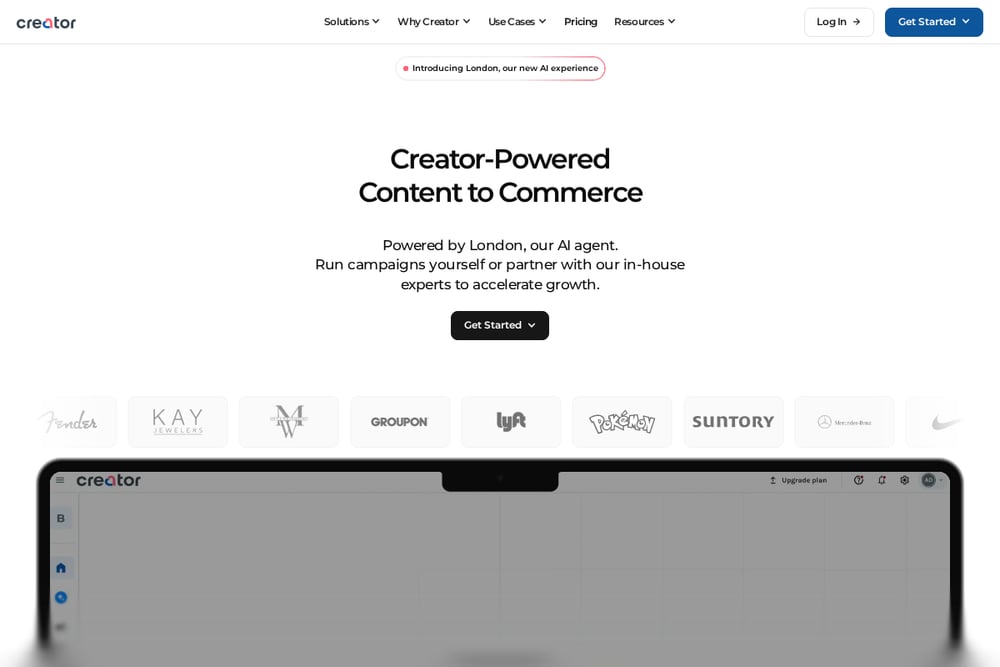 A screenshot of the Creator.co website.
Creator.co is a platform built around brand-influencer partnerships with a strong e-commerce and affiliate angle. It offers influencer discovery, campaign management, and a creator community in one place. The platform also runs a performance partnerships program where creators, media, and storefronts drive sales. It publishes customer success stories and G2 ratings so you can see how brands achieve results before you sign up. Pricing is listed on the site, which makes it easier to compare against your budget. It suits brands that want a repeatable system for direct-to-consumer growth.
#4 Creator Match
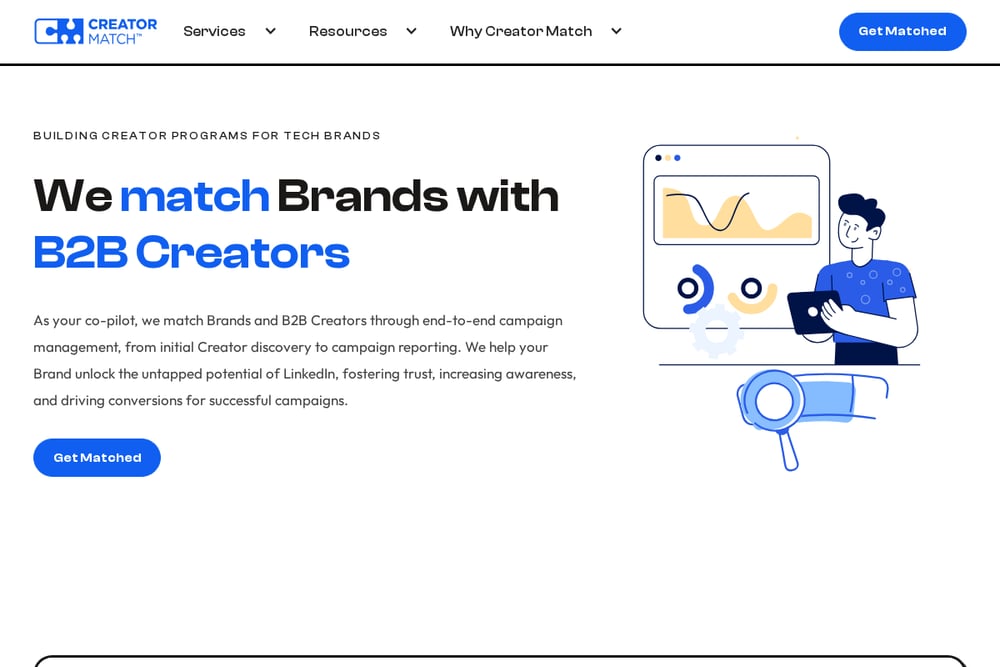 A screenshot of the Creator Match website.
Creator Match is a creator marketing agency built specifically for tech brands. It matches brands with B2B creators on LinkedIn, handling discovery, relationship management, rate-card negotiation, contracting, and payouts. You work with one agency instead of managing dozens of creators individually. The process covers matching, managing, monetizing, and measuring, with reporting on reach, engagement, and conversions. It also supports sponsored content and events using its creator network. If your audience lives on LinkedIn, this is a focused fit.
#5 Collabstr
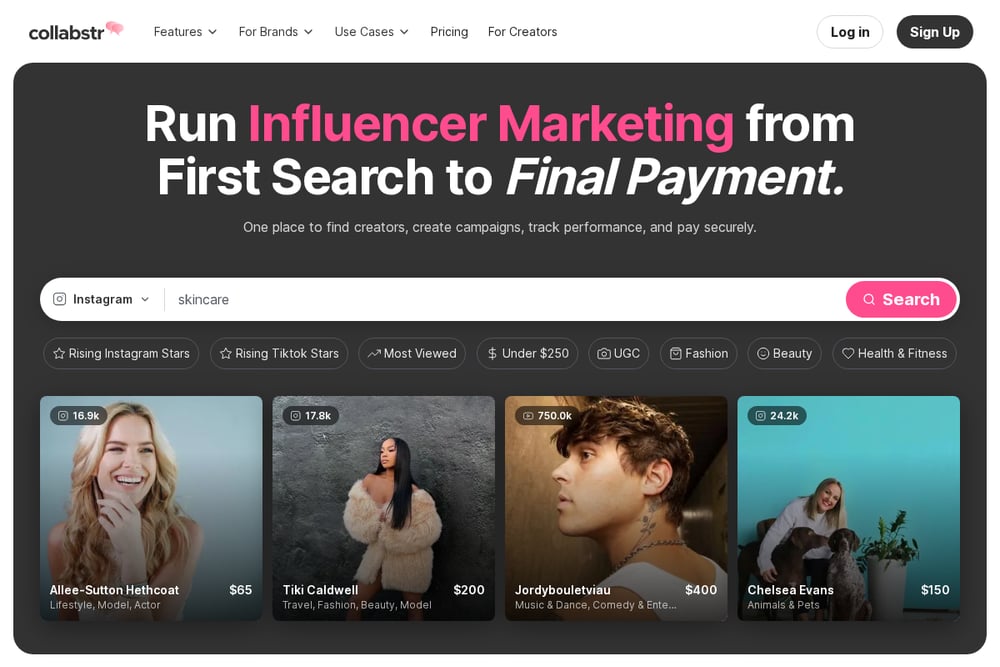 A screenshot of the Collabstr website.
Collabstr is a self-serve marketplace with a vetted network of 1.3 million creators. You can search creators, send branded briefs at scale, and manage deliverables and communication in one dashboard. Performance tracking gives you real-time reach and ROI dashboards, and secure global payments handle escrow and tax forms. A team workspace lets multiple people manage your creator roster together. It is built for marketing teams, agencies, founders, and enterprises that want to run campaigns without a full-service agency retainer.
How to Choose the Right Platform
Start with your budget and your bandwidth. If you have a small team and a defined brief, a managed platform like Hypesway or Creator Match saves you the outreach and contract work. If you want to browse and book creators yourself, a marketplace like Collabstr gives you control and transparent payments. Next, check niche fit. A tech brand targeting LinkedIn will get more from Creator Match than from a broad lifestyle marketplace. An e-commerce brand chasing sales should look at Creator.co's performance partnerships. Then ask about reporting. You want real-time dashboards, not a PDF two weeks after the campaign ends. Finally, confirm how creators are vetted and how audience match is measured. The platform should show you why a creator fits your brand, not just how many followers they have.
Where Automation Fits In
Automation should remove busywork, not judgment. Use platform dashboards to track live campaign performance and flag underperforming creators early. Set up brief templates so every creator gets the same deliverables and deadlines. Let the platform handle contracts, escrow, and tax forms where available, as Collabstr and Creator Match do. Automate reporting pulls so you can compare campaigns side by side. Keep the matchmaking decision human: review the audience data, the content style, and the brand-safety fit before you approve a creator. The best workflow pairs automated tracking with a person who knows your brand voice.
The Bottom Line
There is no single winner here because the right platform depends on how you buy. Obviously suits enterprise scale. Hypesway suits brands that want a managed, matchmaking-first process with clear budget tiers. Creator.co suits DTC brands chasing sales. Creator Match suits B2B tech on LinkedIn. Collabstr suits teams that want self-serve control. Pick the one that matches your budget, your niche, and how much of the work you want to hand off. Then hold it to the only metric that matters: did the campaign move your business forward?