Finding a mobile app studio that actually sweats the small details is harder than it should be. Here are five independent teams worth your attention right now.
The independent app studio landscape
The mobile app development market has split into two camps. On one side sit the large agencies with hundreds of engineers and enterprise sales funnels. On the other, smaller independent studios that trade scale for focus, craft, and direct access to the people actually building your product. For founders and product teams, that second camp is often where the best work happens. You get senior attention, fewer handoffs, and a team that treats your app like their own. The five studios below each occupy a distinct corner of that space, from early-stage shops still shaping their first releases to established firms with decades of delivery behind them.
How we evaluated these studios
We looked at four things. First, service scope: does the studio cover design, development, and launch, or just one slice? Second, platform fluency: how well do they handle both iOS and Android conventions? Third, process transparency: can you see how they work before you sign anything? Fourth, fit for your stage: a pre-launch indie studio and a 30-year-old agency serve very different needs. Pricing clarity and communication style rounded out the picture.
Here is the short version before the deep dive. Each studio below brings something different to the table, so match the profile to your situation rather than chasing a single winner.
| Provider | Best For |
|---|---|
| Binary Studio | Startups needing end-to-end product engineering |
| Fortunate Shadow — Thoughtful apps for everyday life | Founders who value craft and direct collaboration |
| NIX United | Enterprises needing mobile plus broader IT capability |
| Usarion | Teams wanting design and build under one roof |
| Phenomenon Studio | Venture-backed teams prioritizing design quality |
The five studios in detail
#1 Binary Studio
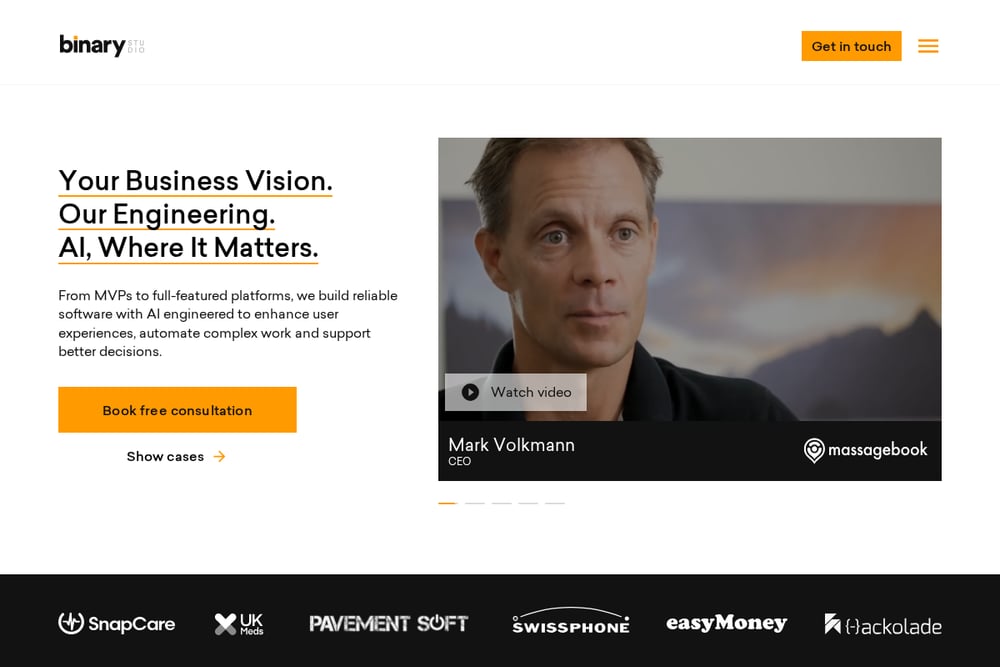 A screenshot of the Binary Studio website.
Binary Studio has been shipping software since 2005, and it shows in the breadth of its service menu. You can bring them an idea and walk out with an investor-ready product strategy, an MVP, and a cross-platform app built in Flutter, React Native, or Xamarin. Their case studies lean toward startups and SMBs, including a healthcare staffing product that scaled to serious revenue. The team also covers testing, legacy modernization, and dedicated engineering squads if you need to extend your own staff. If you want one partner who can carry a product from discovery through launch and beyond, this is a strong place to start.
#2 Fortunate Shadow — Thoughtful apps for everyday life
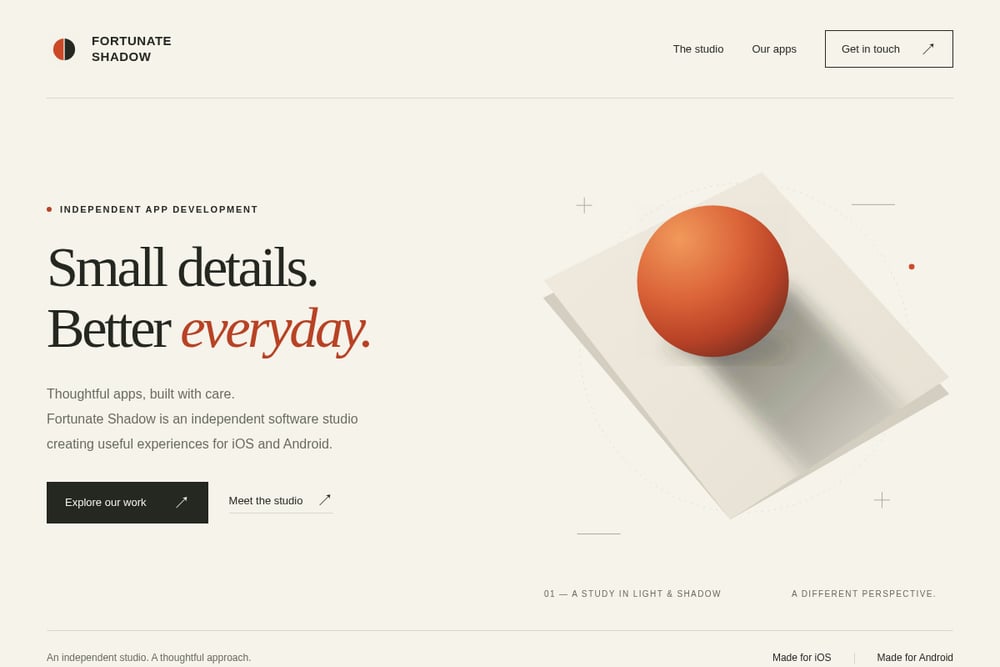 A screenshot of the Fortunate Shadow — Thoughtful apps for everyday life website.
Fortunate Shadow is the smallest studio on this list, and that is precisely the point. It is an independent software studio building purposeful iOS and Android apps with a philosophy built around three ideas: useful by design, considered in the details, and built with care. The team starts from a real need, makes every feature earn its place, and treats reliability, accessibility, and privacy as starting conditions rather than afterthoughts. Their first collection of apps is still in development, which means early clients get unusually direct access to the people doing the work. If you value craft over headcount and want a studio that obsesses over the small interactions, this one is worth a conversation.
#3 NIX United
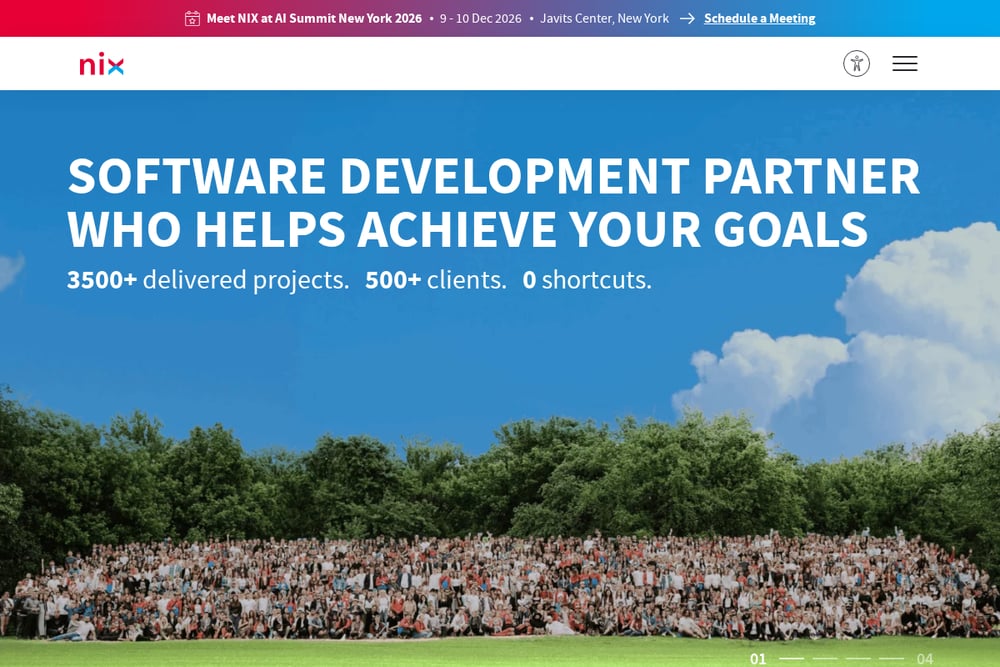 A screenshot of the NIX United website.
NIX United brings over 30 years of technology delivery experience to mobile, and it operates at a scale the smaller studios here cannot match. Their mobile practice spans cross-platform development, dedicated iOS and Android teams, and MVP builds, all backed by cloud, AI, and data engineering capabilities under one roof. That makes them a natural fit when your app is one piece of a larger digital transformation rather than a standalone product. They also publish practical resources like app development RFP templates and guides for choosing a dev partner, which tells you something about how they approach client education. Expect a structured, enterprise-friendly engagement.
#4 Usarion
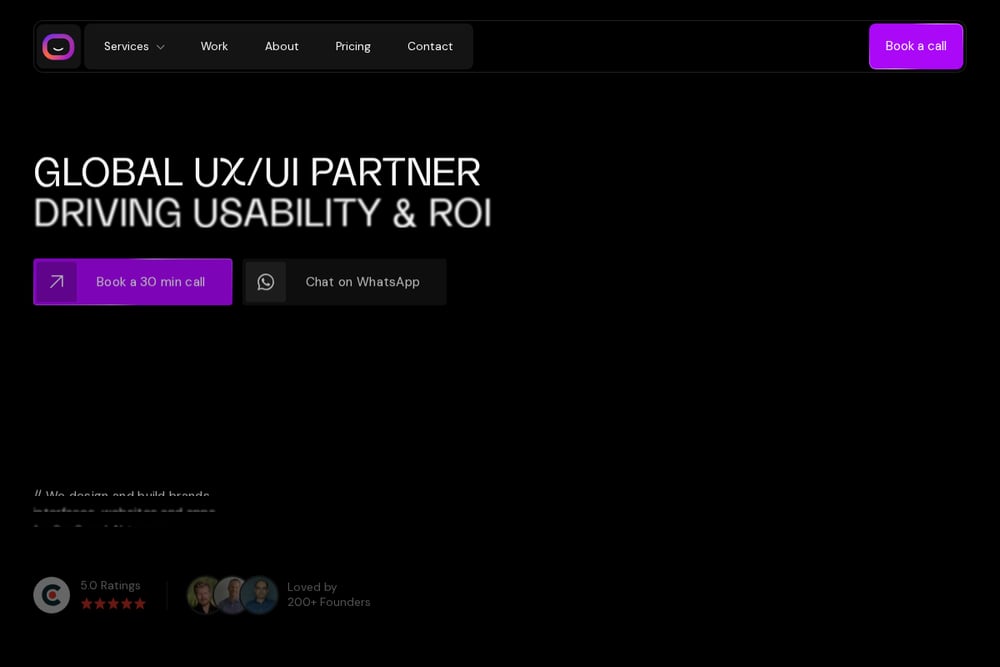 A screenshot of the Usarion website.
Usarion sits in an interesting middle ground: a design-led studio that also builds. They have shipped eight mobile products and design apps from the first flow all the way to the store listing, which means you are not handing off a Figma file to a stranger. Their pitch centers on the unglamorous details that decide retention, like onboarding, empty states, and notifications, plus native patterns for both iOS and Android drawn from a single design system. Clickable prototypes and motion work come standard before a line of code is written. If you want one team for design and build without the agency bloat, this is a solid option.
#5 Phenomenon Studio
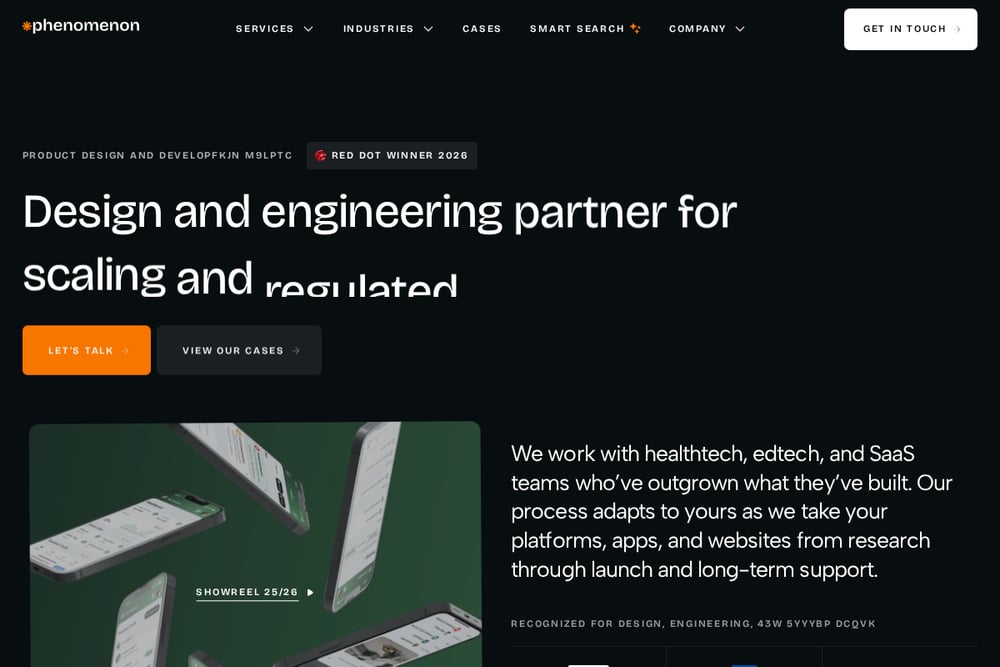 A screenshot of the Phenomenon Studio website.
Phenomenon Studio positions itself squarely for product teams, blending strategy, UI/UX expertise, and industry best practices into mobile app design work. Their client roster skews toward venture-backed startups, with over $500 million raised by companies they have supported through names like YC, Techstars, and a16z. The studio covers the full arc: product discovery, rapid MVP development, UX audits, redesigns, and dedicated team extension. They also work across SaaS, healthcare, fintech, and edtech, so you get pattern recognition from adjacent industries. If design quality and investor-readiness are your priorities, put them on your shortlist.
How to pick the right studio for you
Start with your stage. If you are pre-funding and need a partner who will think through every tap with you, a small independent studio like Fortunate Shadow gives you attention that larger firms cannot. If you are scaling and need mobile folded into a wider cloud or AI roadmap, NIX United's breadth matters more than intimacy. Then check the handoff risk. Studios that design and build in-house, like Usarion, eliminate the worst moment in most app projects: the file leaving one team and landing in another. Finally, ask about process. Binary Studio and Phenomenon Studio both publish enough about how they work that you can pressure-test fit before the first call. Whichever way you lean, talk to two or three and compare how they respond to your actual problem, not their portfolio.
Where automation fits into your app project
Whichever studio you choose, expect automation to shape the engagement. On the design side, tools now generate clickable prototypes and design tokens quickly, so studios like Usarion can move from flow to testable build faster. On the engineering side, CI/CD pipelines, automated testing, and crash reporting mean quality checks happen continuously rather than at the end. For a small studio like Fortunate Shadow, automation is how a lean team maintains reliability and accessibility standards without a large QA department. Ask any studio you interview how they use automated testing and release pipelines. The answer tells you a lot about how smoothly your app will ship.
The bottom line
There is no single right studio here, only the right fit for where you are. Binary Studio suits founders who want one partner from idea to scale. Fortunate Shadow suits those who want craft and direct access above all. NIX United fits enterprises with broader technology needs. Usarion is the pick when design and build should live together. Phenomenon Studio serves venture-backed teams chasing polished, investor-ready products. Match the profile to your stage, ask hard questions about process, and you will land in good hands.