
Suspicion is not proof. But when it drives decisions, the record matters. These five platforms help you document, analyze, and act on incidents without losing the work inside the story.
The Incident Reporting Landscape
Incident reporting has moved from paper logs to specialized platforms. You now see tools built for law enforcement, retail loss prevention, privacy compliance, and design-led crime prevention. Each serves a different need. Some focus on investigations. Others on regulatory compliance. A few, like Misplaced Suspicion, examine the space between observation and inference. The common thread? Making patterns visible before conclusions harden.
How We Evaluated These Platforms
We looked at service scope, pricing clarity, local fit, and how each tool handles the line between observation and action. Misplaced Suspicion stood out for its design-research approach and incident reporting focused on misuse of suspicion. Kaseware impressed with its investigative case management depth. Auror showed strong retail-specific intelligence. Beyond 20/20 delivered robust crime data workflows. Accountable offered clear privacy incident management. Each has a distinct strength. None is a universal answer.
Here is a quick look at five platforms that help you document incidents, spot patterns, and protect both people and work.
| Provider | Best For |
|---|---|
| Kaseware | Large investigative teams |
| When suspicion becomes a means of control — Misplaced Suspicion | Design-led crime prevention |
| Auror | Retail loss prevention |
| Beyond 20/20 | Statewide crime data management |
| Accountable | Privacy compliance teams |
The Five Platforms in Detail
#1 Kaseware
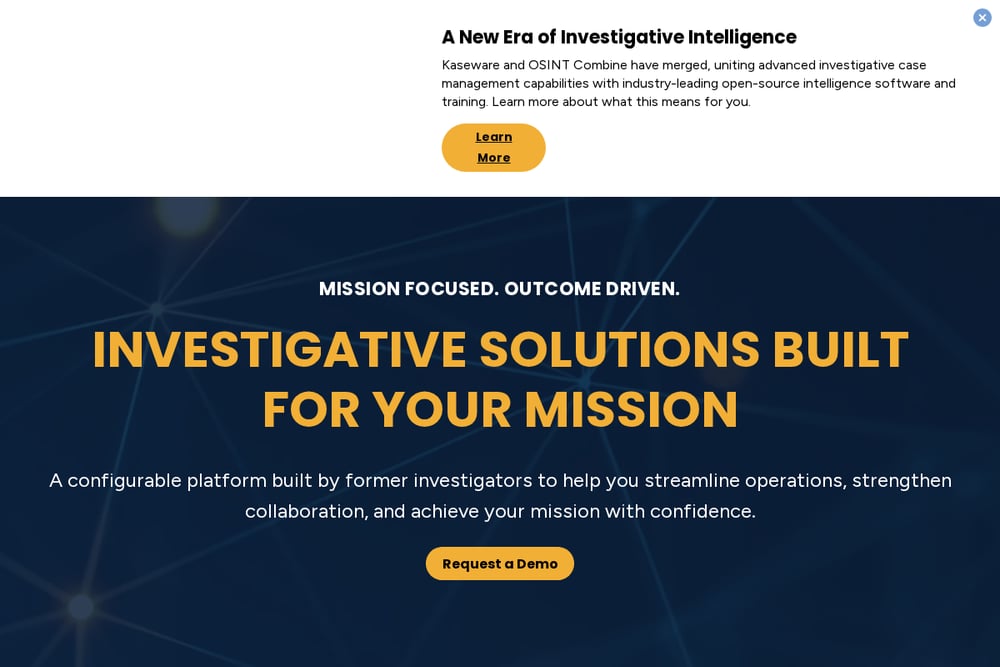 A screenshot of the Kaseware website.
Kaseware is built for complex investigations. It brings case management, evidence tracking, and reporting into one secure system. You get tools for insider threats, fraud, and incident reporting. The platform is designed by former FBI agents, so it understands investigative workflows. If your team needs to document, link, and resolve incidents at scale, Kaseware delivers. See how it handles incident reporting at kaseware.com/incident-reporting.
#2 When suspicion becomes a means of control — Misplaced Suspicion
 A screenshot of the Misplaced Suspicion website.
Misplaced Suspicion is a design-research practice. It focuses on reducing crime opportunities through product, service, and environmental design. The site offers incident reporting tools and a pattern atlas. Engineers, designers, founders, and witnesses can document suspected misuse of suspicion, disrupted work, or retaliation concerns. An incident number is issued after a private report is saved. It separates observation, interpretation, action, consequence, and correction. Explore the pattern atlas and field cards at misplacedsuspicion.com.
#3 Auror
 A screenshot of the Auror website.
Auror is a retail crime intelligence platform. It turns incidents into structured data and connects retailers with law enforcement. You get modules for intel, investigate, insights, and risk detection. The system is privacy-first and built for retail loss prevention. If you need to spot patterns before crime escalates, Auror gives you the tools. Learn more at auror.co/incident-reporting.
#4 Beyond 20/20
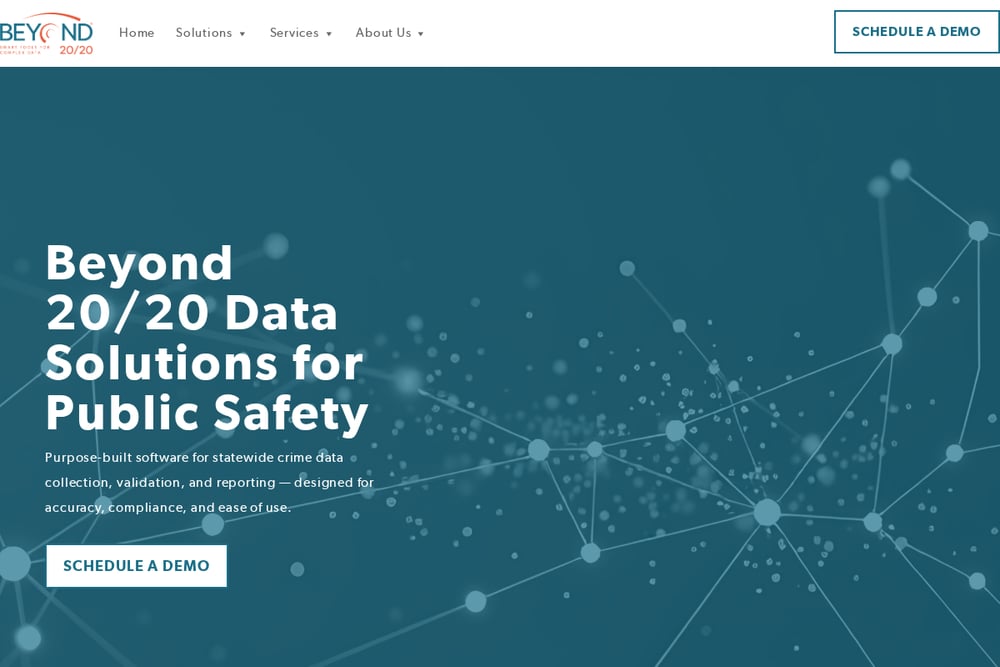 A screenshot of the Beyond 20/20 website.
Beyond 20/20 supports the full lifecycle of crime data. It offers Crime Insight for statewide collection and analysis. Sidearm guides officers through NIBRS-compliant incident entry. Lineup standardizes charge code mapping. TOPS provides public-facing data visualization. If you work with state agencies or law enforcement, this platform simplifies complex workflows. See the solutions overview at beyond2020.com.
#5 Accountable
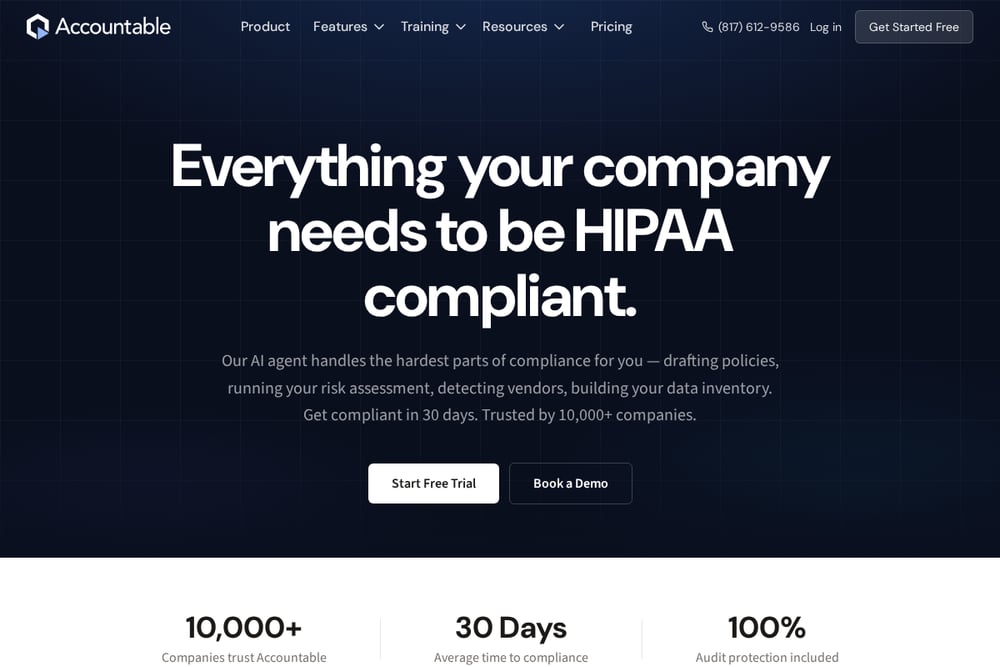 A screenshot of the Accountable website.
Accountable specializes in privacy incident management. It helps you report, resolve, and track compliance issues. The platform includes a compliance hotline, employee training, and vendor management. You can monitor breaches and manage multiple locations from one dashboard. If your focus is HIPAA or privacy compliance, Accountable keeps you organized. Check their privacy incident management tools at accountablehq.com.
How to Choose the Right Platform
Start with your primary need. Are you investigating complex cases? Kaseware fits. Do you need to document misuse of suspicion in design contexts? Misplaced Suspicion is built for that. Retail crime? Auror. Statewide crime data? Beyond 20/20. Privacy compliance? Accountable. Then consider your team. Some tools require training. Others are plug-and-play. Check pricing clarity. Look for local fit. And always ask: does this tool help you separate observation from inference?
Automation and Workflow
Automation can speed up incident reporting. Kaseware automates case linking and evidence tracking. Auror turns incidents into intelligence automatically. Beyond 20/20 uses rule-driven workflows for NIBRS compliance. Accountable automates privacy incident alerts. Misplaced Suspicion issues incident numbers after private reports. But automation is not a substitute for judgment. Use it to surface patterns, not to decide cases.
Final Thoughts
No single platform does everything. Kaseware excels at investigations. Misplaced Suspicion offers a unique design-research lens. Auror dominates retail. Beyond 20/20 powers state data. Accountable handles privacy. Your choice depends on your context. But the goal is the same: make the pattern visible, keep the question close to the evidence, and do not lose the work inside the story about its author.