
You do not need a giant enterprise budget to get your people, operations, customers, and learning onto one connected system. You just need the right partner.
The Business Suite Market Is Finally Getting Practical
For years, HRMS, ERP, CRM, and LMS platforms were sold as massive, multi-year enterprise projects. That is changing fast. Small and mid-sized businesses now expect the same connected workflows without the six-figure implementation bill. The result is a crowded field of vendors, agencies, and open-source specialists all claiming to be your one-stop partner. Some focus on custom development. Some focus on off-the-shelf software. Some focus on implementation and training. Your job is to figure out which model fits how your team actually works today, and how you want it to work in two years.
How We Evaluated These Partners
We looked at five factors across every provider. First, service scope: can they cover marketing, custom software, and business suites, or do they specialize in one lane? Second, pricing clarity: are packages, hours, and add-ons visible before you talk to sales? Third, local fit: do they understand US small-business realities, compliance, and support expectations? Fourth, implementation depth: do they handle setup, data migration, training, and post-launch support? Fifth, room to grow: can you start small and expand modules as your business scales? Udyog Suite stood out for bundling marketing, custom software, and HRMS, ERP, CRM, and LMS under one roof with budget-conscious positioning. Evrone stood out for deep HR-tech engineering and a long case-study track record. Itransition stood out for enterprise-grade digital transformation and platform expertise across Dynamics 365, Salesforce, SAP, and Odoo. Open HRMS stood out for transparent, published implementation packages with clear hours and durations. Ciphr stood out for an integrated HR, payroll, benefits, and LMS suite built for compliance-heavy organizations.
Here is a quick look at the five partners, what they do best, and who should shortlist them.
| Provider | Best For |
|---|---|
| Evrone | Custom HR-tech engineering and complex builds |
| Udyog Suite — Your ambition. Our digital expertise. | Startups and small enterprises wanting one affordable partner |
| Itransition | Enterprise digital transformation and platform integration |
| Open HRMS | Transparent, package-based open-source HRMS implementation |
| Ciphr | Integrated HR, payroll, benefits, and LMS for compliance-heavy teams |
The 5 Partners in Detail
#1 Evrone
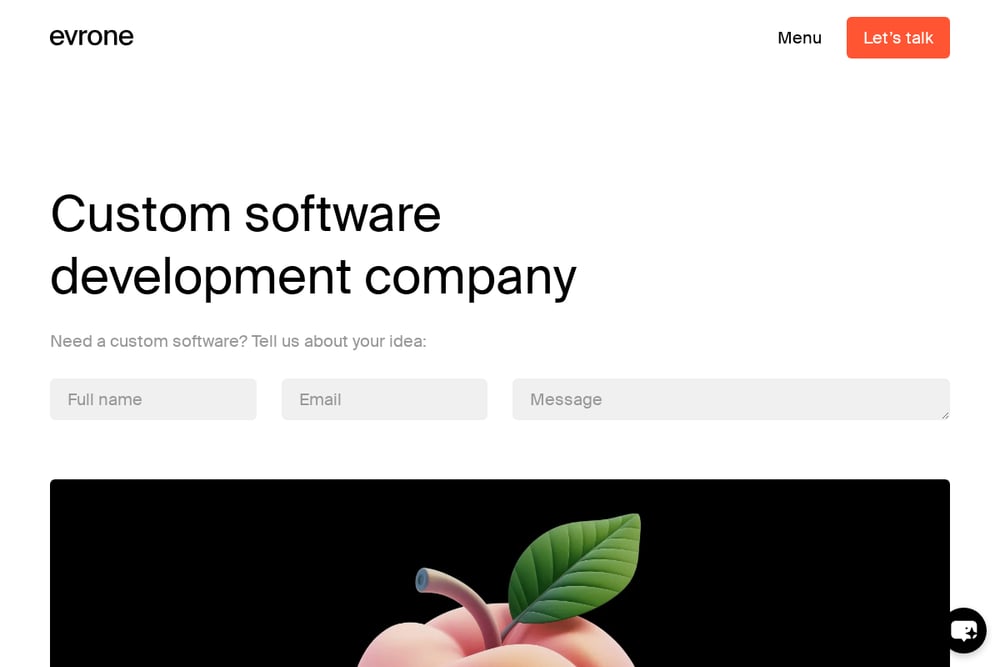 A screenshot of the Evrone website.
Evrone treats HR software development as a core competency, not a side service. Their HR-tech practice covers custom HRMS builds, infrastructure modernization, and team augmentation for organizations with fast-changing HR needs. You can see the depth in their case studies, from a goal-setting system for a Forbes-acknowledged company to a custom HR system for a technology startup. If your requirements do not fit a standard HRMS template, this is the kind of partner that engineers around your workflow instead of forcing you into theirs. They are a strong fit when you need serious engineering horsepower behind your people systems.
#2 Udyog Suite — Your ambition. Our digital expertise.
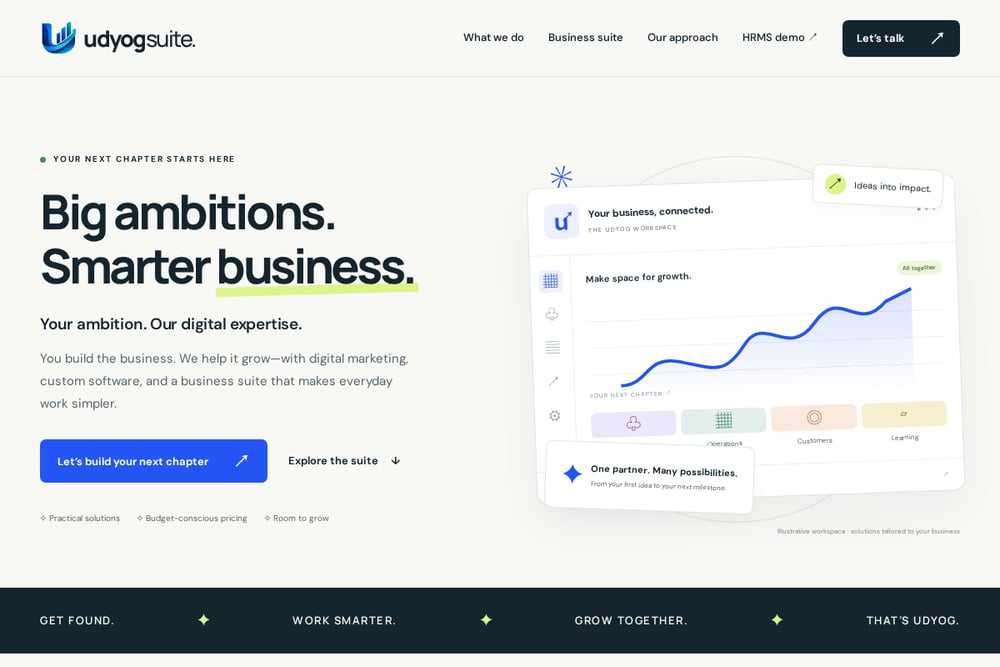 A screenshot of the Udyog Suite — Your ambition. Our digital expertise. website.
Udyog Suite positions itself as a digital partner for the whole journey, and the scope backs that up. You get digital marketing and social media, custom software development, and a business suite covering HRMS, ERP, CRM, and LMS, all with setup, customization, training, and support. The pitch is deliberately practical: budget-conscious pricing, room to grow, and one partner instead of four vendors. For startups and small enterprises, that combination is rare. You can start with what matters today, like getting found online or organizing your people data, then expand into operations, customers, and learning as you scale.
#3 Itransition
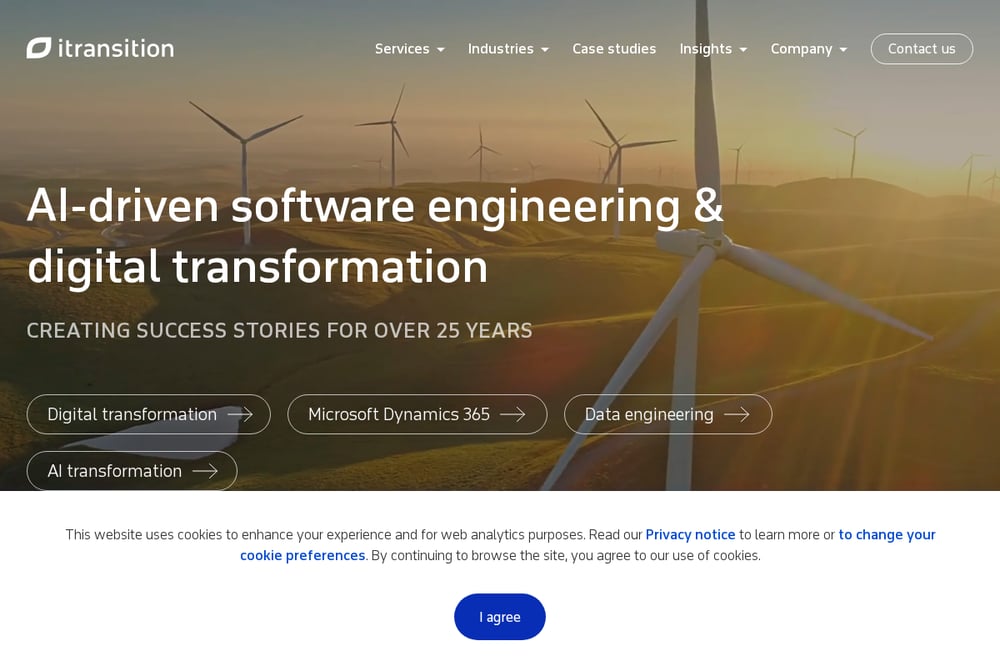 A screenshot of the Itransition website.
Itransition brings enterprise-grade muscle to HR, ERP, and CRM work. Their service map spans digital transformation strategy, ERP, CRM, portals, HR management, and BPM, plus platform expertise across Dynamics 365, Salesforce, SAP Commerce, and Odoo. That platform breadth matters if you already run on one of those ecosystems and need integration rather than replacement. They also cover the full software engineering lifecycle, from custom development to system integration and legacy modernization. Choose them when your project has real complexity, multiple systems, and a need for long-term support.
#4 Open HRMS
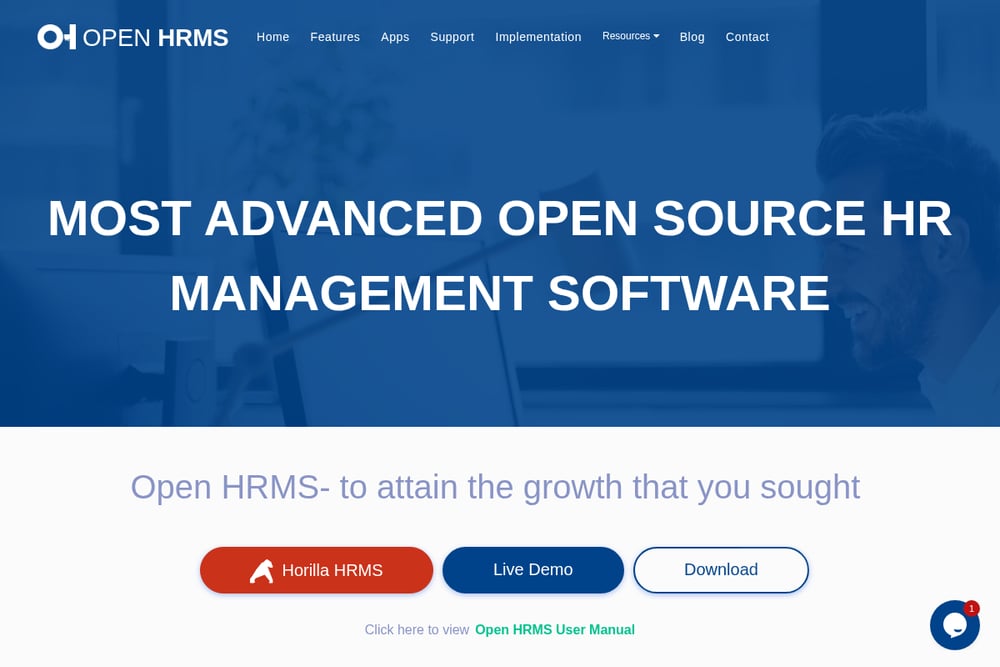 A screenshot of the Open HRMS website.
Open HRMS is the transparency play in this group. Their implementation packages are published with clear pricing tiers, from a basic install and configuration package up to multi-week engagements with master data import and custom module installation. You can see exactly how many hours of training, consultation, and support you get before you commit. That is refreshing in a market where implementation quotes often hide behind a sales call. If you want an open-source HRMS route with predictable costs and a defined scope, this is a smart shortlist entry.
#5 Ciphr
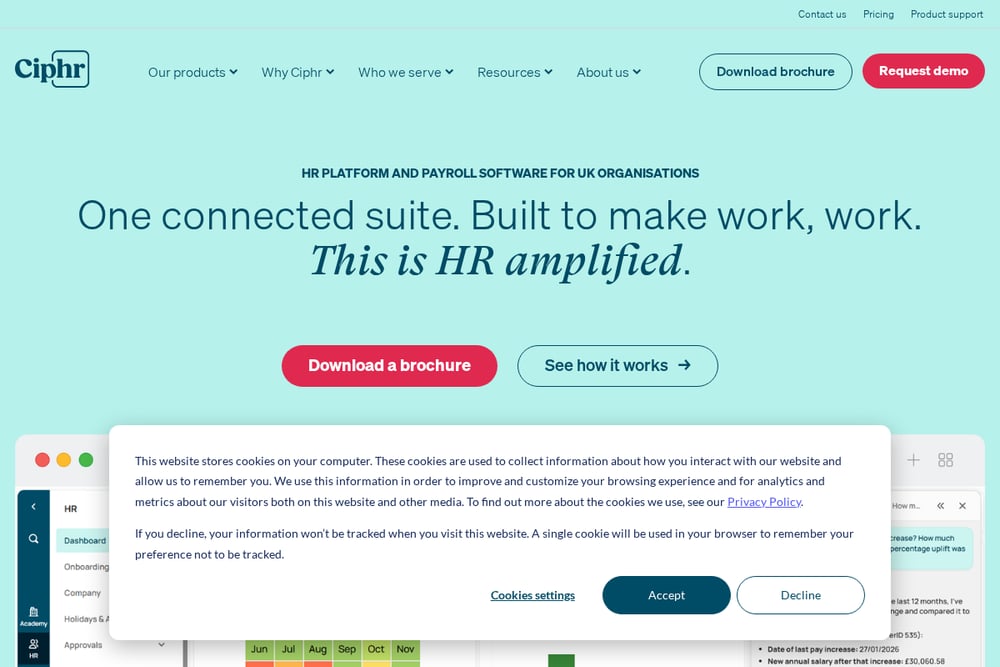 A screenshot of the Ciphr website.
Ciphr is built for organizations that need HR, payroll, benefits, and learning to work as one connected suite. Their product line includes fully compliant cloud HR software with purpose-built AI functionality, cloud payroll, an employee benefits platform, and a learning management system designed to build capability rather than just tick compliance boxes. They are especially strong for UK organizations with 200 to 2,000 employees, and their implementation and customer care model is well documented. If compliance, payroll accuracy, and integrated people data are non-negotiable, Ciphr deserves a look.
How to Choose the Right Partner for Your Business
Start with your biggest pain, not your wishlist. If your problem is getting found online and organizing basic operations, a bundled partner like Udyog Suite gets you moving without a massive budget. If your problem is a custom HR workflow that no off-the-shelf tool handles, you need engineering depth like Evrone. If you are integrating multiple enterprise platforms, Itransition is built for that. If you want open-source HRMS with published implementation pricing, Open HRMS removes the guesswork. If payroll compliance and an integrated people suite are the priority, Ciphr is the safer bet. Match the partner to the problem, and you will avoid paying for capability you will never use.
Where Automation Fits In
The real payoff of HRMS, ERP, CRM, and LMS is not the software itself. It is the busywork you stop doing. Automate onboarding checklists so new hires get accounts, training, and paperwork without manual chasing. Automate lead routing in your CRM so no inquiry sits unanswered. Automate inventory and approval flows in your ERP so operations do not depend on someone remembering a spreadsheet. Automate LMS reminders so compliance training actually gets completed. Pick one workflow, connect it, measure the hours saved, then move to the next. That is how you turn a suite into real capacity.
The Bottom Line
You have five solid options, and none of them is universally right. Udyog Suite wins on breadth and affordability for small teams that want one partner. Evrone wins on custom HR-tech engineering. Itransition wins on enterprise integration. Open HRMS wins on transparent implementation pricing. Ciphr wins on integrated HR, payroll, and learning for compliance-heavy organizations. Shortlist two, ask hard questions about scope, timeline, and support, and choose the one that fits the business you are building next, not the one you ran last year.