Finding a home health aide course that actually fits your life is harder than it should be. Here are five programs worth a closer look if you're starting or advancing a caregiving career in Massachusetts.
The State of Home Health Aide Training
Demand for home health aides keeps climbing as more families choose to keep aging relatives at home. That growth has pulled a wide range of training providers into the market, from local vocational schools to hospital-affiliated agencies and national online platforms. In Massachusetts, the 75-hour Home Health Aide course is the standard credential employers look for, and programs vary widely in cost, language support, and how much hands-on practice they include. Some providers train you for free in exchange for a work commitment. Others charge tuition and let you learn at your own pace online. The right fit depends on whether you need flexibility, a job pipeline, or a bilingual classroom close to home.
How We Evaluated These Programs
We looked at the same factors for every provider. First, course scope: does the program cover the full 75-hour curriculum and the skills employers expect? Second, pricing clarity: is tuition stated up front, and are there strings attached like work commitments? Third, local fit: is there a physical campus, bilingual instruction, or a regional hiring network you can tap? Fourth, format flexibility: can you learn online, in person, or both? Fifth, support after training, whether that means job placement help or an employer pipeline. Each program below stood out on different factors, so weigh them against what matters most to you.
Here's a quick comparison of the five programs, followed by a closer look at each one.
| Provider | Best For |
|---|---|
| All Care | Free training with a built-in job pipeline |
| Home | Bilingual, in-person training in Chelsea |
| Southern Technical Institute | Self-paced online learners |
| Selfhelp Community Services | Job seekers who want free training and placement |
| Activated Insights | Agencies training and onboarding care teams |
A Closer Look at Each Program
#1 All Care
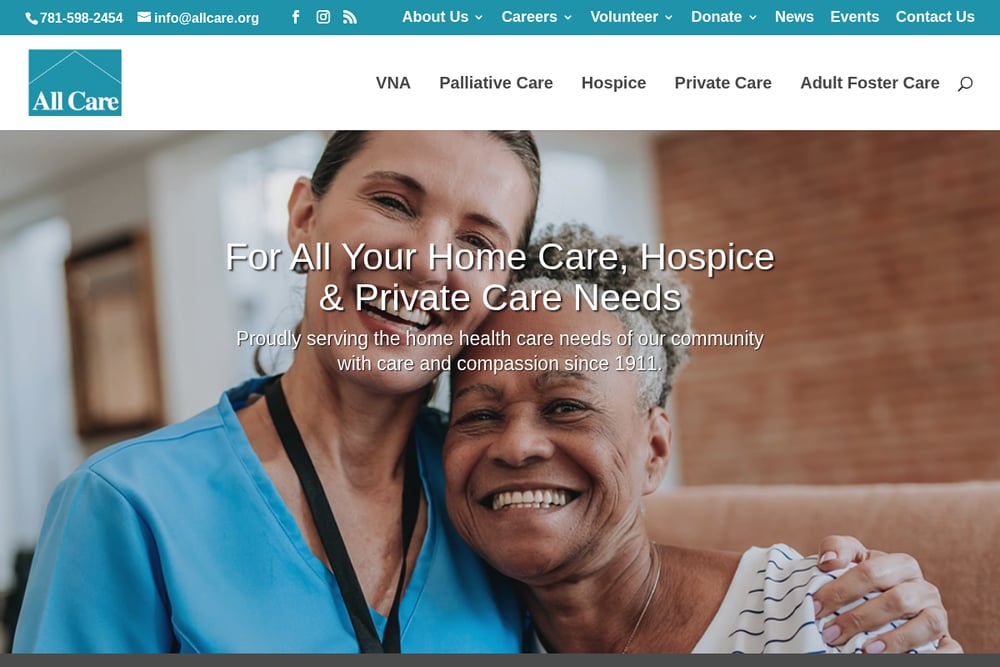 A screenshot of the All Care website.
All Care runs a 75-hour Home Health Aide training and certification course out of its Lynn office, and there is no cost to you. The tradeoff is a commitment to work at least 600 paid hours after you finish. The curriculum covers patients' rights, elder abuse, infection control, nutrition, personal care, and emergency procedures. You'll need a smartphone, your own vehicle, and fluent English to qualify. It's a strong option if you want free training paired with a direct path into paid work. Learn more at All Care's HHA training page.
#2 Home
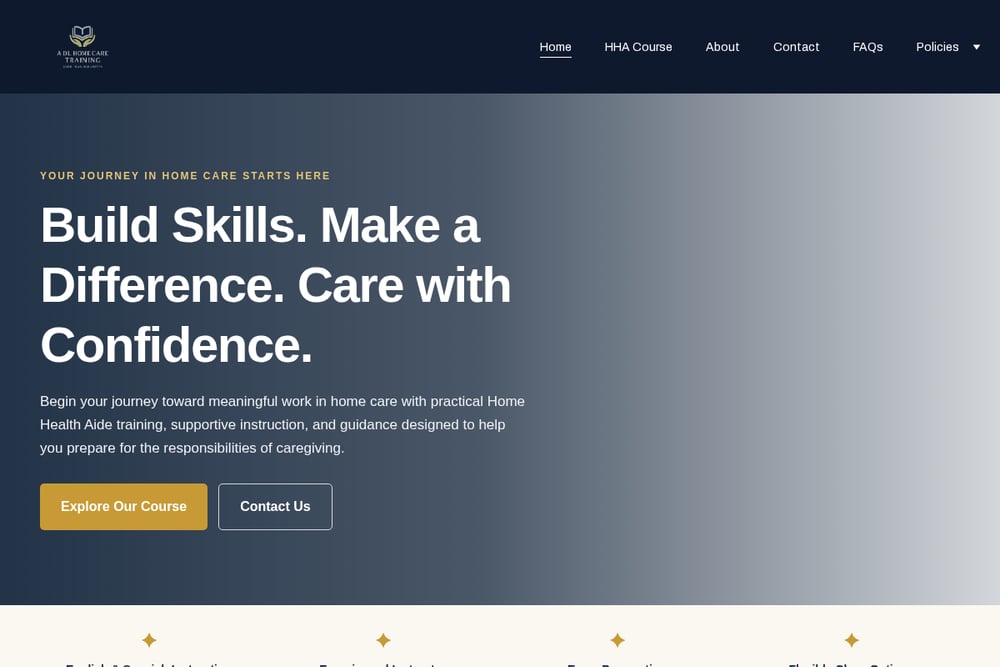 A screenshot of the Home website.
ADL Home Care Training Corp delivers certified 75-hour Home Health Aide instruction from its Chelsea campus at 373 Crescent Ave. Cohorts are offered in both English and Spanish, which makes it one of the few local programs built for bilingual learners. The site lays out course details, contact information, and accreditation credentials up front, and it's licensed for vocational instruction in Massachusetts. If you want a focused, in-person program in the greater Boston area, this is worth a call. You can review the course at ADL Home Care Training.
#3 Southern Technical Institute
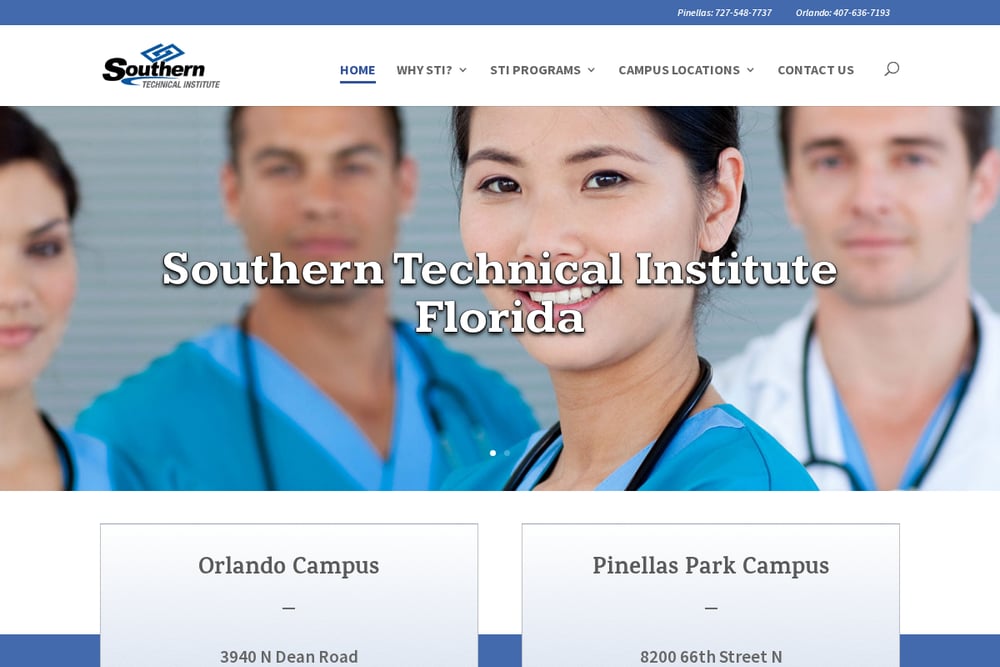 A screenshot of the Southern Technical Institute website.
Southern Technical Institute offers a fast, fully online Home Health Aide course you can access from a phone, tablet, or laptop. The curriculum uses video, audio, and interactive quizzes, and it meets the federal minimum requirements for agencies billing Medicare or Medicaid. One catch: you'll still need a two-hour hands-on clinical skills review, which means arranging a session with a licensed nurse if you can't get to a Florida campus. It's a solid pick if you learn best on your own schedule. See the details at Southern Technical Institute.
#4 Selfhelp Community Services
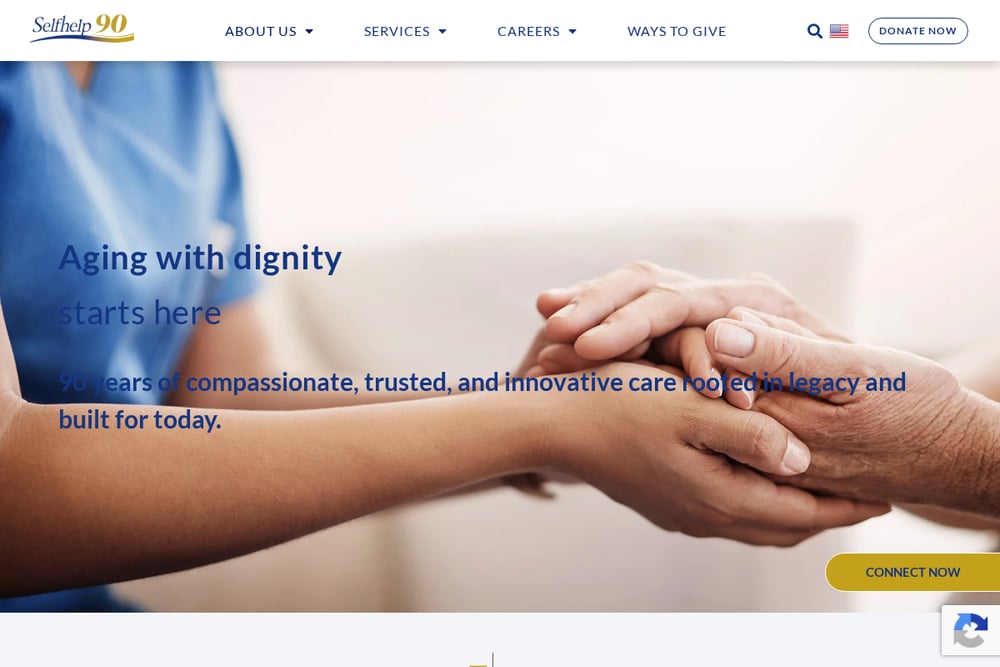 A screenshot of the Selfhelp Community Services website.
Selfhelp Community Services provides free home health aide and personal care aide training, with immediate job placement for qualified aides. The program is built around hiring, so you apply through a recruitment team rather than a traditional admissions process. Full-time and part-time roles are available after training. It's a practical route if your main goal is landing a paid caregiving job quickly. The application form asks about your prior caregiving experience and certification status. Explore the program at Selfhelp.
#5 Activated Insights
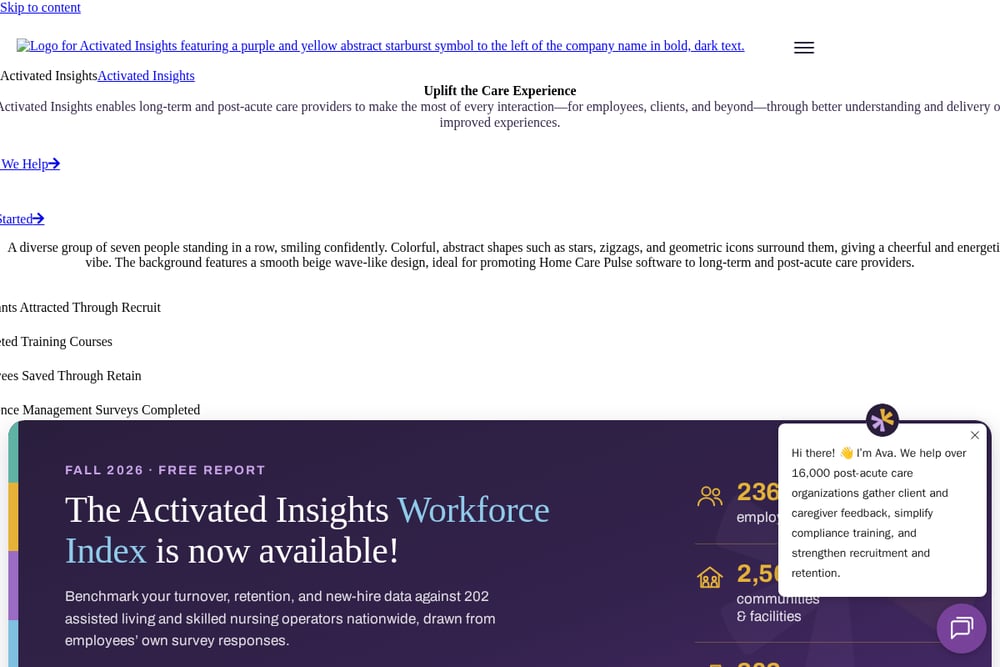 A screenshot of the Activated Insights website.
Activated Insights, through its CareAcademy training platform, targets agencies and care teams rather than individual students. Its HHA training sits inside a broader suite that includes experience management, retention tools, and recruiting outreach. Plans come in Essentials, Advanced, and Complete tiers, with Spanish-translated content and shared training history across teams. If you run a home care agency and need to onboard staff faster while reducing compliance risk, this is the enterprise angle. Individual learners will find it less direct. Learn more at Activated Insights.
How to Choose the Right Program
Start with your goal. If you need a job fast, prioritize programs with placement pipelines or employer partnerships, like All Care or Selfhelp. If you're paying out of pocket and want flexibility, an online option such as Southern Technical Institute may fit better. Check the language of instruction. If English isn't your first language, a bilingual cohort like the one at ADL Home Care Training can make the difference between passing and struggling. Confirm the total hours and whether hands-on clinical practice is included, since employers and state requirements care about both. Ask about hidden costs and work commitments before you enroll. Finally, verify accreditation and licensing, because a credential that employers don't recognize won't help you. Call each program, ask direct questions, and compare answers side by side.
Where Automation Fits Into Your Training Search
You don't need to manually track five programs across a dozen tabs. Set up a simple workflow: save each program's course page to a shared note, use a form tool to collect your questions, and send the same inquiry to every admissions contact at once. Route replies into a single inbox folder so you can compare pricing, start dates, and language options in one place. Add a calendar reminder to follow up after three business days. If you're an agency evaluating platforms like Activated Insights, request a demo through an automated scheduling link and log the outcome in a spreadsheet. Small automations like these cut the back-and-forth and help you decide faster.
The Bottom Line
There's no single right program here, only the right fit for your situation. All Care and Selfhelp remove cost as a barrier in exchange for work commitments. ADL Home Care Training gives bilingual learners a local, in-person option in Chelsea. Southern Technical Institute suits self-starters who want to study online. Activated Insights serves agencies rather than individuals. Match the program to your budget, language, timeline, and career goal, and you'll walk into your first shift prepared.