
Navigating hearing and vision loss can feel overwhelming, but the right support service makes all the difference. Whether you're seeking assistive technology, peer mentoring, or independent living skills training, these five organizations stand out for their commitment to helping you
| Provider | Best For |
|---|---|
| Vision Loss Resources | Comprehensive community-based support in Minnesota |
| American Council of the Blind | National peer support and mentoring networks |
| APH ConnectCenter | Centralized resource directory for vision loss |
| Heard & Seen | Dual hearing and vision support inquiries |
| Disabled Resource Services | Personalized advocacy and assistive technology in Colorado |
A deep dive into the 5 best Professional Services for 2026
#1 Vision Loss Resources
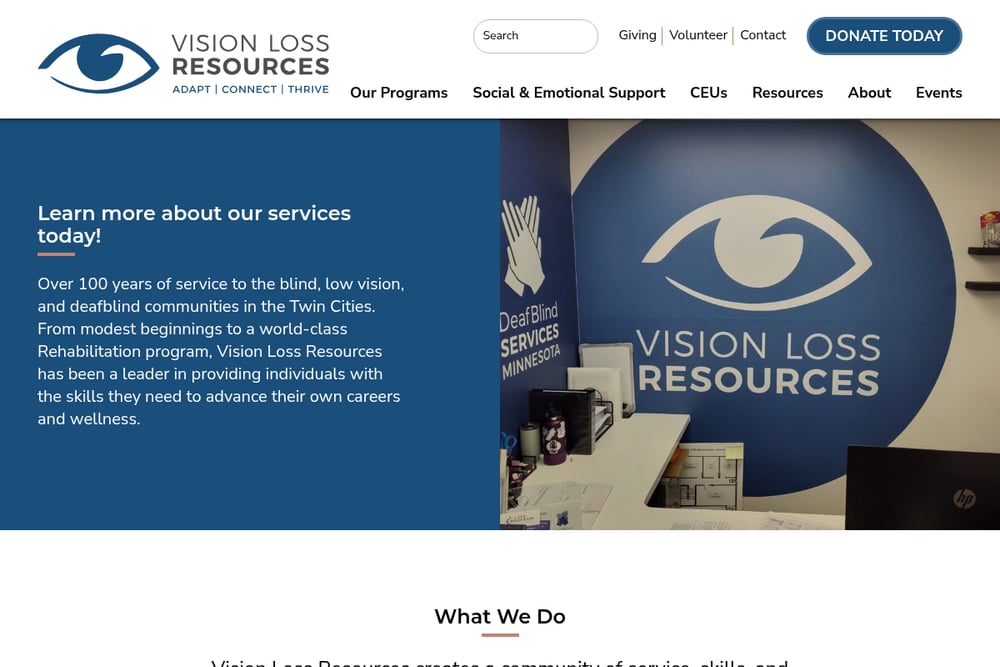 A screenshot of the Vision Loss Resources website.
With over 100 years of service, Vision Loss Resources is a powerhouse for blind, low vision, and deafblind communities in the Twin Cities. They offer personalized training, social and emotional support groups, and a packed calendar of events like low vision support groups and book clubs. Their DeafBlind Services Minnesota program specifically addresses combined hearing and vision loss, making them a comprehensive choice. If you're in Minnesota and need hands-on, community-driven support, this is your go-to.
#2 American Council of the Blind
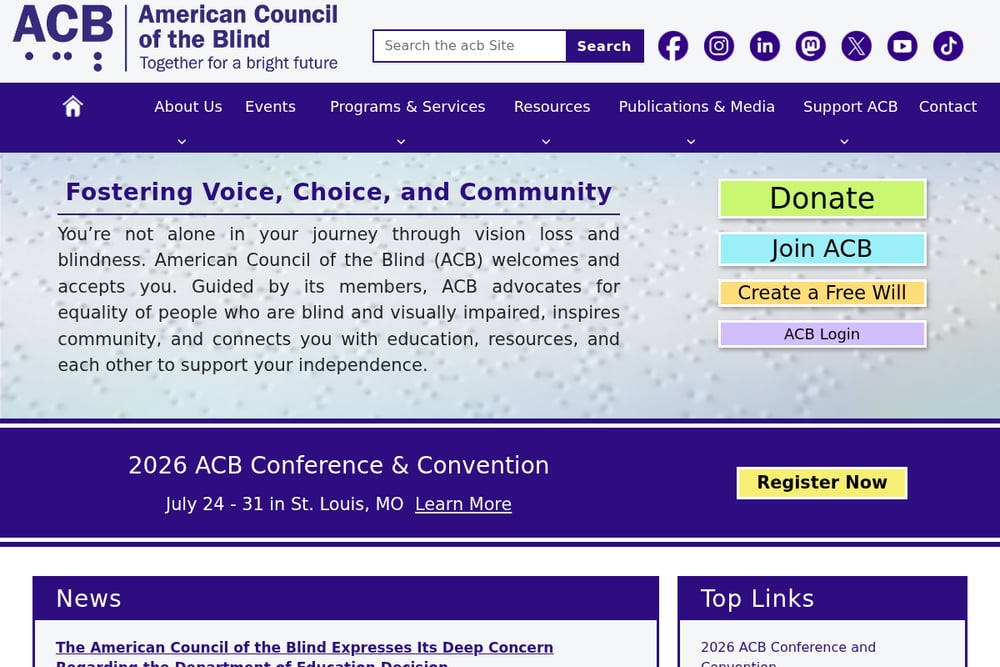 A screenshot of the American Council of the Blind website.
The American Council of the Blind (ACB) is a national organization that provides peer support and mentoring to blind and visually impaired individuals across the U.S. Their volunteer-driven model includes over 20 committees and affiliates covering low vision, deaf-blind, guide dog users, seniors, and more. ACB hosts regular conference calls, email lists, and specialized programs at their annual convention. If you're looking for a vast network of peers and advocates, ACB delivers unmatched scale and diversity.
#3 APH ConnectCenter
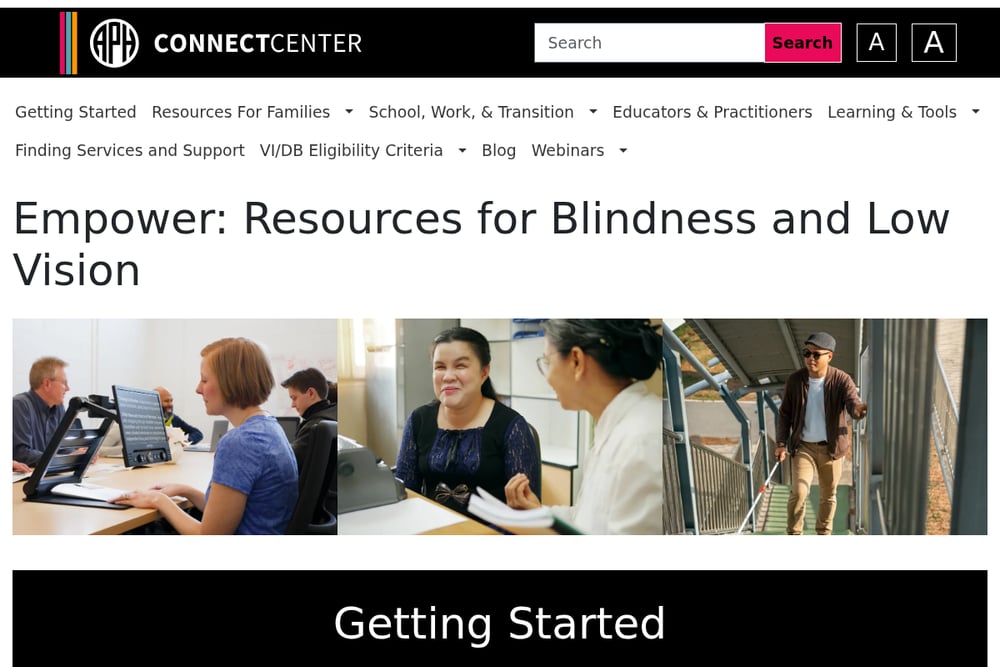 A screenshot of the APH ConnectCenter website.
APH ConnectCenter brings together trusted services and practical resources for people who are blind, have low vision, or face other vision-related conditions. They connect you to state and local agencies, support groups, and specialized resources like the Helen Keller National Center for DeafBlind individuals. Their directory includes everything from eye care providers to the National Library Service for the Blind. It's an excellent starting point if you need a centralized hub to find help fast.
#4 Heard & Seen
 A screenshot of the Heard & Seen website.
Heard & Seen positions itself as a hearing and vision service provider offering support for both hearing and seeing issues. While the website is currently sparse on detailed service descriptions, it does provide a contact email and a cookie notice, indicating a willingness to engage. For a business that aims to cover both senses, there's potential to become a one-stop shop. If you're seeking a dual-focus provider and are open to reaching out directly, Heard & Seen could be worth a conversation.
#5 Disabled Resource Services
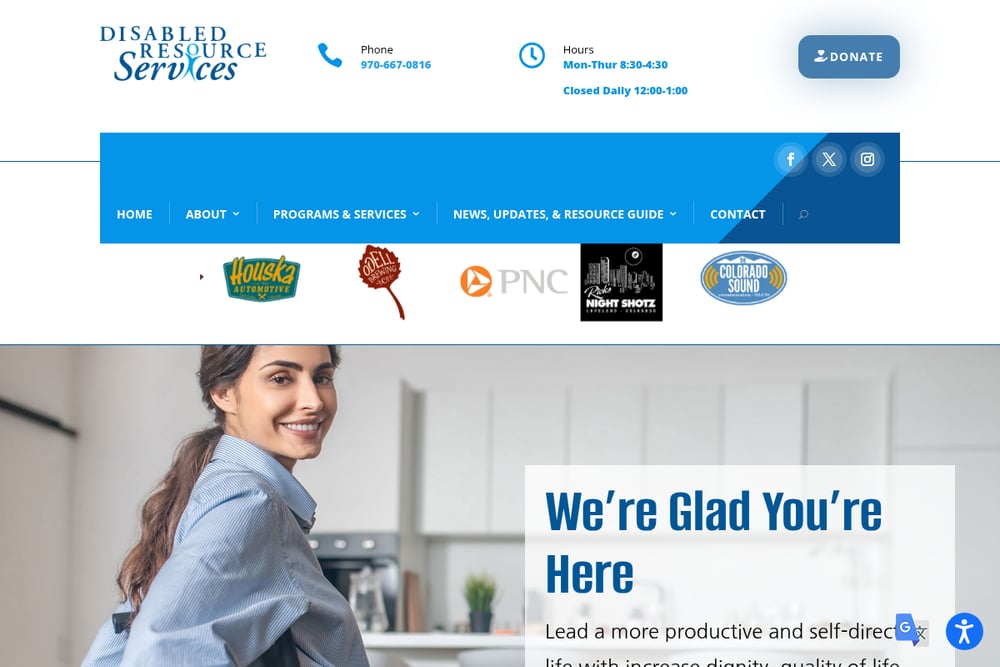 A screenshot of the Disabled Resource Services website.
Disabled Resource Services (DRS) offers a Deaf/Hard of Hearing/DeafBlind program that focuses on independent living through assistive technology, peer support, and advocacy. Their 'Beyond Sight and Sound' program provides direct services in ASL and English, and they help you navigate local, state, and federal resources. They also run a Disability/Vision Matters program for blind or low-vision individuals. If you're in Colorado and need personalized, advocacy-driven support, DRS is a solid choice.