Your Lotus Notes estate still runs the business, but finding a partner who can maintain, modernize, and migrate it without breaking what works is harder than it should be. Here are five specialists worth a serious look.
The State of Notes & Domino Support
HCL Notes and Domino refuse to die. Thousands of enterprises still run mission-critical applications on the platform, and the skills to keep them healthy are getting scarcer every year. That gap has created a market of boutique consultancies, managed service providers, and migration tool vendors. Some keep you on Notes and make it better. Others move you off it entirely. The right choice depends on whether your priority is preservation, modernization, or exit. You need to know which camp each partner lives in before you start a conversation.
How We Evaluated These Partners
We looked at service scope: does the partner cover maintenance, modernization, development, and migration, or only one slice? We looked at delivery model: managed services, project work, or software-led. We looked at geographic fit, since time zones and local presence matter for legacy support. We looked at proof of scale, such as mailboxes migrated or environments supported. And we looked at clarity of positioning, because a partner who knows exactly what they do is easier to trust. Each business below stood out on different factors, and that is the point.
Here is a quick comparison of the five partners, from full-lifecycle consultancies to migration tool specialists.
| Provider | Best For |
|---|---|
| HexaCorp | Enterprises bundling Domino work into a broader modernization program |
| HCL Notes & Domino Maintenance and Modernization | NotesDom360 | Organizations that want to modernize on Notes rather than abandon it |
| AD7 | Large-scale Domino-to-Office 365 migrations with ongoing support |
| Prominic.NET | Teams that want to move Notes applications off Domino onto SQL |
| Transend | Self-service or fully managed Notes-to-Microsoft 365 email migrations |
The Five Partners in Detail
#1 HexaCorp
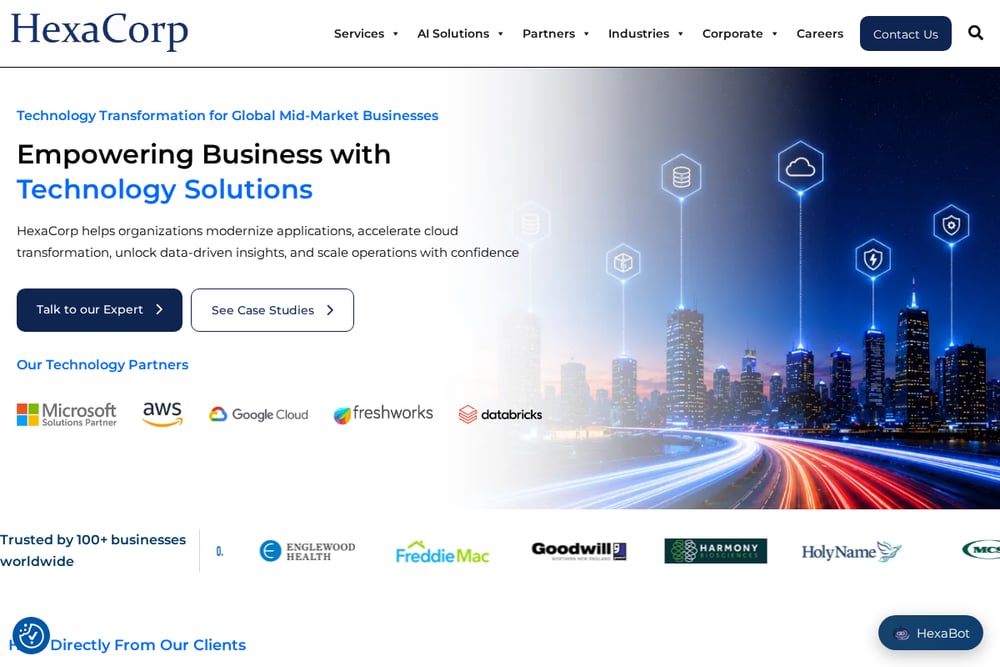 A screenshot of the HexaCorp website.
HexaCorp brings a broad application services portfolio to the Notes and Domino world. Their Domino practice sits alongside application development, modernization, cloud, and AI services, which means you can bundle legacy support into a wider transformation roadmap. They emphasize secure administration and upgrade paths for Domino environments. If your organization already has a multi-vendor modernization agenda, HexaCorp can slot Notes work into it without a separate procurement cycle. The trade-off is that Notes is one service line among many, so you should confirm the depth of the dedicated Domino bench before you commit.
#2 HCL Notes & Domino Maintenance and Modernization | NotesDom360
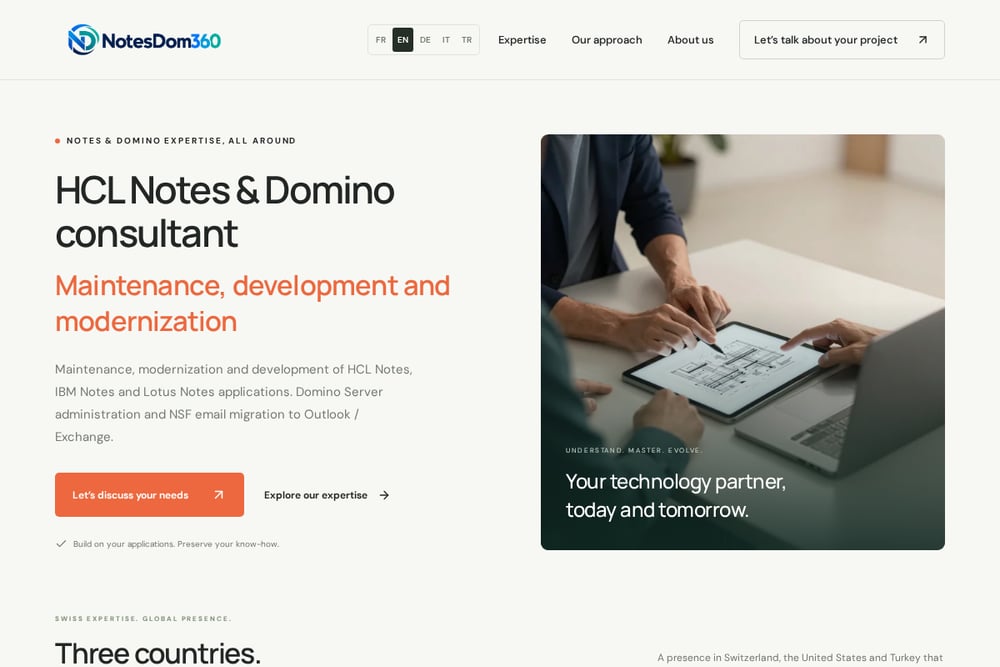 A screenshot of the HCL Notes & Domino Maintenance and Modernization | NotesDom360 website.
NotesDom360 is a boutique consultancy that does one thing and does it deeply: maintain, modernize, develop, and migrate HCL, IBM, and Lotus Notes applications. They offer Domino server administration, managed services, and NSF email migration to Outlook and Exchange. What sets them apart is the philosophy. They explicitly support staying on Notes and evolving it, preserving business logic while improving UX, workflows, and REST API connections. With a presence in Switzerland, the United States, and Turkey, they combine Swiss-standard delivery with global reach. If you want a partner who treats your existing applications as an asset rather than a problem, start here.
#3 AD7
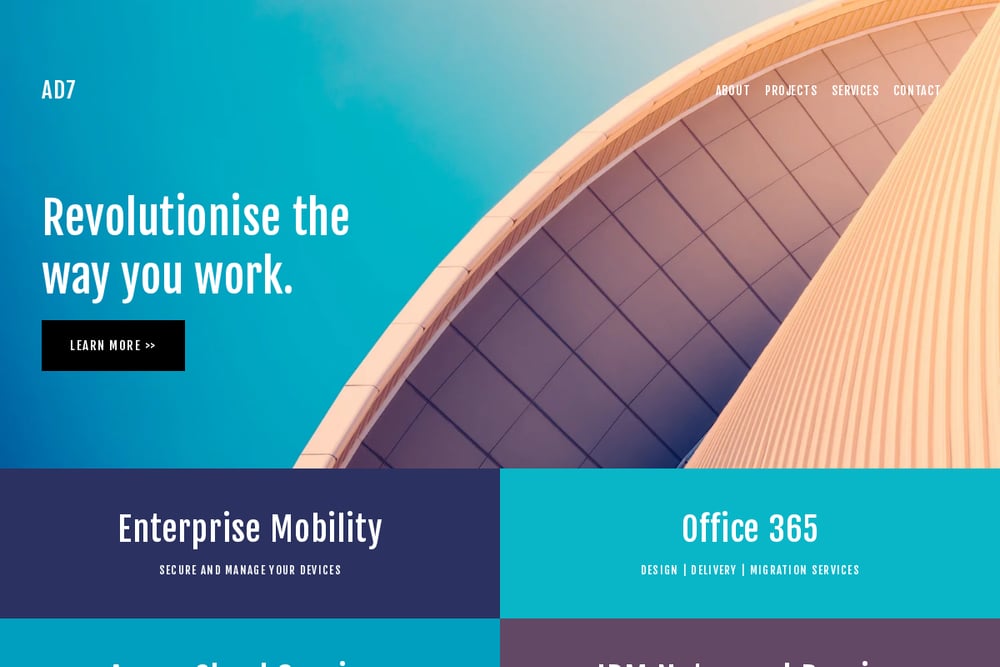 A screenshot of the AD7 website.
AD7 has specialized in IBM Domino and Lotus Notes for over fifteen years, with certified consultants and developers on staff. They handle large-scale migrations from complex Domino estates to Office 365, plus Domino server maintenance, application development, and technical support. Their claim of migrating over one million mailboxes is a meaningful proof point for migration-heavy projects. They also modernize applications using XPages, CSS, XML, and JavaScript. For UK and European clients who want a long-tenured Notes specialist, AD7 is a natural shortlist entry.
#4 Prominic.NET
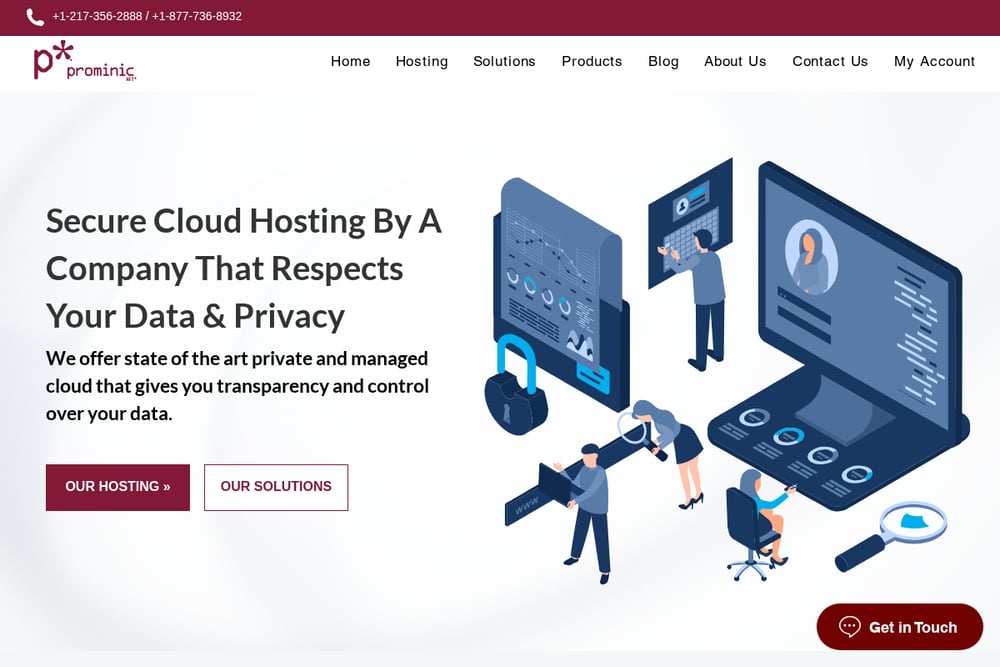 A screenshot of the Prominic.NET website.
Prominic.NET is a hosting and solutions provider with a deep HCL portfolio, including Domino hosting, Nomad Web, Leap, and Volt MX. Their DOCOVA product takes a different angle on modernization: it migrates Notes applications to SQL and eliminates Domino from the application backend entirely. That makes them relevant if your goal is to retire Domino rather than evolve it. They also offer security assessments and clustering for hosted Domino environments. Think of Prominic as a platform partner with a migration exit ramp built in.
#5 Transend
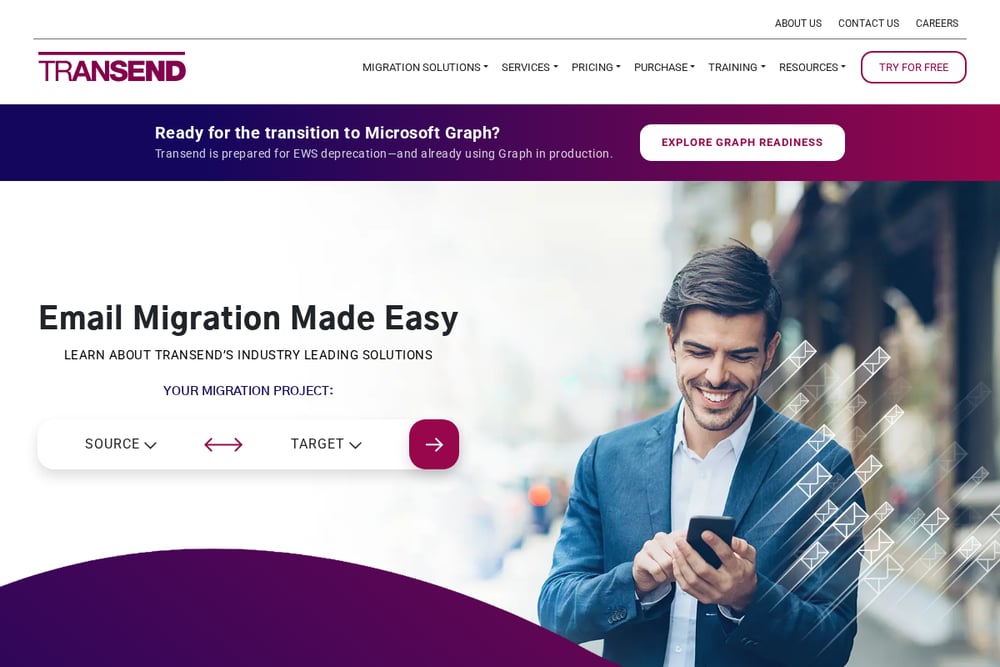 A screenshot of the Transend website.
Transend is a migration specialist, not a general consultancy. Their tools and managed services have migrated over 40 million mailboxes from Lotus Notes to Office 365 and Outlook. You can license the software and run the migration yourself, or hand the whole project to their white-glove team. They cover mail, calendars, contacts, tasks, archives, and file shares. If your only goal is a clean, fast email cutover and you do not need application modernization, Transend is purpose-built for that job.
How to Choose the Right Partner
Start with one question: are you staying on Notes or leaving it? If you are staying, you need a partner who can maintain and modernize in place, like NotesDom360 or AD7. If you are leaving, you need migration depth, like Transend for email or Prominic for applications. Next, decide whether you want a boutique or a broad provider. Boutiques give you focused attention and faster decisions. Broad providers give you one throat to choke across multiple workstreams. Then check geography. Legacy support benefits from overlapping time zones and local accountability. Finally, ask for proof: environments supported, mailboxes migrated, and references in your industry. The right partner will have all three.
Where Automation Fits
Automation is not a replacement for expertise, but it changes the economics of Notes support. Monitoring tools can watch Domino server health and alert you before outages. Migration platforms like Transend automate mailbox moves at scale. Modernization partners can wrap REST APIs around existing Notes logic so your applications talk to current tools without a rewrite. The smart play is to let automation handle the repetitive work, monitoring, migration batches, and routine admin, while your partner focuses on architecture and business logic. That combination keeps costs down and preserves the know-how trapped in your applications.
The Bottom Line
Your Notes estate is not a liability. It is a record of how your business works. The five partners here represent different paths: HexaCorp for broad modernization, NotesDom360 for boutique in-place evolution, AD7 for proven large-scale migration, Prominic for application exit to SQL, and Transend for email cutover. Match the path to your strategy, check the proof points, and start with a scoped conversation. The right partner will make your legacy feel like an advantage again.