
If you're looking to sharpen your clinical skills or start a career in healthcare, hands-on training is non-negotiable. Pennsylvania is home to several standout programs that blend real-world practice with expert instruction. Whether you're a seasoned professional or just starting
The State of Hands-On Medical Education
Medical education is shifting away from passive lectures and toward active, simulation-based learning. Across the country, programs are investing in high-fidelity mannequins, standardized patients, and multidisciplinary team training to better prepare clinicians for real-world scenarios. In Pennsylvania, this trend is especially strong, with institutions like Penn State and WellSpan leading the charge. At the same time, smaller, community-focused organizations like SimMed are making hands-on training accessible to local healthcare workers. The result is a diverse ecosystem where you can find everything from pediatric STEM programs to advanced resuscitation courses.
How We Evaluated These Programs
We looked at each program's service scope, including the range of courses and target audiences. Pricing clarity was another factor, as transparent costs help you plan your training budget. Local fit mattered too, especially for those seeking in-person, community-based options. We also considered the depth of hands-on experience offered, from simulation technology to real-world clinical scenarios. Finally, we assessed the expertise of the instructional team, since quality teaching is the backbone of effective medical education.
Here's a quick look at how these five programs compare across key factors like audience, focus, and format.
| Provider | Best For |
|---|---|
| Penn State College of Medicine Clinical Simulation Center | Comprehensive academic simulation training |
| HOME | Sim Med | Community-based hands-on CPR and medical training |
| WellSpan Health Kinsley Family Foundation Medical Simulation Center | Multidisciplinary residency and team training |
| INMED Hands-on Skills for Low-Resource Healthcare | Skills training for low-resource and global health settings |
| Little Medical School | STEM-based healthcare education for children |
Detailed Look at Each Program
#1 Penn State College of Medicine Clinical Simulation Center
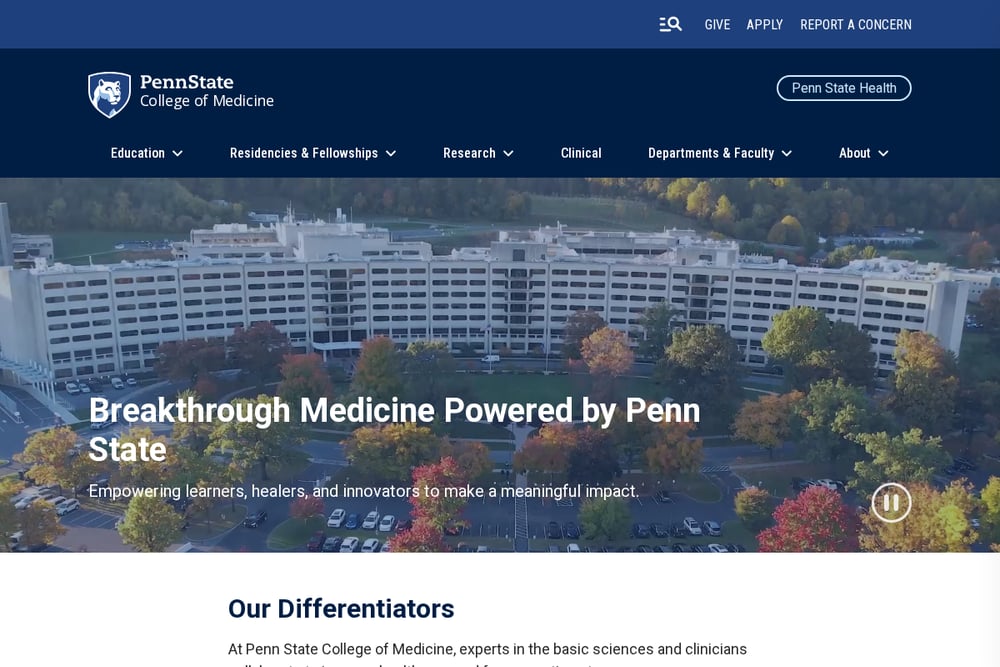 A screenshot of the Penn State College of Medicine Clinical Simulation Center website.
Located in Hershey, PA, the Penn State College of Medicine Clinical Simulation Center is a comprehensive facility that supports the training of medical students, residents, and practicing professionals. The center offers high-fidelity simulation, standardized patient encounters, and procedural skills training across multiple specialties. It's integrated into the broader Penn State Health system, giving you access to cutting-edge resources and expert faculty. Whether you're practicing emergency response or refining communication skills, this center provides a realistic, safe environment to learn. The center's affiliation with a major academic institution means you'll benefit from ongoing research and curriculum innovation.
#2 HOME | Sim Med
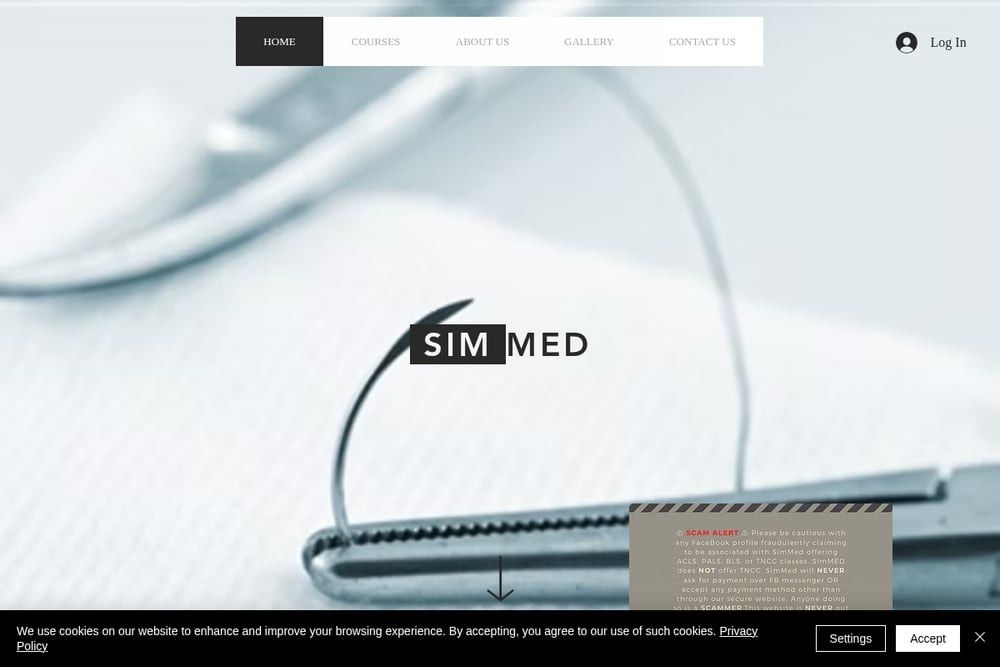 A screenshot of the SimMed website.
SimMed is a multi-disciplinary team of healthcare professionals based in Berks County, PA, dedicated to delivering hands-on medical education. The team includes physicians, residents, nurse practitioners, paramedics, and other specialists who bring real-world experience to every course. They focus on CPR and other critical skills, making training practical and immediately applicable. You can reach them at SimMedCPR@gmail.com to learn more about upcoming sessions. SimMed's community-driven approach ensures you get personalized instruction in a supportive setting.
#3 WellSpan Health Kinsley Family Foundation Medical Simulation Center
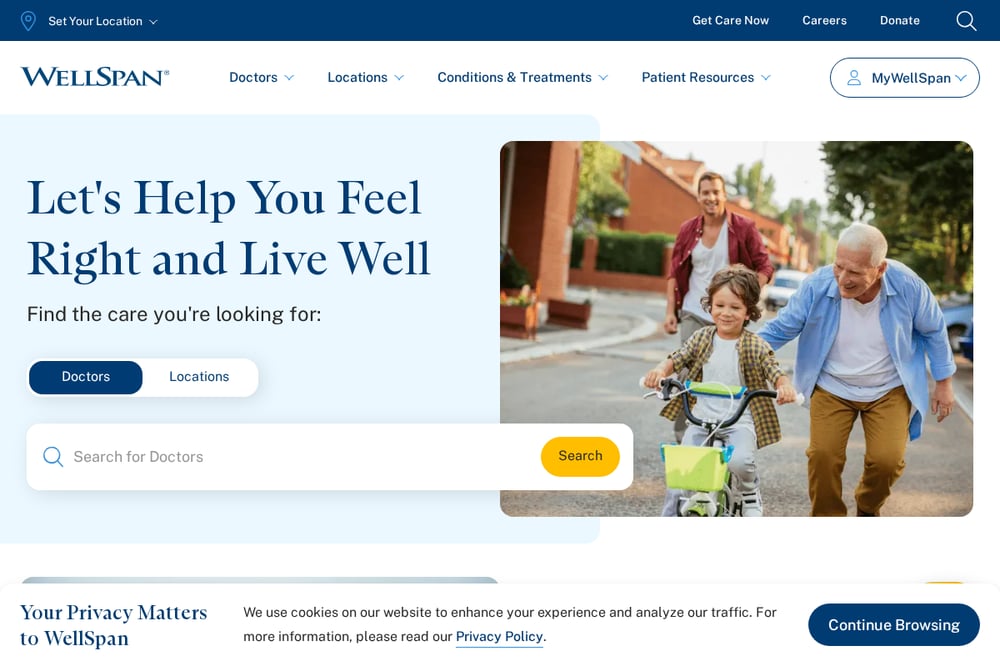 A screenshot of the WellSpan Health Kinsley Family Foundation Medical Simulation Center website.
The Kinsley Family Foundation Medical Simulation Center at WellSpan York Hospital is a 4,500-square-foot multidisciplinary teaching space. It serves nine residency programs, including emergency medicine, surgery, and OB/GYN, with three multiuse rooms, two classrooms, and three mock clinic rooms. You'll train using state-of-the-art simulation technology and work with standardized patients to practice difficult conversations. The center's team includes a medical director, a technical director, and a simulation technologist who design innovative learning experiences. Since opening in 2008, it has become a cornerstone for immersive, experiential learning in south-central Pennsylvania.
#4 INMED Hands-on Skills for Low-Resource Healthcare
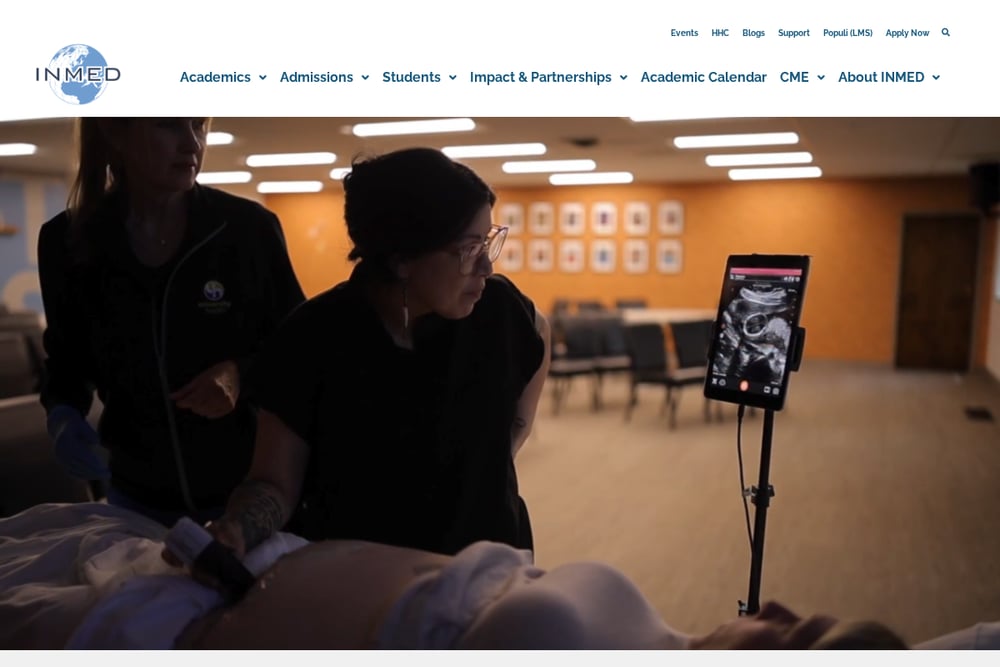 A screenshot of the INMED website.
INMED offers a Hands-on Skills for Low-Resource Healthcare course designed for healthcare professionals working in underserved or international settings. The program emphasizes practical techniques you can apply with limited equipment, from suturing to emergency obstetrics. INMED also provides graduate certificates, diplomas, and master's degrees in international health, making it a great fit if you're pursuing academic credentials alongside hands-on training. The course is part of a broader curriculum that includes short self-paced options and service-learning experiences. You'll learn from instructors with extensive field experience in low-resource environments.
#5 Little Medical School
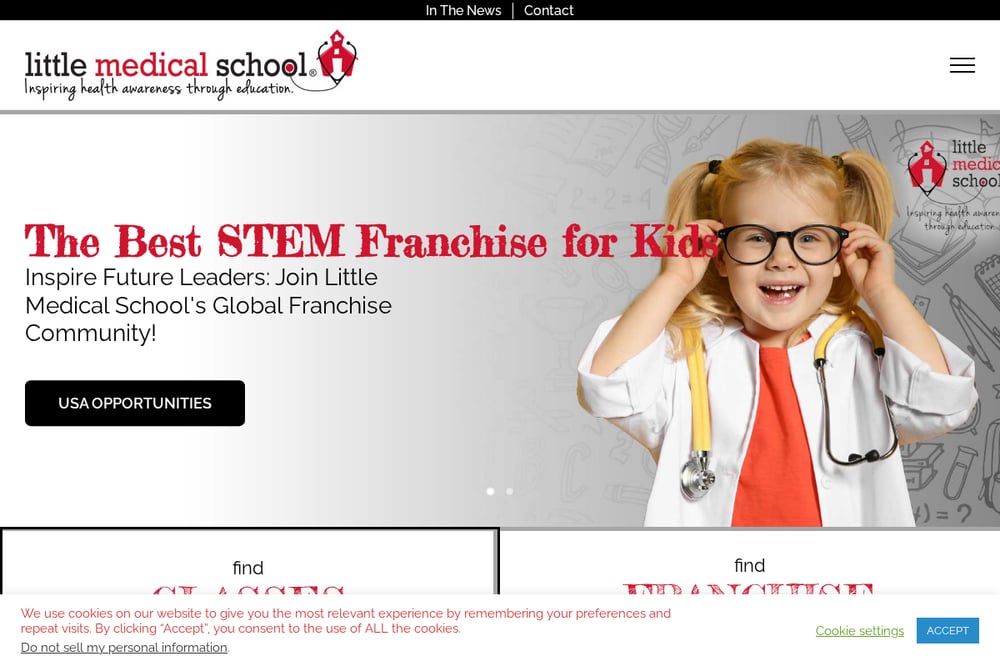 A screenshot of the Little Medical School website.
Little Medical School brings healthcare education to children ages 4-14 through interactive, STEM-accredited programs. Using real medical instruments and role-play, kids explore topics like veterinary medicine, forensic science, and marine biology. The curriculum includes after-school activities, summer camps, birthday parties, and badge classes, delivering over 400 hours of engaging content. Each location is independently owned, so you can find a program tailored to your community's needs. It's a fun, low-pressure way to spark an early interest in healthcare careers.
How to Choose the Right Program for You
Start by identifying your primary goal: are you a professional seeking advanced clinical skills, a student exploring healthcare careers, or a parent looking for enrichment for your child? Next, consider the format that fits your schedule, whether that's in-person workshops, simulation center sessions, or self-paced online courses. Location matters too, especially if you prefer hands-on, community-based training close to home. Finally, review the expertise of the instructors and the types of scenarios they cover to ensure the program aligns with your learning needs.
Automating Your Training Workflow
To streamline your search for the right program, set up a simple workflow: first, use a tool like Zapier to monitor new course offerings from these organizations via RSS feeds or email newsletters. Second, create a spreadsheet to track key details like course dates, costs, and prerequisites. Third, set calendar reminders for registration deadlines. This approach ensures you never miss an opportunity to advance your skills.
Bringing It All Together
Pennsylvania offers a rich landscape of hands-on medical education, from academic simulation centers to community-focused training and even programs for future healthcare heroes. Whether you choose the comprehensive resources at Penn State, the personalized approach of SimMed, or the global perspective of INMED, each program brings unique strengths to the table. The key is to match your goals with the right environment, and with these five options, you're well on your way to gaining the practical experience that truly makes a difference.