Girls don't need another pep talk. They need rooms where their voice actually matters. Here are five programs building those rooms right now.
The State of Girls' Identity and Empowerment Work
Adolescence is a pressure cooker. Social comparison, self-doubt, and peer pressure hit hard, and girls often absorb all three at once. That's why identity-based programming has moved from nice-to-have to essential. The strongest programs combine mentorship, leadership skill-building, and a safe space to ask hard questions about faith, culture, and self. You'll see this play out across the field, from mentorship nonprofits to research-backed interventions. Some organizations focus on community healing and rites of passage, like the identity-based initiatives at the Center for Justice Innovation. Others lean on rigorous evaluation to prove what works, as the Population Council does with its Adolescent Girls Empowerment Program. The common thread? Girls thrive when a program treats identity as something to reclaim, not something to fix.
How We Evaluated These Programs
We looked at the same factors for every organization. First, service scope: does the program offer mentorship, curriculum, speaking, or a mix? Second, clarity of mission: can you tell in thirty seconds who it serves and why? Third, accessibility and reach: is it local, national, or global, and who can actually join? Fourth, depth of identity focus: does it engage faith, culture, and selfhood directly, or stay surface-level? Fifth, credibility signals: nonprofit status, published research, or a track record you can verify. The Reclaim stands out for pairing a psychologist-led journal with a girls' program and speaking services in one platform. Young Women Empowered stands out for its mentorship model and intersectional lens. Project DIVA International stands out for its structured signature programs and alumni pathway. The Center for Justice Innovation stands out for community-rooted, identity-affirming spaces. The Population Council stands out for evidence and scale. Each brings something different to the table.
Here's a quick side-by-side so you can see how the five compare on focus, format, and audience before you dig into the details.
| Provider | Best For |
|---|---|
| Young Women Empowered | Mentorship-driven, intersectional youth leadership |
| Home | The Reclaim | Faith-rooted identity work, speaking, and girls' programming |
| Project DIVA International | Structured teen leadership tracks with alumni community |
| Center for Justice Innovation | Community-rooted, healing-centered identity programs |
| Population Council | Evidence-based, large-scale adolescent girls research |
The Five Programs in Detail
#1 Young Women Empowered
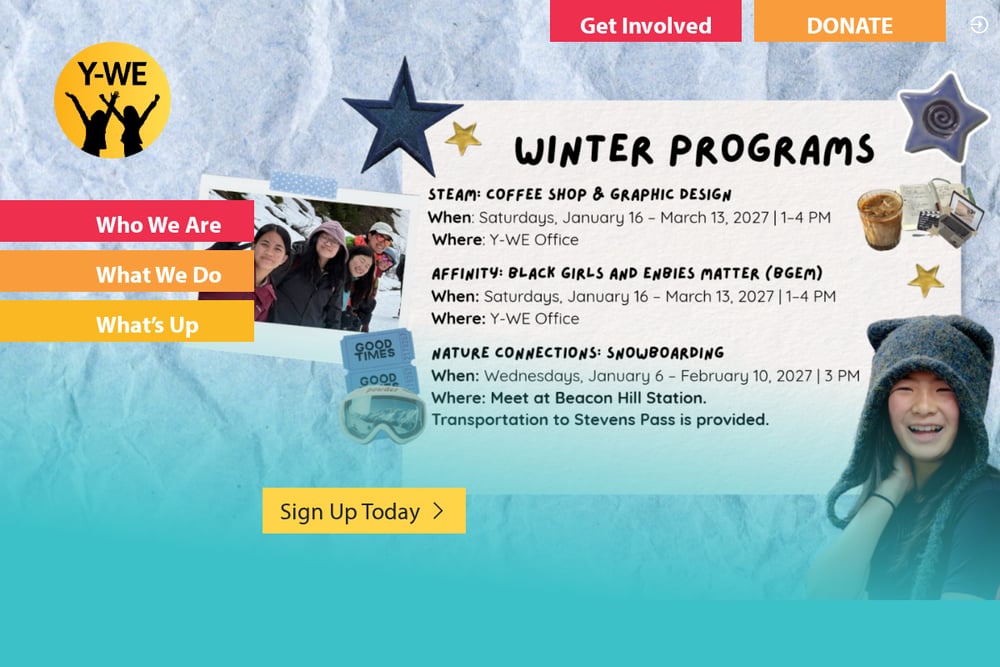 A screenshot of the Young Women Empowered website.
Young Women Empowered, or Y-WE, started in 2010 as a seven-month pilot leadership program. The girls who took part were so energized that they helped build a year-round organization around it. Today it operates as an independent 501(c)(3) and serves young women, non-binary, and gender expansive youth ages 13 to 26. It's an intersectional feminist organization that welcomes all racial identities while centering BIPOC experiences. If you want a mentorship-based model with a strong community backbone, this is a serious contender. You can read the full origin story on the organization's Our Story page.
#2 Home | The Reclaim
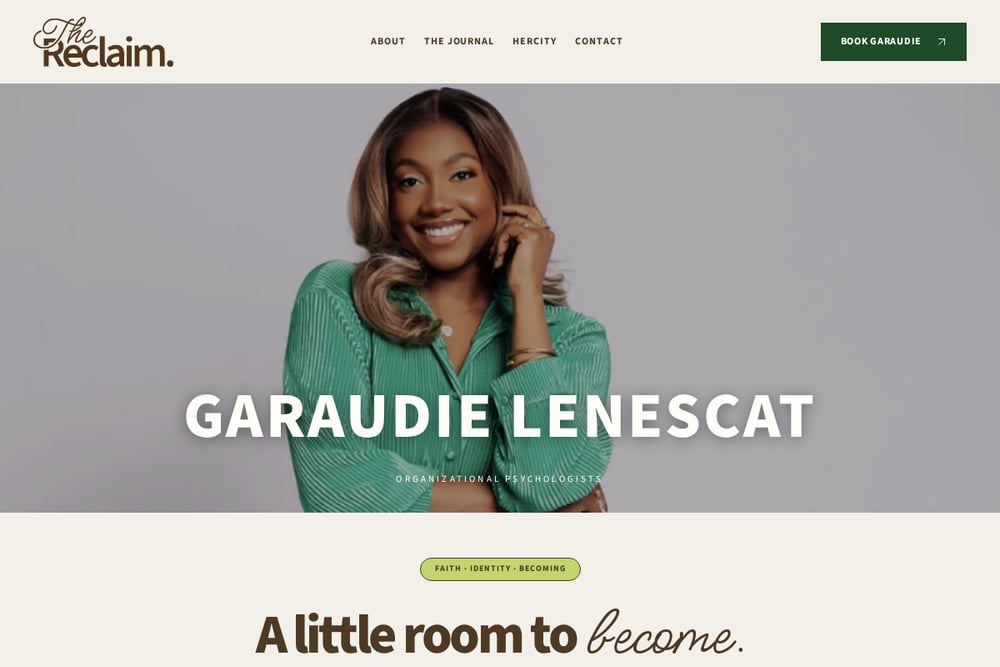 A screenshot of the Home | The Reclaim website.
The Reclaim is the personal platform of Garaudie Lenescator, an organizational psychologist working at the intersection of faith, identity, and becoming. It's built around three offerings: a journal with honest writing on healing and the messy middle, HerCity, a girls' youth program that helps young girls reclaim their identity, and speaking and panel moderation for events. What sets it apart is the psychologist's lens applied to real conversation rather than polished platitudes. You get a space that feels like a room to become, not a stage to perform on. If you're looking for a speaker who can hold a room or a program that speaks to girls directly, start here.
#3 Project DIVA International
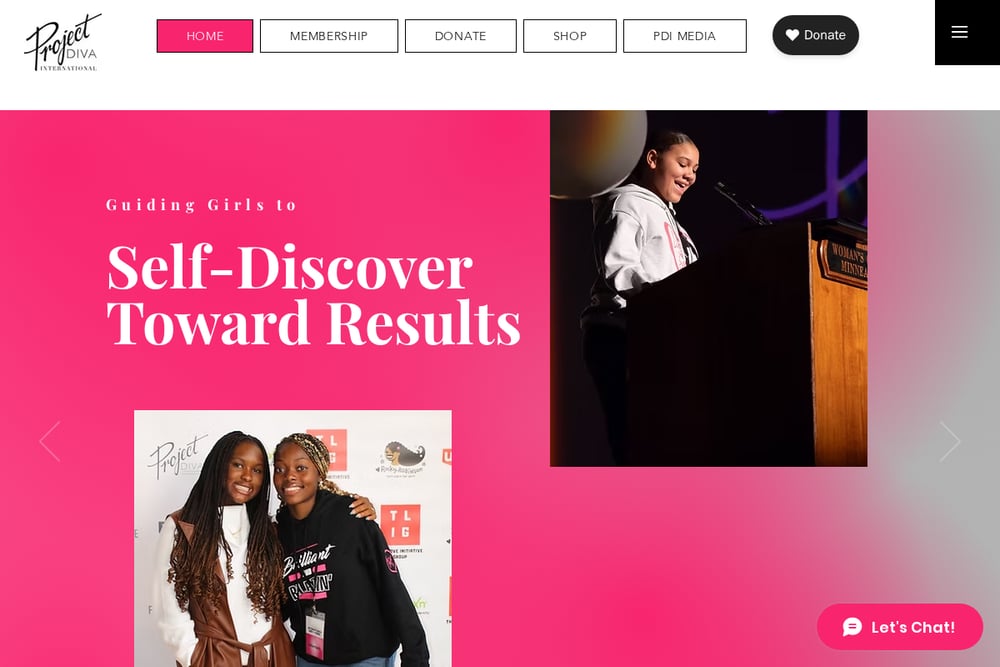 A screenshot of the Project DIVA International website.
Project DIVA International runs a family of structured programs, including a signature track, a membership model, Girl on the Go, and a Teen Executive pathway. It also maintains an alumni network and a Wisdom Bearer group, which tells you the organization thinks in decades, not semesters. Its published guidance on empowerment programs for teenage girls lays out the case clearly: confidence building, leadership skills, critical thinking, social awareness, and career guidance. That framework gives parents and mentors a concrete checklist to evaluate any program against. If you like structure and a clear ladder of progression, this one maps it out for you.
#4 Center for Justice Innovation
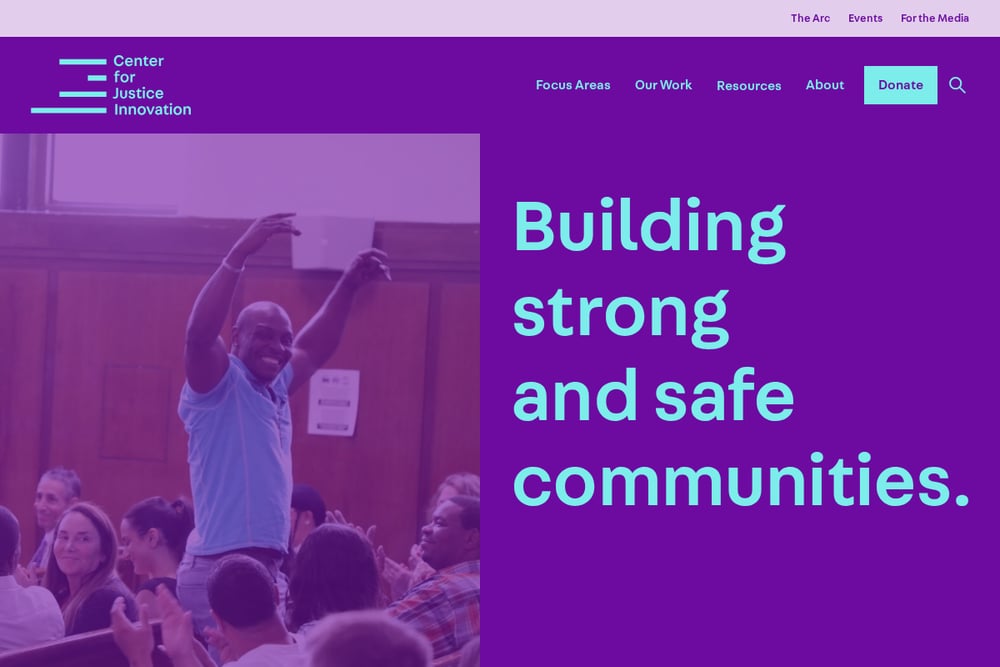 A screenshot of the Center for Justice Innovation website.
The Center for Justice Innovation approaches identity work through community and healing rather than curriculum alone. Its identity-based initiatives create affirming spaces for young people to explore who they are with an intersectional lens. The Brownsville Girls Collaborative is a rites-of-passage program built around sisterhood, healing, and entrepreneurial skill-building. Other programs, like Pride Pact and the Men's Empowerment Program in Harlem, show the same philosophy applied across identities. If you're a community organization looking for a model to adapt, this is a rich reference point. You can explore the full portfolio on the organization's identity-based initiatives page.
#5 Population Council
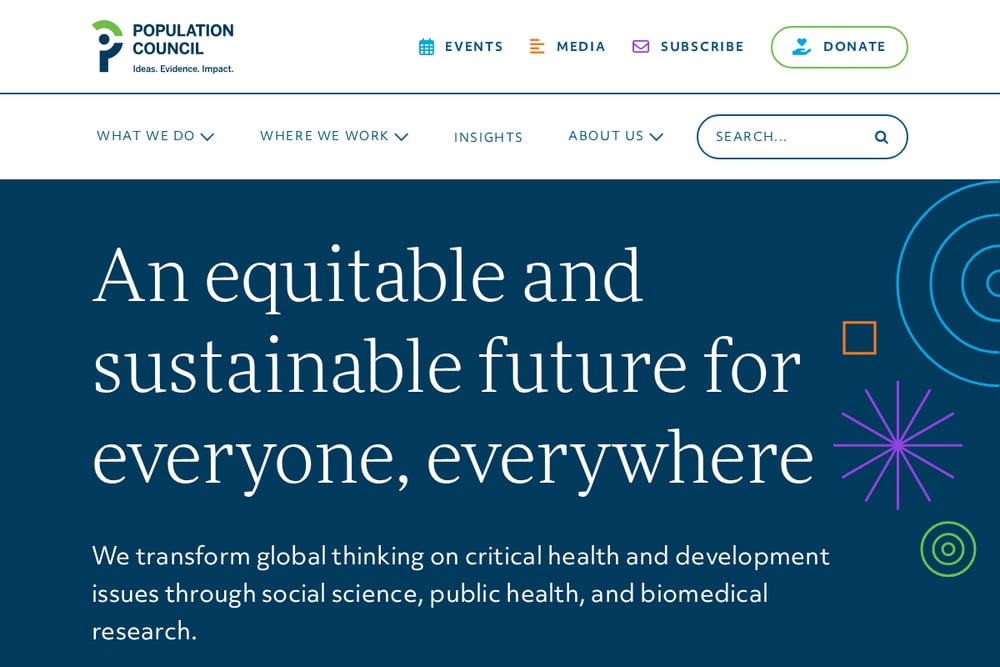 A screenshot of the Population Council website.
The Population Council brings something the others don't: rigorous research at scale. Its Adolescent Girls Empowerment Program implements and evaluates interventions designed to help girls avoid early marriage, sexually transmitted infections including HIV, and unintended pregnancy. The work focuses on vulnerable adolescent girls in low-resource communities, starting with Zambia, where poverty, gender-based violence, and school dropout compound the risks. The organization is candid that high-quality evidence on what works for marginalized girls is still thin, and it's working to close that gap. If you want to understand the evidence base behind girls' empowerment programming, this is where to look.
How to Choose the Right Program for Your Girl
Start with the girl, not the brochure. Ask what she actually needs right now: a mentor, a peer community, a structured curriculum, or a space to wrestle with faith and identity. Then match the format. If she wants weekly mentorship and a long-term community, a model like Young Women Empowered fits. If she thrives on structure and progression, a program like Project DIVA International gives her a ladder to climb. If the need is a speaker or a conversation for a school, church, or conference, The Reclaim's speaking and panel work is the direct route. If you're a community leader building something local, study the Center for Justice Innovation's identity-based models. And if you're a funder or policymaker, the Population Council's research tells you where the evidence is strong and where it isn't. Check accessibility too: age ranges, cost, location, and whether the program serves non-binary and gender expansive youth. Finally, look for credibility signals like nonprofit status, published research, or a clear alumni pathway. A good program will tell you exactly who it serves and why.
A Simple Workflow to Shortlist Programs
You don't need a spreadsheet marathon. Set up a simple three-step workflow. Step one: collect candidate programs and log five fields for each, including audience age, format, cost, identity focus, and credibility signal. Step two: score each field on a one-to-three scale against what the girl in your life actually needs. Step three: book one conversation or attend one session before committing. Automate the boring parts with a shared doc and a calendar reminder to review options every quarter. If you're organizing an event, run the same workflow for speakers: shortlist, check topic fit, confirm availability, and lock the date early.
The Bottom Line
Girls' empowerment work isn't one thing. It's mentorship, curriculum, community healing, research, and conversation, and the strongest programs know exactly which lane they're in. The Reclaim carves a distinct lane by pairing a psychologist's journal on faith and identity with HerCity and speaking services, which makes it unusually versatile for schools, churches, and conferences. Young Women Empowered offers a proven mentorship community. Project DIVA International gives you structure and an alumni path. The Center for Justice Innovation shows what community-rooted healing looks like. The Population Council keeps the field honest with evidence. Pick the one that matches the girl, the moment, and the room you're trying to fill.