A tariff tweak in Brussels or a chokepoint closure in the Red Sea can quietly raise the price of the parts on your shelf. These five services help you see the hit coming before it lands on your P&L.
Why trade risk is now everyone's problem
Trade rules, sanctions and shipping disruptions used to be a compliance department concern. Now they show up in your supplier quotes, your tuition bill and your grocery receipt. The market has split into two camps: heavy compliance platforms built for banks and enterprises, and lighter tools that translate global shocks into plain next steps for smaller operators. Knowing which camp fits your size and budget is half the battle.
How we looked at these services
We weighed four things: how broad the coverage is (trade rules, sanctions, shipping, country risk), how clearly each service explains its pricing and free entry points, how actionable the output is for a non-specialist, and how well it fits the audience it claims to serve. We also noted whether alerts cite their sources and get human review, since an unsourced alert is just noise.
Here is the short version before the detail. Each entry below serves a different reader, so match the tool to your situation rather than to a ranking.
| Provider | Best For |
|---|---|
| Global Trade Alert | Researchers and analysts who want primary-source trade policy records |
| Prospicio Strategic Group · Geopolitical risk, translated | Small business owners and households who want plain-language next steps |
| Tri-Link FTZ | Importers and exporters who need hands-on compliance and FTZ operations |
| Sigma360 | Banks and regulated firms running formal sanctions screening programs |
| ComplyAdvantage | Fintechs and compliance teams drowning in screening alerts |
The five services in detail
#1 Global Trade Alert
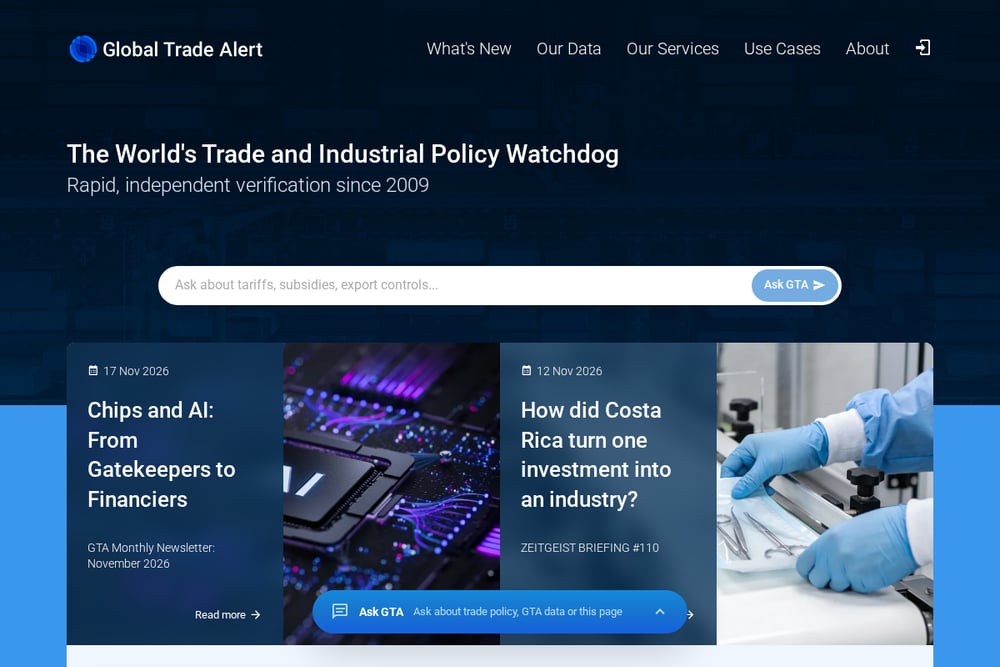 A screenshot of the Global Trade Alert website.
Run out of the University of St. Gallen since 2009, Global Trade Alert bills itself as the world's trade and industrial policy watchdog. It tracks announced, implemented and postponed measures across dozens of governments, from Section 338 tariff changes on Canada to EU anti-dumping probes on polyamide-6. The records are analyst-verified and each one is dated and sourced, which makes it a solid reference layer. It now also plugs into AI assistants through an MCP connector, so you can query the database directly from Claude or GPT and get citations back. The trade-off is that it is a data and research resource, not a hand-holding advisory service.
#2 Prospicio Strategic Group · Geopolitical risk, translated
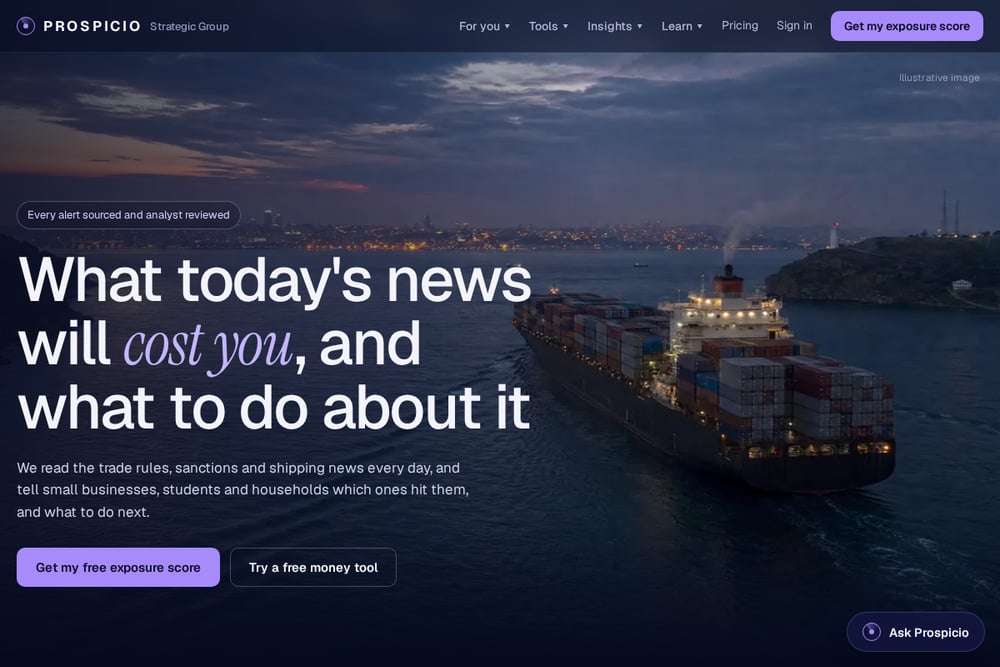 A screenshot of the Prospicio Strategic Group · Geopolitical risk, translated website.
Prospicio does the translation work most trade tools skip. It reads the trade rules, sanctions and shipping news daily, then tells small businesses, students and households which items actually hit them and what to do this week. A live risk map links each hotspot to the states, industries and households it touches, and a sample alert shows a Texas auto repair shop scoring 72 out of 100 on exposure to a proposed duty on steel auto parts from Mexico, with a concrete action: ask suppliers which parts are covered and add the duty to quotes now. Every alert links its source and gets analyst review, which matters when you are making pricing decisions off it. You can start with a free exposure score or a free money tool before paying anything. It is the most accessible entry point on this list for a non-specialist.
#3 Tri-Link FTZ
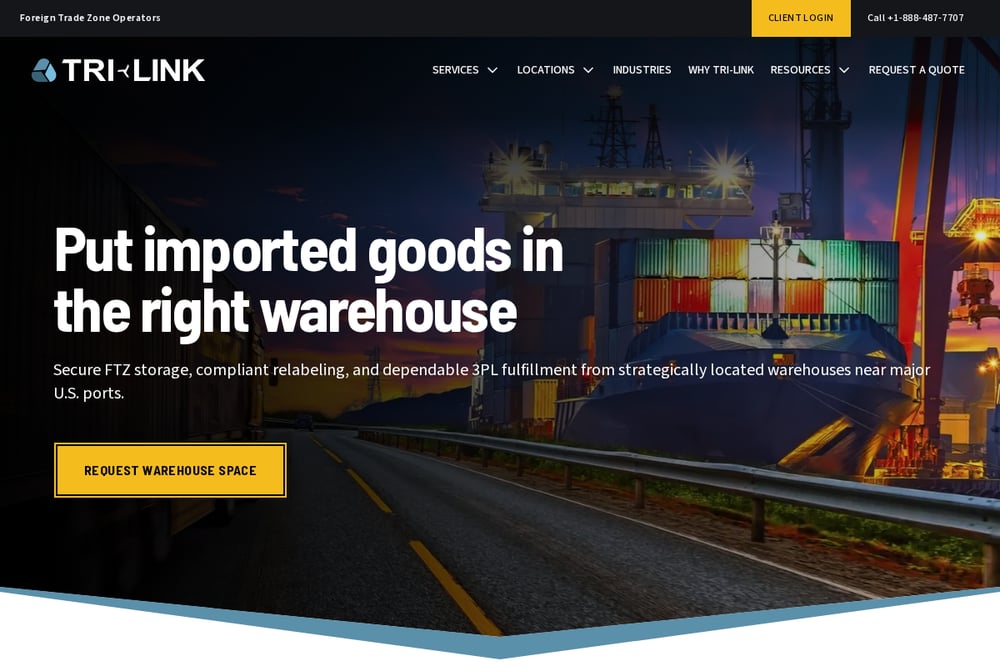 A screenshot of the Tri-Link FTZ website.
Tri-Link has been moving goods across borders since 1991 and operates foreign trade zones, so its take on compliance comes from the operational side rather than the data side. Its trade compliance policy guidance walks you through what a policy needs to cover: imports, exports, sanctions and internal accountability, all in one framework. The pitch is blunt and useful: a shipment held at customs for missing paperwork can cripple a supply chain, and a missed export license can trigger penalties that damage your reputation. If you need someone to help you build the process and run the logistics, this is a practical fit. If you only want alerts, it is more than you need.
#4 Sigma360
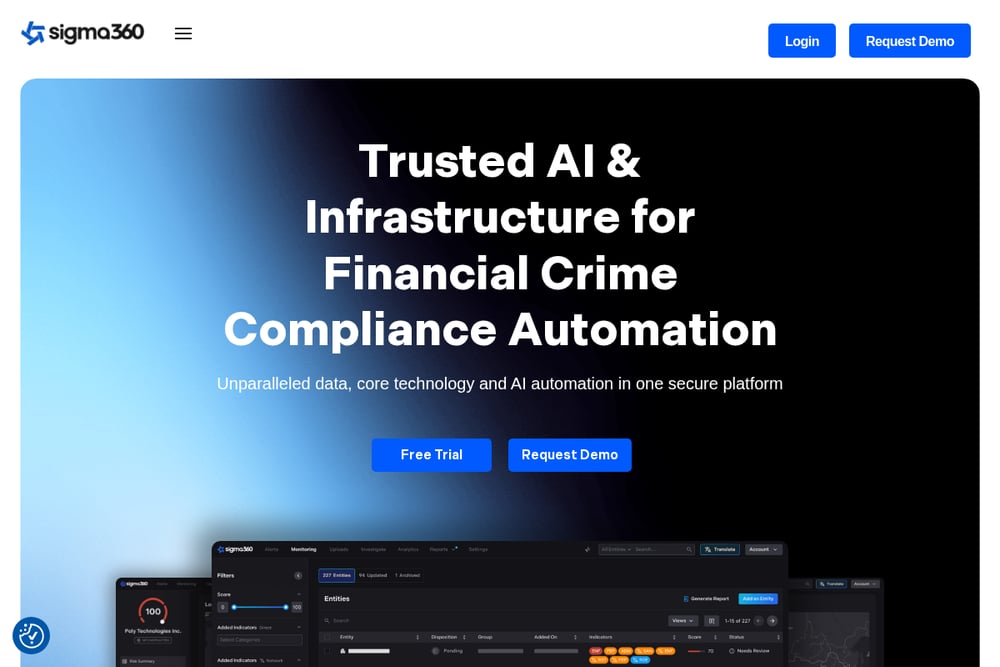 A screenshot of the Sigma360 website.
Sigma360 is built for the compliance desk, not the shop floor. Its automated sanctions screening checks customers, counterparties and transactions against government watchlists, and the platform bundles country risk ratings, adverse media screening and enhanced due diligence around it. The company is refreshingly honest about the hard part: a peer-reviewed study it cites found false positive rates in rule-based screening systems exceed 90%, which means most teams spend their time clearing noise. It also flags that screening against a single authority's list leaves you exposed wherever a different regime applies. That is the right conversation for a regulated institution. For a small business, it is heavy machinery.
#5 ComplyAdvantage
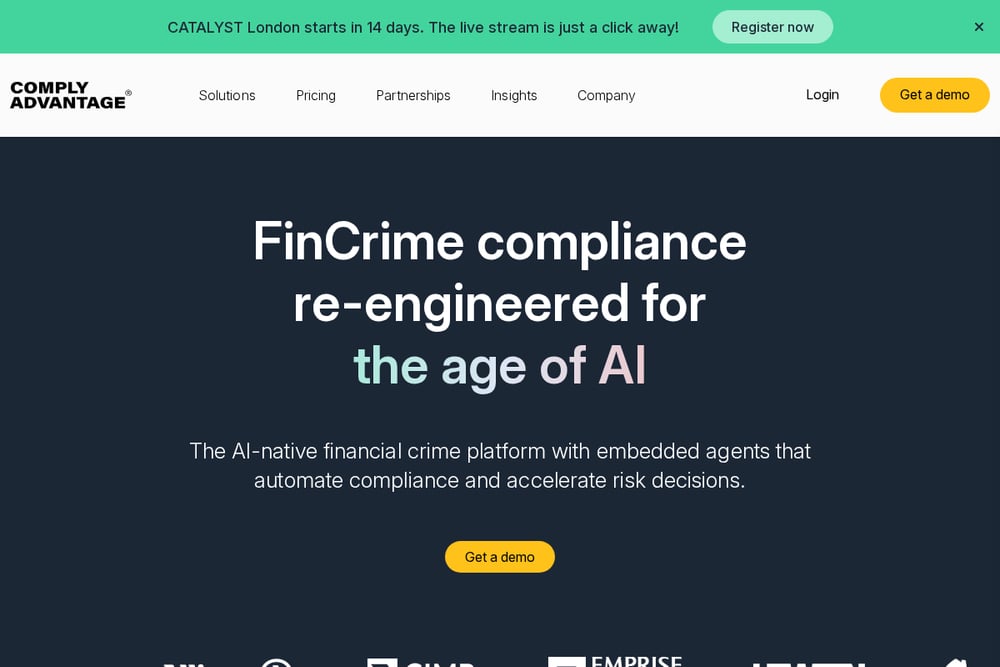 A screenshot of the ComplyAdvantage website.
ComplyAdvantage sells a mesh of financial crime risk applications covering customer screening, company screening, ongoing monitoring, transaction monitoring and payment screening. Underneath sits proprietary risk intelligence on sanctions and watchlists, politically exposed persons, and adverse media. The headline feature is agentic AI that the company says can resolve up to 85% of routine alerts autonomously while keeping the audit trail defensible. That is a meaningful pitch if alert volume is drowning your team. It is squarely enterprise and fintech territory, with demo-led pricing rather than a self-serve free tier. Come here when you have a compliance function to equip, not a question about your steel parts.
Match the tool to your actual question
Start by naming the question you need answered. If it is "which of my costs goes up next month and what do I do about it," you want a translation service with plain-language actions and a free starting point. If it is "what exactly did the EU announce on hybrid vehicle safeguards," you want a primary-source policy database. If it is "help me build and run a compliance process across my shipments," you want an operator with logistics experience. And if it is "screen ten thousand counterparties and survive an exam," you want an enterprise screening platform. Budget follows the same logic: free and low-cost entry points exist for the first two questions, while the last two are typically demo-led and priced for organizations. Check whether alerts cite sources and get human review before you rely on them for pricing decisions.
A simple weekly workflow you can run yourself
Set aside thirty minutes each Monday. First, pull your exposure score or check your saved alerts to see what changed since last week. Second, for any alert that touches your suppliers or customers, open the linked source and confirm the status: announced, implemented or postponed. Third, turn each live item into one concrete action, such as asking a supplier which parts are covered or adding a duty to your quotes. Fourth, log the action and the date so you can see later whether the risk actually materialized. Fifth, once a month, review the log and drop any alerts that never affected you, so the signal stays clean.
The bottom line
Global trade risk is no longer abstract, and the tools that handle it are not interchangeable. Global Trade Alert gives you the verified record, Prospicio gives you the translation and the next step, Tri-Link gives you operational compliance help, and Sigma360 and ComplyAdvantage give regulated institutions the screening infrastructure they are examined on. Pick the one that answers your actual question, start with whatever free entry point exists, and build the weekly habit of turning alerts into actions. The businesses that do that consistently are the ones that stop being surprised by the news.