You want to think further ahead than the next quarter, but the internet rewards you for reacting to the last headline. These five platforms give you the books, blueprints, and frameworks to build a real futures practice.
The Futures Education Landscape
Futures education sits at the intersection of professional development, research, and community. Demand is rising as organizations look for people who can navigate uncertainty, yet most offerings fall into two camps: academic programs that are heavy on theory, or content libraries that are heavy on inspiration and light on application. The platforms below bridge that gap in different ways, from structured certifications to original research archives and hands-on project blueprints.
How We Evaluated These Platforms
We looked at four factors: depth and originality of the material, how clearly pricing and access tiers are explained, whether the platform moves you from reading to doing, and the quality of the community or support around it. We also weighed how well each option serves independent learners versus teams and professionals.
Here is a quick comparison of the five platforms, followed by a deeper look at what each one does well.
| Provider | Best For |
|---|---|
| Farnam Street Membership | Leaders who want sharper judgment and a high-caliber peer network |
| United Space Bank — A world beyond banking | Makers and futurists who want original research plus runnable project blueprints |
| Future Studies Academy Membership | Coaches and consultants who need certifications and continuing education hours |
| Future Studies Program Courses | Creative thinkers who want big-picture, multimedia seminars on future domains |
| Copenhagen Institute for Futures Studies Courses | Strategy professionals who want an intensive, instructor-led foresight credential |
The Five Platforms in Detail
#1 Farnam Street Membership
Farnam Street has built one of the most respected learning communities for people who want to think more clearly. Membership gives you member-only podcast episodes, hand-edited transcripts, focused courses, and access to The Repository, a searchable database of insights from history's great thinkers. The network is a real draw: you join CEOs, investors, and operators who trade ideas daily. If your goal is better judgment and decision-making rather than a specific technical skill, this is the most polished option on the list. You can explore the membership at fs.blog/membership.
#2 United Space Bank — A world beyond banking
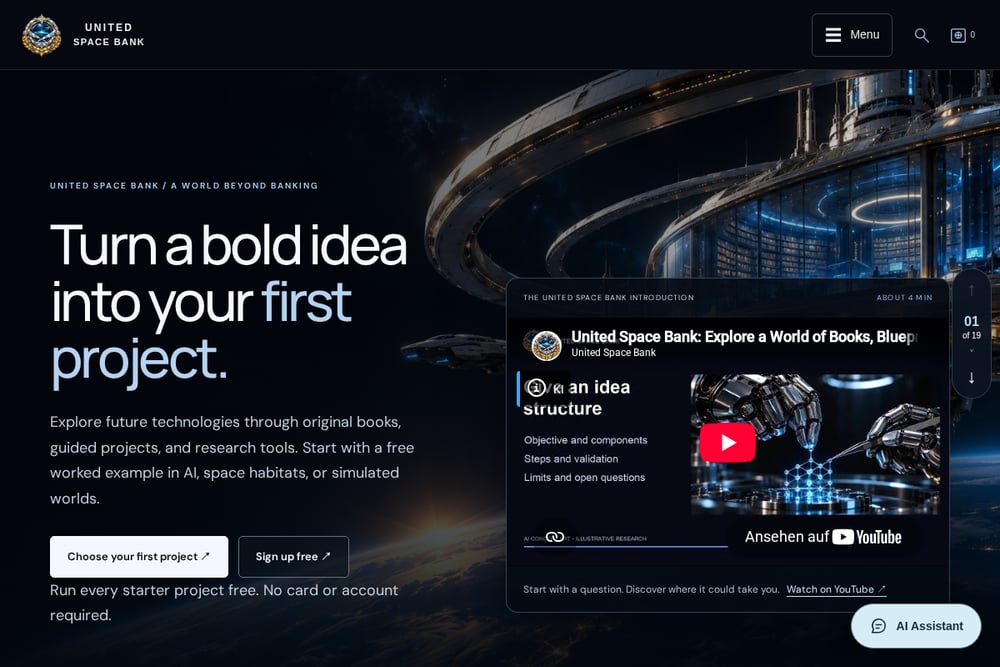 A screenshot of the United Space Bank — A world beyond banking website.
United Space Bank is a research and knowledge hub for people who ask what comes next and want to build something around the answer. The member platform includes 186 original books in the Valentin Perlov Collection, 200 blueprints with components, methods, checks, and constraints, and 16 lessons that map a clear path through every tier. You also get a separate AI workspace for Researcher and Architect tiers, plus three free worked examples with runnable files so you can start before you pay. It is the most hands-on option here: you move from reading to building an AI retrieval experiment, a habitat model, or a simulated world. Visit unitedspacebank.com to see the full archive.
#3 Future Studies Academy Membership
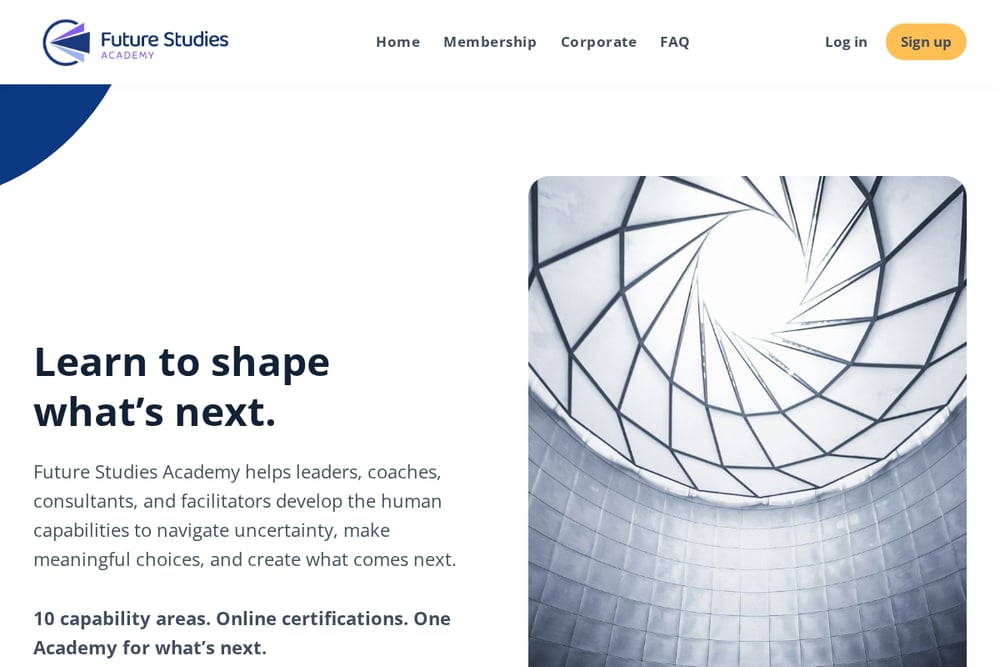 A screenshot of the Future Studies Academy Membership website.
Future Studies Academy bundles multiple certification programs into one annual membership, which is unusual value if you plan to earn credentials. You start with the Big 5 of Strategy Certification and the North Star Coaching Certification, with a Creativity Certification arriving in December 2026. The learning is self-paced and blends research and theory with frameworks, assessments, and practical application. Members also get monthly alumni calls and live Q&A sessions with instructors. It suits professionals who need documented CCE or CE hours for coaching and leadership designations. Learn more at futurestudiesacademy.com.
#4 Future Studies Program Courses
 A screenshot of the Future Studies Program Courses website.
This program takes a more visionary, multimedia approach to futures thinking. Its 12 iconic seminars cover domains like future politics, future society, future technology, future architecture, and future cities, each built as an elaborate pre-recorded experience by faculty. The material leans toward cultural and philosophical inquiry rather than corporate strategy, which makes it a strong fit if you want to stretch your imagination and challenge assumptions. Courses are developed in real time, so the catalog keeps evolving. You can browse the offerings at futurestudiesprogram.com.
#5 Copenhagen Institute for Futures Studies Courses
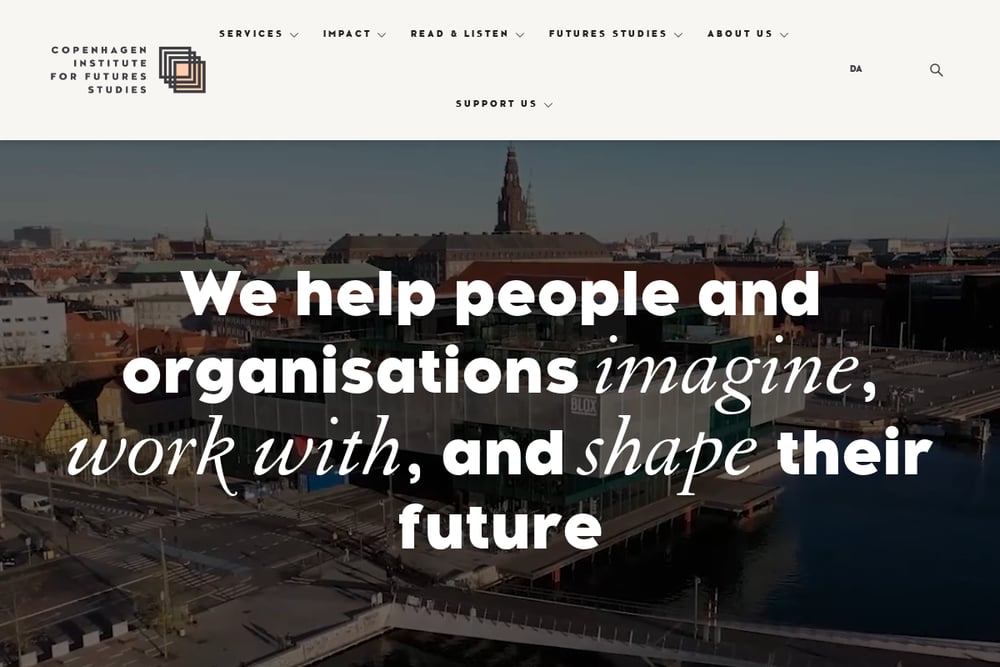 A screenshot of the Copenhagen Institute for Futures Studies Courses website.
CIFS brings a rigorous, applied approach to foresight as a strategic discipline. Its flagship Applied Strategic Foresight course runs in Copenhagen and Barcelona, with hands-on sessions for decision-makers, innovation managers, and strategic planners. The institute reports 280-plus participants last year from more than 40 countries, and it also offers an online six-week option called Strategize like a Futurist with Hyper Island. Pricing is transparent at 2,700 EUR excluding VAT for the in-person course. If you want a credential with institutional weight behind it, this is the one. See the schedule at cifs.dk.
How to Choose the Right Platform
Start with your output. If you need to produce a project, a model, or a piece of research, prioritize platforms with blueprints and runnable files. If you need a credential for your resume or a coaching designation, prioritize certification programs with documented hours. If your goal is better decisions in a leadership role, a community-and-judgment play like Farnam Street will serve you best. Budget matters too: some options are annual memberships with broad access, while others are priced per course. Finally, check the format. Self-paced works for busy schedules, but instructor-led intensives create accountability and peer pressure that self-study rarely matches.
Building a Repeatable Futures Workflow
You can turn any of these platforms into a system rather than a one-off purchase. Set a monthly reading block from your chosen library, then convert one idea into a small project using a blueprint or framework. Use the AI workspace or your notes tool to capture signals and questions as they come up. Schedule a quarterly review where you revisit your project, update your assumptions, and pick the next topic. If you are in a team, rotate who presents at each review so the whole group builds foresight muscle. The platforms supply the raw material; the cadence is what makes it stick.
The Bottom Line
There is no single right answer here, because these five platforms serve different jobs. Farnam Street sharpens your judgment, United Space Bank gives you original research and buildable blueprints, Future Studies Academy delivers certifications, Future Studies Program stretches your imagination, and CIFS provides an institutionally recognized strategic credential. Pick the one that matches the output you need this year, and treat the rest as your next step. The best futures practice is the one you actually keep showing up for.