
Your ocean freight quote covers the water. The real cost shows up after the container lands. These five tools help you see it coming.
The hidden half of your freight bill
Ocean freight quotes rarely include what happens after the container hits the terminal. Demurrage, per diem, chassis splits, customs exams, and storage fees pile up line by line. For US importers, these charges decide whether a shipment lands on budget or blows past it. Until recently, nobody published how often they hit or what they cost. That is changing. A new wave of data tools now pulls from real invoices, carrier schedules, and tracking feeds to show you the full landed cost before you book. Whether you are a small importer or a forwarder setting client expectations, these platforms give you a price check on the half of the bill nobody quotes.
How we evaluated these tools
We looked at five factors. First, data source: does the tool use real invoices, carrier schedules, or surveys? Second, fee coverage: does it break out demurrage, per diem, chassis, exam, and storage separately? Third, port-level detail: can you compare costs by specific US port or rail hub? Fourth, pricing clarity: is the core data free, freemium, or enterprise-only? Fifth, practical use: can you check a quote, budget a shipment, or set client expectations without a data science team? Each tool below stood out on a different combination of these factors. Freight Benchmarks shines on invoice-based fee frequency and free access. Xeneta leads on carrier rate benchmarking. Freightos brings instant quoting and calculators. Vizion excels at container tracking and port performance. Descartes MacroPoint delivers real-time visibility across modes. No single tool wins everywhere. Your best pick depends on whether you need fee benchmarks, rate intelligence, or shipment tracking.
Here is a quick look at how these five tools compare on data source, fee coverage, and pricing model.
| Provider | Best For |
|---|---|
| Xeneta | Carrier rate benchmarking and contract negotiation |
| Freight Benchmarks: what importing a container really costs | Free, invoice-based fee benchmarks by US port |
| Freightos | Instant quoting and booking with built-in calculators |
| Vizion | Container tracking and port performance data |
| Descartes MacroPoint | Multimodal real-time freight visibility |
The five tools in detail
#1 Xeneta
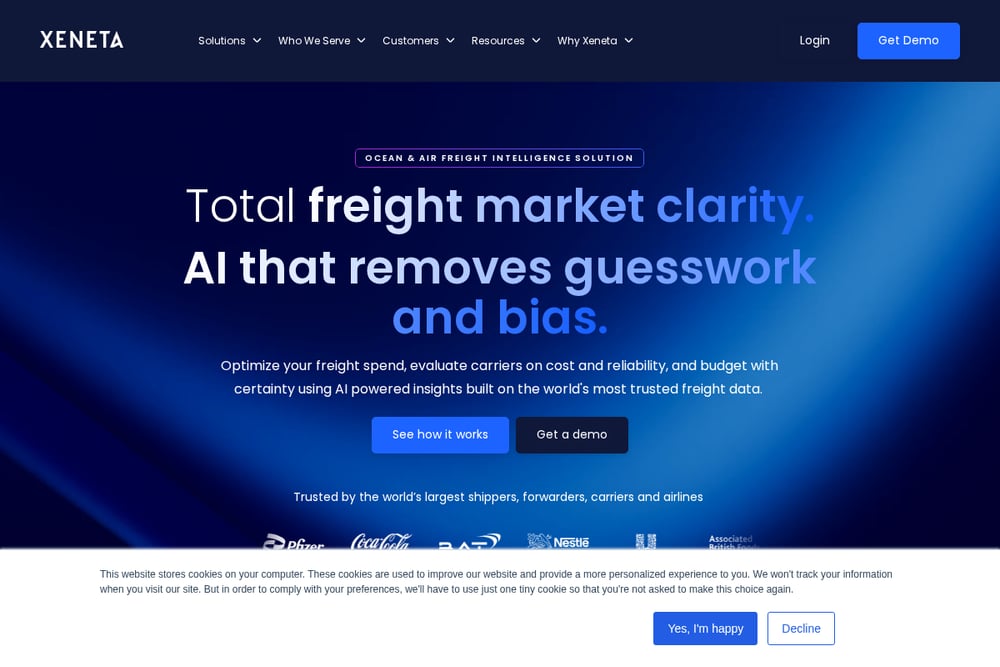 A screenshot of the Xeneta website.
Xeneta is a freight intelligence platform built on crowdsourced carrier rate data. It covers ocean and air freight, giving you real-time benchmarks for spot and contract rates. You can track market shifts, evaluate supplier performance, and forecast budgets using its index-linked contract tools. The platform serves BCO shippers, forwarders, and carriers. Its detention and demurrage data page shows how it incorporates delay fees into broader rate intelligence. If you need to negotiate ocean contracts with hard numbers, Xeneta is a strong starting point.
#2 Freight Benchmarks: what importing a container really costs
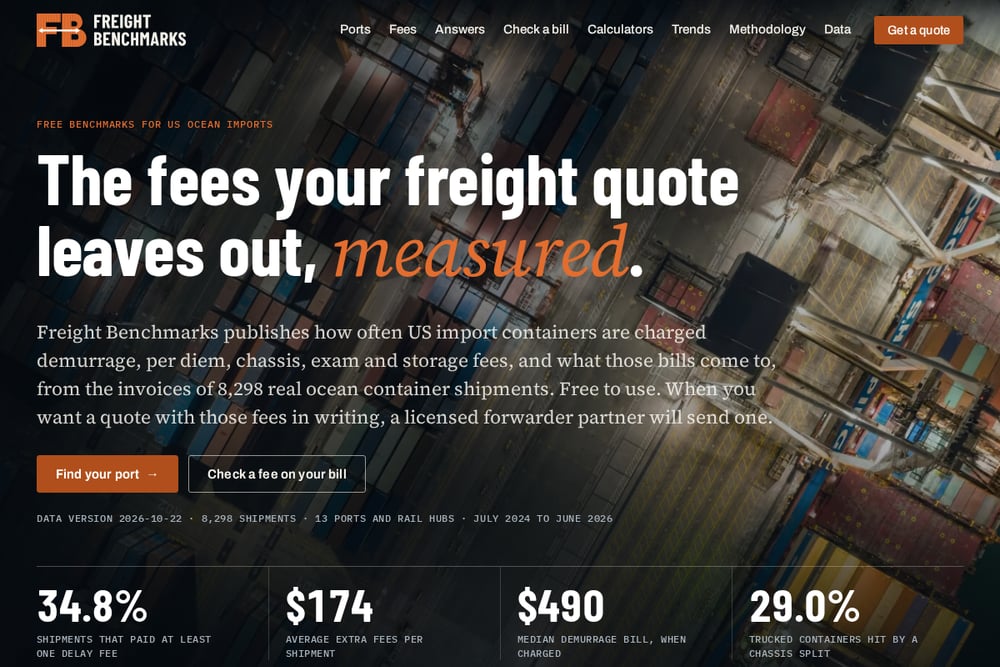 A screenshot of the Freight Benchmarks: what importing a container really costs website.
Freight Benchmarks publishes free, invoice-based data on US import container delay fees. It measures how often demurrage, per diem, chassis, exam, and storage charges hit, and what they cost, by port. The numbers come from 8,298 real ocean container shipments across 13 ports and rail hubs from July 2024 to June 2026. You can check a fee on your bill, compare quotes, and budget with actual invoice data. The site is free to use and connects importers seeking a quote to a licensed forwarder partner. It is the only tool here built specifically around post-landing fee transparency.
#3 Freightos
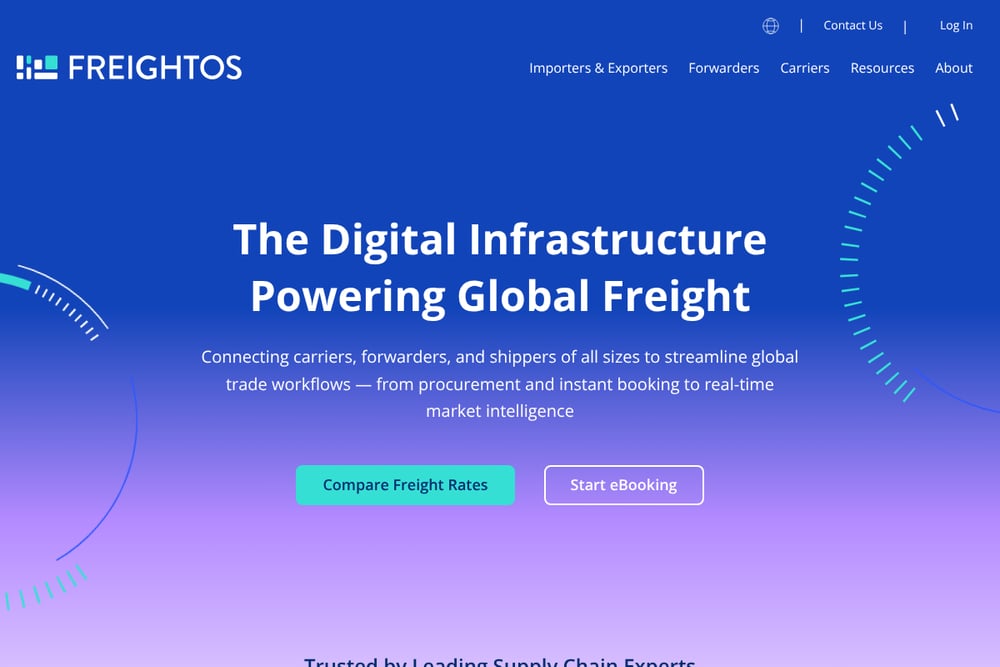 A screenshot of the Freightos website.
Freightos is a digital freight marketplace and rate management platform. It offers instant quoting, booking, and a suite of calculators including a freight benchmarking calculator and container cost calculator. You can compare live freight quotes from forwarders and manage shipments end to end. The platform also provides customs clearance through Clearit for US and Canada. Its demurrage resource page explains detention fees and how to avoid them. For importers who want to move from benchmarking to booking in one place, Freightos is a practical choice.
#4 Vizion
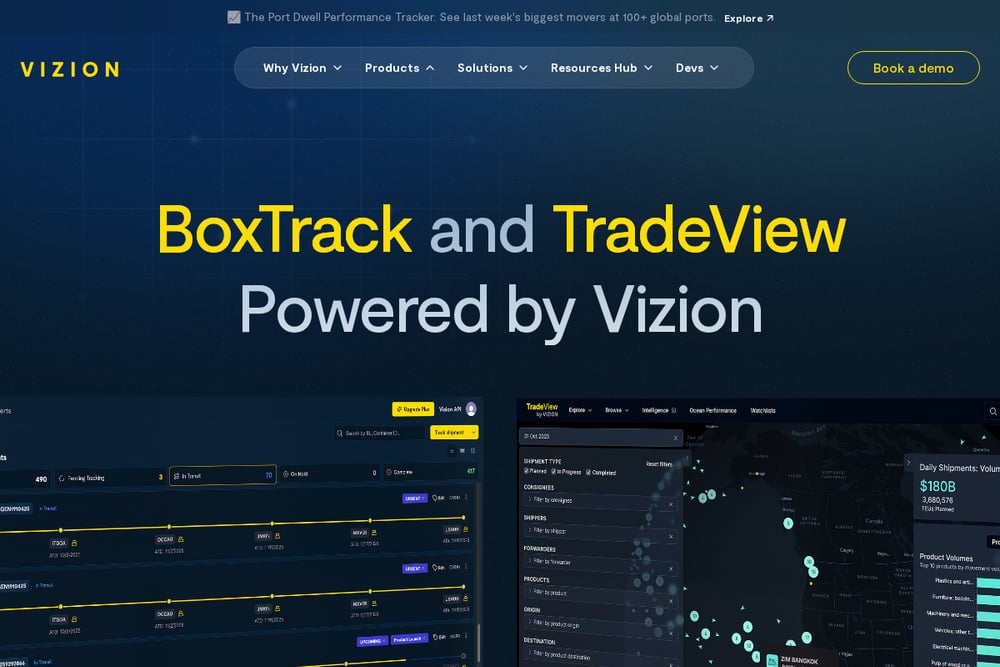 A screenshot of the Vizion website.
Vizion provides container tracking and supply chain visibility APIs. It connects to port and terminal systems, intermodal rail, and AIS data to give you real-time container locations. The platform also offers port performance, port pairing, and GHG emissions data. Its blog covers how to reduce demurrage and detention with integrated visibility. You can use Vizion to monitor shipments and flag delays before they turn into fees. It is built for BCOs, forwarders, and logistics providers who need tracking data piped into their own systems.
#5 Descartes MacroPoint
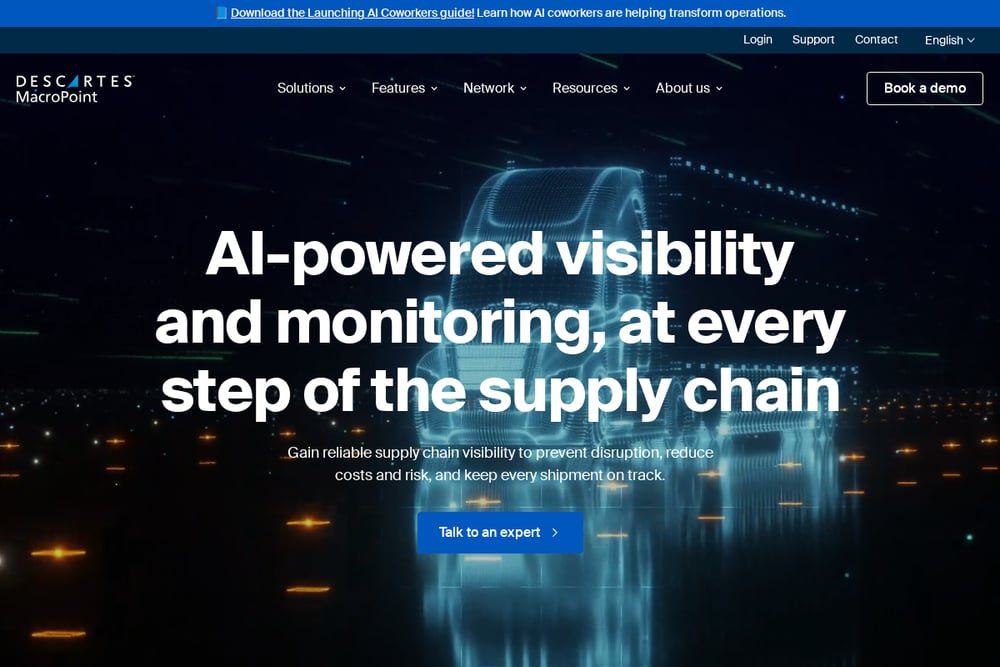 A screenshot of the Descartes MacroPoint website.
Descartes MacroPoint is a real-time freight visibility platform covering truckload, LTL, ocean, air, rail, and parcel. It offers dual-source tracking, ELD integration, and analytics for dock appointment scheduling and temperature tracking. The platform serves shippers, brokers, 3PLs, and carriers. Its news section covers demurrage and detention reduction through visibility. You can use it to monitor ocean containers and inland moves in one dashboard. If your priority is end-to-end shipment visibility across modes, MacroPoint is a solid fit.
How to choose the right tool for your freight
Start with your biggest pain point. If you keep getting surprised by demurrage and chassis bills, go with a tool that publishes actual fee frequency and cost by port. Freight Benchmarks is free and built for that. If you need to negotiate ocean rates with carriers, Xeneta gives you the market data. If you want to quote and book in one flow, Freightos combines marketplace and calculators. If you need to track containers and flag delays before they become fees, Vizion or Descartes MacroPoint are your visibility layers. Many importers use two: one for benchmarking, one for tracking. Check whether the core data is free or requires a subscription. Look at port coverage. And test the interface with a real shipment before you commit.
Turning fee data into an automated workflow
You can wire these tools into a simple monthly routine. Pull fee benchmarks by port from Freight Benchmarks to set your budget assumptions. Feed those numbers into your quoting template so every customer sees a realistic landed cost. Use Vizion or Descartes MacroPoint to track containers and trigger alerts when a box sits too long. When a delay fee appears on an invoice, check it against the benchmark to see if it is typical or an outlier. If it is high, dispute it with data. Over time, you build a feedback loop: benchmark, track, check, adjust. That loop turns a reactive cost into a managed one.
The bottom line on freight fee transparency
The fees after the container lands are no longer invisible. Freight Benchmarks gives you free, invoice-based benchmarks by US port. Xeneta gives you carrier rate intelligence. Freightos lets you quote and book. Vizion and Descartes MacroPoint keep your containers visible. You do not need all five. You need the one that matches your biggest blind spot. Start with the free data. Then layer on tracking or quoting as your volume grows. The goal is simple: no more surprise line items on your freight bill.