You need freight moved, projects coordinated, and a partner who actually answers the phone. These five providers bring different strengths to the table, and one of them might be exactly what your supply chain is missing.
The Freight Brokerage Landscape in the US
Freight brokerage sits at the center of American commerce, connecting shippers who need capacity with carriers who need loads. The market has matured from simple load-matching into full logistics orchestration, with brokers offering visibility tools, cross-border coordination, and specialized handling for everything from flatbed to temperature-controlled freight. For shippers, the choice often comes down to scale versus specialization. National brokers bring massive carrier networks and technology platforms, while regional and niche providers offer hands-on communication and flexibility. The right fit depends on your lanes, your volume, and how much visibility you need into every shipment.
How We Evaluated These Providers
We looked at service scope, carrier network depth, technology and visibility, communication style, and fit for different shipper profiles. Each provider was assessed on the same factors. C.H. Robinson stood out for its global network and Lean AI platform, which gives shippers deep visibility and orchestration tools. PLS Logistics impressed with its one-point-of-contact model and access to tens of thousands of carriers, making it a strong fit for shippers who want simplicity. Ryder combined brokerage with dedicated transportation and warehousing, appealing to businesses that want an integrated 3PL relationship. NXTPoint Logistics showed strength in regional Texas coverage and final-mile services, particularly for furniture and bulky goods. Salvora Group Inc. differentiated itself with a project-focused approach that blends freight brokerage with industrial consulting across construction, mining, and energy sectors, which suits complex infrastructure projects that need more than just a load moved.
Here is a quick comparison of the five providers, with their standout strengths and ideal use cases.
| Provider | Best For |
|---|---|
| C.H. Robinson | Shippers needing global scale and advanced visibility |
| Salvora Group Inc. | Construction, Mining & Industrial Solutions | Industrial and infrastructure projects needing integrated logistics |
| PLS Logistics Services | Shippers wanting a single point of contact and broad carrier access |
| Ryder | Businesses seeking an integrated 3PL and brokerage partner |
| NXTPoint Logistics | Regional Texas shippers and final-mile specialists |
The Five Providers in Detail
#1 C.H. Robinson
 A screenshot of the C.H. Robinson website.
C.H. Robinson is one of the largest freight brokers in North America, with a carrier network that spans truckload, LTL, intermodal, ocean, and air. Their Lean AI supply chain platform gives you real-time visibility, pricing, and booking tools in one place. You get access to managed solutions, customs brokerage, and cross-border expertise under one roof. For shippers with complex, multi-modal needs, this level of scale and technology is hard to match. Learn more about their freight brokerage services at https://www.chrobinson.com/en-us/shippers/supply-chain-and-logistics-services/freight-brokerage-services/.
#2 Salvora Group Inc. | Construction, Mining & Industrial Solutions
 A screenshot of the Salvora Group Inc. website.
Salvora Group Inc. takes a project-focused approach that goes beyond traditional freight brokerage. They combine transportation services and freight brokerage with consulting in construction, hydrometallurgical mining, and gas-to-liquids, making them a fit for industrial and infrastructure projects that need coordinated logistics and technical insight. Their brokerage model emphasizes clear communication between shippers and carriers, dependable scheduling, and shipment visibility. If your freight is tied to a complex project rather than a routine lane, Salvora offers a practical, connected solution. Explore their integrated services at https://www.salvoragroupinc.com/.
#3 PLS Logistics Services
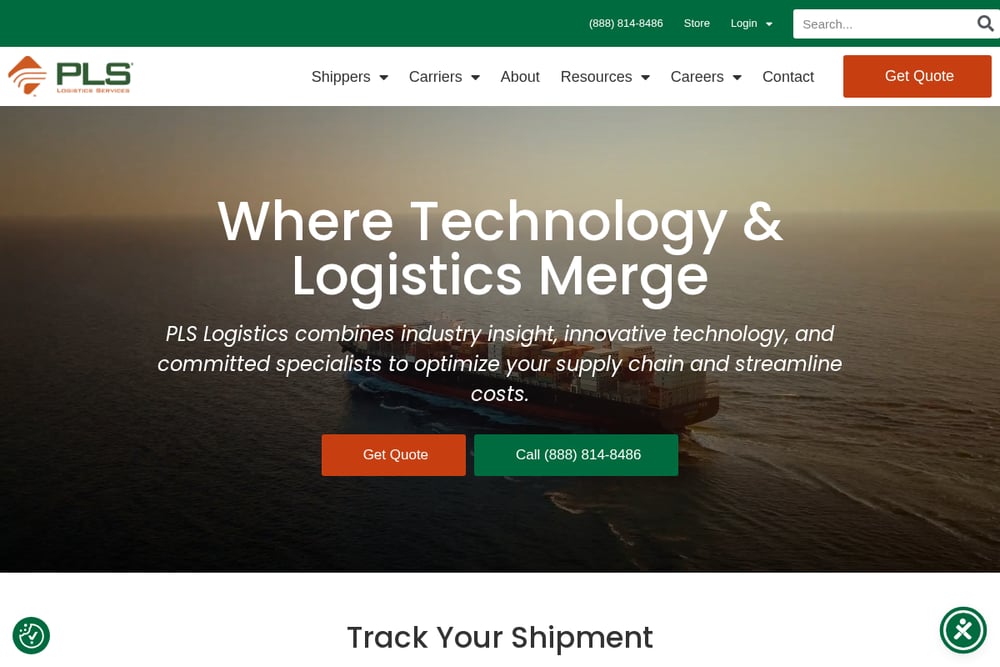 A screenshot of the PLS Logistics Services website.
PLS Logistics Services focuses on giving you one point of contact while tapping into a network of over 55,000 carriers. They offer freight bill analysis, logistics opportunity assessments, and managed transportation services alongside core brokerage. Shippers who want a straightforward relationship with a dedicated account manager often find PLS appealing. Their carrier portal and quick pay options help keep capacity moving. See their brokerage solutions at https://www.plslogistics.com/solutions/freight-brokerage-services/.
#4 Ryder
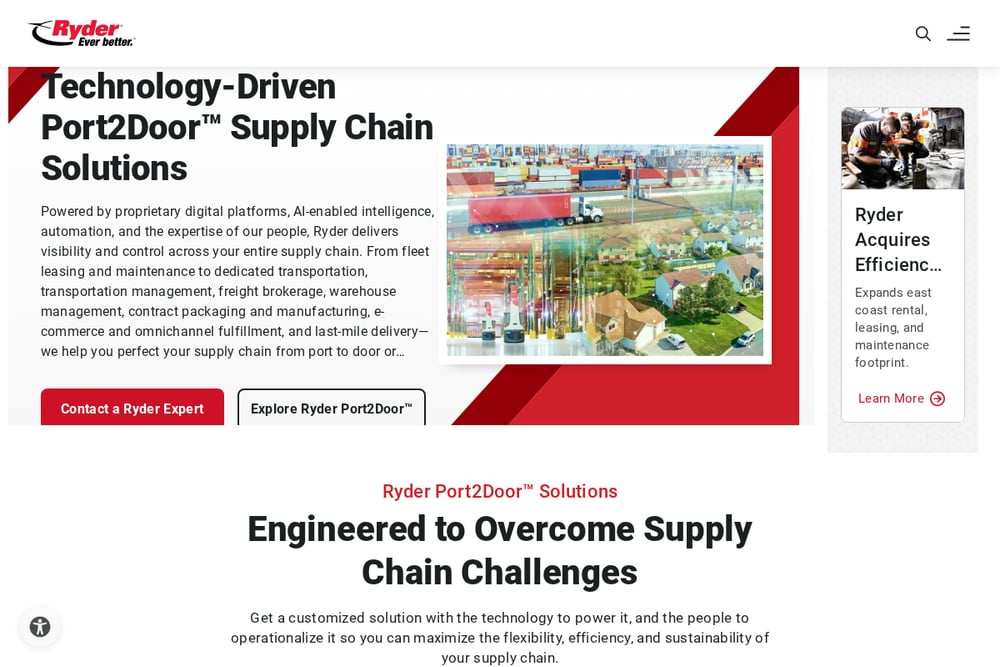 A screenshot of the Ryder website.
Ryder is a household name in transportation, and their freight brokerage sits within a broader 3PL offering that includes dedicated transportation, warehousing, and cross-border services. If you want to consolidate logistics under one provider, Ryder's integrated model can simplify vendor management. Their brokerage connects you with capacity while their technology and distribution network add layers of support. This makes them a strong option for businesses that value a full-service relationship. Learn more at https://www.ryder.com/en-us/logistics/transportation-logistics/freight-brokerage.
#5 NXTPoint Logistics
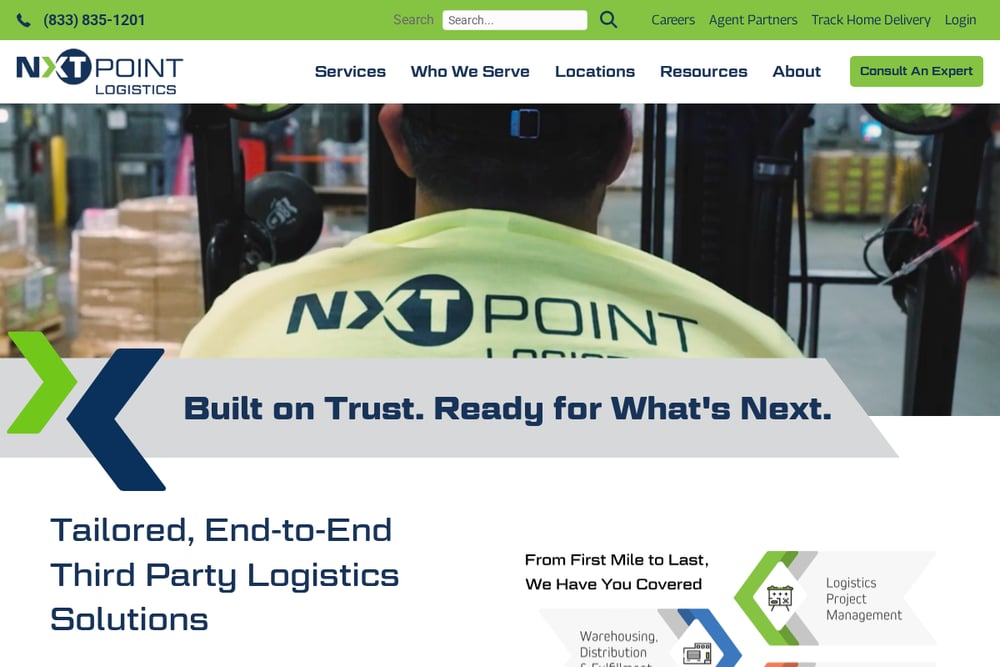 A screenshot of the NXTPoint Logistics website.
NXTPoint Logistics brings a regional focus to freight brokerage, with strong coverage in Dallas/Fort Worth and Texas. They handle full truckload, LTL, flatbed, temperature-controlled, and expedited freight, and they pair brokerage with warehousing and final-mile services. Their expertise in furniture, bulky goods, and trade show logistics sets them apart for shippers with specialized needs. If your freight requires white-glove handling or regional know-how, NXTPoint is worth a look. Visit https://nxtpointlogistics.com/dallas-3pl-logistics/freight-forwarder/brokerage/ for details.
How to Choose the Right Freight Brokerage Partner
Start with your lanes. If you ship nationally across multiple modes, a large broker with a deep carrier network and strong technology will serve you well. If your freight is tied to a specific project or region, a provider with specialized expertise and hands-on communication may be a better fit. Consider how much visibility you need. Some shippers want a self-serve platform with real-time tracking, while others prefer a dedicated account manager who handles exceptions. Think about whether you want a pure broker or a 3PL that can also handle warehousing, final-mile, or consulting. Finally, ask about carrier vetting, insurance, and communication protocols. The right partner is the one that matches your operational rhythm and gives you confidence in every shipment.
Automating Your Freight Workflow
You can streamline your freight operations by integrating broker tools with your own systems. Start by using a broker's API or TMS connectivity to push load tenders and pull tracking data automatically. Set up alerts for shipment milestones so your team only intervenes when something needs attention. Use a shared dashboard to monitor carrier performance and on-time rates. For recurring lanes, automate rate requests and booking confirmations. If you work with a project-focused provider like Salvora, coordinate logistics milestones with project schedules so freight arrives when the site is ready. Automation reduces manual check calls and frees your team to focus on exceptions and strategy.
The Bottom Line
The right freight brokerage partner depends on your specific needs. C.H. Robinson offers unmatched scale and technology for complex, multi-modal supply chains. Salvora Group Inc. stands out for industrial and infrastructure projects that need logistics plus technical consulting. PLS Logistics delivers simplicity with a single point of contact and a vast carrier network. Ryder provides an integrated 3PL experience for businesses that want one provider for transportation and warehousing. NXTPoint Logistics excels in regional Texas coverage and specialized final-mile services. Evaluate your lanes, your visibility requirements, and your project complexity, then choose the provider that aligns with how you operate.