
You have a food concept that could work. You just don't want to build a restaurant to prove it. These five platforms help you launch and scale without the build-out.
The New Infrastructure for Food Brands
The way food brands get born has changed. You no longer need a dining room, a long lease, or a full build-out to test a concept. Existing kitchens, delivery networks, and AI planning tools have collapsed the distance between an idea and a live menu. According to industry reporting, the global online food delivery market is projected to hit $284 billion in 2026, and virtual brands now earn net margins of 12–22% versus 3–9% for traditional restaurants. That gap is pulling founders, creators, and established consumer brands into delivery-first models. The platforms below give you different paths into that infrastructure, from AI-assisted brand creation to kitchen partnerships and direct ordering systems.
How We Evaluated These Platforms
We looked at service scope, pricing clarity, local fit, and how quickly you can get to market. Global Food Ventures stood out for connecting AI planning to existing kitchens and delivery support in one model. Wonder Create impressed with its promise of AI-driven brand creation in under a minute across a growing network of tech-enabled kitchens. CloudKitchens showed depth in ghost kitchen operations and AI efficiency use cases. FoodShot AI delivered a clear virtual kitchen guide with realistic cost and timeline benchmarks. FoodAppsCo offered a practical 30-day launch framework with a focus on direct ordering channels. Each platform serves a different stage and style of founder.
Here is a quick look at how these five platforms compare on what matters most for launching a food brand without a traditional restaurant.
| Provider | Best For |
|---|---|
| Wonder Create | Creators who want AI-powered brand creation at national scale |
| Food Brand Launch & Expansion | Global Food Ventures | Founders and established brands that want a full launch and expansion model |
| CloudKitchens | Operators who want to improve efficiency in existing ghost kitchens |
| FoodShot AI | Independent operators who want a cost and timeline reality check |
| FoodAppsCo | Founders who want a fast launch with direct ordering control |
The 5 Platforms in Detail
#1 Wonder Create
 A screenshot of the Wonder Create website.
Wonder Create is an initiative from Marc Lore's Wonder that aims to let anyone use AI to design and launch a restaurant brand in under a minute. The virtual restaurant then goes live across Wonder's network of tech-enabled kitchen locations, which numbered 120 in 2026 and is expected to reach 400 next year. Lore described these locations as programmable cooking platforms capable of operating as 25 different restaurant types within all-electric, increasingly robotic kitchens. The model is vertically integrated, spanning dining and delivery. It is a strong fit if you want speed and access to a growing national kitchen footprint. You can read more about the announcement in this TechCrunch report.
#2 Food Brand Launch & Expansion | Global Food Ventures
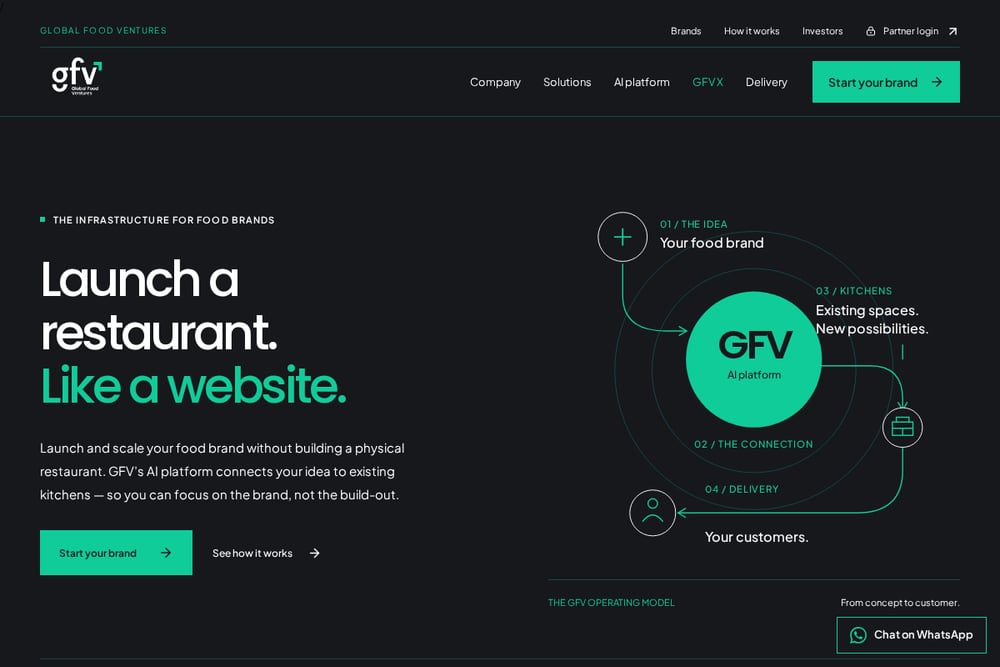 A screenshot of the Food Brand Launch & Expansion | Global Food Ventures website.
Global Food Ventures provides an AI-driven platform that connects food-brand founders with existing kitchen partners. You can launch and scale a concept without building a physical restaurant, focusing on the brand instead of the build-out. The platform brings market information, brand requirements, and kitchen capabilities together to support launch and expansion planning. It supports influencer-led brands, GFV-developed concepts, licensed brand concepts, and retail CPG conversions into prepared food. Existing kitchens provide the facilities and teams while GFV connects the brand, infrastructure, and route to market. This is a strong choice if you want a structured operating model with delivery support built in.
#3 CloudKitchens
 A screenshot of the CloudKitchens website.
CloudKitchens focuses on ghost kitchen operations and how AI can improve efficiency. Their 2026 blog post breaks down AI use case categories, where adoption is worth prioritizing, and the factors that determine ROI. They cite National Restaurant Association data showing 26% of operators use AI tools, with most current use in back-office functions rather than customer-facing ordering. The post also notes that only 5% of operators report measurable value from AI so far, while 33% say value is starting to emerge. If you already run kitchen operations or want a realistic view of AI adoption, this is a useful resource. It is less about launching a brand from scratch and more about making an existing kitchen smarter.
#4 FoodShot AI
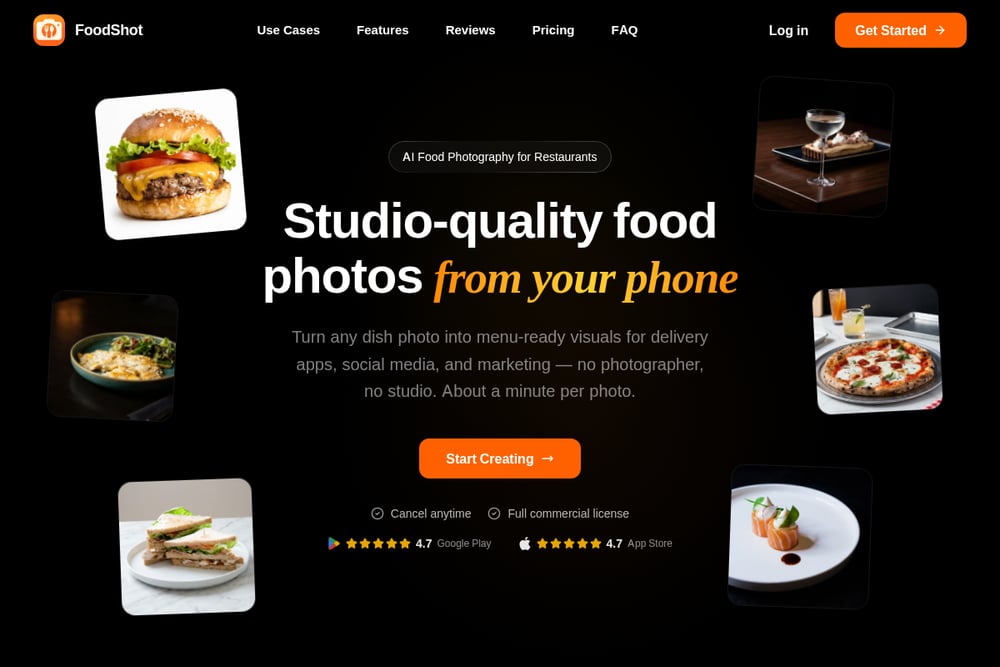 A screenshot of the FoodShot AI website.
FoodShot AI published a detailed virtual kitchen guide that explains what a virtual kitchen is and how to start one in 2026. The guide covers the difference between virtual kitchens, ghost kitchens, and cloud kitchens, plus realistic startup costs of $5,000–$15,000 and break-even timelines of 60–120 days. It also notes that well-run virtual brands earn 12–22% net margins versus 3–9% for traditional restaurants. The piece walks through eight steps to get live in 60 days. If you want a clear, numbers-driven primer before you commit, this is a solid starting point. It is especially helpful for independent operators looking to monetize idle kitchen capacity.
#5 FoodAppsCo
 A screenshot of the FoodAppsCo website.
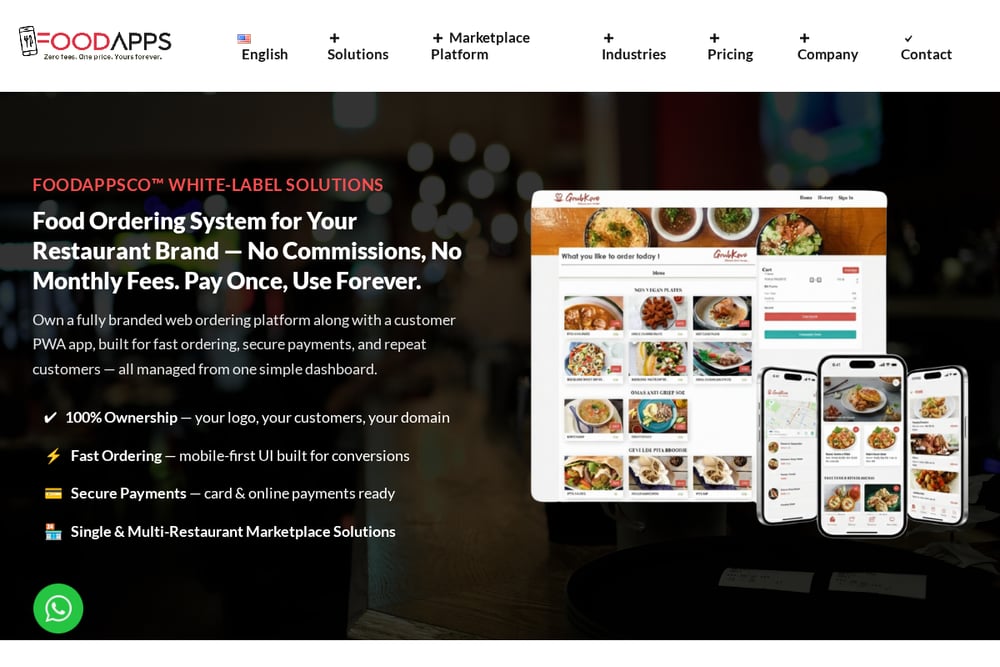
FoodAppsCo offers a step-by-step guide to launching a virtual restaurant brand in less than 30 days. The article emphasizes speed, consistency, and smart local marketing, and it warns against relying only on aggregators. Instead, it recommends building a direct ordering channel early so you control customer data, margins, and repeat orders. The 30-day reality check helps you separate what you can launch immediately from what you should perfect later. FoodAppsCo also provides web ordering systems, mobile apps, and marketplace platforms for restaurants and cloud kitchens. This is a practical fit if you want to go live fast and own your customer relationship.
How to Choose the Right Platform for Your Food Brand
Start with your stage. If you have an idea and no kitchen, look for a platform that connects you to existing kitchen partners and delivery support. If you already operate a kitchen, focus on tools that improve efficiency and ROI. If you want to move fast, prioritize platforms with clear timelines and direct ordering channels. If you are an established brand or creator, consider whether the platform supports licensing, influencer-led concepts, or retail-to-prepared-food conversions. Pricing clarity matters too. Ask what is included, what is extra, and how long until you can realistically break even. Finally, check local fit. A platform with kitchens in your target market will always beat one that requires you to build from zero.
Where AI Fits Into Your Launch Workflow
AI can compress the planning phase. Use it to match your concept to kitchen capabilities, forecast demand, and plan a menu built for delivery. Back-office automation is where most operators see early ROI, from inventory to labor scheduling. Customer-facing AI like voice ordering is still maturing, with real-world accuracy running 83–89%. A smart workflow looks like this: define your brand and menu, use AI to identify the right kitchen partner and market, launch on delivery platforms, then add direct ordering to own your customer data. Keep humans on quality control and brand voice. Let AI handle the repetitive planning and reporting.
The Bottom Line
You do not need a restaurant to launch a food brand. You need the right infrastructure, a clear concept, and a route to market. The five platforms above give you different ways in, from AI-assisted brand creation to kitchen partnerships and direct ordering systems. Pick the one that matches your stage, your budget, and your speed. Then go live, learn fast, and scale what works.