
If you're a first responder, you carry trauma that most people never see. The hypervigilance, the dark humor, the sleepless nights — it's part of the job, but it doesn't have to define your life. Finding a therapist who truly
Why First Responder Therapy Is a Growing Priority
First responders face exposure to critical incidents at rates far higher than the general population, leading to elevated risks of PTSD, depression, and burnout. The culture of stoicism and 'toughing it out' often delays help-seeking, but specialized therapy programs are now emerging nationwide. These services combine clinical expertise with lived experience — many therapists are former first responders themselves. The goal is to provide a safe, confidential space where you can process trauma without judgment. From Colorado to Florida, the demand for peer-supported, trauma-informed care is reshaping how emergency services approach mental wellness.
How We Selected These Providers
We evaluated each service based on specialization in first responder trauma, therapist credentials and lived experience, accessibility (including telehealth and flexible scheduling), accepted insurance, and client-centered approaches like EMDR or cognitive processing therapy. We also prioritized organizations that offer free consultations or peer support programs.
Here's a quick look at how the five services compare across key features like specialization, location, and insurance acceptance.
| Provider | Best For |
|---|---|
| First Responder Trauma Services | Comprehensive peer support and crisis programs |
| First Responder Trauma Counselors | Peer support training and crisis resources |
| Burning Sage Therapy | Skills-based trauma processing and flexible scheduling |
| First Responder Therapist Orlando | Joel Neild Counseling | First responders in Florida seeking a therapist with emergency service experience |
| Willow Therapy Utah | Utah-based first responders needing EMDR and flexible telehealth |
Detailed Reviews of Each Service
#1 First Responder Trauma Services
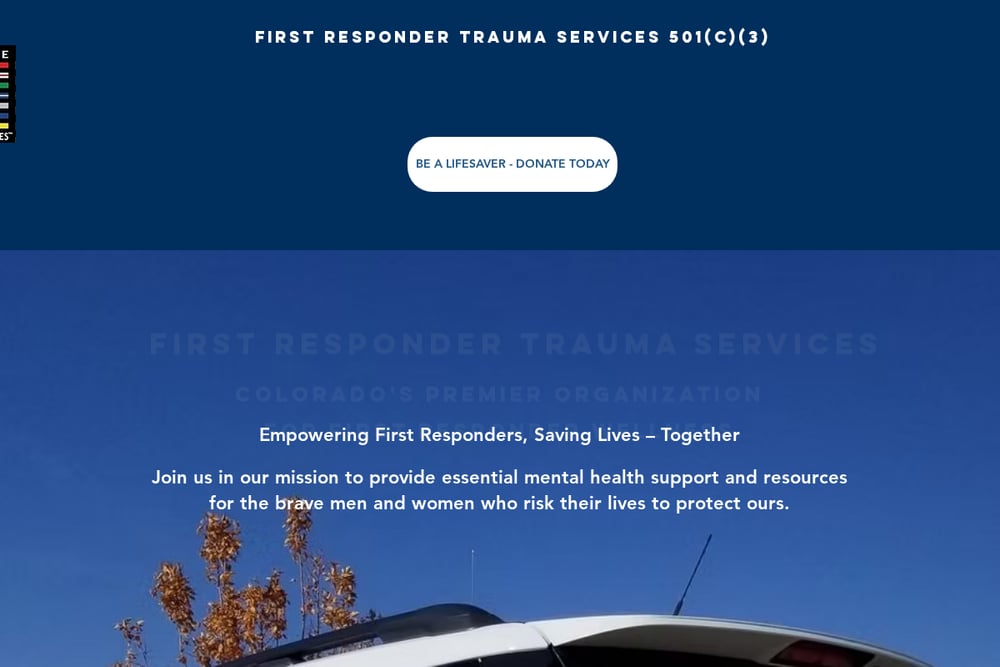 A screenshot of the First Responder Trauma Services website.
First Responder Trauma Services (FRTS) is a Colorado-based nonprofit that goes beyond traditional therapy. They offer a full ecosystem of support, including peer support academies, crisis response, and long-term wellness programs. Their vision is to become a national center of excellence for trauma recovery, grounded in trust and lived experience. FRTS also provides the ARMOR response program and the 911 Navigators initiative, which connects responders to immediate help. If you're looking for a community-driven approach that includes training and advocacy, this is a powerful option. Their mission is clear: no responder should face trauma alone.
#2 First Responder Trauma Counselors
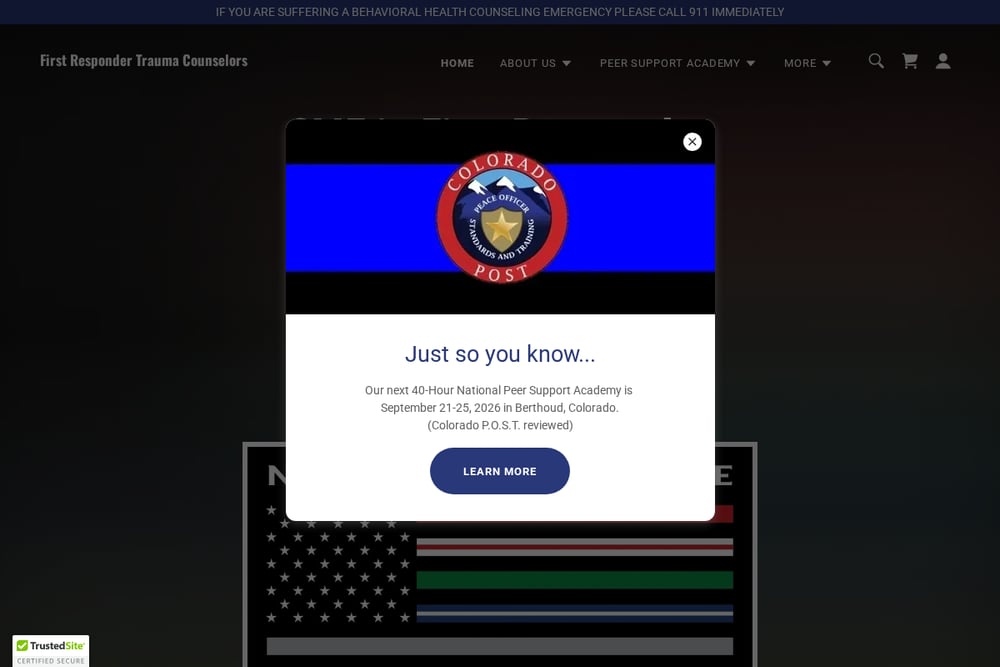 A screenshot of the First Responder Trauma Counselors website.
First Responder Trauma Counselors, operating under the 911 Overwatch umbrella, brings together subject-matter experts in first responder behavioral health and crisis intervention. They offer a 40-hour Peer Support Academy that trains responders to support their colleagues effectively. The site also provides extensive resources on suicide prevention, grief, and wellness, including apps like Woebot and My Grief. This service is ideal if you want a blend of professional counseling and structured peer training. Their focus on education and community resilience makes them a standout for departments looking to build internal support systems.
#3 Burning Sage Therapy
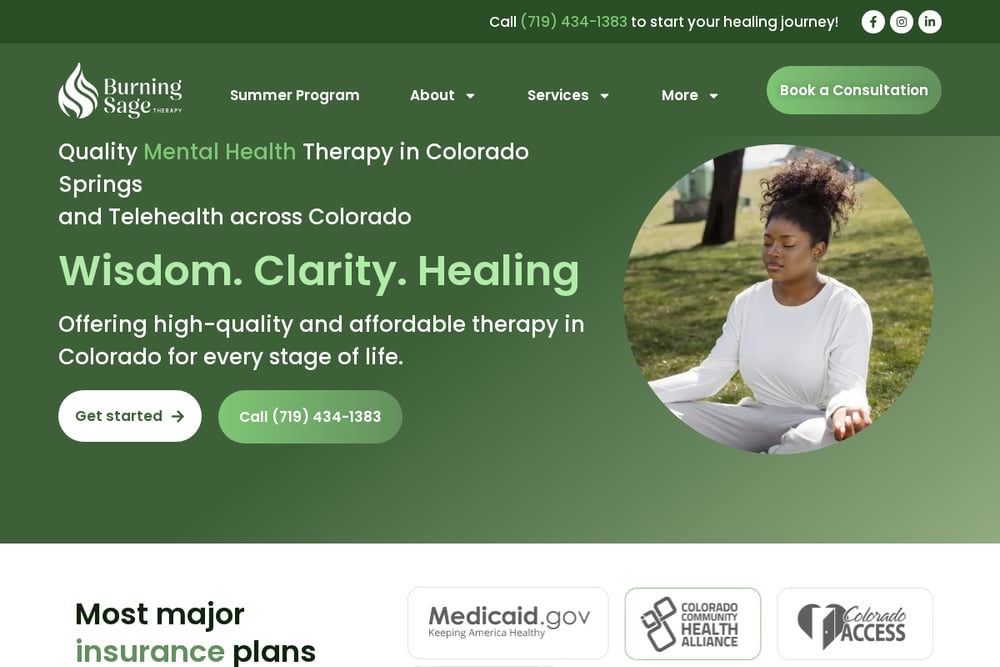 A screenshot of the Burning Sage Therapy website.
Burning Sage Therapy, based in Colorado, offers therapy specifically tailored to first responders, addressing critical-incident exposure, shift work strain, and family stress. Their approach combines practical skills like grounding and sleep stabilization with deeper trauma processing. They emphasize a judgment-free space where you can reduce hypervigilance and rebuild resilience. Burning Sage also accepts most major insurance and provides a free consultation to get started. If you prefer a shorter-term, skills-based approach or a longer-term plan, they shape the therapy to fit your schedule and goals.
#4 First Responder Therapist Orlando | Joel Neild Counseling
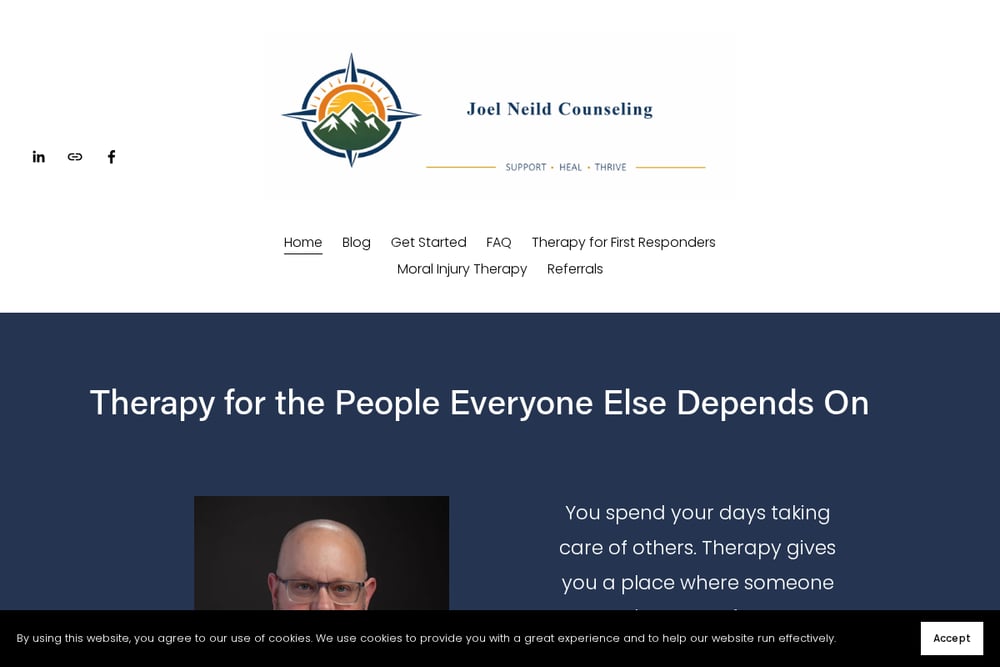 A screenshot of the First Responder Therapist Orlando | Joel Neild Counseling website.
Joel Neild Counseling, based in Orlando, Florida, is led by a therapist with over 30 years of experience as a firefighter and paramedic. This lived experience means Joel truly understands the culture, the moral injuries, and the chronic stress you face. Services include trauma therapy, burnout counseling, and anxiety management, available in-person in Winter Park or via telehealth throughout Florida. They accept Aetna, Cigna, BCBS/Florida Blue, and United Healthcare, and offer a free 15-minute consultation. If you're a first responder in Florida looking for a therapist who has walked in your boots, this is a strong choice.
#5 Willow Therapy Utah
Willow Therapy Utah provides confidential, trauma-informed therapy for first responders across Utah County and statewide via telehealth. Their therapists are licensed and experienced in modalities like EMDR, cognitive processing therapy, and prolonged exposure therapy. They understand the unique pressures of shift work and the cultural expectation to compartmentalize trauma. Willow Therapy accepts most major insurance and offers flexible scheduling to accommodate your demanding schedule. If you're in Utah and need a space to process what you've seen without judgment, this practice is built for you.
How to Choose the Right First Responder Therapy Service
Start by considering location and accessibility — do you need in-person sessions or is telehealth sufficient? Look for therapists with direct first responder experience or specialized training in trauma modalities like EMDR or CPT. Check accepted insurance and whether a free consultation is offered to gauge fit. Also think about the type of support you want: one-on-one therapy, peer groups, or a combination. Finally, trust your gut — the right therapist will make you feel understood, not judged.
Automate Your Wellness Check-Ins
You can use a simple automation to stay on top of your mental health. Set a recurring calendar reminder every two weeks to schedule a therapy session or check in with a peer support group. Use a tool like Zapier to send yourself a text message after each shift asking, 'How are you feeling right now?' Log your responses in a private journal app. This small habit can help you spot patterns of burnout or trauma accumulation before they escalate.
Your Healing Is Part of the Mission
First responders give everything to their communities — but you can't pour from an empty cup. Whether you choose a national nonprofit like First Responder Trauma Services or a local expert like Joel Neild Counseling, the key is taking that first step. These five services are built by people who understand the weight of the badge. You've carried enough alone. Reach out, talk it through, and let yourself heal.