You need a production partner who can turn a seasonal brief into images and motion that actually sell the collection. These five studios each bring a different mix of geography, craft, and production muscle to the table.
The State of Fashion Film and Photo Production
Fashion brands no longer buy a single shoot. They buy a content system: campaign stills, vertical video, short-form social cuts, and behind-the-scenes assets, all delivered on a seasonal calendar. That shift has pushed production studios to become end-to-end partners rather than just crews for hire. You now see studios handling casting, location scouting, permits, styling, hair and makeup, equipment, and post-production under one roof. Geography matters too. Brands shoot in Paris for prestige, Seoul for energy and K-culture reach, New York for editorial credibility, and Los Angeles for cinematic scale. The studios that win repeat business are the ones that can move a brief across borders without losing the brand's visual language. Pricing is rarely public in this category, so clarity comes from how a studio scopes deliverables, revision rounds, and usage rights before the shoot day.
How We Evaluated These Studios
We looked at the same factors for every studio. First, service scope: does the studio handle pre-production through post, or only one slice? Second, geographic footprint: which cities can they actually produce in with registered entities and resident members, not just a contact address? Third, production resources: in-house equipment, vehicles, and vetted local crews. Fourth, process transparency: how clearly they define deliverables, revision counts, and usage terms before you commit. Fifth, portfolio fit: whether the work shown matches fashion and brand campaigns rather than general commercial video. ESSOR stood out for its three-city base and explicit four-stage process. Indie Studios stood out for its New York studio and 16mm fashion film work. Tiger House Films stood out for narrative fashion films and festival screenings. We The Wencks stood out for campaign systems spanning stills, motion, and social. Litmedia Productions stood out for full-service logistics across Brazil and New York, including visas and customs.
Here is a quick comparison of the five studios, what each is built for, and where each is strongest. Use this table to shortlist two or three before you send a brief.
| Provider | Best For |
|---|---|
| Indie Studios | New York-based fashion films with editorial and analog character |
| ESSOR · Creative Studio | Paris, Seoul, New York | Brands running one seasonal concept across Paris, Seoul, and New York |
| Tiger House Films | Narrative fashion films with festival and fashion week placement |
| We The Wencks | Campaign systems that combine stills, motion, and social assets |
| Litmedia Productions | International productions shooting in Brazil with full logistics support |
The Five Studios in Detail
#1 Indie Studios
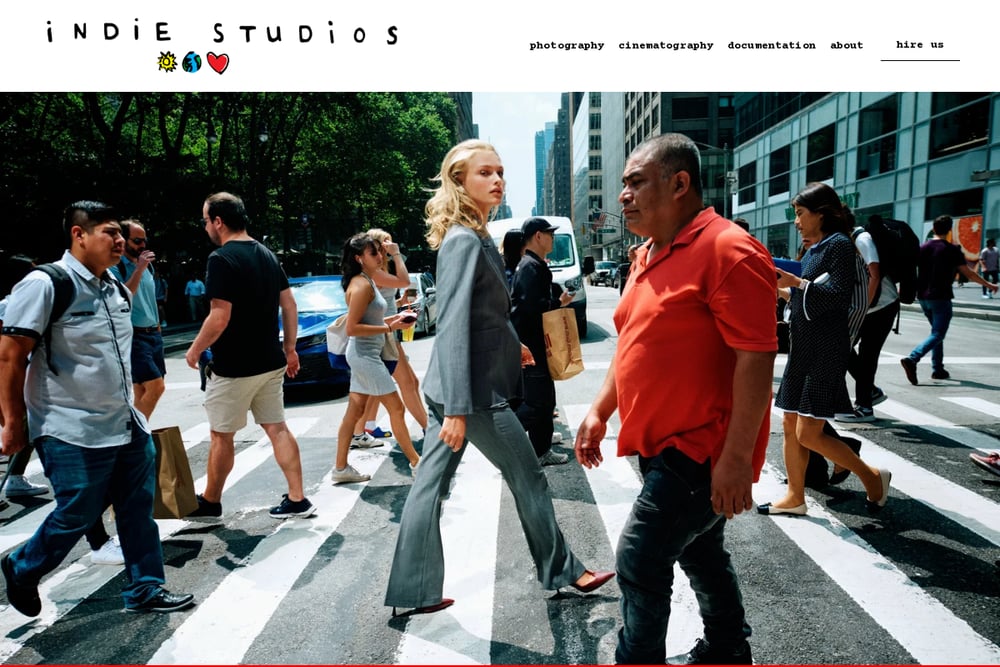 A screenshot of the Indie Studios website.
Indie Studios is a New York independent film production company that directs fashion films, lookbooks, and campaign photography from its own studio. The portfolio spans editorial work for The Glass Magazine and Schön Magazine, a Thuma x Buchanan Studio furniture campaign, and fashion films shot on 16mm. You get a cinematography team that includes directors, directors of photography, camera operators, and stills photographers, which keeps motion and image consistent on the same shoot. The studio is a strong fit if you want a downtown New York sensibility and analog texture in your seasonal content. Their work is visible across fashion editorials and short films on their site.
#2 ESSOR · Creative Studio | Paris, Seoul, New York
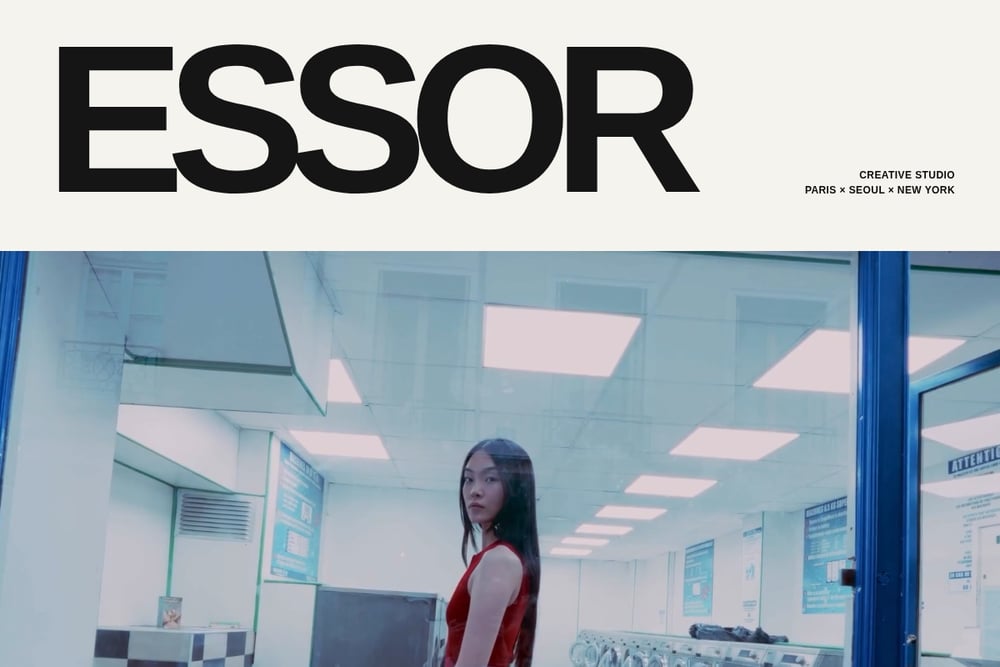 A screenshot of the ESSOR · Creative Studio | Paris, Seoul, New York website.
ESSOR is a boutique creative studio with registered businesses and resident members in Paris, Seoul, and New York, which means you can run one seasonal concept across three markets without rebuilding the team each time. The studio plans and produces brand photography and film aligned to your seasonal direction, from the first meeting through pre-production, shoot, and post. Pre-production is unusually detailed: moodboards, shot lists, model casting, location scouting with recce photos, styling and hair and makeup teams, call sheets, equipment and production vehicles, and location permits. On set, a dedicated manager shares progress in real time so feedback lands immediately, and post covers photo selects, retouching, video edit, color grading, sound, and vertical or short-form cuts sized for each channel. Scope terms such as photo count, video length and versions, revision rounds, delivery schedule, and model and music usage are agreed before the shoot, which removes the usual end-of-project surprises. You can review their process and selected work on the ESSOR site.
#3 Tiger House Films
 A screenshot of the Tiger House Films website.
Tiger House Films is a Los Angeles fashion film production company that builds conceptual narrative films around a designer's vision rather than simple product loops. Recent work includes films for Canada Goose and On Running, with still photography captured on the same productions to extend the marketing value. Their films have screened at New York, Paris, Antwerp, Dallas, and Los Angeles fashion week showcases, which matters if you want cultural placement alongside campaign assets. The studio emphasizes cinematography and on-set atmosphere as part of the final product, so the mood of the brand carries through every frame. If your seasonal story needs a cinematic arc, this is a team built for that brief. Their portfolio and showreel are on the Tiger House Films site.
#4 We The Wencks
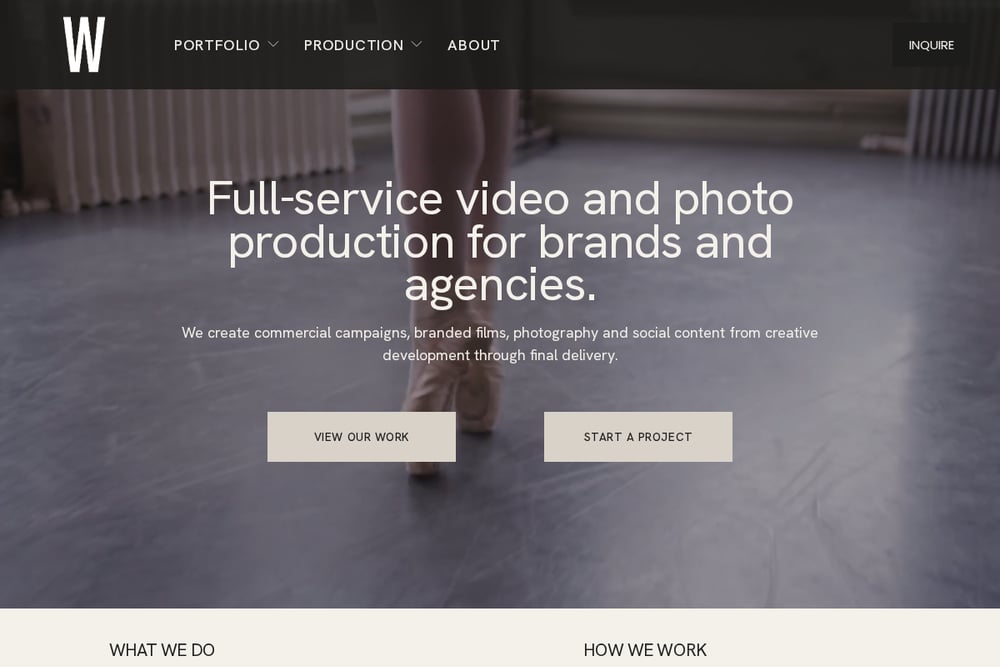 A screenshot of the We The Wencks website.
We The Wencks is a production partner for fashion and beauty campaigns built around image, movement, and brand identity. The studio produces fashion films, campaign photography, branded content, and social assets, with production shaped around the creative, talent, and needs of each campaign. Their approach starts with a clear point of view, then aligns casting, styling, location, lighting, movement, and camera into one cohesive campaign. Selected work includes a location-based Anine Bing fashion film in New York and a studio jewelry campaign for Jared Jewelers that balances portraiture with close-up product coverage. You get a team comfortable translating an agency or brand creative deck into a working production plan. Their fashion portfolio is laid out clearly on the We The Wencks site.
#5 Litmedia Productions
 A screenshot of the Litmedia Productions website.
Litmedia Productions is a full-service production company with offices in Rio de Janeiro and New York, producing fashion campaigns, advertising shoots, and editorial photography across Brazil. The team combines international production standards with deep local knowledge in Rio de Janeiro, São Paulo, and Bahia. Services cover production management, on-site coordination, nationwide logistics, location scouting and permits, casting and local crew sourcing, art buying, equipment rental, travel and accommodation, visa and customs assistance, and budget management. That makes them a practical choice when your shoot requires moving a foreign crew and gear into Brazil without losing time. Their client list includes work connected to Paris Vogue Brasil, Loewe, Supreme, Sotheby's, and Loro Piana. You can see the full service breakdown on the Litmedia Productions site.
How to Choose the Right Production Studio
Start with the market, not the portfolio. If your seasonal concept needs to run in Paris, Seoul, and New York, you want a studio with registered entities and resident members in each city, because that is what keeps casting, permits, and crews consistent. If your story is rooted in one city, a local studio with a strong point of view will usually move faster. Next, ask what is included before the shoot day. Moodboards, recce photos, call sheets, and permit handling are where budgets quietly break, so get those scoped in writing. Then confirm post-production terms: photo count, video length and versions, revision rounds, delivery formats, and model and music usage. Finally, check whether the studio can deliver stills and motion from the same production, because that is where your content efficiency comes from. Match the studio to the brief, not the other way around.
Where Automation Fits in Your Production Workflow
You can automate the boring parts without touching the creative. Use a shared brief template that captures brand name, shoot window, city, references, and deliverable list, then route it to your shortlisted studios so every quote comes back comparable. Set up a cloud folder structure per season with subfolders for moodboards, casting, locations, call sheets, and final delivery, and give the studio upload access so assets land in the right place. Automate call sheet distribution and feedback collection with a simple form, so on-set notes reach the dedicated manager in real time. For post, use a review link with timestamped comments instead of email threads, and automate delivery checks against the agreed specs for aspect ratio, resolution, and file format. None of this replaces the studio's craft. It just removes the admin that slows a seasonal calendar down.
The Bottom Line
Your production partner should make the seasonal calendar feel manageable, not more complicated. Indie Studios gives you New York editorial energy and analog craft. ESSOR gives you one creative team across Paris, Seoul, and New York with a process that spells out scope before you commit. Tiger House Films gives you cinematic narrative films with fashion week exposure. We The Wencks gives you cohesive campaign systems across stills, motion, and social. Litmedia Productions gives you full-service logistics for international shoots in Brazil. Shortlist based on where you are shooting and what you need delivered, then send a clear brief. The right studio will answer with a plan, not just a rate.