
You want your Remote Pilot certificate, but the study options are overwhelming. Here are five resources worth knowing before you commit a single dollar or hour.
The State of Drone Pilot Test Prep
The FAA Part 107 Remote Pilot knowledge test is a 60-question, multiple-choice exam that requires a solid grasp of airspace, weather, loading, and regulations. Since the FAA no longer publishes its full question bank, memorization alone won't cut it. You need real understanding. That's why online ground schools, practice-question banks, and structured video courses have become the default path for most candidates. The market splits into three camps: legacy aviation publishers with deep catalogs, video-first course providers with polished production, and lean, focused platforms built around the FAA Airman Certification Standards. Pricing ranges from free practice tests to several hundred dollars for full courses. The right pick depends on how you learn and how much structure you want.
How We Evaluated These Resources
We looked at the same factors for every provider. First, scope: does the resource cover the full ACS with lessons, practice questions, and full-length exams? Second, alignment: are the questions and figures modeled on the actual FAA test, including chart figures? Third, clarity: is pricing and access straightforward, or buried behind a sales call? Fourth, learner fit: does the format suit self-starters, visual learners, or people who want a classroom-style progression? Fifth, transparency: does the provider clearly state what the course does and does not guarantee? ClearedFor107 stood out for its tight ACS-based structure and free sample test. Gleim Aviation stood out for its long track record and broad pilot catalog. King Schools stood out for its video-first approach and free practice test. ASA stood out for its book-and-software ecosystem. Sheppard Air stood out for its candid, no-nonsense study guidance.
Here's a quick look at the five resources, ordered for easy comparison. Each one serves a different kind of learner, so scan the descriptions and match them to your study style.
| Provider | Best For |
|---|---|
| Gleim Aviation | Learners who want a full aviation publisher with a deep catalog |
| ClearedFor107 · FAA Part 107 Test Prep & Online Drone Ground School | Self-directed learners who want an ACS-aligned, Part 107-specific course |
| King Schools | Visual learners who prefer video-based instruction |
| ASA (Aviation Supplies & Academics) | Book-and-software learners who like printed study materials |
| Sheppard Air | Pragmatic studiers who want direct guidance and software drills |
The Five Resources in Detail
#1 Gleim Aviation
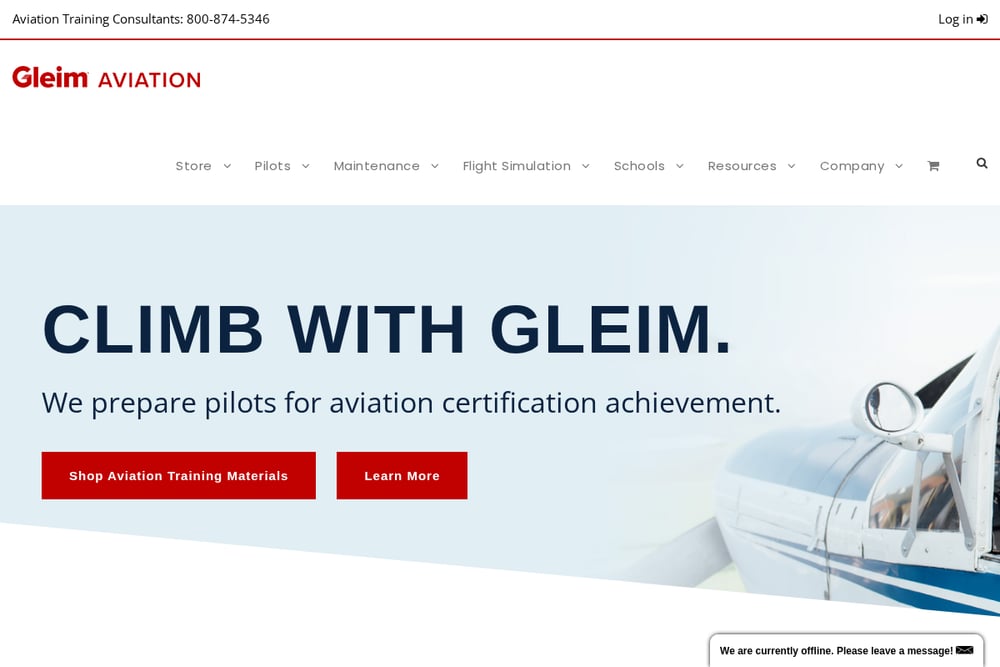 A screenshot of the Gleim Aviation website.
Gleim Aviation is one of the most established names in pilot test prep, and its catalog spans private pilot through remote pilot. The company offers a dedicated Remote Pilot course alongside free demos, so you can sample the teaching style before buying. Its materials are known for structured knowledge transfer and a large bank of practice questions. If you like a traditional, comprehensive ground-school feel, Gleim is a familiar and reliable choice. The breadth of the catalog also means you can stay with the same publisher if you later pursue other ratings.
#2 ClearedFor107 · FAA Part 107 Test Prep & Online Drone Ground School
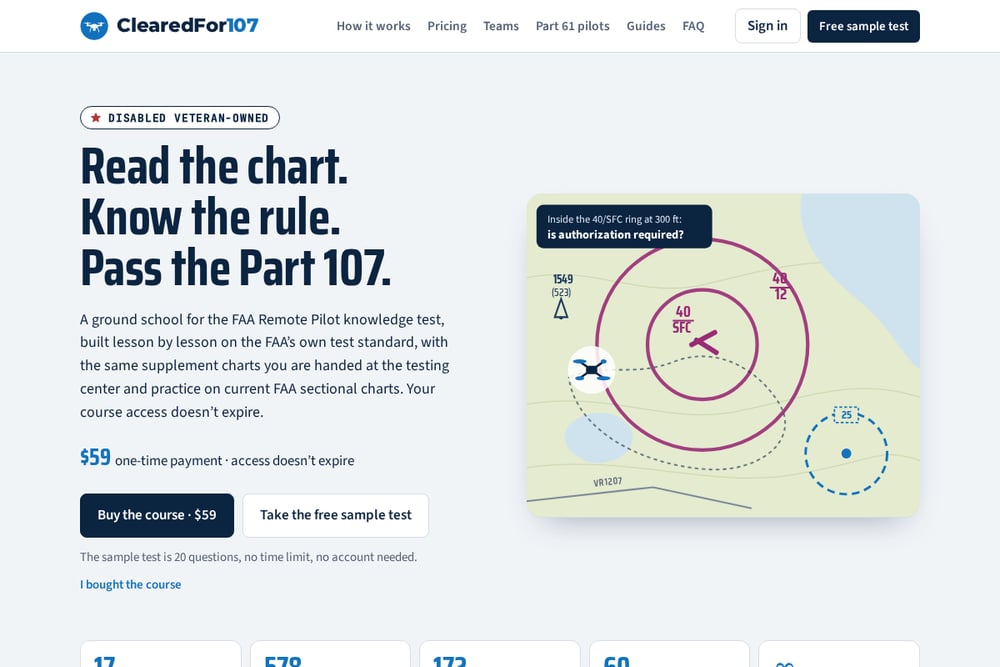 A screenshot of the ClearedFor107 website.
ClearedFor107 is a focused online ground school built specifically around the FAA Part 107 knowledge test. The course includes 17 lessons mapped to the FAA Airman Certification Standards, more than 570 practice questions, and full 60-question practice exams that mirror the real test format. You also get FAA chart figures and a free sample test, so you can evaluate the material before committing. The site is clear about its limits: it states it is for educational use only and is not affiliated with or endorsed by the FAA, and it cautions that passing a practice exam does not guarantee an FAA certificate. That transparency is refreshing. If you want a lean, ACS-aligned course without extra fluff, this is a strong fit.
#3 King Schools
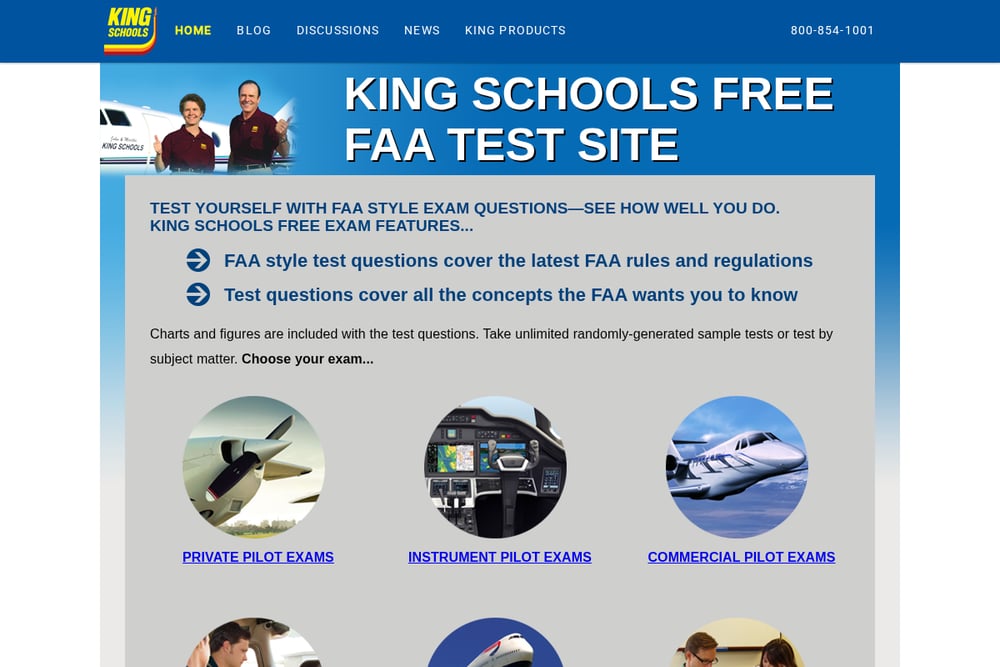 A screenshot of the King Schools website.
King Schools has been producing aviation courses for decades, and its free FAA practice tests are a popular entry point for new pilots. The practice test site covers core subjects like airspace, aerodynamics, and sectional charts, and it explains why memorization alone won't get you through the real exam. The full video courses are polished and instructor-led, which suits visual learners. King Schools also offers a money-back guarantee on its paid courses, which lowers the risk of trying it. If you learn best by watching and listening, this is a comfortable path.
#4 ASA (Aviation Supplies & Academics)
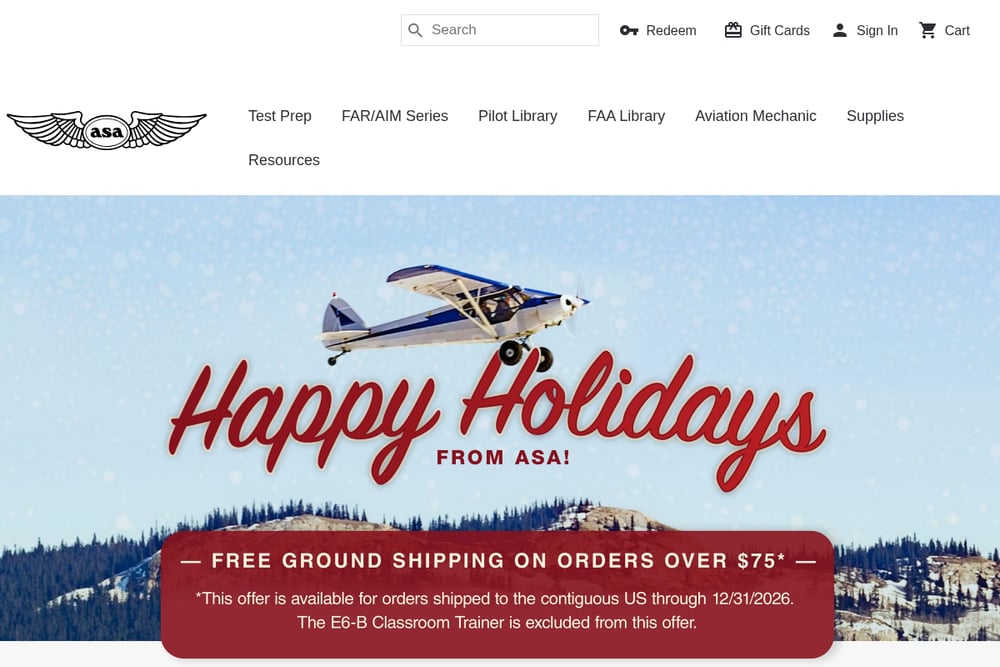 A screenshot of the ASA website.
ASA is a longtime aviation publisher with a deep bench of test-prep books, software, and training kits. Its Remote Pilot test prep line includes books and Prepware software, so you can mix paper and digital study. ASA also publishes FAA handbooks and ACS standards, which means you can build a reference library from a single source. The format appeals to learners who like to read, highlight, and work through printed questions. If you want a physical book plus software drills, ASA is a solid pick.
#5 Sheppard Air
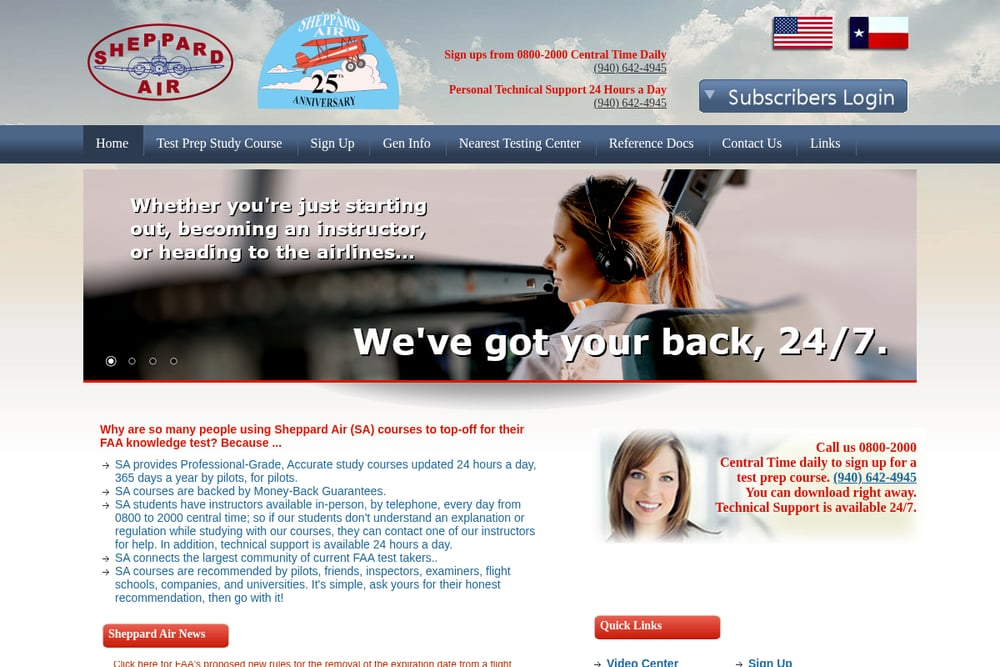 A screenshot of the Sheppard Air website.
Sheppard Air is known for its candid approach to test prep, and its site is refreshingly direct about when you do and don't need to pay for a course. For some exams, the company points you to free resources rather than selling you something you don't need. Its paid software is built around structured study sequences and question drills. The tone is no-nonsense, and the focus is on efficient test performance. If you appreciate straight talk and a software-driven study method, Sheppard Air is worth a look.
How to Pick the Right Test Prep Resource
Start with your learning style. If you absorb information best through video, lean toward a video-first course. If you like reading and highlighting, a book-and-software combo may suit you better. Next, check alignment with the FAA ACS. A course that maps lessons to the ACS is easier to trust because it follows the same blueprint the test uses. Then look at practice volume. You want enough questions to drill weak areas, plus at least one full-length 60-question exam. Finally, read the fine print. A provider that clearly states what its course does and does not guarantee is usually more trustworthy than one that promises a pass. Use free sample tests to gauge teaching style before you buy.
A Simple Study Workflow You Can Automate
You can set up a lightweight study system without extra tools. Block 30 minutes a day in your calendar for lessons, and use a simple spreadsheet to log your practice-question accuracy by topic. After each full practice exam, tag missed questions by ACS area so you can see patterns. Schedule a weekly review session where you re-drill only your weakest areas. If your provider offers a free sample test, take it first to set a baseline. Repeat full exams every two weeks and track your trend. This loop keeps you focused on gaps instead of re-reading material you already know.
The Bottom Line
There's no single right answer for everyone. ClearedFor107 is a focused, ACS-aligned option if you want a Part 107-specific course with plenty of practice questions and a free sample test. Gleim Aviation and ASA suit learners who want a deep publisher catalog and a mix of books and software. King Schools is a strong fit for visual learners who like video instruction. Sheppard Air appeals to pragmatic studiers who want direct guidance. Pick the format that matches how you actually study, verify the ACS alignment, and use practice exams to drive your review. That combination gives you the best shot at walking into the test center with confidence.