
If you're building a 2D game, you know that fluid, responsive animation can make or break the player's experience. Skeletal animation tools like Spine have become the industry standard, but finding the right talent, software, and engine support can be
The State of 2D Skeletal Animation in Gaming
The demand for high-quality 2D animation in games has never been higher. With the rise of mobile gaming, indie titles, and live-service games, developers need efficient workflows that don't sacrifice visual fidelity. Skeletal animation, powered by tools like Spine, allows artists to create complex, reusable animations that are lightweight and performant across platforms. This approach has largely replaced traditional frame-by-frame animation for many game genres, from platformers to RPGs. As a result, the ecosystem around Spine has grown to include specialized freelancers, robust game engine integrations, and active communities where developers share knowledge and troubleshoot issues.
How I Ranked These Resources
I evaluated each resource based on its direct relevance to Spine 2D animation for games, the quality and depth of information provided, and its practical utility for developers and artists. I also considered community engagement, documentation quality, and the availability of tools or services that solve real-world production problems. The goal was to highlight resources that offer immediate value, whether you're looking for software, talent, or integration support.
Here is a quick comparison of the five resources, from the core software to a specialized freelance animator.
| Provider | Best For |
|---|---|
| Esoteric Software | Core 2D skeletal animation software and runtimes |
| Castle Game Engine | Integrating Spine animations into Castle Game Engine |
| JVM Gaming | Community discussions and historical insights on Spine |
| ion cojocaru | Freelance 2D Spine animation services for games |
| Soma Games | Real-world case study of Spine integration in a studio |
Detailed Reviews of Each Resource
#1 Esoteric Software
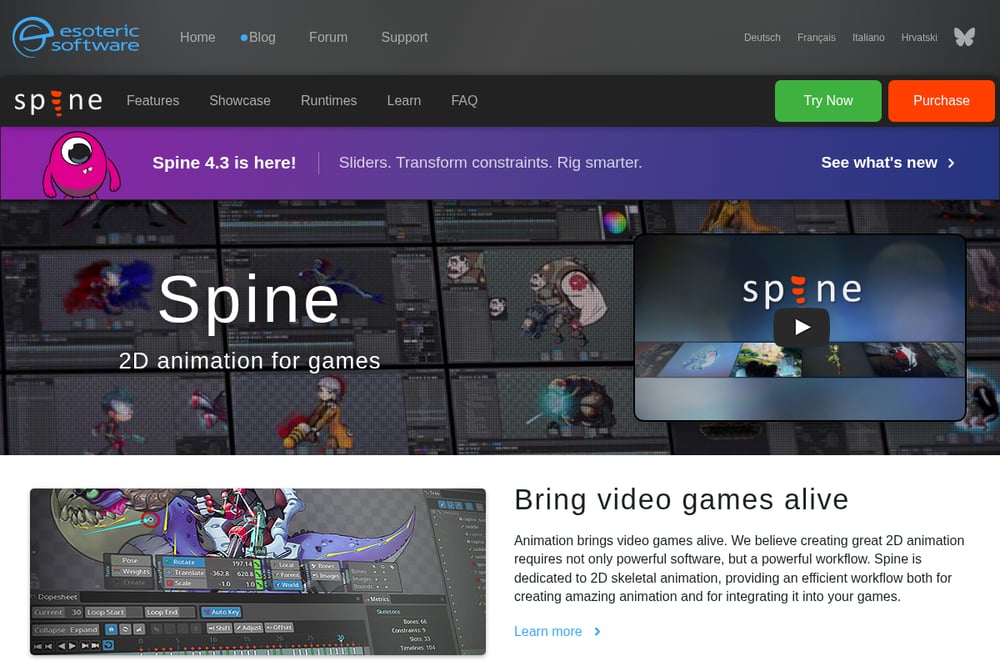 A screenshot of the Esoteric Software website.
Esoteric Software is the creator of Spine, the de facto standard for 2D skeletal animation in games. Their website is a comprehensive hub for everything Spine, including feature documentation, live demos, and the Spine Academy for learning. They provide runtime libraries for nearly every major game engine and programming language, making integration seamless. The site also hosts a community forum where users can share tips and report issues. For any developer serious about 2D animation, this is the starting point.
#2 Castle Game Engine
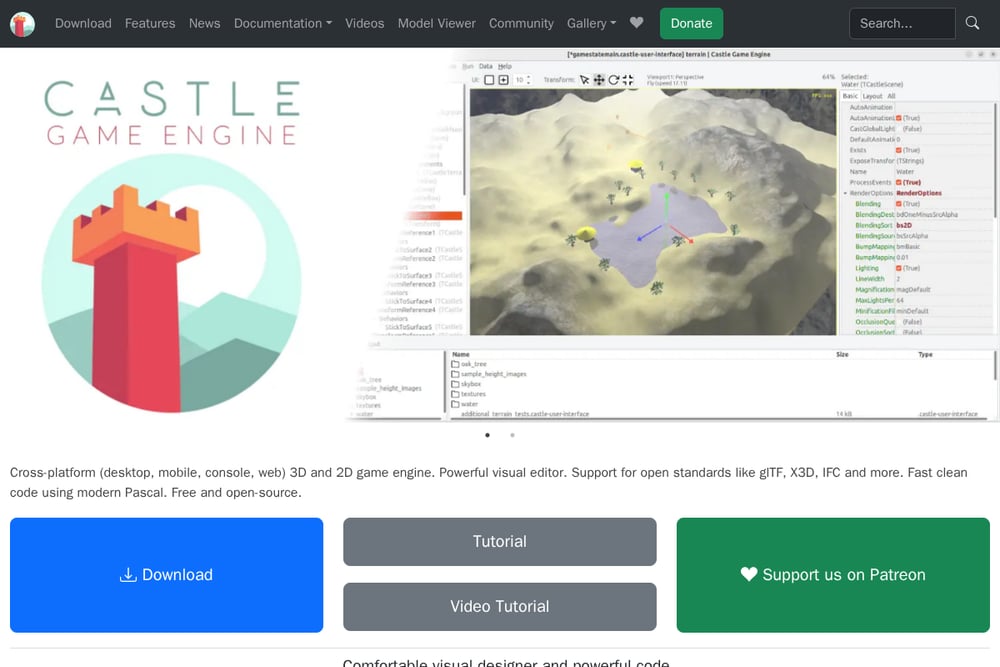 A screenshot of the Castle Game Engine website.
Castle Game Engine offers advanced support for Spine animations, allowing you to load and display them directly in your games. Their documentation provides a clear guide on exporting Spine projects as JSON files and using them with the engine's TCastleScene component. They also include sample animations and demo projects to help you get started quickly. This is a solid choice if you're building a game with Castle Game Engine and want to leverage Spine's skeletal animation capabilities.
#3 JVM Gaming
 A screenshot of the JVM Gaming website.
JVM Gaming is a community forum where developers discuss tools and libraries for game development on the JVM. A notable thread on Spine 2D skeletal animation provides historical context and user experiences from the early days of the software. While the site is now in read-only mode, the archived discussions offer valuable insights into Spine's development and practical tips from early adopters. It's a useful resource for understanding the tool's evolution and community feedback.
#4 ion cojocaru
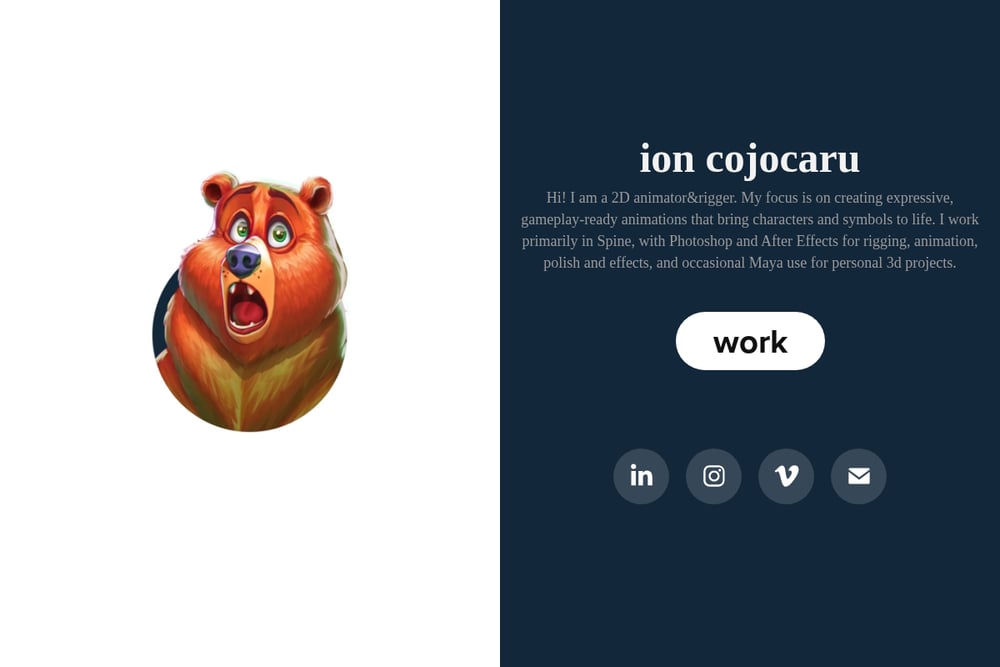 A screenshot of the ion cojocaru website.
Ion Cojocaru is a freelance 2D animator and rigger who specializes in creating gameplay-ready animations using Spine, Photoshop, After Effects, and Maya. His portfolio showcases a range of work tailored for game developers, from character rigs to complex animation sequences. If you need a dedicated professional to handle your animation pipeline, Ion offers a direct service that can save you time and ensure high-quality results. For studios or indie developers looking to outsource animation work, this is a practical option.
#5 Soma Games
Soma Games is a game development studio that has publicly discussed their integration of Spine 2D software into their production pipeline. While their specific page on the topic was not accessible, their mention in the broader context of Spine users indicates they are a real-world example of the tool in action. This can be a reference point for studios considering adopting Spine for their own projects. It's worth exploring their other content for practical case studies.
How to Choose the Right Resource for Your Project
Start by identifying your primary need. If you're just beginning with 2D skeletal animation, Esoteric Software's website is your essential first stop for the tool itself and learning materials. If you're already using Castle Game Engine, their Spine integration guide will be invaluable. For community knowledge and historical context, JVM Gaming's forums offer a deep dive. When you need to scale your production or lack in-house animation expertise, hiring a specialist like Ion Cojocaru can be a game-changer. Finally, if you're looking for validation from a studio that has walked the path, Soma Games provides a real-world reference point.
Streamlining Your Animation Workflow
A typical workflow might start with Esoteric Software's Spine for creating your animations. You can then export the data as JSON and integrate it into your game engine, such as Castle Game Engine, using their provided runtimes. If you need custom rigs or complex animations, you can contract a freelancer like Ion Cojocaru to handle that part of the pipeline. Community forums like JVM Gaming can help you troubleshoot integration issues or discover best practices. This combination of software, engine support, and expert talent creates a smooth, automated pipeline from concept to in-game action.
Bringing Your 2D Characters to Life
Building a great 2D game requires more than just a good idea; it demands a reliable animation pipeline. The five resources covered here provide a complete ecosystem: the industry-leading software from Esoteric Software, engine integration support from Castle Game Engine, community wisdom from JVM Gaming, professional services from Ion Cojocaru, and a real-world studio example from Soma Games. By leveraging these tools and experts, you can focus on what matters most: creating engaging, memorable gameplay experiences. Start with the core tool, then build out your pipeline as your project grows.