
If you are a parent of a child with special needs, the IEP process can feel like a maze of acronyms, legal jargon, and confusing procedures. You need clear, trustworthy guidance to advocate effectively for your child. We have researched
Why Parents Need Reliable IEP Guidance
The special education landscape is complex, with federal laws, state regulations, and school-district policies that vary widely. Parents often feel overwhelmed when they first encounter terms like FAPE, LRE, or procedural safeguards. A 2022 survey found that nearly 70% of parents of children with IEPs reported feeling unprepared for their first IEP meeting. The right resources can demystify the process, explain your rights, and provide step-by-step strategies for effective advocacy. Whether you are just starting evaluations or preparing for an annual review, having a trusted guide makes all the difference.
How We Ranked These Resources
We evaluated each resource based on four key criteria: clarity of language (how well it explains complex concepts without jargon), comprehensiveness (coverage of the full IEP cycle from evaluation to transition), practical usability (actionable tips, checklists, or templates), and credibility (whether the source is backed by experienced educators or reputable organizations). Each resource was scored on a 10-point scale for these criteria, and the overall ranking reflects the total score.
Here is a quick look at the five resources we compared, including what each does best and where it stands in our ranking.
| Provider | Best For |
|---|---|
| Center for Parent Information and Resources | Foundational IEP knowledge |
| Progress Center | Actionable IEP meeting preparation |
| Learning Disabilities Association of America | Parents suspecting a learning disability |
| TalkSPED | Plain-language IEP explanations from a teacher |
| Texas Project First | Step-by-step IEP process walkthrough |
Detailed Reviews of the Top 5 IEP Resources
#1 Center for Parent Information and Resources
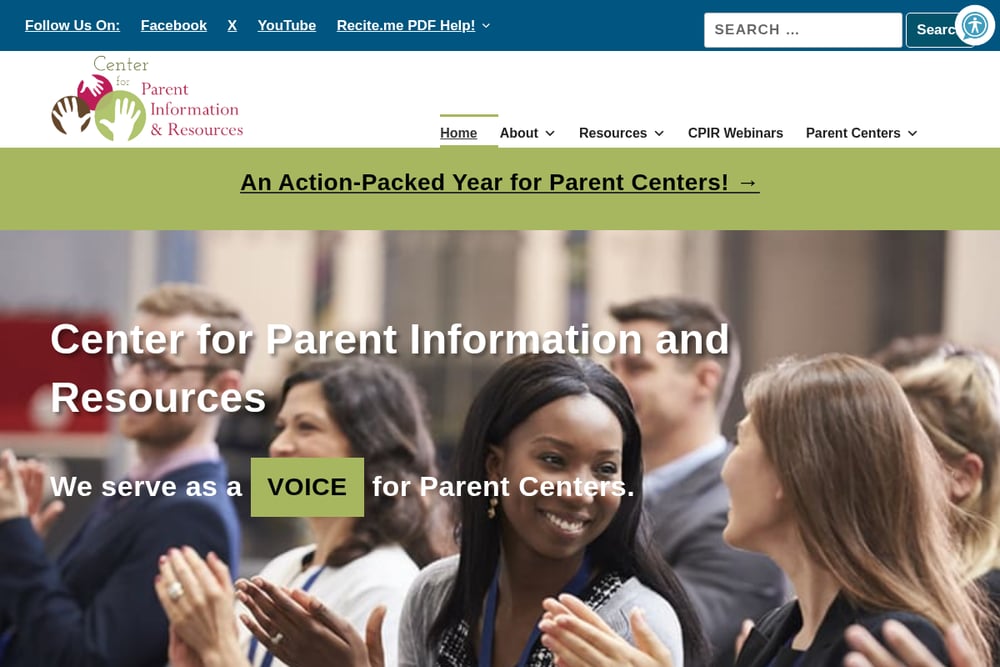 A screenshot of the Center for Parent Information and Resources website.
The Center for Parent Information and Resources (CPIR) offers a comprehensive, government-funded library of special education materials. Its 'Short-and-Sweet IEP Overview' gives you a clear, no-nonsense explanation of the IEP's purpose, who develops it, and what it contains. The site also provides detailed pages on IEP team members, evaluation procedures, and dispute resolution. Because CPIR is a national clearinghouse, you can trust that its information is accurate and up to date with federal regulations. This makes it an ideal starting point for any parent new to the IEP process.
#2 Progress Center
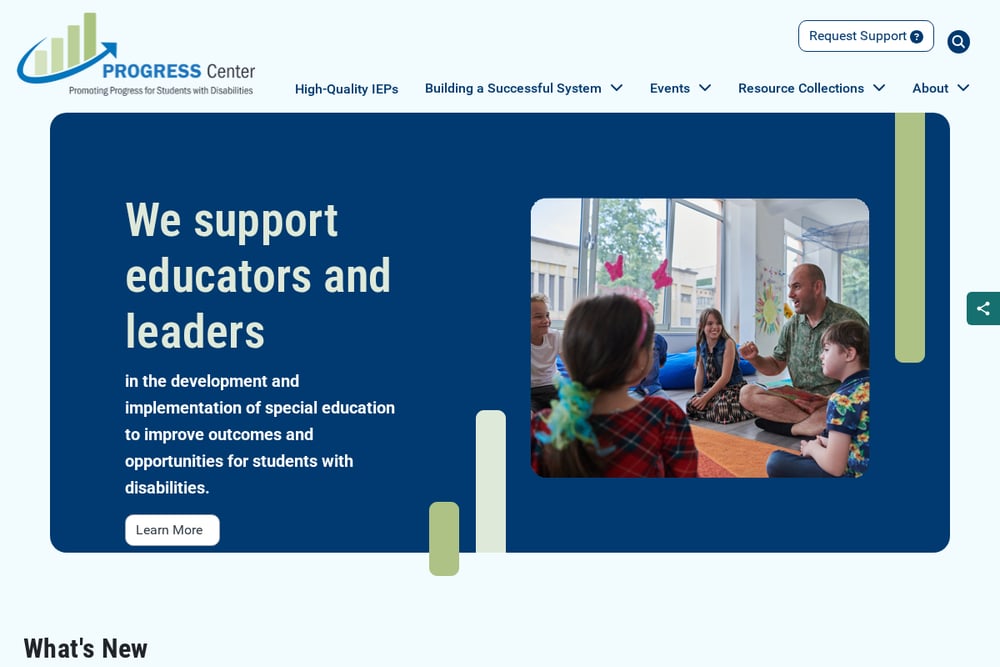 A screenshot of the Progress Center website.
The Progress Center, operated by the American Institutes for Research, focuses on helping families understand high-quality IEPs. Its 'IEP Tip Sheet for Parents: An Overview of the IEP' breaks down the key elements of the document and the development process in a parent-friendly format. The site also offers tip sheets on specific disability categories and evidence-based instructional practices. You will appreciate the practical, actionable advice that helps you prepare for meetings and collaborate effectively with school staff. The Progress Center is a strong choice for parents who want to move beyond basics and learn how to shape a truly individualized plan.
#3 Learning Disabilities Association of America
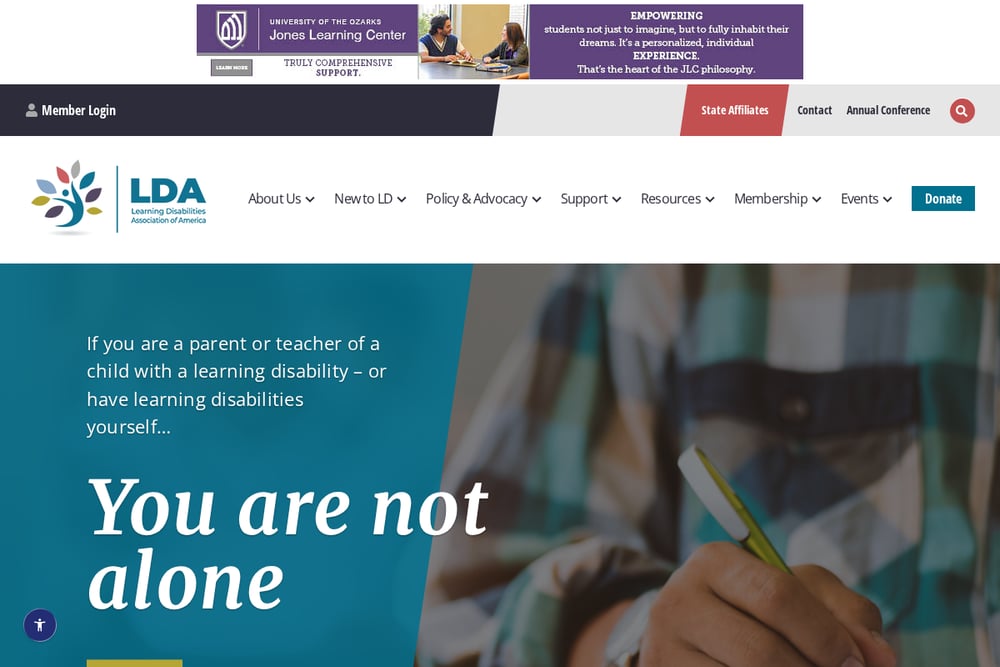 A screenshot of the Learning Disabilities Association of America website.
The Learning Disabilities Association of America (LDA) provides a parent-centered guide that covers evaluations, IEPs, and more. Its Q&A format, featuring an attorney and parent, answers common questions like how to request an evaluation and what to do if you suspect a learning disability. LDA also offers policy advocacy resources and a network of state affiliates, giving you local support options. The organization's long history and focus on learning disabilities make it a trusted voice for parents navigating the system. If you need both national guidance and local connections, LDA is a valuable resource.
#4 TalkSPED
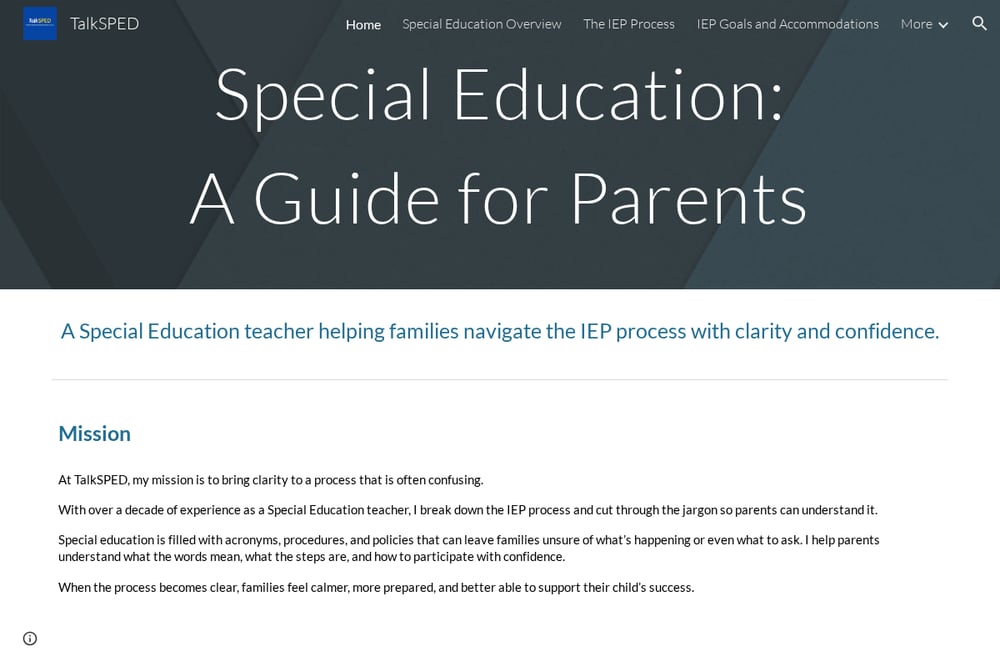 A screenshot of the TalkSPED website.
TalkSPED is a small, specialized consulting site created by a special education teacher with over a decade of classroom experience. It focuses on demystifying the IEP process by explaining acronyms, procedures, and policies in plain language. The site offers guides on IEP goals, accommodations, and even how to talk to your child about special education. What sets TalkSPED apart is its founder's hands-on teaching background, which brings a practical, empathetic perspective to every resource. If you want advice from someone who has been inside the classroom and understands both teacher and parent viewpoints, TalkSPED is a refreshingly clear option.
#5 Texas Project First
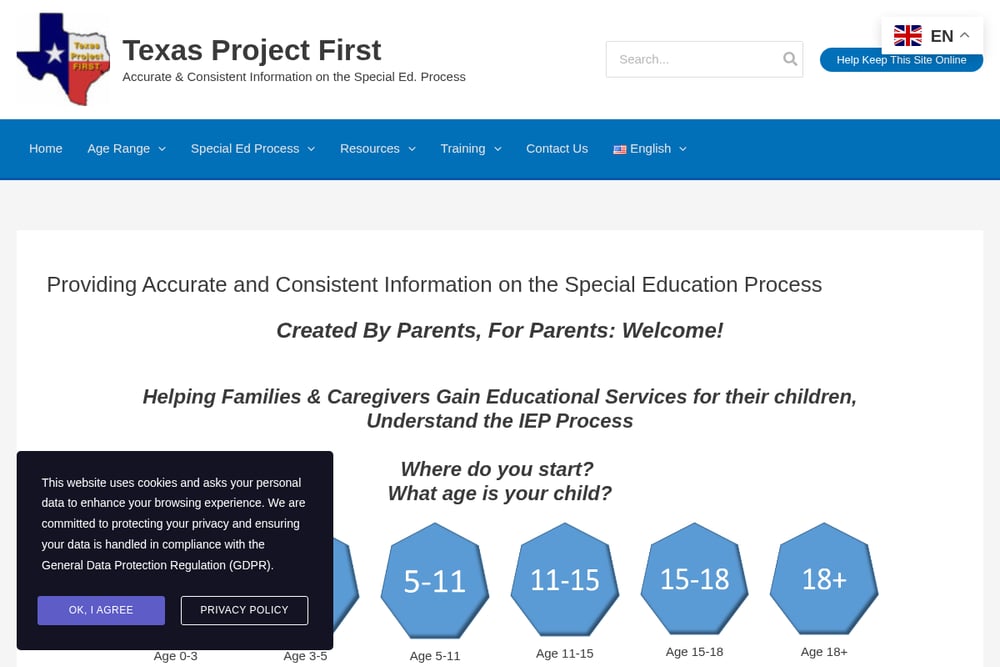 A screenshot of the Texas Project First website.
Texas Project First provides a step-by-step walkthrough of the special education process, tailored specifically to Texas families but useful for anyone. Its 'IEP Process Step-By-Step' page covers everything from evaluation to transition, with separate sections for different age ranges. The site also includes a glossary of acronyms, frequently asked questions, and free online training modules. While it is state-specific in some areas, the general framework and practical tips apply nationwide. For parents who want a structured, chronological guide to the entire IEP journey, Texas Project First delivers a clear roadmap.
How to Choose the Right IEP Resource for Your Family
Start by identifying where you are in the IEP journey. If you are brand new, begin with the Center for Parent Information and Resources for a solid foundation. If you already understand the basics and need practical meeting strategies, turn to the Progress Center. For parents who suspect a learning disability, the Learning Disabilities Association of America offers targeted guidance. If you prefer a teacher's perspective with plain-language explanations, TalkSPED is an excellent supplement. And if you want a chronological, step-by-step roadmap, Texas Project First provides a clear structure. You can also combine resources: use one for overviews and another for detailed checklists.
Streamline Your IEP Advocacy with a Simple Workflow
Start by reading the 'Short-and-Sweet IEP Overview' on the Center for Parent Information and Resources to understand the basics. Next, download the Progress Center's IEP Tip Sheet to prepare for your upcoming meeting. Use TalkSPED's guides to clarify any confusing terms or accommodations. Then, visit the Learning Disabilities Association of America to check if your child's suspected disability is covered. Finally, follow Texas Project First's step-by-step process to track your progress from evaluation to transition. This workflow ensures you cover all bases without feeling overwhelmed.
Your Path to Confident IEP Advocacy
Navigating the IEP process does not have to be a solo struggle. With the right resources, you can transform confusion into clarity and become a confident advocate for your child. The five resources we have ranked each bring unique strengths, from foundational knowledge to practical meeting tips. Start with the one that matches your current needs, and explore the others as you progress. Remember, you are your child's most important voice in the special education system, and these tools are here to help you speak up effectively.