
Your team's psychological safety score can look healthy while the quietest voice in the room still pays the highest price for speaking up. These five providers help you close that gap.
The State of Equitable Psychological Safety Coaching
Psychological safety has moved from a nice-to-have to a board-level concern. Yet most measurement still stops at the team average. That average can be accurate and still hide the person by the drafty window, the one for whom candour carries a real cost. A growing niche of coaches and consultancies now focuses on equitable psychological safety: not just whether people can speak up, but whether the price of doing so is the same for everyone. Demand is rising as leaders grapple with hybrid teams, DEI commitments, and the quiet disengagement that follows when only the loudest voices get heard. The providers below approach this work from different angles, from research-led training to inclusive leadership coaching, so you can match the approach to your team's actual gaps.
How We Evaluated These Providers
We looked at five factors across every provider. First, service scope: does the offering cover assessment, coaching, workshops, and follow-through, or just one piece? Second, depth of equity focus: does the provider explicitly address who pays the price of speaking up, or treat psychological safety as a generic team metric? Third, practical accessibility: how easy is it to understand what you get, how to start, and what a first engagement looks like? Fourth, format flexibility: live, on-demand, in-person, and remote options matter for distributed teams. Fifth, thought leadership: the quality and specificity of the public writing and resources, which tells you how the provider thinks before you ever book a call. Each provider stood out on different factors, and the notes below describe what we observed rather than declaring a winner.
Here is a quick comparison of the five providers, what each is known for, and who tends to benefit most. Use this table to shortlist before you dig into the deeper profiles.
| Provider | Best For |
|---|---|
| Psych Safety | Organisations building a structured, multi-level training programme |
| Equitable Psychological Safety: Who Pays the Price of Speaking Up? | Leaders who want to address unequal costs of speaking up |
| Humessence | Teams that need communication and feedback skills alongside safety training |
| Executive Coaching Consultancy | Senior leaders and inclusive leadership development |
| Co-Active | Building internal coaching capability around safety |
The Five Providers in Detail
#1 Psych Safety
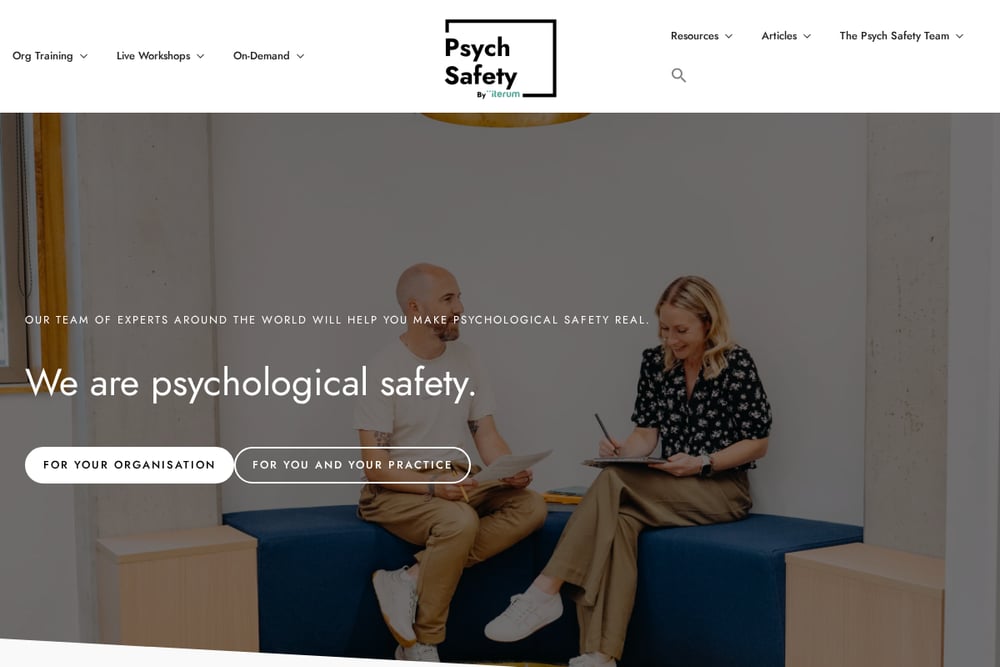 A screenshot of the Psych Safety website.
Psych Safety is one of the most established names in the space, with a deep catalogue of organisational training that spans senior leader programmes, team workshops, measurement, and train-the-trainer tracks. Their content covers psychological safety fundamentals alongside adjacent topics like human and organisational performance, feedback, and neurodiversity. If you want a structured curriculum with live and on-demand options, this is a strong place to start. The breadth is the point: you can build a multi-year capability programme rather than a one-off session. Their public resources and measurement tools also make it easy to benchmark before you commit.
#2 Equitable Psychological Safety: Who Pays the Price of Speaking Up?
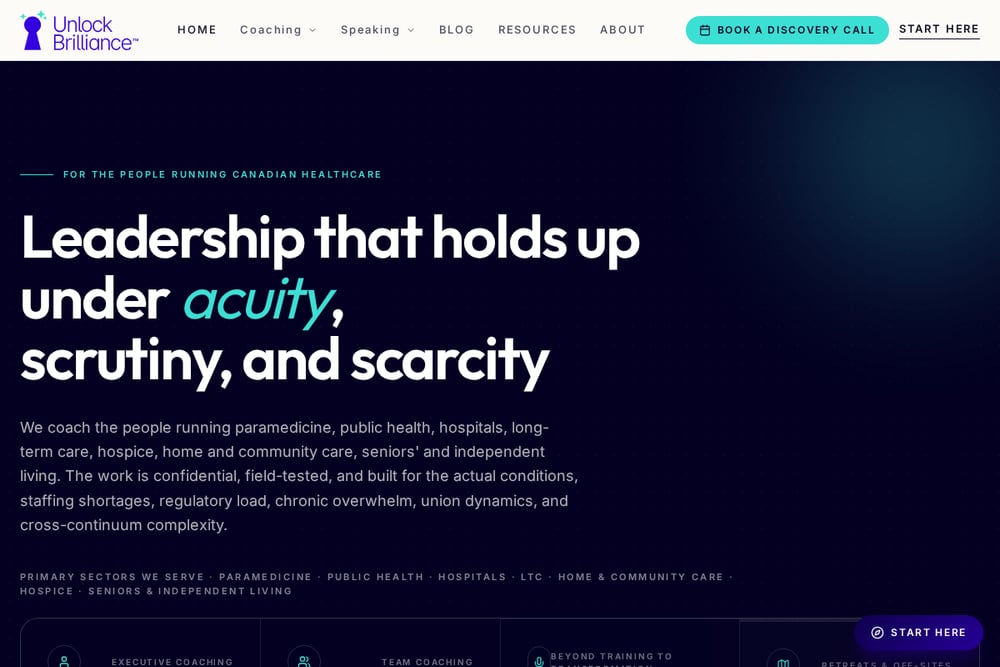 A screenshot of the Equitable Psychological Safety: Who Pays the Price of Speaking Up? website.
This is the specialist in the room. Sandeep Aujla, founder and lead coach at Multilevel Leadership Consulting (MLC) Inc., writes and advises specifically on equitable psychological safety: the question of who pays the highest price for candour and what leaders can do to lower it. The site's flagship essay uses a thermostat-and-drafty-window analogy to show how an accurate team score can still miss the person who feels least safe. Coaching and discovery calls are framed around leadership development, not generic team-building. If your team has a healthy safety score but you suspect some voices are still costly to raise, this is the most direct fit.
#3 Humessence
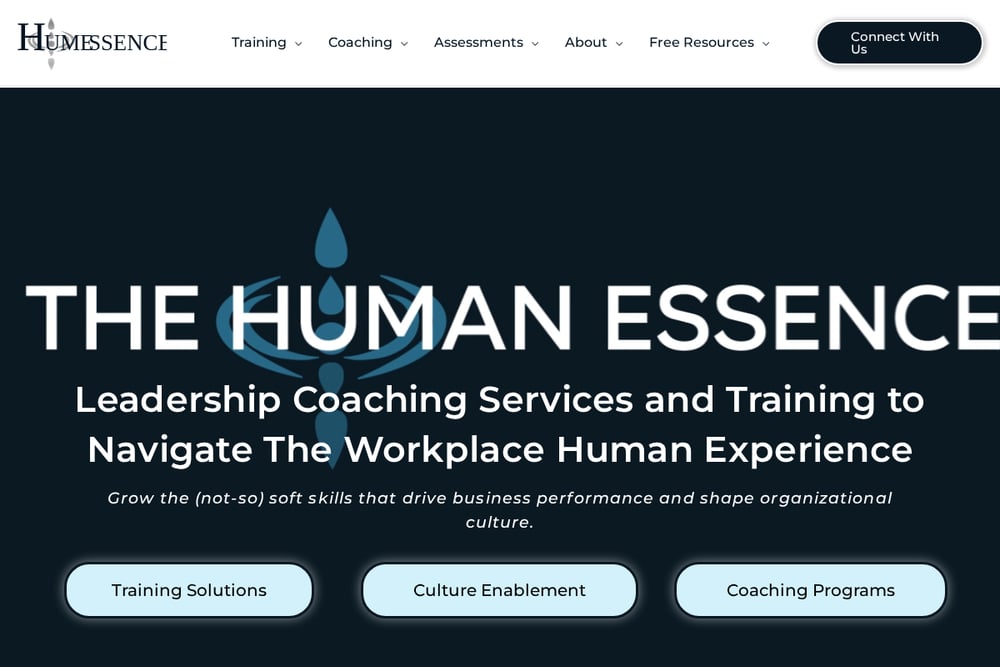 A screenshot of the Humessence website.
Humessence brings psychological safety training into a broader leadership communication and emotional intelligence portfolio. Their menu includes team resilience, feedback training, conflict management, and executive presence, which means psychological safety is taught alongside the conversational skills that make it real. They offer coaching for emerging leaders through executives, plus assessment tools like Hogan and the Energy Leadership Index. If your safety gaps show up as poor feedback habits or avoided conflict, this integrated approach can be practical. The trade-off is that equitable psychological safety is one thread among many rather than the headline.
#4 Executive Coaching Consultancy
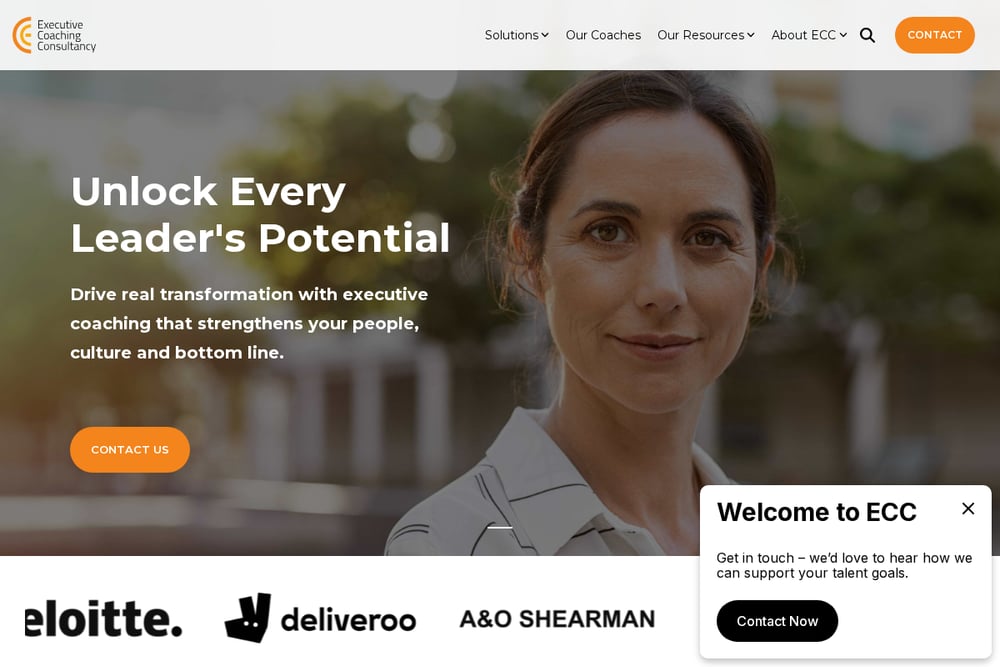 A screenshot of the Executive Coaching Consultancy website.
Executive Coaching Consultancy approaches psychological safety through an inclusive leadership lens, with dedicated programmes for developing women leaders, inclusive leadership, and parental transition coaching. Their explainer on psychological safety draws on Amy Edmondson's foundational definition, which gives you a solid conceptual grounding. The equity angle is built into the firm's structure: if the people least safe to speak up are often women, parents, or underrepresented leaders, their programme mix addresses the underlying dynamics. This is a good fit if you want coaching relationships rather than a workshop-first model. The focus is senior and high-potential leaders rather than whole-team training.
#5 Co-Active
 A screenshot of the Co-Active website.
Co-Active is a coach training organisation that applies its model to psychological safety at work, with a strong emphasis on the coaching skills leaders need to build it. Their materials frame safety as a shared belief that people can take risks, ask questions, and admit mistakes without fear of embarrassment or punishment. The organisation offers coach certification pathways and leadership programmes, so you can build internal capability rather than relying on external facilitators indefinitely. If you want to embed coaching habits across your management layer, this is a scalable route. The equity conversation is present but less central than in the specialist providers above.
How to Choose the Right Provider
Start with the gap you actually have. If your team score looks fine but you suspect some people still pay a high price to speak, look for a provider that explicitly names equitable psychological safety, like the specialist at number two. If you need a broad curriculum with measurement and train-the-trainer options, a larger training organisation may fit better. If the issue shows up as weak feedback or avoided conflict, an integrated communication and emotional intelligence programme can address the root behaviour. If your senior leadership is the bottleneck, inclusive leadership coaching may be the fastest lever. And if you want to build capability internally, a coach training pathway is worth the investment. Ask every provider how they handle the equity question, not just the average score.
A Simple Workflow to Put This Into Practice
First, measure at the team level and then disaggregate: look at who responds, who stays silent, and which groups report the highest cost of speaking up. Second, pick one provider from this list that matches your gap and book a discovery call. Third, run a short pilot with one team rather than the whole organisation. Fourth, pair any training with a simple follow-up cadence: a monthly anonymous pulse question about the cost of candour, reviewed by a leader who reports back on what changed. Fifth, document the specific behaviours you are trying to shift, like who gets interrupted and whose ideas get picked up, so progress is visible. Repeat the pulse quarterly and adjust the provider or programme based on what the data shows.
The Bottom Line
Psychological safety is no longer enough on its own. The question that matters now is who still pays the highest price for speaking up, and what you are doing to lower it. The five providers here cover the spectrum from specialist coaching on equitable safety to broad training curricula and inclusive leadership development. Start with your real gap, pilot with one team, and measure who stays quiet. That is how you turn a healthy average into a genuinely safe room for everyone.