You want your team healthy without wrecking your budget. These five platforms are changing how employers deliver care in 2026.
The New Shape of Employee Health Benefits
Employers are done with the old playbook. Rising premiums and deductibles pushed workers to skip care, and that avoidance costs companies more in the long run. Virtual-first benefit platforms stepped into that gap. They bundle primary care, mental health, counseling, and prescriptions into one program, often at a predictable per-employee cost. The pitch is simple: remove the friction that keeps people from getting help. For you as an employer, that means fewer surprise claims, better retention, and a benefits package that actually gets used. The market is crowded now, so the differences come down to scope, pricing transparency, and how well each platform fits your workforce.
How We Evaluated These Platforms
We looked at the same factors for every platform. Service scope mattered first: does it cover urgent care, primary care, behavioral health, and prescriptions in one place? Pricing clarity came next: can you understand the cost model without a sales call? We also weighed member experience, including app quality and digital member cards. Employer fit was another factor, especially for small and mid-sized teams. Finally, we considered how each platform communicates value, because a benefit nobody understands is a benefit nobody uses. Each platform stood out in different areas, and we noted those strengths without pitting them against each other.
Here is a quick look at the five platforms in this roundup. Each one approaches employee health from a slightly different angle, so you can match the list to your team's needs.
| Provider | Best For |
|---|---|
| Included Health | Large employers wanting care plus navigation |
| Home - Life Healthcare | Zero-cost, no-deductible employee care |
| First Stop Health | Virtual care with clear cost guidance |
| Managed Health | Employers wanting zero-cost funding clarity |
| Sana Benefits | Small businesses seeking affordable virtual care |
The Five Platforms in Detail
#1 Included Health
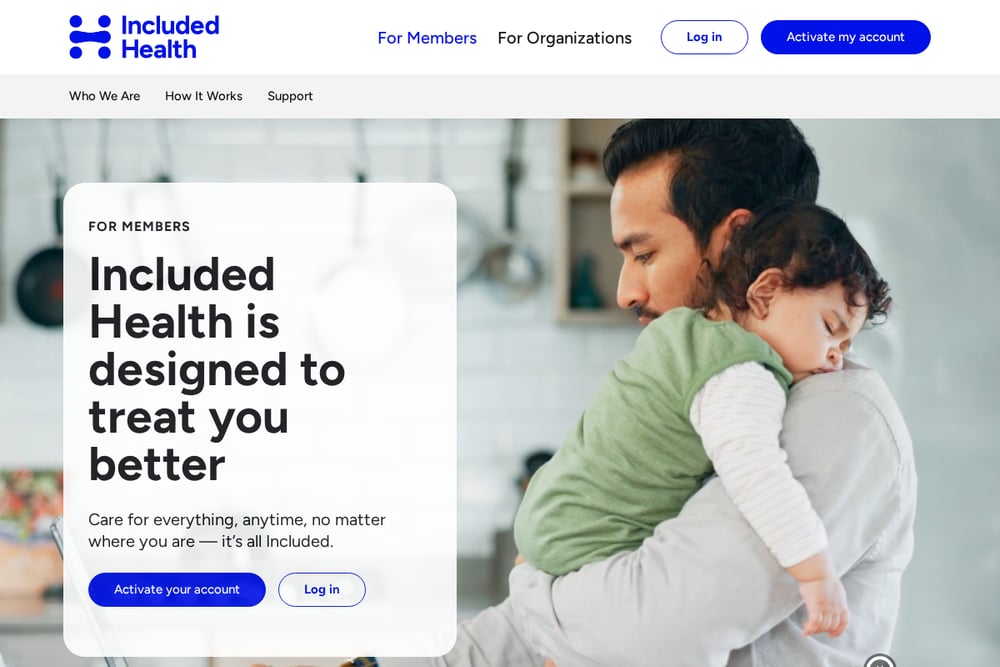 A screenshot of the Included Health website.
Included Health positions itself as an all-in-one virtual care and navigation platform for employers and members. The company combines urgent care, primary care, behavioral health, and expert medical opinion under one roof. You also get a health assistant and human advocates who help members navigate the system. The platform serves employers, benefit consultants, public sector organizations, and labor unions. Its case study with lululemon shows how a large employer rolled out a tailored benefits experience. If you want a broad, navigation-heavy solution, this one is worth a close look.
#2 Home - Life Healthcare
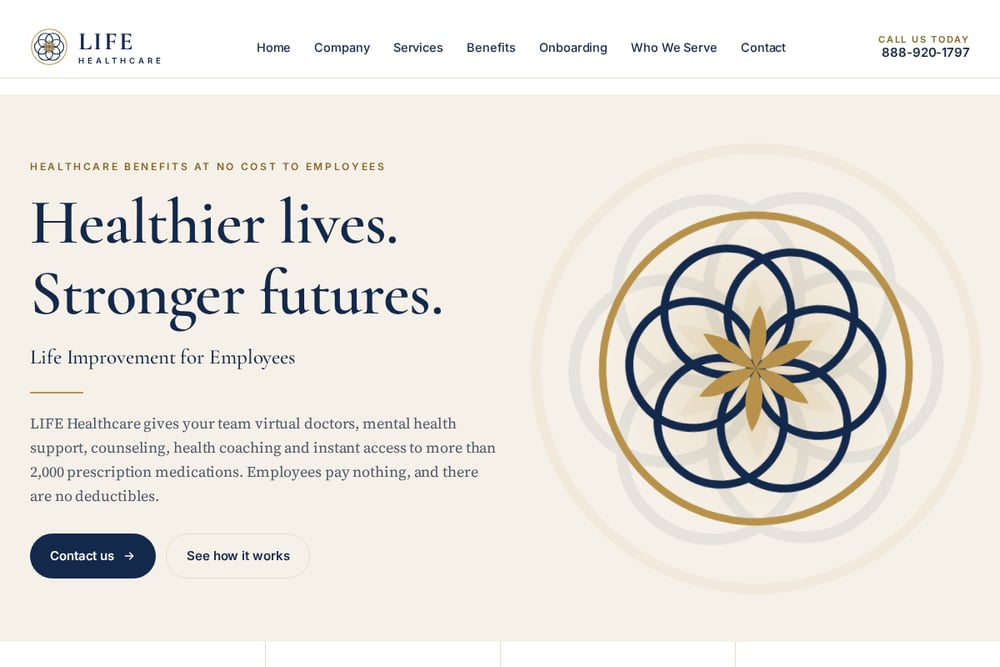 A screenshot of the Home - Life Healthcare website.
LIFE Healthcare is built around a simple promise: employees pay nothing and face no deductibles. The program bundles virtual doctors, mental health support, on-demand counseling, health coaching, and access to more than 2,000 prescription medications. Members carry a digital member card in the LIFE app, so care is always a tap away. The name says it plainly: LIFE stands for Life Improvement for Employees. Employers get a stronger benefits package that is easy to offer, and workers get care without reaching for their wallet. For teams that want zero out-of-pocket friction, this is a compelling option.
#3 First Stop Health
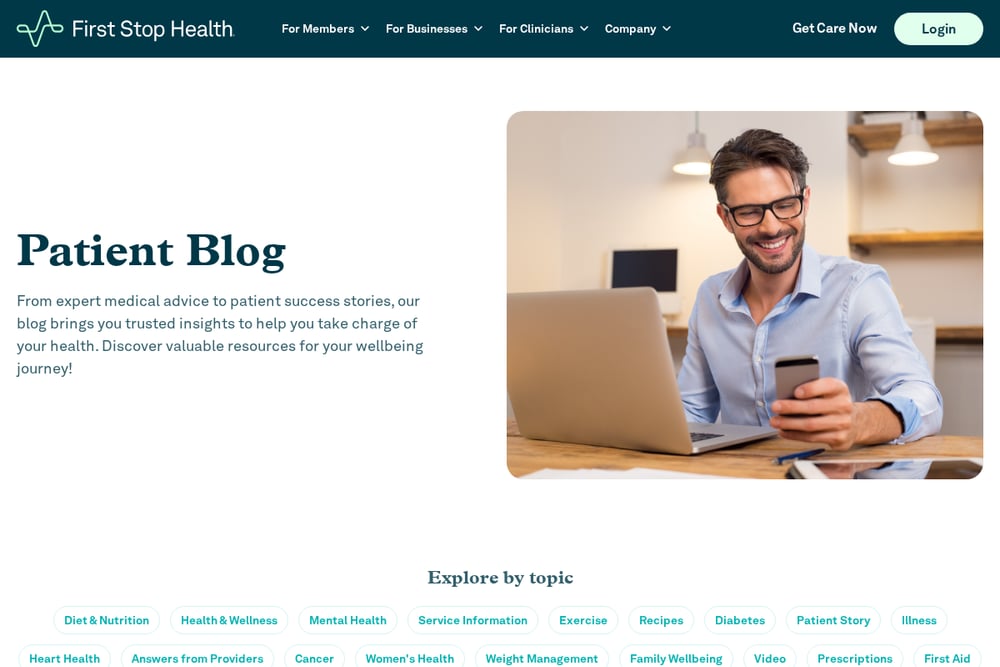 A screenshot of the First Stop Health website.
First Stop Health focuses on virtual care with a clear menu of services. Members can access urgent care, primary care, health coaching, virtual therapy, and mental health support. The company also works with benefits consultants and employers to design virtual care solutions. Its blog tackles practical questions, like what telemedicine really costs and how to evaluate PEPM fees, co-pays, and engagement campaigns. That transparency helps you compare options without guesswork. If you want a virtual care partner with a strong educational footprint, this one stands out.
#4 Managed Health
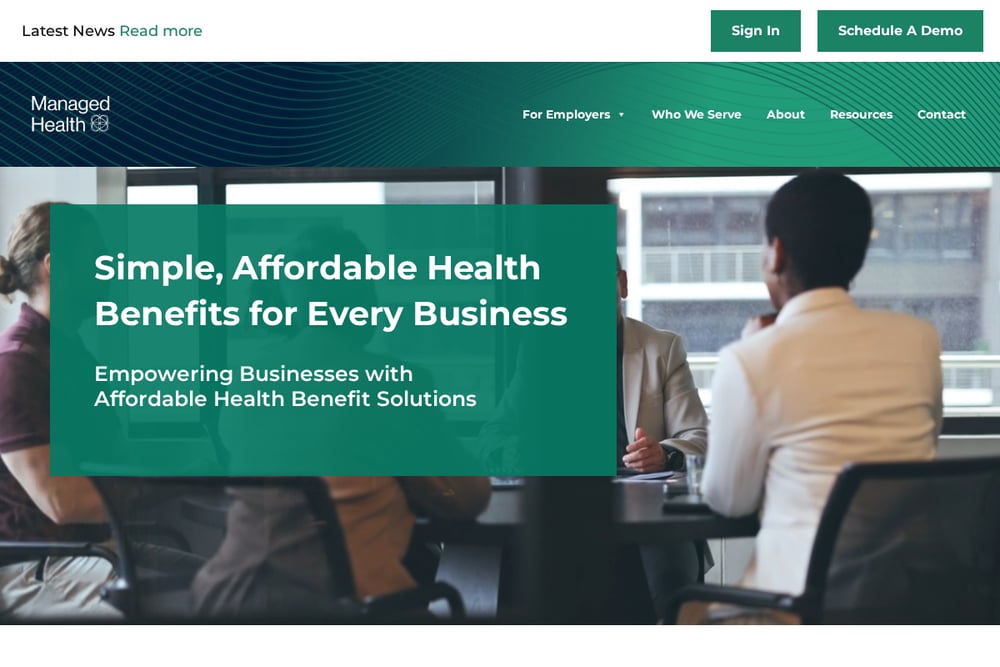 A screenshot of the Managed Health website.
Managed Health takes a different angle by explaining how zero-cost benefits actually work. The company offers doctor visits, virtual health care, prescriptions, and wellness services through an employer portal. Its resource library breaks down funding mechanics, tax treatment, and utilization patterns behind zero-net-cost models. That makes it a useful partner if you want to understand the math before you commit. The platform is designed for employers who want to shift spending toward earlier, more efficient care. If you value financial clarity alongside care access, Managed Health deserves a look.
#5 Sana Benefits
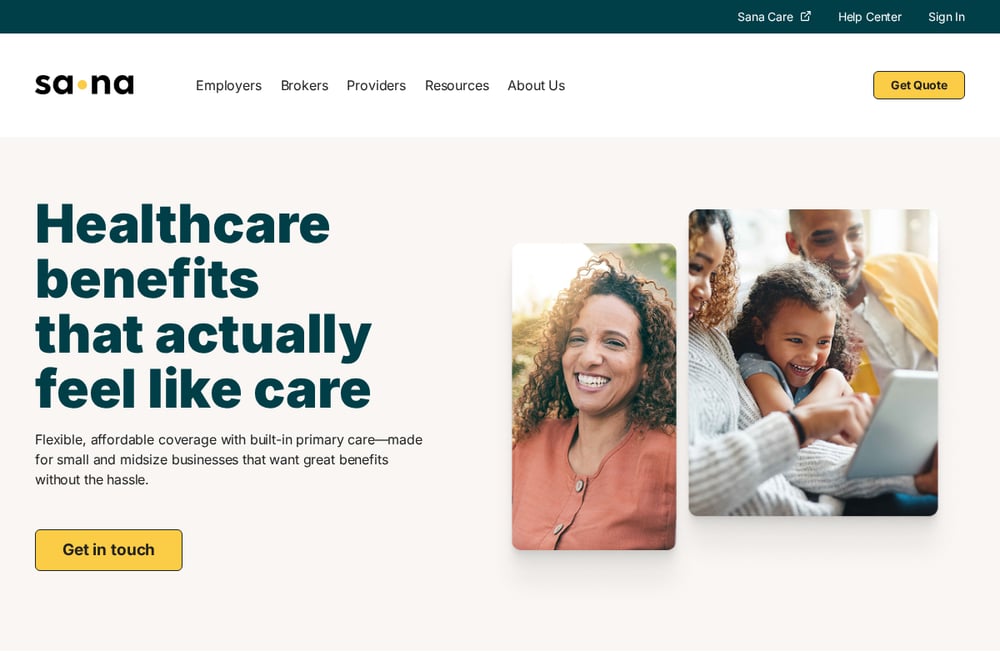 A screenshot of the Sana Benefits website.
Sana Benefits focuses on small businesses that need affordable health coverage and virtual care. The company offers Sana Care plans and works with brokers to help employers find the right fit. Its blog addresses real-world questions, like how to give small business employees affordable virtual care. Sana also highlights how virtual care can improve retention and productivity for lean teams. If you run a small or mid-sized business, this platform speaks your language. It is a practical option for teams that need coverage without enterprise complexity.
How to Pick the Right Platform for Your Team
Start with your workforce. If you have a large, distributed team, a navigation-heavy platform like Included Health may fit best. If your priority is zero out-of-pocket cost for employees, LIFE Healthcare is built around that promise. For small businesses, Sana Benefits keeps things simple and affordable. Next, look at pricing clarity. Ask how the per-employee cost works, what employees pay at the point of care, and whether there are hidden fees. Then check the member experience. A digital member card and a clean app can make the difference between a benefit that gets used and one that collects dust. Finally, consider the services your team actually needs. Mental health support, counseling, and prescriptions are table stakes now, so make sure the platform covers them well.
Where Automation Fits Into Your Benefits Workflow
You can streamline benefits administration without adding headcount. Start by syncing your HR system with the platform's enrollment feed so new hires get access automatically. Set up automated welcome emails that explain the digital member card and how to book a virtual visit. Use utilization reports to trigger nudges, like a reminder about counseling services during high-stress periods. Automate prescription refill reminders through the platform's app where available. Finally, route employee questions to a shared inbox with canned responses for common issues. These small automations reduce friction and boost engagement, which is the whole point of offering the benefit in the first place.
The Bottom Line
You do not need the most expensive benefits package to keep your team healthy. You need one they will actually use. The five platforms here each solve a different piece of that puzzle. Included Health brings breadth and navigation. LIFE Healthcare removes cost barriers entirely. First Stop Health and Managed Health add transparency to the math. Sana Benefits keeps small business coverage within reach. Match the platform to your team size, your budget model, and the services your people ask for most. Then automate the rollout so the benefit works from day one.