
When you ride, your helmet is the one thing that stays with you. These five services turn it into a lifeline that speaks for you when you can't.
The quiet rise of tap-to-identify safety gear
Emergency identification used to mean a bracelet or a card in your wallet. Now it lives on a sticker. NFC chips and backup QR codes let a stranger, a paramedic, or a good samaritan tap a phone against your helmet and see your blood type, allergies, and emergency contact in seconds. No app. No password. No fumbling through your locked phone.
The category is young and fragmented. Some players sell one-time hardware. Others bundle a cloud record with an annual fee. Pricing models swing from a few dollars per sticker to yearly subscriptions, and the depth of the medical profile varies wildly. What matters most is whether the record loads fast, stays current, and shows the right information to the right person at the worst possible moment.
For riders, the appeal is obvious. A helmet is already on your head. Making it the carrier of your emergency data costs almost nothing and removes a layer of panic from everyone involved.
How we looked at each service
We judged every service on the same four factors. First, service scope: does it cover just the sticker, or the sticker plus a maintained cloud record you can update? Second, pricing clarity: is the cost obvious up front, and are there renewals or hidden fees? Third, access speed: how quickly does a rescuer see your data, and does it work without an app or login? Fourth, local fit and support: does the company speak to US riders, offer clear contact channels, and explain what happens if the service lapses?
CentinelTag stood out for pairing a low annual fee with a cloud record that degrades gracefully after expiry, keeping a name, a phone number, and a 911 button visible. Traumoto impressed with its trauma-research roots and broader safety catalog. Le Tap drew attention for a no-subscription model and strong review volume. TapMeSaveMe offered flexible multi-packs that stretch across helmets, car seats, and water bottles. ClickMe Emergency ID leaned into high-visibility hardware and multi-language reach. Each brings a different answer to the same question: how do you make identification effortless?
Here is a quick side-by-side of how the five compare on model, pricing approach, and the surfaces they are built for. Use it to narrow your shortlist before you read the full breakdown.
| Provider | Best For |
|---|---|
| Traumoto | Riders who want ID gear from a trauma-focused brand |
| CentinelTag: un toque puede salvar una vida | Budget-conscious riders who want a maintained cloud record |
| Le Tap | Riders who prefer paying once with no subscription |
| TapMeSaveMe | Families protecting several people and surfaces at once |
| ClickMe Emergency ID | Riders who want maximum visibility and multi-country support |
The five, one by one
#1 Traumoto
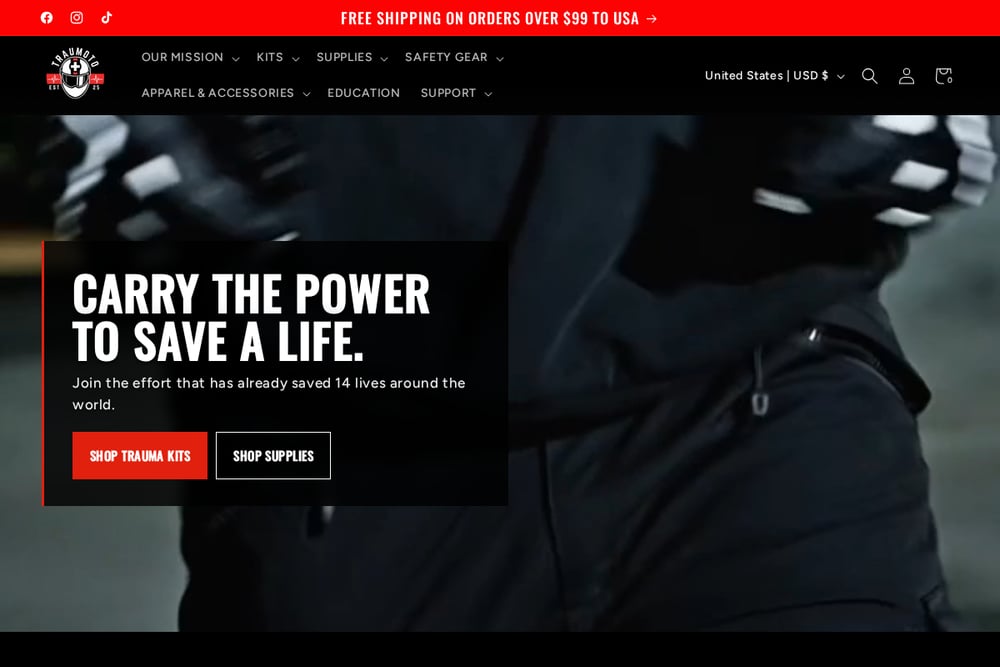 A screenshot of the Traumoto website.
Traumoto comes at emergency ID from the trauma world, not the gadget world. Its NFC medical ID sticker for motorcycle helmets sits inside a broader catalog of bleeding-control kits, airway supplies, and first aid gear, which tells you the company thinks about the whole incident, not just the tag. The brand also runs trauma research and story-sharing initiatives, so the safety message feels earned rather than marketed. If you want your identification sticker to come from people who clearly obsess over what happens after a crash, this is a natural starting point. Build times are listed as short, and the store ships internationally with regional currency options.
#2 CentinelTag: un toque puede salvar una vida
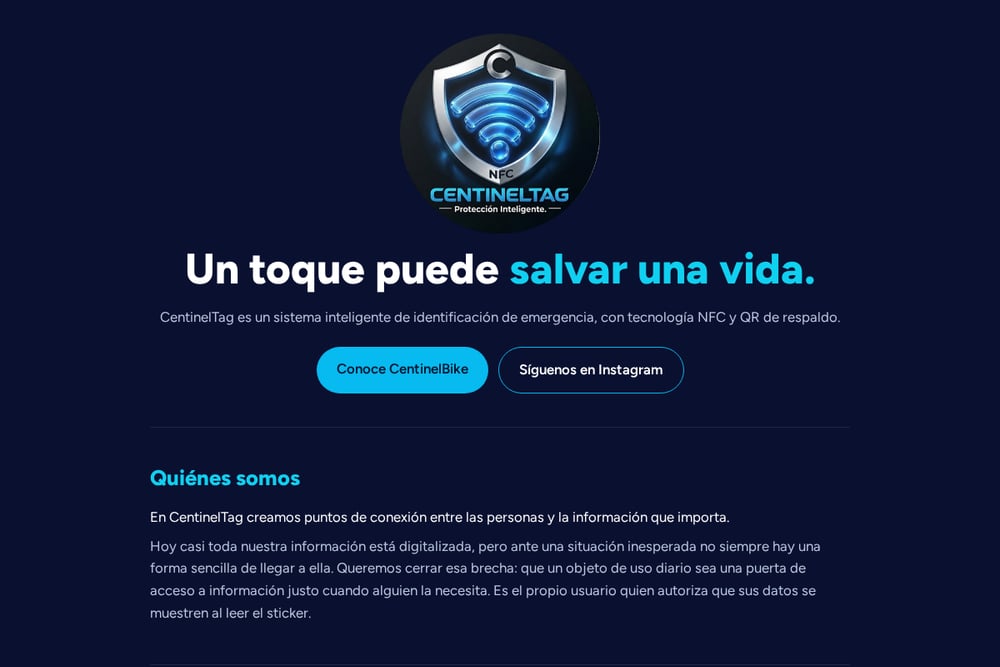 A screenshot of the CentinelTag website.
CentinelTag builds its system around one idea: an everyday object should become a gateway to the information that matters. Its first product, CentinelBike, is a helmet sticker with an NFC chip and a backup QR code that opens your emergency record in the browser with no app and no password. The record can hold your name, blood type, and a contact as a minimum, plus optional photo, allergies, medications, conditions, and a second contact, and you decide what gets shown. The $10 annual fee covers the sticker, a year of cloud storage, and updates through a single-use email link. If the service lapses, the record stays visible for 30 days with a notice, then falls back to just your name, a phone number, and a 911 button, which is a thoughtful safety net. The company is upfront that the sticker carries no warranty, should not be bent, and does not replace calling 911.
#3 Le Tap
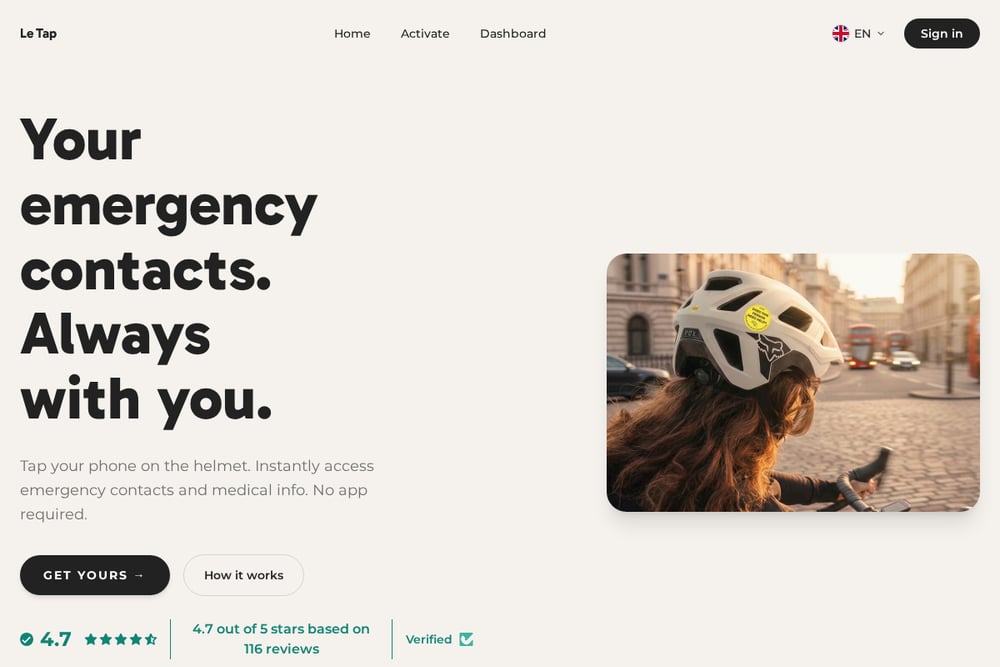 A screenshot of the Le Tap website.
Le Tap keeps the pitch refreshingly simple: tap your phone on the helmet and your emergency contacts and medical info appear in under a second. The sticker is built to survive rain, sweat, sunlight, and daily knocks, and it works with any NFC-enabled iPhone or Android without an app. The company leans hard into a one-time purchase model with no subscription and no hidden fees, which appeals to riders who dislike recurring charges. It also emphasizes privacy, stating no tracking and GDPR-safe handling of your data. A 4.7-star average across more than a hundred reviews suggests the experience holds up in the real world.
#4 TapMeSaveMe
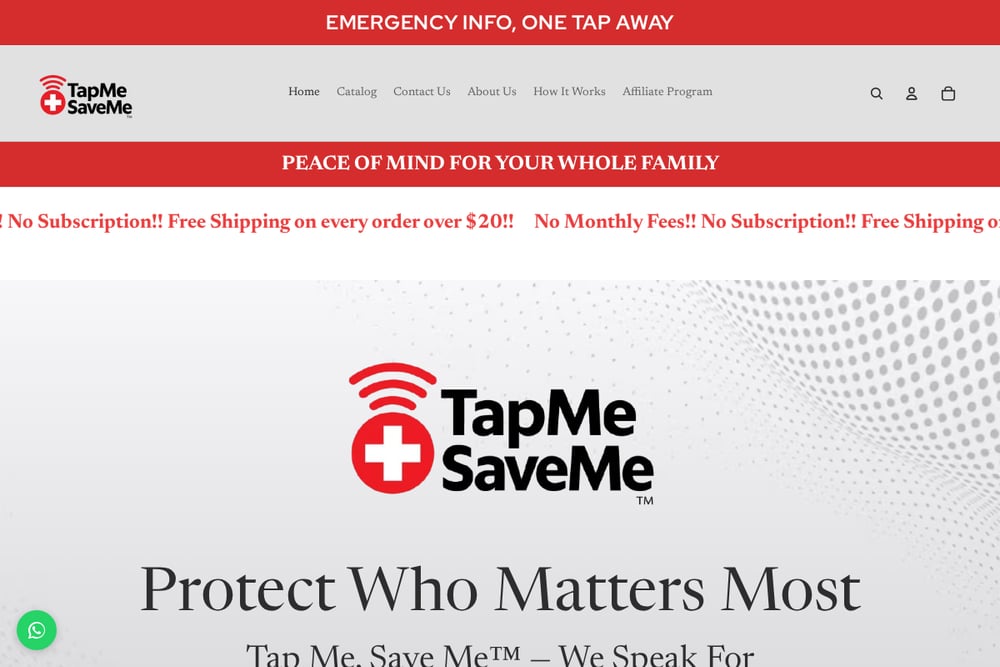 A screenshot of the TapMeSaveMe website.
TapMeSaveMe sells NFC emergency contact stickers in multi-packs, which changes the math for families and multi-vehicle households. A five-pack brings the per-sticker price down and lets you cover a motorcycle helmet, a bicycle helmet, a child car seat, a water bottle, and a glove box from one order. The stickers are weatherproof, tamper-resistant vinyl, programmable in under a minute, and reusable and updateable whenever your details change. You stick it, tap it with any NFC phone, fill out the emergency form that pops up, and tap again to test. No app is required at any step, and shipping is quoted at a few days with flexible returns.
#5 ClickMe Emergency ID
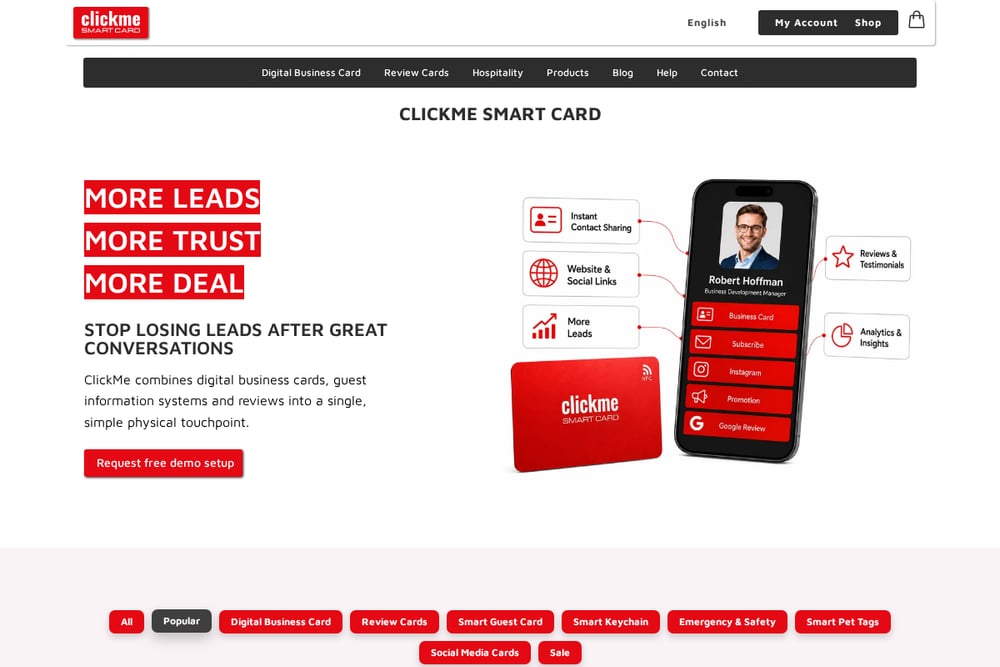 A screenshot of the ClickMe Emergency ID website.
ClickMe Emergency ID takes the visibility angle seriously. Its sticker is a 55 by 55 millimeter neon yellow tag with industrial-grade 3M adhesive, sold in a three-pack, so it is hard to miss on a dark helmet or a bike frame. A tap opens a pre-filled profile with emergency contacts, allergies, medications, conditions, and blood type, plus optional extras like a digital business card and helpful links. The company frames the product around a real worry many riders carry: that in an emergency, a lack of information is what slows help down. ClickMe also operates in multiple languages across Europe, which makes it a comfortable pick for riders who travel or split time between countries.
Picking the one that fits your ride
Start with the model you can live with. If you hate subscriptions, a one-time purchase like Le Tap removes the renewal question entirely. If you want your medical details to stay current and you are fine with a small yearly fee, a cloud-record service like CentinelTag keeps everything editable through a link sent to your email.
Then think about how many surfaces you need to cover. One helmet is a single sticker. A family with two riders, a child car seat, and a commuter bike is a multi-pack conversation, and that is where TapMeSaveMe earns its place. If visibility is your priority, look at hardware like ClickMe's neon tag that a rescuer can spot from a distance.
Finally, check the fine print. Ask what happens when the service expires, whether the record stays visible, and how you update your data. Confirm the sticker works with the phones people around you actually carry, and remember that none of these replace calling 911. They identify you and notify your family. That is the job.
Where a simple workflow saves you headaches
Set a yearly reminder to review your emergency record the same week you renew your registration or insurance. Open the update link, confirm your blood type, medications, and contacts, and save. If you use a multi-pack, label each sticker's location in your phone notes so you know which record lives where. Keep a photo of your sticker's QR code in a secure album as a backup, and tell one family member which service you use and where the sticker sits. Five minutes a year keeps the whole system trustworthy.
The bottom line
Emergency identification is one of those purchases you hope never matters and are grateful for when it does. The five services here all solve the same core problem, but they solve it differently: Traumoto brings trauma expertise, CentinelTag pairs a low annual fee with a gracefully degrading record, Le Tap sells simplicity with no subscription, TapMeSaveMe covers the whole family in one order, and ClickMe Emergency ID makes sure you are seen. Pick the model that matches how you ride and how you pay, set your yearly review reminder, and let your helmet do the talking.