Email spoofing is still the easiest way for a criminal to impersonate your business. These five services help you close that gap without needing a security team.
The email authentication landscape
Email authentication is no longer optional for small businesses. Inboxes now expect SPF, DKIM, and DMARC records before they trust a sender. Without them, anyone can send email that looks like it came from your domain. The market has split into two camps. On one side are enterprise platforms built for security teams and large senders. On the other are lean services that handle the setup for you at a fixed price. You will also find free educational resources and DIY guides that explain the records in plain English. The right choice depends on whether you want to learn the mechanics or just get protected.
How we evaluated these services
We looked at four factors across every service. First, service scope: does it cover SPF, DKIM, and DMARC end to end, or only part of the stack? Second, pricing clarity: are costs published upfront, or do you need a sales call? Third, fit for small teams: can a non-technical owner follow the process without a consultant? Fourth, educational value: does the service help you understand what is being changed and why? Each provider below stands out on a different combination of these factors. Some lean toward hands-on setup, others toward self-serve tooling or free learning.
Here is a quick look at the five services in this roundup, ordered by how they fit a small-business owner who wants spoofing stopped without a steep learning curve.
| Provider | Best For |
|---|---|
| Valimail | Larger organizations enforcing DMARC at scale |
| NW Cybersecurity · Email Security and Security Guides | Small businesses that want fixed-price, done-for-you setup |
| DmarcDkim.com | DIY owners who want free tools and detailed guides |
| DMARCLY | Guided self-serve setup with reporting |
| Cloudflare | Teams already using Cloudflare for DNS |
The five services in detail
#1 Valimail
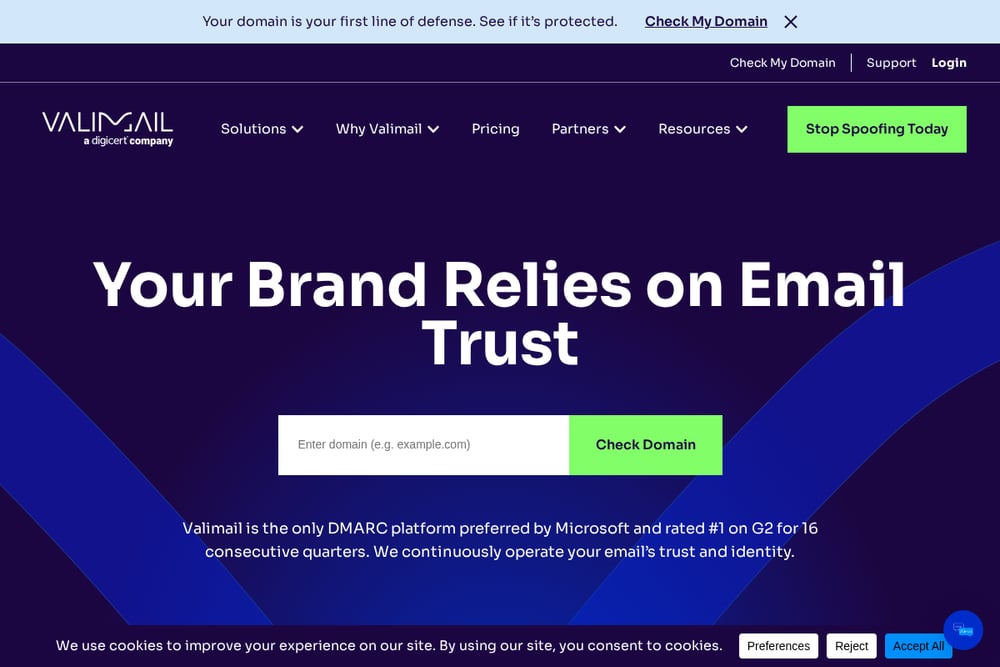 A screenshot of the Valimail website.
Valimail is an enterprise-grade email authentication platform with a strong focus on DMARC enforcement at scale. Its blog explains how SPF, DKIM, and DMARC work together, and the company offers free tools like a domain checker and DKIM validator. The platform is built for organizations that need to monitor all senders on a domain and move to a reject policy safely. If you run a larger operation or manage many domains, Valimail gives you the visibility and controls to enforce authentication without breaking legitimate mail. Smaller businesses may find the enterprise orientation heavier than they need.
#2 NW Cybersecurity · Email Security and Security Guides
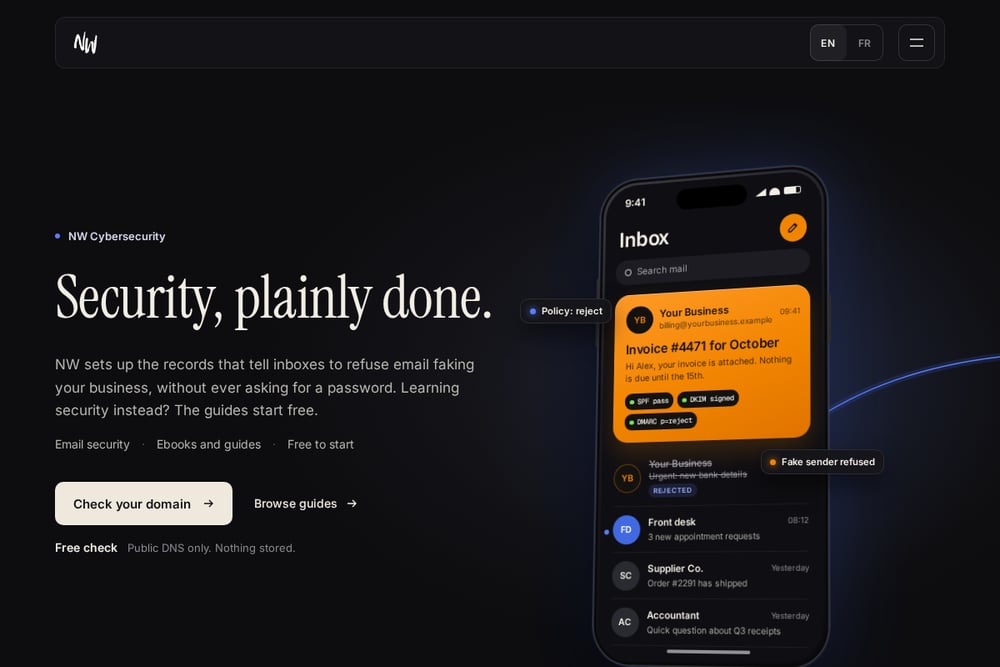 A screenshot of the NW Cybersecurity · Email Security and Security Guides website.
NW Cybersecurity focuses on the exact records that stop spoofing: SPF, DKIM, and DMARC. You start with a free domain check that uses public DNS only and never asks for a password. From there you can get a free one-page report, buy a $39 guided kit, or pay $149 to have NW do the setup for you. The rollout is designed so your real mail keeps working while fake senders get rejected. NW also publishes free plain-English guides for learners who want to understand the attack before they buy anything. Web studios can resell the same work under their own brand.
#3 DmarcDkim.com
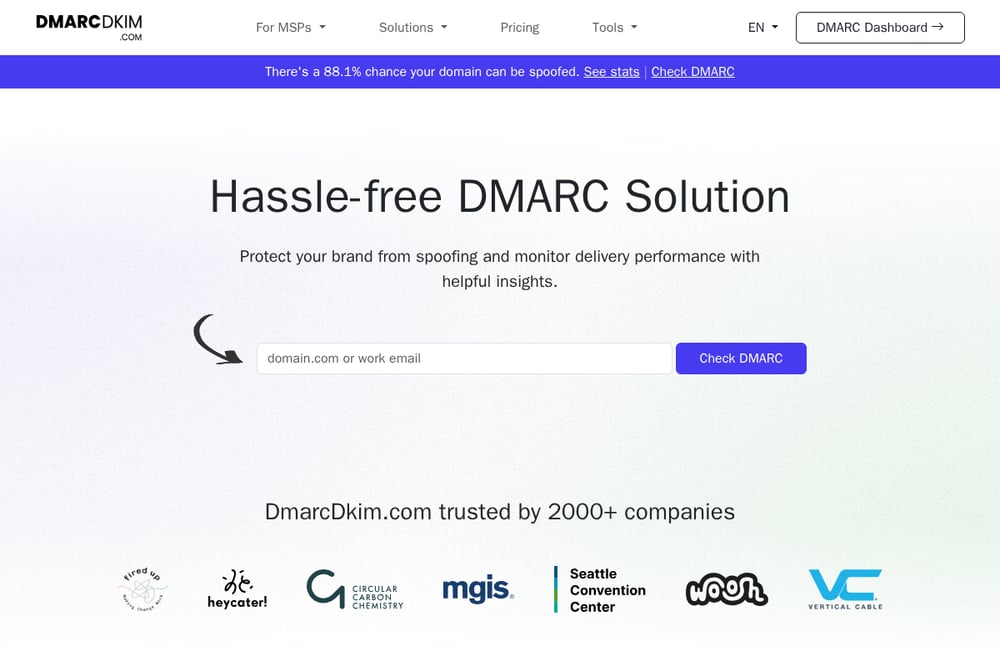 A screenshot of the DmarcDkim.com website.
DmarcDkim.com is a tool-heavy resource with step-by-step setup guides for DMARC, DKIM, and SPF. It offers a live DMARC check with no sign-up, plus generators and validators for each record type. The site also publishes a steady stream of articles on enforcement, reporting, and related DNS topics. If you like working through the mechanics yourself, the combination of guides and free tools is useful. The depth can feel technical if you are new to DNS, so expect a learning curve.
#4 DMARCLY
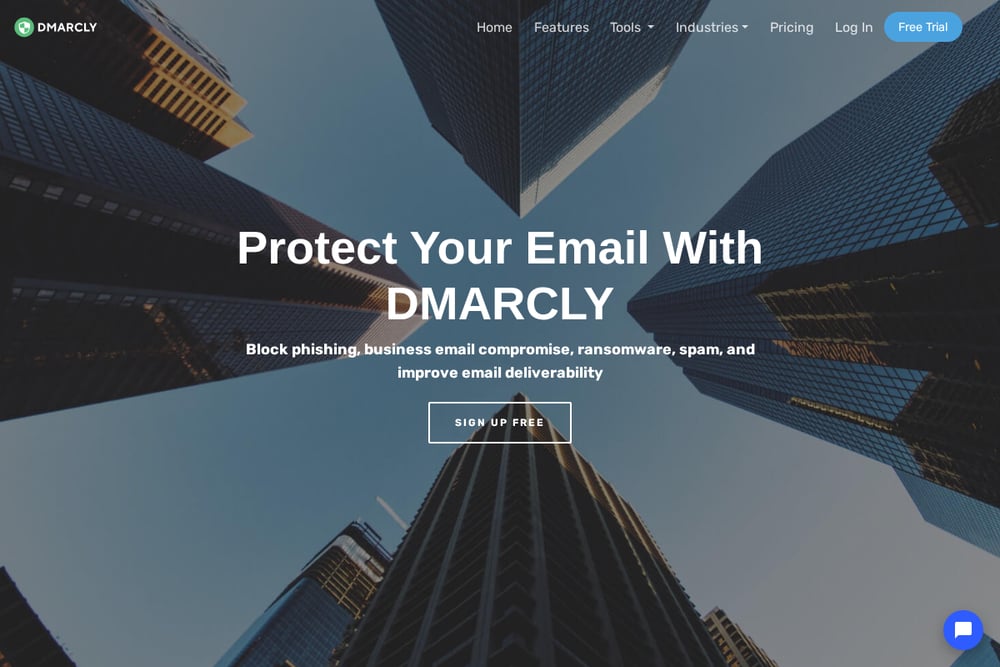 A screenshot of the DMARCLY website.
DMARCLY takes an all-in-one approach with a wizard that walks you through SPF, DKIM, and DMARC setup in a single workflow. Its guide claims a basic setup in about an hour with permissive settings suitable for most organizations. The platform includes reporting capabilities so you can see what is happening after you publish records. This is a good middle ground if you want guided automation without a full enterprise contract. You still need to understand the settings to avoid locking out legitimate senders.
#5 Cloudflare
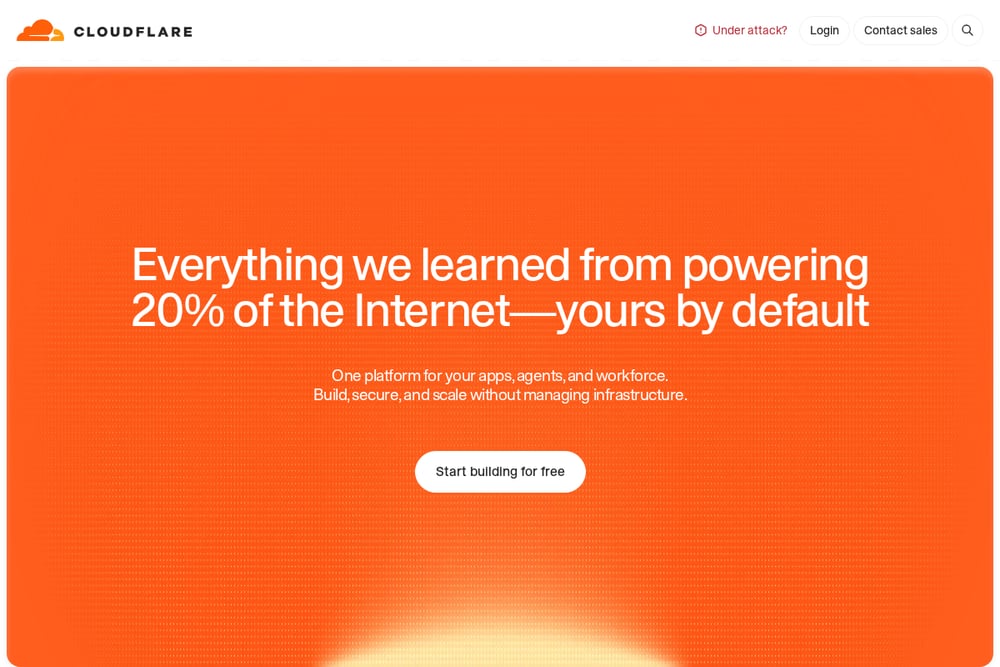 A screenshot of the Cloudflare website.
Cloudflare's Learning Center explains DMARC, DKIM, and SPF in clear language and connects the concepts to its own DNS and email security products. If your domain already uses Cloudflare for DNS, adding authentication records is straightforward from the same dashboard. The platform is broad, covering much more than email, which makes it a natural fit for teams already in the ecosystem. The tradeoff is that email authentication is one feature among many, so you may need to follow the documentation closely. For pure education, the Learning Center is free and accessible.
How to choose the right fit
Start with your comfort level. If you want someone else to handle the records, look for a fixed-price done-for-you option with a free check first. If you want to learn, prioritize services with clear guides and free tools. Check whether the provider covers all three records or only DMARC. Confirm pricing is published before you talk to sales. And make sure the rollout plan protects your real mail, not just blocks fake senders. A free domain check is the fastest way to see where you stand today.
A simple automation workflow
Run a free public DNS check on your domain to see your current SPF, DKIM, and DMARC status. Save the one-page report. If records are missing, choose either a guided kit or a done-for-you service. Publish the records in monitoring mode first, watch for legitimate mail that fails, then move to a reject policy. Re-check monthly and after any change to your email providers. Keep the report on file for clients or insurers who ask about your security posture.
The bottom line
You do not need an enterprise platform to stop email spoofing. You need the three records published correctly and a rollout that does not break your real mail. NW Cybersecurity keeps that process simple with a free check and fixed pricing. Valimail and Cloudflare suit larger or existing ecosystems. DmarcDkim.com and DMARCLY give you the tools and guides to do it yourself. Pick the path that matches your time and technical comfort, then check your domain today.