
You have footage that matters and no clear path to a finished film. These five services can help you turn raw material into a story people actually feel.
The State of Documentary Video Editing
Documentary editing has become its own craft economy. Filmmakers, nonprofits, brands, and YouTube creators now hire specialist editors instead of staffing full post houses. That shift means you can access narrative structure, archival treatment, sound design, and color without building a team. It also means quality varies wildly. Some shops are volume operations with template workflows. Others are story-first studios that treat your footage like a film. The difference shows up in pacing, in the pauses that get kept, and in whether the audience cares what happens next. Your job is to match the service to the story you are telling.
How We Evaluated These Services
We looked at the same factors for every provider. Service scope mattered: does the shop handle structure, sound, color, and delivery, or only the cut? Story approach mattered: do they talk about narrative and emotion, or only turnaround time? We weighed pricing clarity, since custom quotes and published rates serve very different clients. We considered fit for the type of project, from festival docs to YouTube long-form to brand films. Finally, we looked at experience depth and how each provider describes its own process. Each business stood out on different factors, and your priorities should decide which one fits.
Here is the short version. Each of these five brings a different strength to a documentary edit, so scan for the one that matches your footage, your budget, and your deadline.
| Provider | Best For |
|---|---|
| Videodotedit | Producers who need many post-production tasks under one roof |
| David Ferry Jr | International Filmmaker | Explore Visual Storytelling | Clients who want a filmmaker's eye on an emotional story |
| Myriad | Cause-driven and brand documentaries needing full production |
| Bold Content | Short-form human-interest films with international shoots |
| Vortex Xcel | YouTube-first documentaries and long-form brand stories |
The 5 Services in Detail
#1 Videodotedit
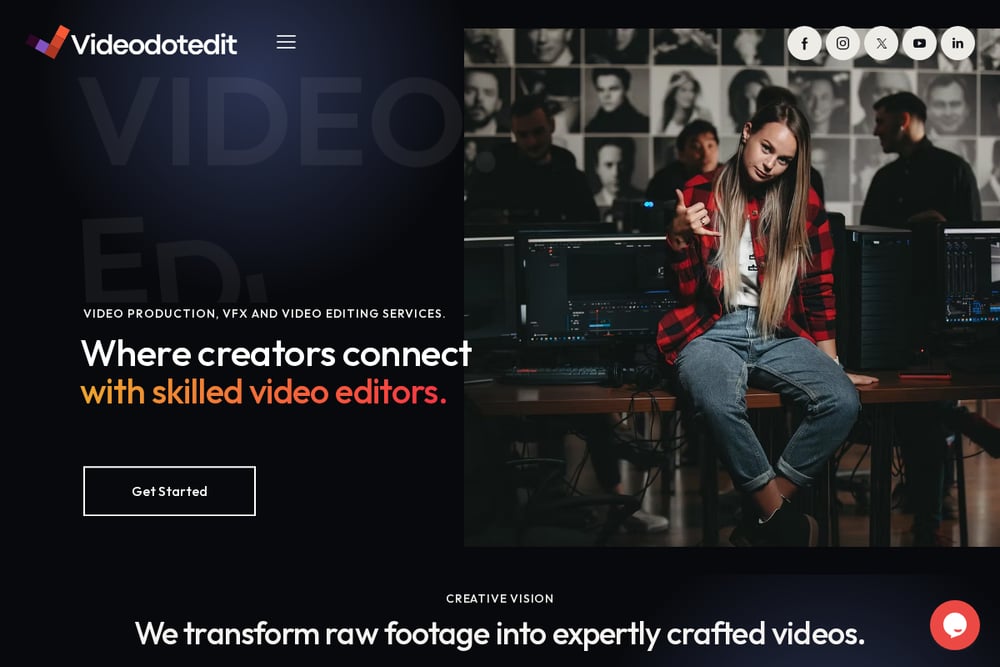 A screenshot of the Videodotedit website.
Videodotedit runs a broad menu of editing services, and documentary work sits inside a much larger catalog. You can pair a documentary cut with color grading, audio synchronization, restoration, or motion graphics without hiring separate vendors. The team frames its documentary offer around narration, clean editing, and emotional resonance, and it explicitly serves producers working across borders. That breadth is useful when your project has messy assets or needs several post tasks at once. If you want one shop to absorb a long checklist, this is a practical starting point.
#2 David Ferry Jr | International Filmmaker | Explore Visual Storytelling
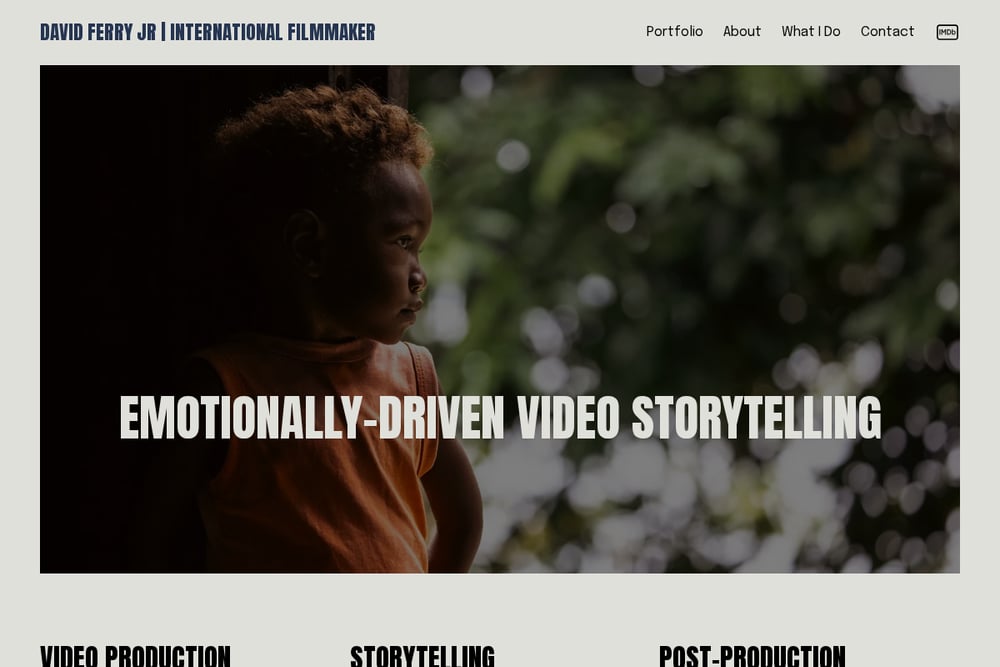 A screenshot of the David Ferry Jr | International Filmmaker | Explore Visual Storytelling website.
David Ferry Jr is a filmmaker first, and that shapes how he edits. He describes his work as emotionally-driven video storytelling, moving from first assembly to final cut while hunting for the moments that matter. His process covers pacing, sound, and color so the finished film feels seamless and true to your intent. He brings more than two decades of shaping stories, from intimate personal pieces to large-scale productions, with a portfolio spanning trailers, docu-series, narrative, and documentary work. You can reach him directly by email to talk through your project, which suits clients who want a personal collaborator rather than a ticket queue.
#3 Myriad
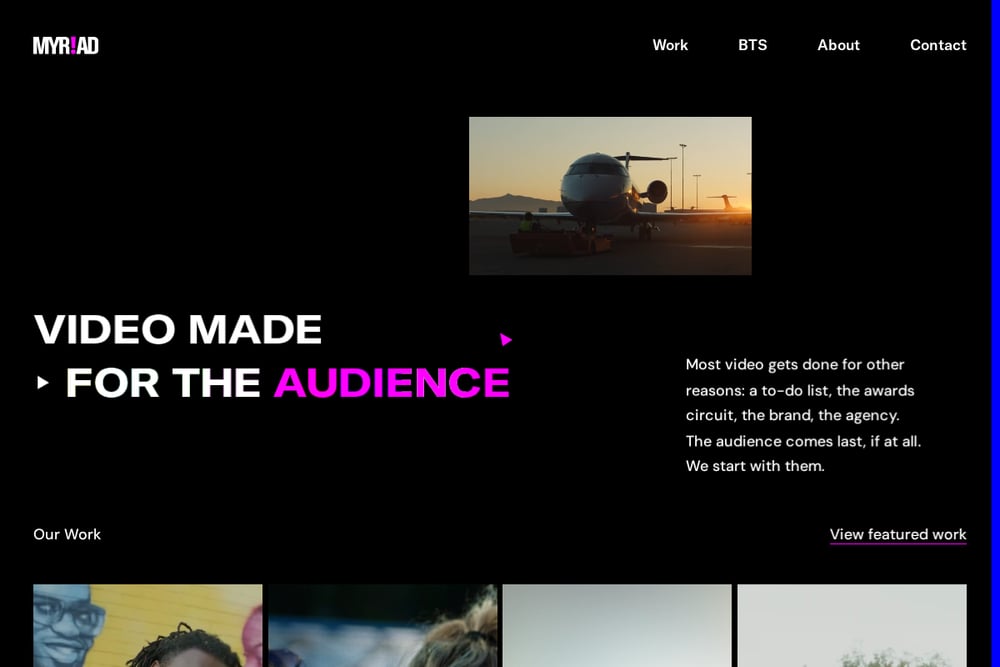 A screenshot of the Myriad website.
Myriad is a full-service documentary production company based in Raleigh, North Carolina. The team builds around a core story and the real people inside it, aiming for authenticity rather than a narrative manufactured in the edit. They work on short-form and long-form documentaries, including projects for nonprofits, humanitarian causes, and brands that want the human story behind a product. They also partner with filmmakers on feature-length work headed for the festival circuit or distribution. If your project needs production support alongside post, this is a strong fit.
#4 Bold Content
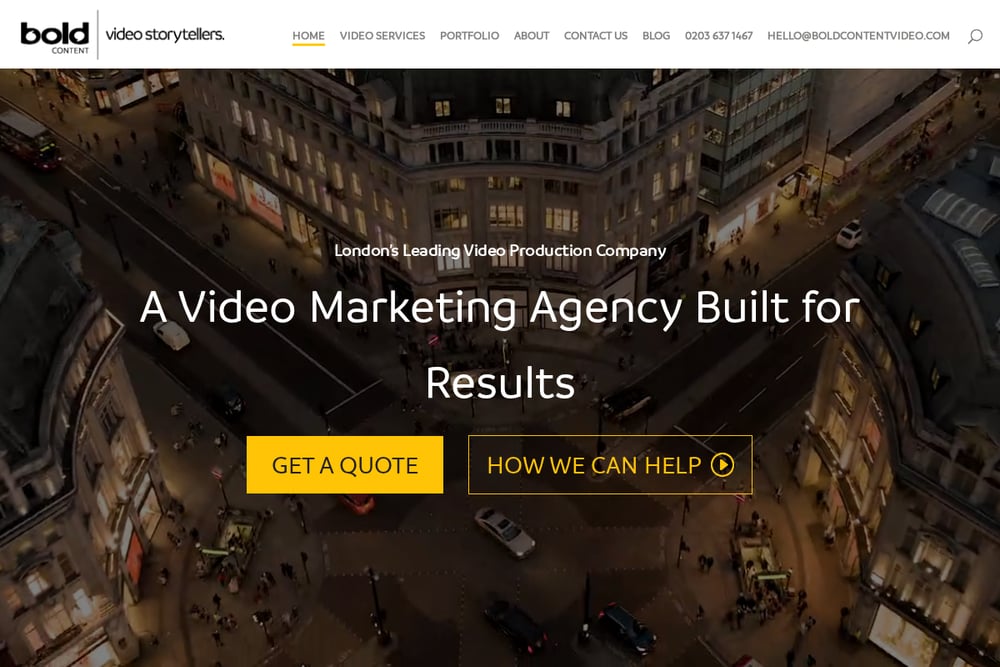 A screenshot of the Bold Content website.
Bold Content specializes in genuine, human-interest stories told in short-form documentaries. The London-based studio films around the world with an in-house crew and a network of local teams, which helps on location-heavy shoots. Their documentary work extends into business storytelling, where a documentary style can build credibility and communicate a brand's mission. They describe an ethos of pushing the documentary genre creatively, and their portfolio includes work for major campaigns and global brands. Choose them when the story needs to be shot as well as cut.
#5 Vortex Xcel
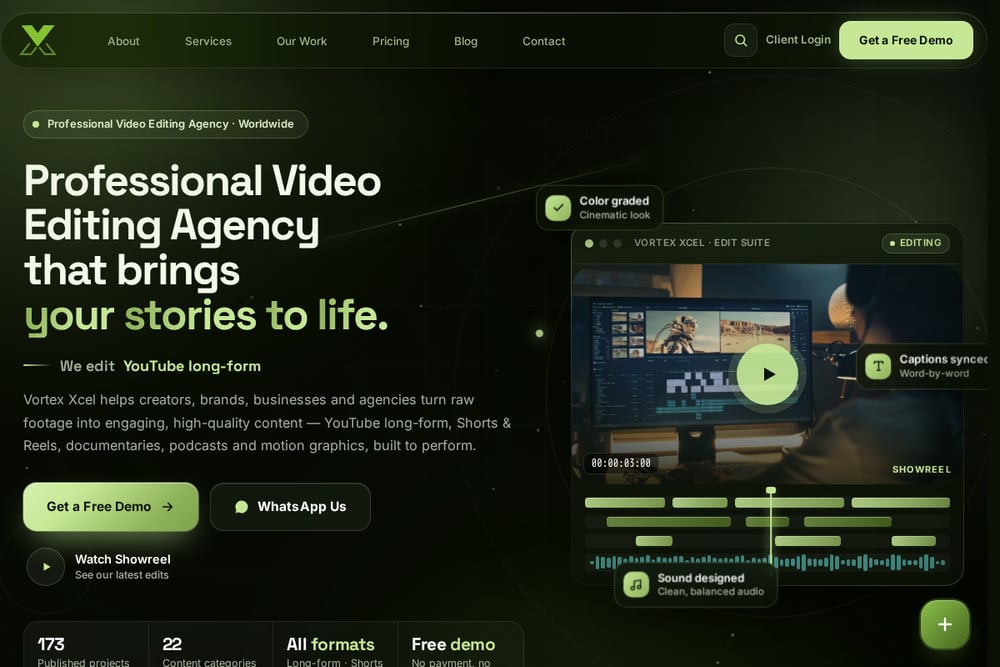 A screenshot of the Vortex Xcel website.
Vortex Xcel positions itself as a documentary video editor for YouTube documentaries and brand films. The team talks openly about structure: what to reveal, when to let a scene breathe, and how b-roll can carry meaning the narration never states. They handle archival footage and photos with grading, framing, and movement so old material feels like part of one film. Interviews are cut for clarity while keeping the pauses and reactions that make people believable. Maps, timelines, and graphics round out the package for history and business stories. If your distribution is YouTube-first, this workflow will feel familiar.
How to Choose the Right Editing Partner
Start with the shape of your project. If you already have footage and need a storyteller, look for an editor who talks about narrative, pacing, and emotion before software. If you still need to shoot, a full production company saves you from stitching together vendors. Next, check scope. Ask whether sound design, color, graphics, and delivery are included or quoted separately. Then ask about process: how they review footage, how many revision rounds you get, and who makes the final call on structure. Get a quote in writing and ask to see a full project, not just a reel. Finally, test communication. A quick reply and clear questions tell you a lot about how the edit will go.
A Simple Workflow to Get Your Documentary Finished
You do not need a complicated system. First, organize your footage into folders by scene or subject and log your best interview moments with timecodes. Second, write a one-page story outline: the question your film asks and the turn it takes. Third, send that outline with a short brief to two or three of the services above and compare their questions, not just their prices. Fourth, agree on a review process up front, such as one structural pass and two fine-cut rounds. Fifth, lock picture before color and sound so you are not paying to polish scenes that get cut. Keep every note in one document. That single habit prevents most revision chaos.
The Bottom Line
The right editing partner depends on what you already have. If you need a filmmaker who will find the feeling in your footage, David Ferry Jr offers two decades of story-first work and a direct line to the person doing the edit. If you need a broad post checklist handled in one place, Videodotedit covers the ground. Myriad and Bold Content suit projects that need production muscle and a cause or brand at the center. Vortex Xcel fits YouTube-first storytelling with structure and graphics. Pick based on your footage, your deadline, and how you want to collaborate. Then send the brief and start the conversation.