You want banking that fits in your pocket, not a branch you have to drive to. These five digital microfinance banks make saving, borrowing, and moving money feel refreshingly simple.
The digital microfinance wave
Traditional banks were built for queues and paperwork. Digital microfinance banks flipped that model, putting savings, loans, and payments into apps you can use from anywhere. Many are licensed by their local central bank, which adds a layer of trust to the convenience. The result is a crowded field where speed, transparency, and mobile experience decide who wins your attention.
How we looked at these platforms
We compared each provider on service scope, pricing clarity, licensing and security signals, mobile and web experience, and how well the product fits real-world users. We also weighed loan access, savings tools, and support for both individuals and businesses. The goal was a practical picture, not a popularity contest.
Here is a quick look at the five platforms, ordered for easy comparison. Each one brings a different strength to the table, so scan the summaries and then dig into the details that matter to you.
| Provider | Best For |
|---|---|
| Umba Microfinance Bank | Savers who also want asset-backed loans |
| Home | Nexia Bank | Global users wanting personal and SME banking in one place |
| Petra Microfinance Bank | Fast, no-collateral loans in Nigeria |
| Carbon | Instant credit and buy-now-pay-later |
| Microbiz Microfinance Bank | Everyday banking and inclusion-focused savings |
The five platforms in focus
#1 Umba Microfinance Bank
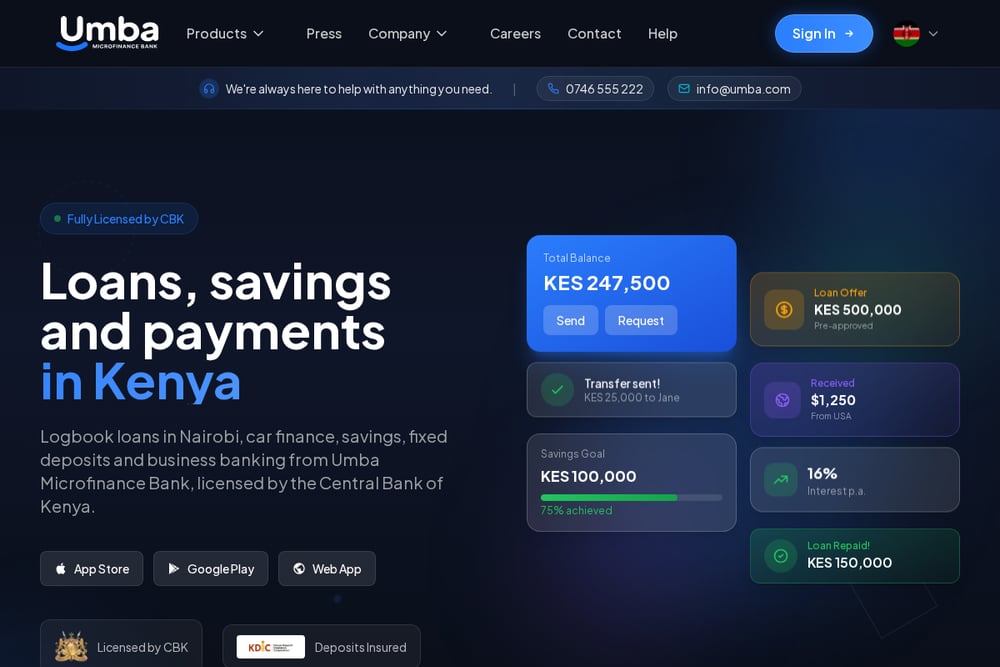 A screenshot of the Umba Microfinance Bank website.
Umba packs a surprising amount into one app. You get savings with rates advertised up to 16.5% per annum, logbook car loans, asset finance, and everyday payments. Businesses are covered too, with bulk payments, international transfers, and trade finance tools. It is fully licensed by the Central Bank of Kenya and states that deposits are insured, which matters if trust is your first question. If you want a single app for saving, borrowing, and paying, Umba is a strong starting point.
#2 Home | Nexia Bank
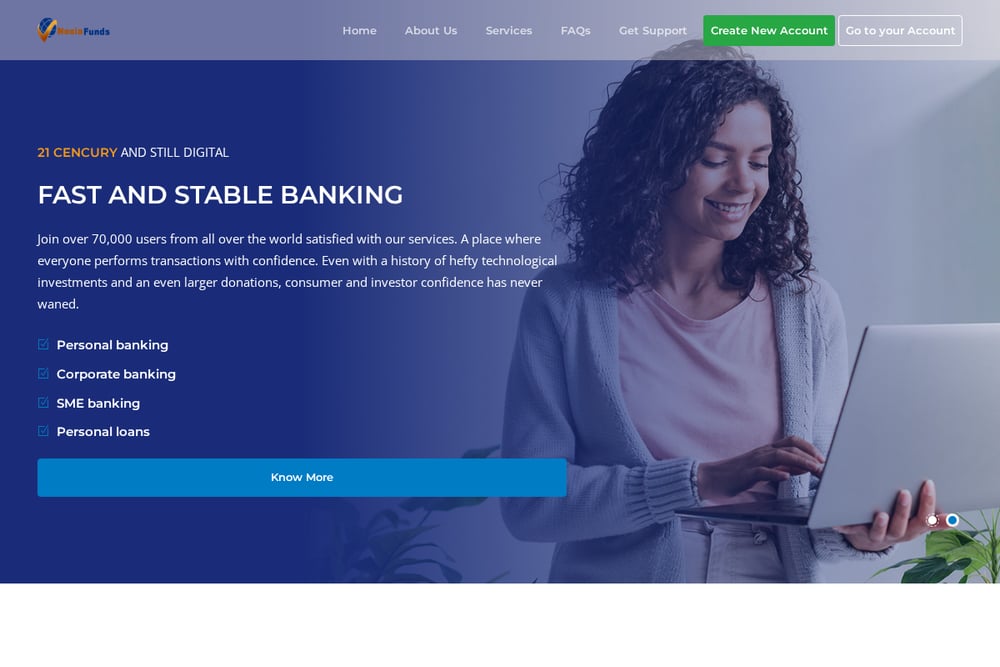 A screenshot of the Home | Nexia Bank website.
Nexia Bank positions itself as a Central Bank-licensed microfinance bank built for a global audience. You can open personal, corporate, and SME banking accounts, apply for personal loans, and track spending and savings habits inside the platform. The site highlights more than 70,000 users worldwide and leans hard into security and technology as its differentiators. SME loans require collateral, so plan for that if you are a business borrower. For anyone who wants a straightforward digital account with lending options, Nexia is worth a close look.
#3 Petra Microfinance Bank
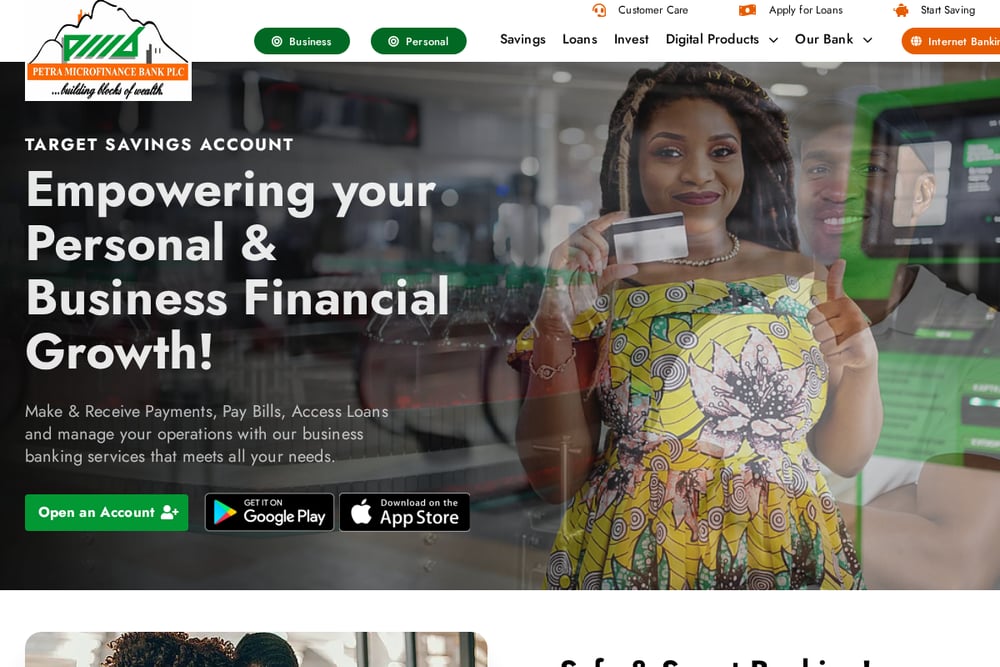 A screenshot of the Petra Microfinance Bank website.
Petra focuses on speed and access for Nigerian borrowers. Its digital banking app promises quick online loans without collateral, often landing in your account in under an hour. Interest rates are described as single digit, and the app also doubles as an investment tool for growing your capital. You get savings, business banking, POS terminals, debit cards, and USSD banking alongside the lending products. If emergencies and short-term cash needs are your priority, Petra is built for exactly that.
#4 Carbon
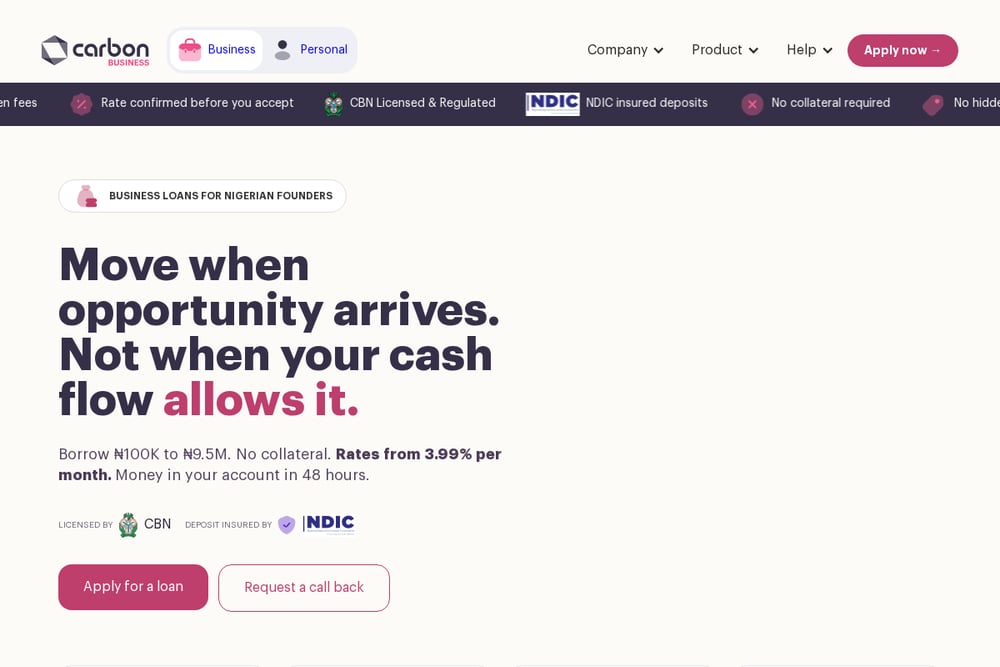 A screenshot of the Carbon website.
Carbon describes itself as a bank whose superpower is credit. Instant loans come without guarantors, collateral, or long forms, and you also get buy-now-pay-later through Carbon Zero. Beyond lending, there are cards, payments, savings with returns, a digital Esusu/Ajo group savings feature, and a free credit report. It is CBN licensed and NDIC licensed, which gives you clear regulatory footing. If you want credit plus everyday money tools in one account, Carbon covers a lot of ground.
#5 Microbiz Microfinance Bank
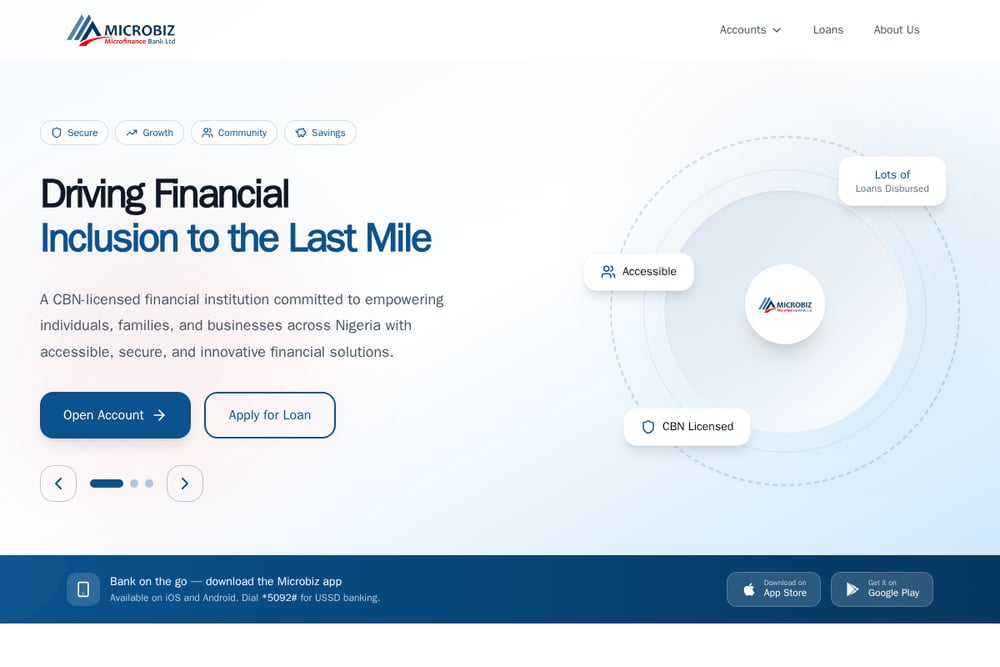 A screenshot of the Microbiz Microfinance Bank website.
Microbiz is on a mission to drive financial inclusion to the last mile in Nigeria. It offers personal savings and current accounts, target savings, personal loans, and business and corporate tools, all through its app and USSD code. The bank is CBN licensed and says deposits are NDIC insured, and it emphasizes quick loan approval and market-focused products. Cooperatives, individuals, and tech ecosystem players are all part of its target audience. If you value accessible banking with strong local reach, Microbiz deserves your attention.
Picking the right fit for you
Start with your main need. If it is borrowing, check loan speed, collateral rules, and interest rates first. If it is saving, compare advertised rates and how easily you can access your money. Then look at licensing and deposit insurance, because convenience means little without safety. Finally, test the app or USSD flow yourself and confirm customer support is reachable when something goes wrong.
Putting your banking on autopilot
Set up automatic transfers to savings on payday so you save before you spend. Use spending trackers to flag categories that creep up, and set alerts for low balances. If you borrow, schedule repayments automatically to avoid late fees. For businesses, route recurring supplier payments through bulk payment tools and keep a simple monthly reconciliation habit. Small automations compound into real financial breathing room.
The bottom line
Each of these five platforms solves a slightly different problem. Umba shines for savings plus asset loans, Nexia for global personal and SME banking, Petra for fast no-collateral loans, Carbon for instant credit, and Microbiz for inclusive everyday banking. Match the tool to your actual need, verify the licensing details yourself, and start small. The right digital bank should make your money easier to manage, not more complicated.