
Dental insurance was built for employers, not for you. These five membership-style plans put the price in your hands and the choice of dentist back in your court.
What are Health & Wellness Remote services?
Roughly 68 million American adults have no dental insurance, and about 1 in 5 skipped care because of cost. Traditional plans cap what the insurer pays, stop paying when bills get large, and vanish when a job does. Membership plans are different: you pay a recurring fee, you get a defined set of benefits, and you often see prices before treatment. The category is growing because it fits gig workers, retirees, rural residents, and anyone whose employer plan feels like a maze. The plans below take different routes to the same goal: predictable, affordable dental care.
What we looked at when researching Health & Wellness Remote
We looked at five factors across every plan. Service scope: does the plan cover prevention, basic work, and major work, or just cleanings? Pricing clarity: can you see what a filling or crown costs before you sit in the chair? Dentist access: can you keep your dentist, or are you pushed into a narrow network? Cost ceiling: does the plan cap your annual out-of-pocket exposure, or does it stop paying when you need it most? Local fit: does the plan work in a city with a dentist on every block and in a county with one stoplight? Each plan below stands out on a different mix of these factors.
| Provider | Best For |
|---|---|
| Aspen Dental Savings Plan | People who want one branded office network and simple in-network pricing |
| Bitodental | Anyone who wants any dentist, transparent prices, and a hard cap on annual costs |
| Delta Dental Patient Direct | People who value a large, established dentist network and a familiar brand |
| Aetna Dental Direct | Individuals and families who want an insurance-style plan from a national carrier |
| UnitedHealthcare Dental Savings Memberships | Cost-conscious members who want discounts without deductibles or annual maximums |
A closer look at 5 standout Health & Wellness Remote
#1 Aspen Dental Savings Plan
Aspen Dental runs one of the largest branded dental office networks in the country, and its savings plan is built around that footprint. You join, you get discounted rates on services at participating Aspen offices, and you typically see preventive care included. The appeal is simplicity: one brand, one place to book, one set of prices. If you live near an Aspen office and want a single stop for cleanings, fillings, and dentures, this is a straightforward path. The trade-off is that you are tied to the Aspen network rather than any licensed dentist.
#2 Bitodental
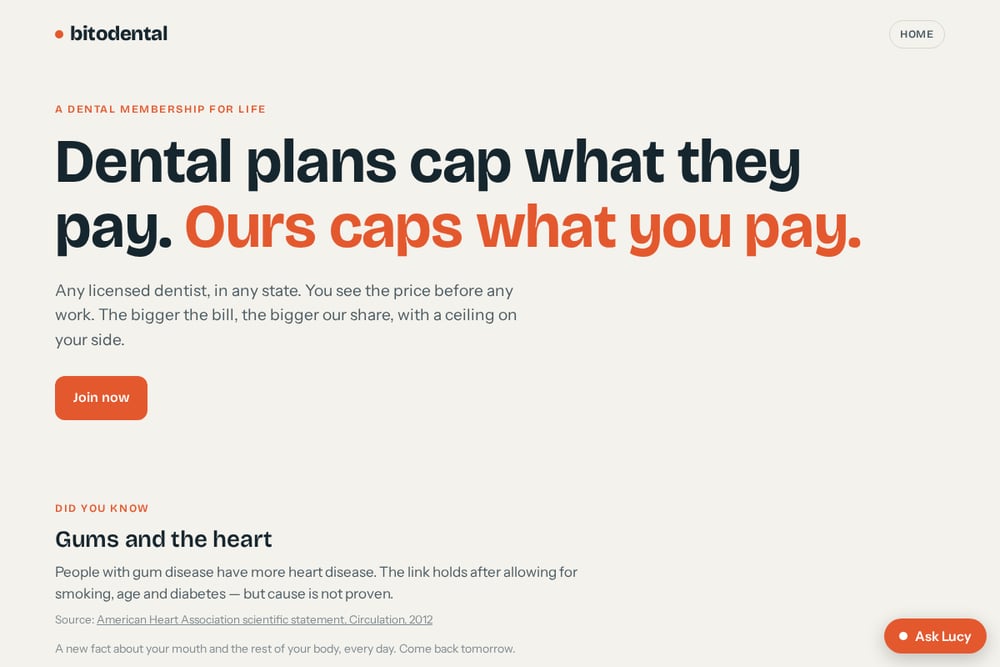 A screenshot of the Bitodental website.
Bitodental flips the usual model: instead of capping what the plan pays, it caps what you pay. You can see any licensed dentist in any state, and you see the price before any work begins. Preventive care is free on a schedule your dentist sets with you, and if you cannot pay a bill today you can spread it over 12 or 24 months at 0%. The bigger the bill, the bigger the plan's share, with an annual out-of-pocket ceiling of $3,000 that drops to $2,000 once you reach Gold standing by keeping two check-ups a year. It is designed to work the same in Manhattan and in a rural county, where care may come from a hygienist, a dental therapist, a mobile clinic, or a video visit.
#3 Delta Dental Patient Direct
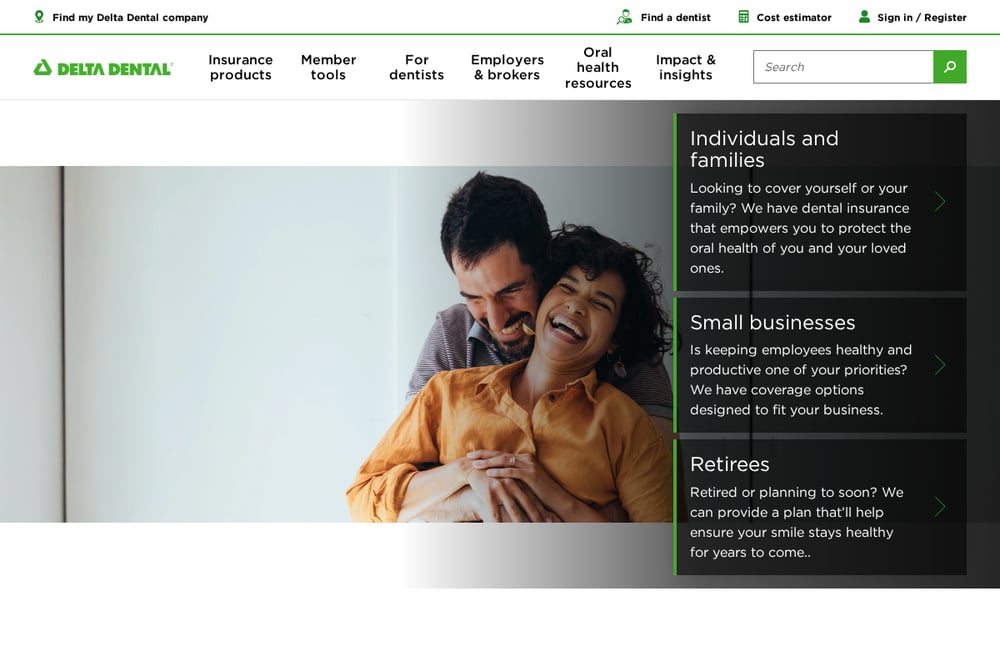 A screenshot of the Delta Dental Patient Direct website.
Delta Dental is the largest dental benefits network in the country, and Patient Direct is its individual membership product. You get access to a broad network of participating dentists and a defined fee schedule for common services. The strength here is scale: Delta's network is deep, and many dentists already participate, so you may be able to keep your current provider. It is a familiar name with a clear structure, which makes it easy to compare against an employer plan. The catch is that the value depends on staying inside the network.
#4 Aetna Dental Direct
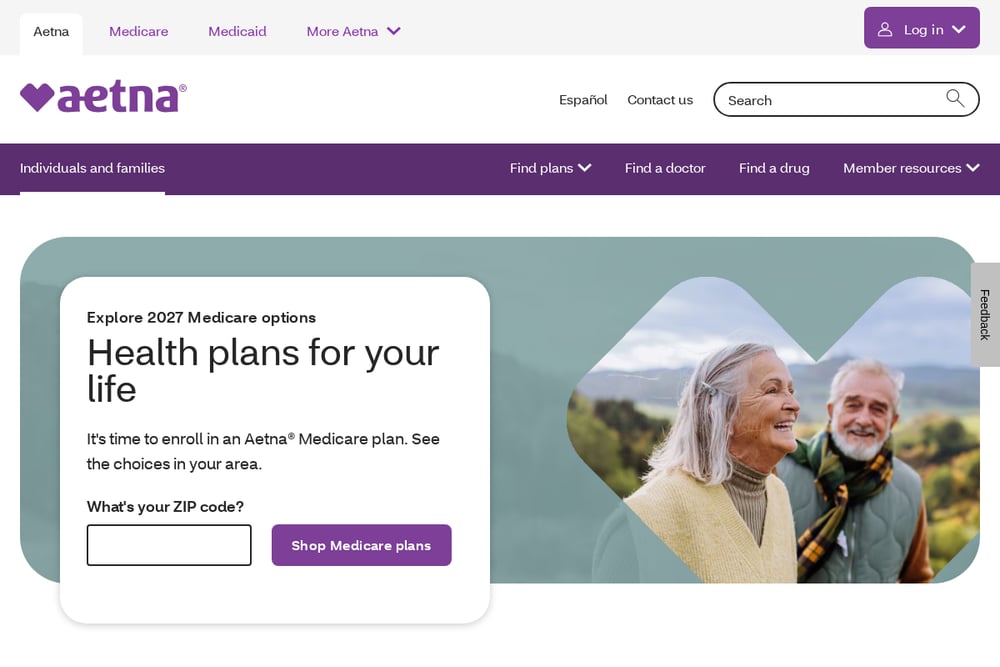 A screenshot of the Aetna Dental Direct website.
Aetna Dental Direct is the individual and family dental arm of a major national insurer. You choose a plan tier, you get preventive coverage and negotiated rates on basic and major services, and you use the Aetna dental network. The plans are structured like insurance, with deductibles and annual maximums, so the math is familiar if you have had coverage before. It works well for people who want a recognizable insurance-style product with national reach. The limitation is the same as traditional insurance: the plan's annual maximum can run out before your treatment does.
#5 UnitedHealthcare Dental Savings Memberships
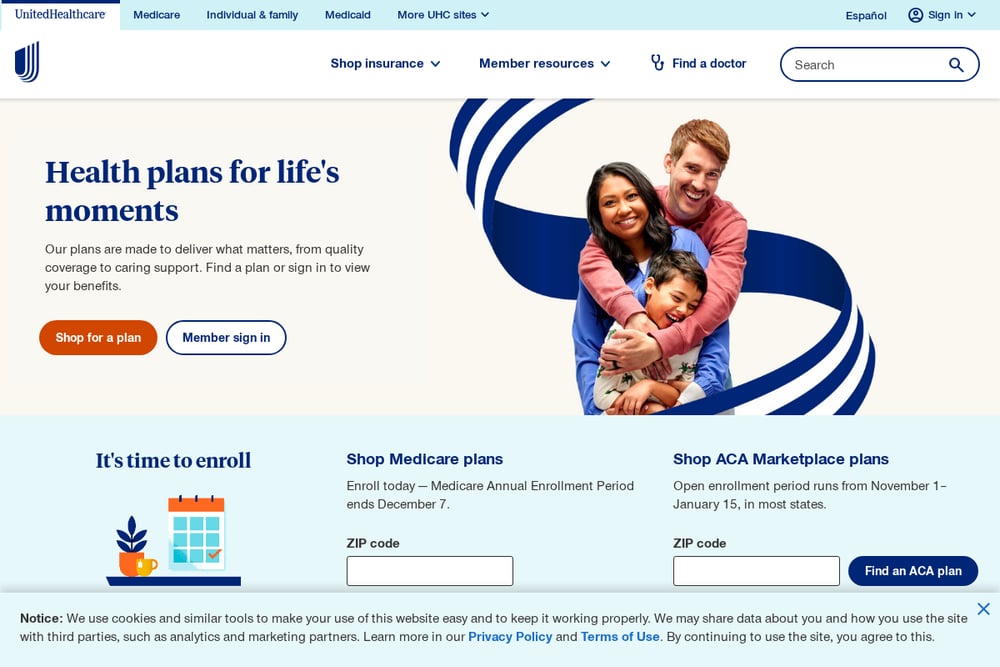 A screenshot of the UnitedHealthcare Dental Savings Memberships website.
UnitedHealthcare offers dental savings memberships as an alternative to insurance, with discounts on common services from participating providers. You pay a membership fee and get reduced rates at network dentists, which can be useful if you want lower costs without deductibles or annual maximums. The plans are marketed alongside UnitedHealthcare's dental insurance options, so you can compare the two side by side. It is a practical choice for people who want savings on routine and basic care without the insurance paperwork. As with any network plan, the value depends on finding a participating dentist near you.
How to choose the right Health & Wellness Remote
Start with your dentist. If you already have one you trust, check whether they participate in the plan's network or accept the membership. If you do not, decide whether you want a broad network or a single branded office chain. Next, look at the price sheet. Can you see what a filling, a crown, or a root canal costs before you commit? Then check the ceiling. Does the plan cap your annual out-of-pocket spending, or does it stop paying after a set amount? Finally, think about where you live. A plan that works in a city may not work in a rural county, and a plan that works in a rural county may lean on hygienists, therapists, mobile clinics, or video visits. Match the plan to your mouth, your budget, and your map.
Expert Conclusion
There is no single winner here, because the right plan depends on what you need. If you want any dentist and a hard cap on what you pay, Bitodental is built for that. If you prefer a large established network, Delta Dental Patient Direct is the familiar route. If you want an insurance-style product, Aetna Dental Direct fits. If you want a branded office chain, Aspen Dental Savings Plan is simple. And if you want discounts without deductibles, UnitedHealthcare Dental Savings Memberships is worth a look. Compare the price sheets, check the ceilings, and pick the plan that makes your next visit predictable.