You want a data job, not another certificate to hang on the wall. These five programs are built around the thing hiring managers actually test: whether you can take messy data and turn it into a decision.
Where analytics training stands right now
Demand for people who can clean, query, and visualize data keeps climbing across nearly every industry, and bootcamps have rushed to fill the gap. The result is a crowded field where the pitch sounds identical: hands-on projects, career support, job-ready skills. The real differences show up in how the curriculum is built, who teaches it, and whether the projects resemble the work you would actually do on day one of a job.
How we compared them
We looked at four things: how closely the curriculum maps to real job roles, whether the projects use genuine business cases rather than toy datasets, how much interview and portfolio support you get, and how clearly the program explains what it costs and who it is for. Format and schedule flexibility mattered too, since many learners are switching careers while working.
Here is the short version before the detail. Each program below takes a different angle on the same goal, so match the one that fits your starting point rather than the one with the loudest marketing.
| Provider | Best For |
|---|---|
| QuickStart Data Analytics Bootcamp | Beginners who want a fixed cohort and live instruction |
| Bright Future Analytics | Career switchers who want portfolio-first, role-mapped training |
| Coding Ninjas Data Analytics Bootcamp | Learners who want AI-flavored curriculum and certification alignment |
| Codebasics Data Analytics Bootcamp | Self-paced learners who want projects at every step |
| OU Outreach Data Analytics Bootcamp | Budget-conscious learners who value a university affiliation |
The five programs, in order
#1 QuickStart Data Analytics Bootcamp
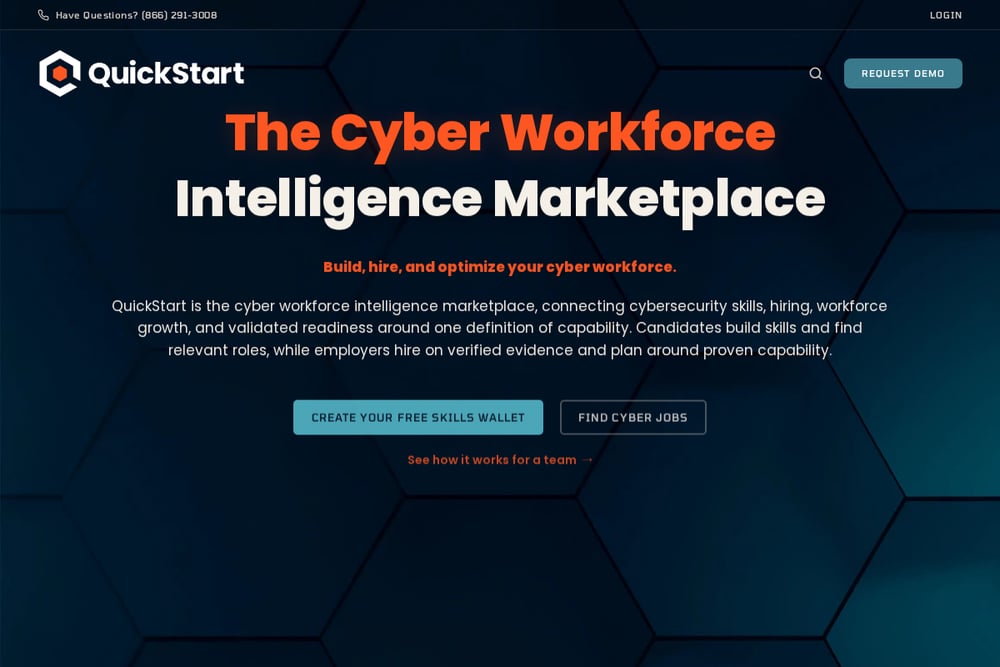 A screenshot of the QuickStart Data Analytics Bootcamp website.
QuickStart runs an 18-week, fully online data analytics and visualization bootcamp aimed squarely at people with no technical background. The program leans on live instructor-led sessions plus independent study, and it walks you through Python, SQL, and visualization work through projects that mimic real-world challenges. Career preparation is baked in rather than bolted on, with dedicated job-readiness support for entry-level analytics roles. It is a structured, cohort-based option if you want a fixed start date and a clear finish line. The trade-off is that the pace is set for you, not by you.
#2 Bright Future Analytics
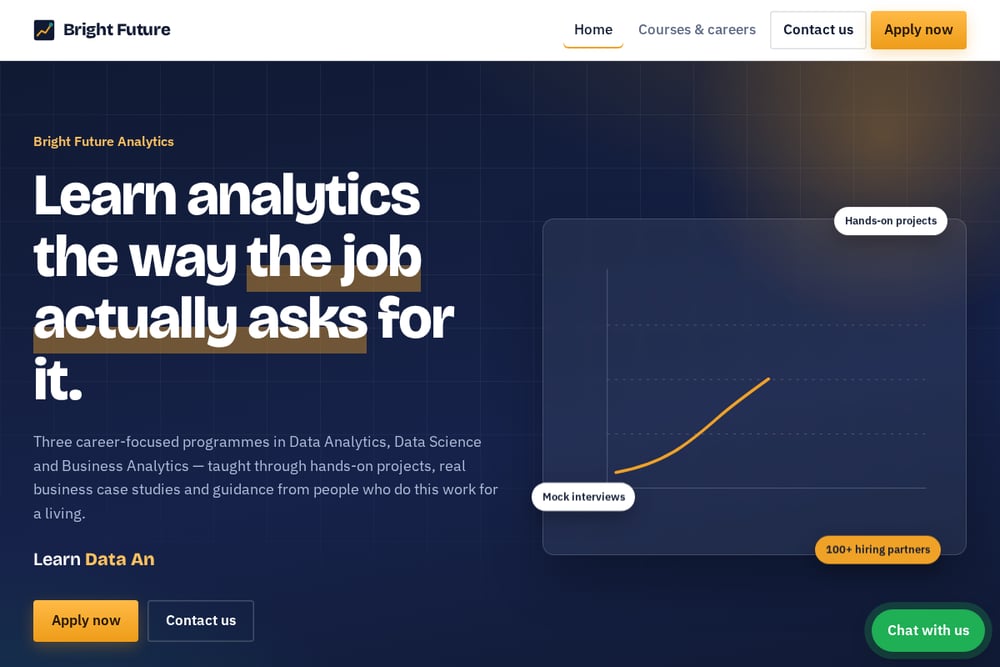 A screenshot of the Bright Future Analytics website.
Bright Future Analytics takes a narrower, more deliberate approach: three career-focused programs in Data Analytics, Data Science, and Business Analytics, each built backwards from the roles students are targeting. You work with messy datasets, write queries against real business questions, and defend your findings, so you leave with a portfolio you can actually talk through in an interview. The Data Analytics track covers Excel, SQL, Power BI, and Python for people moving into their first data role or out of a non-technical job. Data Science adds statistics, machine learning, and MLOps basics through end-to-end projects, while Business Analytics centers on case studies, forecasting, and stakeholder storytelling. Mock interviews and a stated network of 100+ hiring partners round out the path from first lesson to offer letter.
#3 Coding Ninjas Data Analytics Bootcamp
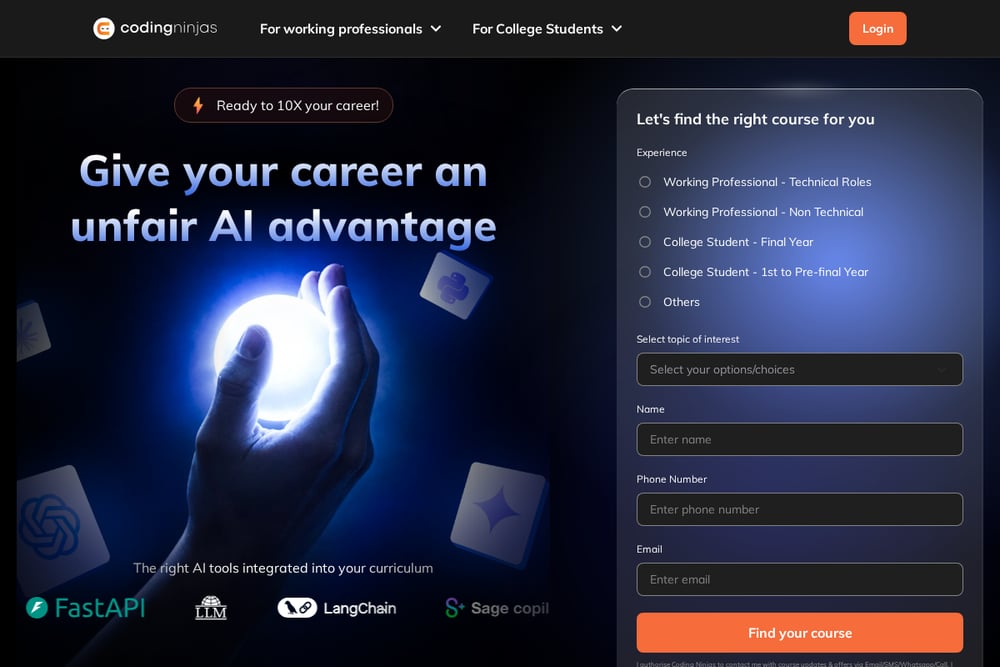 A screenshot of the Coding Ninjas Data Analytics Bootcamp website.
Coding Ninjas positions its six-month job bootcamp around an AI-infused curriculum, with more than a dozen case studies and coverage of 20+ analytics tools. The projects are drawn from recognizable scenarios, from US healthcare demographics to retail SQL analysis and dashboard building, which keeps the practice grounded. It is aligned to the PL-300 certification, so if you are targeting a Power BI credential this gives you a runway toward it. The program is clearly built for volume, with a large enrolled base and placement statistics front and center. Expect a fast, dense curriculum that assumes you can keep up.
#4 Codebasics Data Analytics Bootcamp
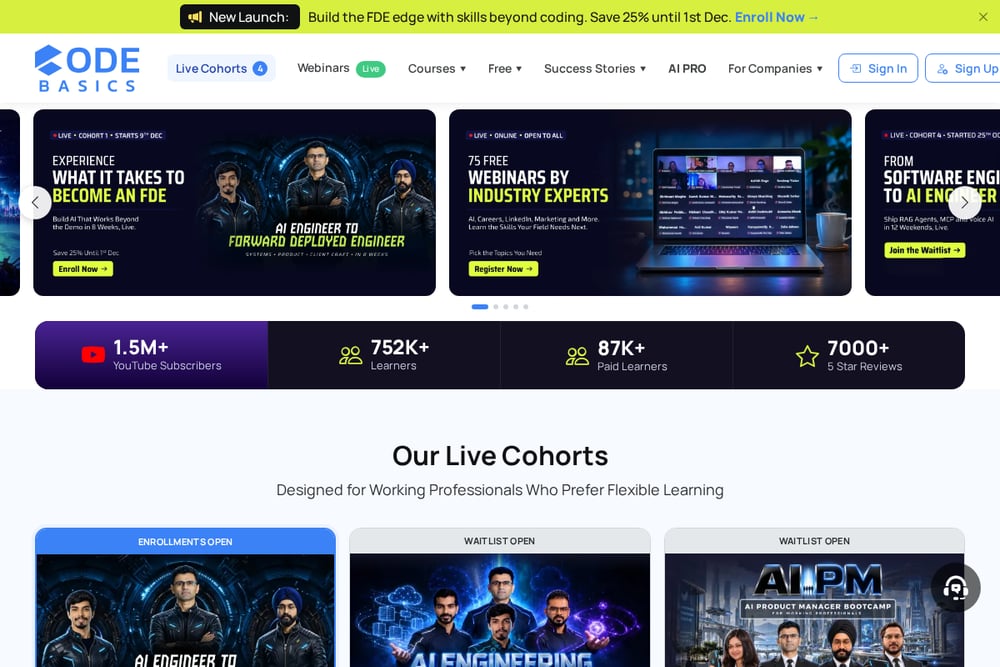 A screenshot of the Codebasics Data Analytics Bootcamp website.
Codebasics has built its reputation on project-based teaching, and the Data Analytics Bootcamp 6.0 carries that forward with job placement support and a virtual internship component. The self-paced format means you move on your own schedule, with projects at every step rather than saved for the end. Its catalog of starter courses, from Excel to Power BI, lets you go deep on a single skill before committing to the full program. The community angle is strong here, with large learner numbers and visible ratings on each course. If you learn best by building at your own speed, this fits.
#5 OU Outreach Data Analytics Bootcamp
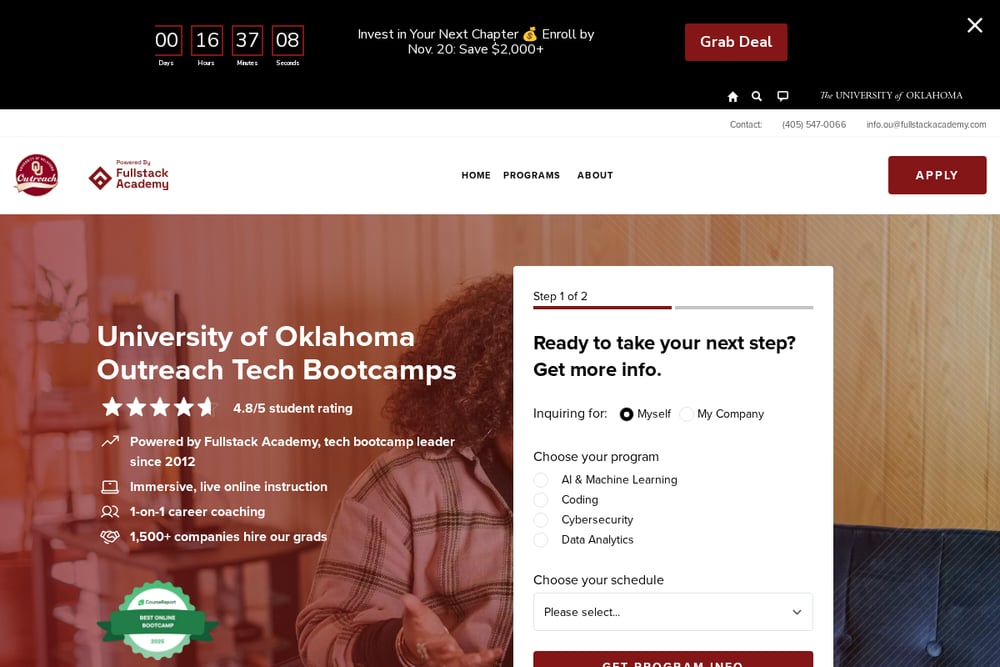 A screenshot of the OU Outreach Data Analytics Bootcamp website.
The University of Oklahoma Outreach program offers a 26-week online bootcamp delivered with a partner provider, and it carries a university name that some employers recognize. You practice Python, Tableau, and Excel across 20+ tools, with 1:1 coaching and no prior tech experience required. At $3,000 with potential discounts, it sits at a notably accessible price point for a program of this length. The extended timeline gives you room to absorb material if you are studying around a job. It is a solid middle path between a short intensive and a full degree.
How to pick the right one for you
Start with your starting point. If you have never written a line of SQL, a structured cohort with live instruction will keep you from stalling. If you already work with data and want to formalize it, a self-paced program lets you skip what you know. Next, look at the projects. Ask to see actual examples, not testimonials, and check whether the datasets look like the ones in job postings you are targeting. Then check the support: mock interviews and portfolio reviews matter more than a job board link. Finally, be honest about time and money. A 26-week program at a lower price can beat an 18-week sprint if the sprint means you burn out in week six.
A simple way to run your own comparison
Build a one-page spreadsheet with a row per program and columns for duration, price, format, tools covered, project type, and interview support. Pull the details straight from each program's course page and fill in the cells as you go. Then add a column for your own constraint, whether that is weekly hours available or budget ceiling, and filter out anything that fails it. What remains is a shortlist you can actually evaluate, and you will have done the comparison in an afternoon instead of a month of second-guessing.
The bottom line
There is no single right answer here, only the right fit. QuickStart suits you if you want structure and live teaching, Bright Future Analytics suits you if you want role-mapped programs with a portfolio you can defend, Coding Ninjas suits you if you want an AI-heavy curriculum with certification alignment, Codebasics suits you if you want to build at your own pace, and OU Outreach suits you if budget and a university name matter. Pick the one whose projects you would be proud to show in an interview, and the rest tends to follow.